
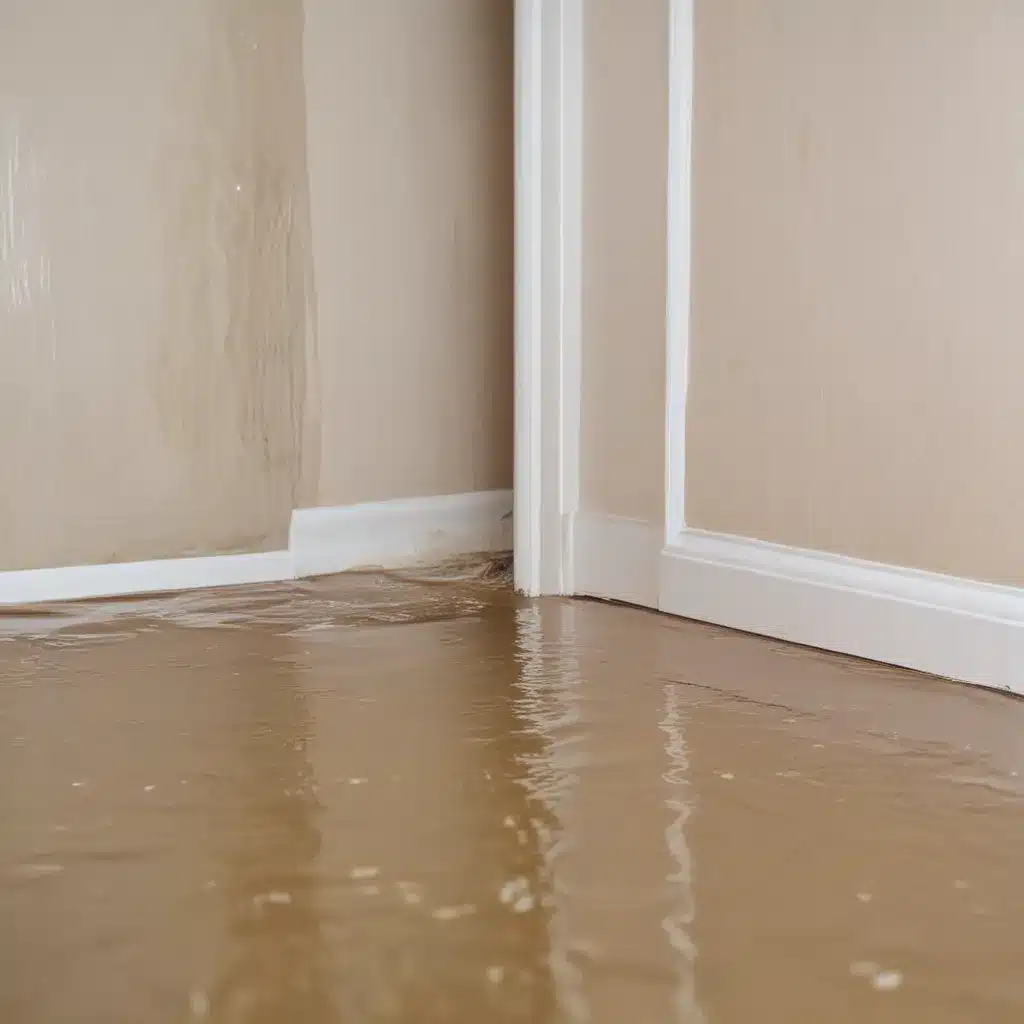
Battling the Aquatic Invaders: My Journey to a Dry, Damage-Free Home
As the owner of ABC Home, a building and renovation company in Aberdeen, UK, I’ve seen my fair share of water damage disasters. From burst pipes to leaky roofs, these uninvited “aquatic invaders” can wreak havoc on our homes, causing costly repairs and headaches galore. But fear not, my fellow homeowners! In this extensive guide, I’ll share my hard-earned wisdom and practical tips to help you prevent, detect, and vanquish these water-based foes before they can sink their metaphorical teeth into your precious property.
Identifying the Culprits: Common Causes of Water Damage
Before we can put on our superhero capes and save the day, we need to understand the sneaky ways water can infiltrate our homes. Let’s take a closer look at the most common culprits:
- Plumbing Leaks: Whether it’s a dripping faucet, a cracked pipe, or a malfunctioning appliance, these hidden water woes can lead to extensive damage if left unchecked.
- Roof Leaks: Damaged or missing shingles, clogged gutters, and improperly sealed roof penetrations can all allow water to seep in and wreak havoc on your home’s structure.
- Basement Flooding: Poor drainage, cracked foundations, and heavy rainfall can all contribute to the dreaded basement flood, turning your lower level into an indoor swimming pool.
- Appliance Malfunctions: Washing machines, dishwashers, and water heaters can all spring leaks, leading to water damage and potential mold growth.
- Natural Disasters: Severe storms, heavy snowmelt, and flash flooding can overwhelm even the most well-prepared homes, causing catastrophic water damage.
Understanding these common culprits is the first step in our mission to protect our homes from the aquatic invaders.
Proactive Prevention: Keeping the Water at Bay
Now that we’ve identified the usual suspects, let’s dive into some practical strategies to keep the water damage goblins at bay:
Plumbing Maintenance
As the old saying goes, “an ounce of prevention is worth a pound of cure.” When it comes to plumbing, regular maintenance is key. I recommend having a professional plumber inspect your home’s pipes, faucets, and appliances at least once a year. They can identify any potential issues and address them before they turn into a full-blown disaster.
Roof Inspections and Repairs
Your roof is your home’s first line of defense against the elements, so it’s crucial to keep it in tip-top shape. I suggest having a roofing contractor inspect your roof annually, looking for any loose or damaged shingles, clogged gutters, or issues around chimneys and vents. Addressing these problems proactively can save you from a costly roof leak down the line.
Basement Waterproofing
Basements can be notoriously prone to water infiltration, but there are several steps you can take to keep them dry. Consider installing a sump pump, sealing any cracks in the foundation, and ensuring proper drainage around your home. Investing in these preventative measures can save you from the headache (and heartache) of a flooded basement.
Appliance Maintenance
Don’t forget about your home’s appliances! Regular maintenance and inspections can help catch any potential leaks or malfunctions before they cause serious damage. Set calendar reminders to clean out the lint trap in your washing machine, check the hoses on your dishwasher, and have your water heater serviced periodically.
Addressing Natural Disasters
While we can’t control the weather, we can take steps to mitigate the impact of natural disasters on our homes. Install backflow valves to prevent sewage backup, clear debris from gutters and downspouts, and consider investing in flood-resistant materials for your home’s exterior.
Remember, a stitch in time saves nine – and in the case of water damage, that stitch could be the difference between a minor inconvenience and a major financial headache.
Detecting the Leaks: Identifying and Addressing Water Intrusion
Despite our best efforts, sometimes water damage sneaks up on us. That’s why it’s crucial to develop a keen eye for the signs of water infiltration. Keep an eye out for the following:
- Discolored or Stained Walls and Ceilings: Water damage can often manifest as discoloration, staining, or even bubbling paint or wallpaper.
- Musty Odors: A musty smell in your home can be a telltale sign of mold growth, which is frequently caused by excessive moisture.
- Warped or Buckling Floors: If your hardwood or laminate floors start to warp, cup, or buckle, it’s a clear indication that water has seeped in.
- Excessive Condensation: Beads of water on windows, walls, or pipes can signal high humidity levels and potential water intrusion.
If you spot any of these warning signs, don’t ignore them! Act quickly to identify the source of the water and address the problem before it spirals out of control.
Damage Control: Mitigating the Impact of Water Intrusion
Okay, so you’ve discovered a leak or water intrusion in your home. Don’t panic! With the right approach, you can minimize the damage and get your home back to its dry, damage-free state. Here’s what to do:
-
Shut off the Water Source: If the leak is coming from a plumbing issue, locate the main water shut-off valve and turn off the water supply. This will help prevent the problem from escalating.
-
Dry Out the Affected Area: Use fans, dehumidifiers, and/or a wet/dry vacuum to remove any standing water and start the drying process. The quicker you can get the area dried out, the better.
-
Inspect for Mold and Mildew: Water damage often leads to the growth of mold and mildew, which can pose serious health risks. Inspect the affected area carefully and take immediate action to remediate any fungal growth.
-
Document the Damage: Take detailed photos and keep a record of the affected areas, the extent of the damage, and any steps you’ve taken to mitigate it. This documentation will be crucial if you need to file an insurance claim.
-
Hire a Professional: For extensive water damage or complex issues, it’s best to call in a professional restoration company. They have the expertise and equipment to properly assess the damage, extract the water, and restore your home to its pre-damage condition.
Remember, the key to minimizing the impact of water intrusion is to act quickly and decisively. The longer you wait to address the problem, the more serious the consequences can be.
Weathering the Storm: Dealing with Water Damage Claims
If your home has suffered significant water damage, you may need to file an insurance claim to help cover the cost of repairs. This process can be daunting, but with the right approach, you can navigate it successfully. Here are some tips:
-
Review Your Policy: Carefully review your homeowner’s or renter’s insurance policy to understand what types of water damage are covered and any deductibles or limitations that may apply.
-
Document Everything: Keep meticulous records of the damage, including photos, repair estimates, and any communication with your insurance provider.
-
Act Quickly: File your claim as soon as possible to ensure the fastest possible resolution. Insurance companies often have strict timelines for filing claims.
-
Cooperate with Adjusters: Be prepared to provide access to your home and any information the insurance adjuster may need to assess the damage.
-
Advocate for Yourself: Don’t be afraid to push back if the insurance company’s initial offer seems inadequate. You may need to negotiate to ensure you receive a fair settlement.
-
Consider Hiring a Public Adjuster: If you’re having trouble getting the coverage you deserve, a public adjuster can review your policy and advocate on your behalf with the insurance company.
Navigating the insurance claims process can be a frustrating experience, but with the right approach, you can ensure your home gets the care and attention it deserves.
Lessons Learned: Real-Life Water Damage Stories
Over the years, I’ve had the privilege of working with countless homeowners who have faced the challenges of water damage. Each story is unique, but they all teach valuable lessons about the importance of proactive prevention and effective damage control. Let me share a few of these tales with you:
The Burst Pipe Nightmare
One of my clients, Sarah, was awakened in the middle of the night by the sound of running water. Upon investigation, she discovered that a pipe had burst in her basement, flooding the entire area. Sarah immediately shut off the water and started the drying process, but by the time the restoration crew arrived, the damage was extensive. Mold had already started to grow, and the hardwood floors were beyond repair. Luckily, Sarah’s insurance policy covered the majority of the costs, but the experience was a harrowing one. The lesson here? Regular plumbing inspections and quick action can make all the difference when it comes to mitigating water damage.
The Leaky Roof Saga
Another client, Michael, had been ignoring a small roof leak for years, thinking it was just a minor issue. However, as time passed, the leak only got worse, eventually causing significant water damage to his home’s interior. By the time Michael finally called in a roofing contractor, the repairs were extensive and costly. Not only did he have to replace the damaged shingles, but he also had to repair drywall, repaint, and replace several pieces of furniture. Michael’s story serves as a cautionary tale – never underestimate the power of a small leak, and always address roof issues promptly.
The Flooded Basement Fiasco
John, a homeowner in a flood-prone area, thought he had taken all the necessary precautions to protect his basement. He had installed a sump pump, cleared the gutters, and even built a retaining wall. But when a massive storm hit, the water overwhelmed his home’s defenses, and his basement ended up completely submerged. The damage was catastrophic, and John had to endure months of restoration work, not to mention the emotional toll of losing valuable possessions. John’s experience highlights the importance of continually reassessing your home’s vulnerabilities and adapting your protection strategies as needed.
These real-life stories underscore the importance of proactive water damage prevention and the need for quick, decisive action when problems do arise. By learning from the experiences of others, we can better equip ourselves to safeguard our homes and minimize the impact of water-related disasters.
Conclusion: Embracing a Dry, Damage-Free Future
As the owner of a building and renovation company in Aberdeen, UK, I’ve seen firsthand the havoc that water can wreak on our homes. But I’ve also witnessed the incredible power of proactive prevention and effective damage control. By understanding the common causes of water damage, implementing targeted maintenance strategies, and responding quickly to any signs of intrusion, we can keep our homes dry, damage-free, and safe from the aquatic invaders.
Remember, a little bit of diligence and a lot of vigilance can go a long way in protecting your most valuable asset – your home. So, let’s roll up our sleeves, grab our trusty toolkits, and embark on a mission to vanquish the water damage demons, one leak at a time.
If you’re in the Aberdeen area and need help with any building or renovation projects, don’t hesitate to visit our website. We’re here to help you create a dry, damage-free haven that you can enjoy for years to come.


