
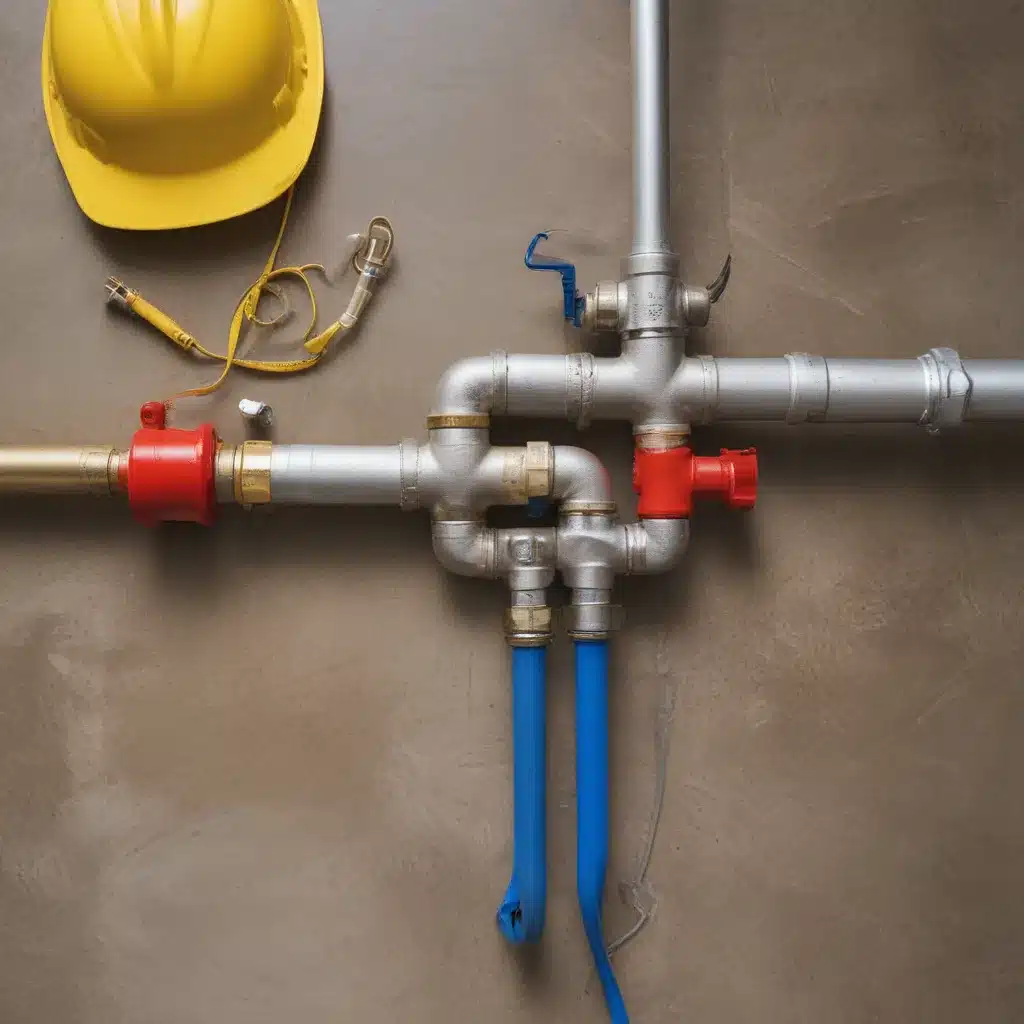
The Importance of Water Safety in Plumbing
As a plumber, I’ve seen it all – from leaky faucets to burst pipes, and let me tell you, water can be a powerful and unpredictable force. That’s why water safety is of the utmost importance when it comes to any plumbing job, big or small. You see, water may seem harmless, but it can quickly turn into a nightmare if not properly contained and managed.
Imagine this: you’re called in to fix a simple leaky pipe under the sink, but as soon as you start tinkering, water starts spraying everywhere, soaking the cabinets, the floor, and even the homeowner’s favorite family heirloom. Yikes! Not only is that a massive cleanup headache, but it could also lead to serious water damage and mold issues down the line. That’s why we always prioritize water safety first and foremost.
But it’s not just about preventing water damage – it’s also about protecting the health and well-being of everyone involved. Contaminated water can harbor all sorts of nasty bacteria and microorganisms that can cause serious illnesses if not properly handled. And let’s not forget the risk of electrocution if water comes into contact with live electrical components. Needless to say, water safety is no laughing matter.
Identifying and Mitigating Water Risks
So, what exactly does water safety entail in the world of plumbing? Well, it all starts with being able to identify potential water risks and hazards. As a seasoned plumber, I’ve gotten pretty good at spotting the warning signs, like corrosion, cracks, or signs of leakage. But it’s not just about the obvious stuff – it’s also about understanding the underlying issues that could lead to water problems down the line.
For example, let’s say I’m called in to replace an old water heater. Sure, the current one may be working fine, but if it’s reaching the end of its lifespan, it could be a ticking time bomb just waiting to burst. That’s why I always take the time to thoroughly inspect the entire system and identify any potential weak points or areas of concern.
And it’s not just about identifying the risks – it’s also about taking the necessary steps to mitigate them. This could involve anything from shutting off the water supply, to using specialized tools and techniques to contain and control the flow of water. It’s all about being proactive and anticipating potential problems before they even have a chance to manifest.
Comprehensive Water Safety Practices
But water safety in plumbing goes beyond just the immediate job at hand. It’s also about implementing comprehensive safety practices that ensure the well-being of everyone involved, from the homeowner to the plumber to any bystanders.
For starters, we always make sure to wear the proper personal protective equipment (PPE) – things like waterproof gloves, goggles, and non-slip boots. This not only protects us from the water itself, but also any potential contaminants or hazardous materials we might encounter.
We also take great care to contain and control the water flow at all times. This might involve shutting off the main water supply, using temporary dams or barriers to redirect the water, or even temporarily rerouting the plumbing system to minimize the risk of leaks or flooding.
And let’s not forget about the importance of proper cleanup and waste disposal. After all, water can be a breeding ground for all sorts of nasty bacteria and microorganisms. That’s why we always take the time to thoroughly clean and disinfect the work area, and dispose of any contaminated materials in a safe and responsible manner.
Real-Life Water Safety Challenges
Now, I know what you might be thinking – “Water safety, schmater safety. That all sounds like a bunch of overly cautious mumbo-jumbo.” But let me tell you, I’ve seen firsthand just how critical it is to take water safety seriously.
Take the case of the Thompson family, for instance. They had just moved into their new home and were eager to get started on some renovations. They hired a plumber to replace an old, leaky faucet in the bathroom, but little did they know, that simple job would turn into a full-blown disaster.
As the plumber was working, a hidden crack in the wall suddenly burst open, sending a torrent of water gushing out. The homeowners were panicked, and for good reason – the water was rapidly spreading throughout the entire bathroom, threatening to seep into the adjoining rooms.
Fortunately, the plumber on the job was a true water safety expert. He quickly shut off the main water supply and got to work containing the leak. He used specialized tools and techniques to redirect the water flow and prevent any further damage. Then, he meticulously cleaned and disinfected the affected areas, ensuring that there was no lingering risk of water contamination or mold growth.
In the end, the Thompsons were amazed at the plumber’s quick thinking and professionalism. What could have been a complete disaster was quickly contained and resolved, thanks to his unwavering commitment to water safety.
The Importance of Ongoing Maintenance and Monitoring
Of course, water safety isn’t just a one-and-done deal. It’s an ongoing process that requires constant vigilance and attention. That’s why we always recommend that our clients keep a close eye on their plumbing system and regularly schedule maintenance check-ups.
After all, even the most well-designed and installed plumbing system can fall victim to the ravages of time and wear and tear. Pipes can corrode, seals can degrade, and hidden leaks can develop without anyone even realizing it. And the longer these issues go unnoticed, the more catastrophic the consequences can be.
That’s why we encourage our clients to be proactive and stay on top of their plumbing maintenance. By regularly inspecting their system, addressing any issues as they arise, and implementing preventative measures like leak detection systems, they can significantly reduce the risk of water-related disasters.
And let me tell you, the peace of mind that comes with knowing your plumbing system is in tip-top shape is priceless. No more worrying about surprise floods or water contamination – just the confidence that your home and family are safe and protected.
Conclusion: Water Safety is Non-Negotiable
At the end of the day, water safety is not just a nice-to-have – it’s an absolute necessity when it comes to any plumbing job, no matter how big or small. It’s about protecting the integrity of the building, the health and safety of the occupants, and the well-being of the plumbers themselves.
Sure, it might take a bit more time, effort, and attention to detail, but in my experience, it’s always worth it. After all, the alternative – a costly, messy, and potentially dangerous water disaster – is simply not worth the risk.
So if you’re ever in need of a plumber, be sure to ask about their water safety practices. Because when it comes to plumbing, there’s no such thing as being too cautious. Your home, your health, and your peace of mind are simply too important to compromise.
And if you’re looking for a plumbing company that takes water safety as seriously as I do, I’d be happy to tell you more about ABC Home. We’re dedicated to providing top-notch plumbing services with a strong focus on safety, reliability, and customer satisfaction. But don’t just take my word for it – give us a call and see for yourself!


