
As someone who’s built their fair share of chicken coops and compost bins over the years, I know a thing or two about creating resilient, self-sufficient systems. And when it comes to our homes, the quest for resilience is no less important – perhaps even more so. That’s why I’m thrilled to share my insights on a topic that could truly transform the way we approach home design and construction: water storage.
The Need for Water Resilience
These days, it seems like the only thing we can count on is the unpredictability of the weather. From drought-stricken summers to flash floods, climate change has thrown the once-reliable water cycle into disarray. And as a homeowner in Aberdeen, I’ve witnessed firsthand how these extreme weather events can wreak havoc on our most precious resource.
Recent studies have revealed that the Delaware River Basin, which covers a significant portion of the northeast, is facing an uncertain water future. Precipitation patterns are becoming more erratic, with fewer but more intense storms, and droughts are becoming more severe and rapid-onset. This spells trouble for those of us who rely on municipal water supplies, which can be vulnerable to disruption during these crises.
Capturing and Storing Water
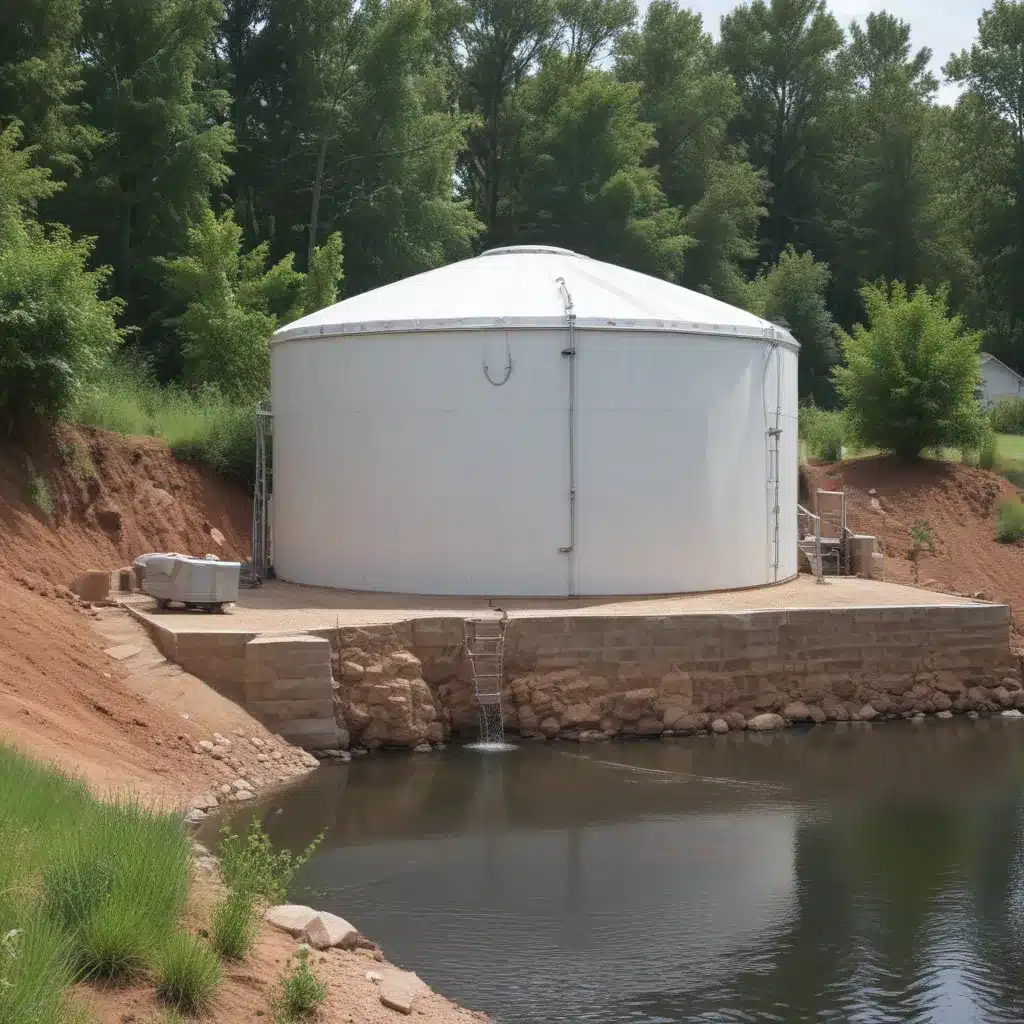
That’s why I believe the key to building truly resilient homes lies in our ability to capture and store water on-site. Now, I know what you’re thinking – isn’t that just for off-the-grid hippies and doomsday preppers? But trust me, modern water storage systems are far from the rusty old rain barrels of yesteryear.
California has been leading the charge when it comes to incentivizing home energy storage, and I believe we’ll see a similar push for water storage in the coming years. After all, what good is a battery-powered backup system if you’ve got no water to drink or flush your toilets?
Designing for Water Resilience
So, where do we start? Well, the first step is to think about your home’s water needs – both for indoor and outdoor use. Do you have a large garden that requires regular watering? Or maybe you’re interested in setting up a greywater system to recycle household water for irrigation? Identifying your specific requirements will help you determine the appropriate storage capacity and configuration.
Next, you’ll want to explore the various storage options available. Underground cisterns, aboveground tanks, and even repurposed shipping containers can all be viable solutions, depending on your available space and budget. And don’t forget about the importance of proper filtration and treatment to ensure the water remains safe and potable.
The Benefits of Water Storage
The benefits of investing in a robust water storage system go far beyond just emergency preparedness. By reducing your reliance on municipal supplies, you can potentially save money on your water bills and even offset the cost of the system over time. And let’s not forget the environmental impact – by capturing and reusing rainwater, you’re helping to reduce strain on local water resources and mitigate the effects of drought.
But perhaps the most significant advantage is the peace of mind that comes with knowing your home is prepared for whatever Mother Nature throws its way. Whether it’s a sudden water main break or a prolonged dry spell, having a reliable source of water on hand can make all the difference in keeping your family comfortable and ensuring your property remains unscathed.
Embracing a Water-Resilient Future
As I look around my own home, I can’t help but feel a sense of pride in the steps I’ve taken to improve our water resilience. From the rain garden that collects runoff to the underground cistern that stores precious precipitation, our property has become a shining example of what’s possible when you prioritize self-sufficiency and sustainability.
And I believe the team at ABC Home is poised to lead the charge in bringing these transformative water storage solutions to the Aberdeen community. By integrating cutting-edge technologies and design principles, they’re helping homeowners like myself future-proof our most valuable asset – our homes.
So, if you’re ready to take the plunge and join the water resilience revolution, I encourage you to reach out to the experts at ABC Home. Together, we can build a more secure, self-reliant future, one rain barrel at a time.


