
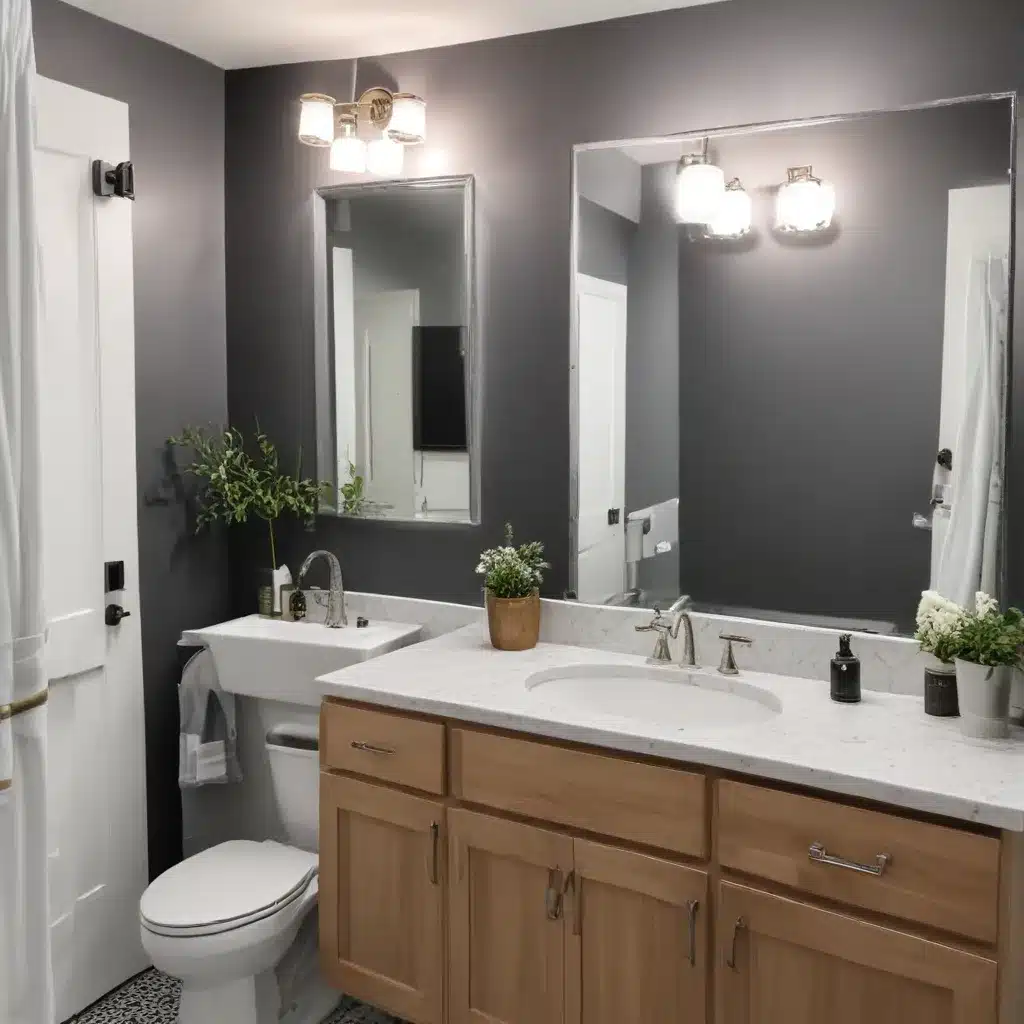
Compliance Matters: Understanding UK Building Regulations for Rental Bathrooms
When undertaking a bathroom renovation in a rental property, it’s crucial to understand and comply with the UK’s building regulations. These standards are in place to ensure the safety, accessibility, and energy efficiency of residential buildings, including bathrooms. Failure to adhere to these regulations can result in penalties, delays, and even issues with future tenancy agreements.
In the UK, the main set of building regulations that apply to bathroom renovations are the Building Regulations 2010, which cover a wide range of requirements, from structural integrity to ventilation and plumbing. Depending on the scope of your bathroom project, you may need to obtain building control approval from your local authority before commencing work.
For example, if you plan to make significant changes to the bathroom’s layout, such as relocating the toilet or shower, you’ll likely need to apply for building control approval. This process ensures that the proposed alterations meet the necessary safety and accessibility standards. On the other hand, if your renovation is more cosmetic in nature, such as updating fixtures, fittings, or surface finishes, you may not require formal approval, but it’s still essential to ensure that any changes comply with the relevant regulations.
One of the key areas to consider when renovating a rental bathroom is water efficiency. The UK government has set targets for reducing water consumption in new and renovated properties, and this is reflected in the building regulations. Choosing water-efficient fixtures, such as low-flow showerheads and taps, can not only help meet these standards but also reduce the tenant’s utility bills and contribute to a more sustainable living environment.
Additionally, ventilation is a critical factor in bathroom renovations. Proper ventilation is necessary to prevent the buildup of moisture, which can lead to mold and mildew. The building regulations specify minimum ventilation requirements for bathrooms, which may involve the installation of mechanical extraction fans or the integration of natural ventilation systems.
Navigating the complexities of UK building regulations can be daunting, but it’s essential to ensure the safety and legality of your rental bathroom renovation. Consulting with a qualified building professional, such as a chartered surveyor or a building control officer, can help you understand the specific requirements for your project and ensure that your renovation complies with all necessary standards.
Managing Costs: Budgeting for Rental Bathroom Renovations
Renovating a bathroom in a rental property can be a significant financial investment, but with careful planning and cost management, you can achieve a high-quality result within your budget. Let’s explore some strategies to help you manage the costs of your rental bathroom renovation.
Prioritize Budget Allocation
When planning your rental bathroom renovation, it’s crucial to prioritize your budget allocation. Identify the essential elements that must be addressed, such as addressing any structural or safety issues, ensuring compliance with building regulations, and addressing any pressing concerns related to water efficiency or ventilation. These should be your top priorities and consume the largest portion of your budget.
Once the essential elements are covered, you can allocate funds to more cosmetic upgrades, such as new fixtures, fittings, and surface finishes. Remember, these enhancements should complement the functionality and compliance of the space, rather than prioritizing aesthetics over practical considerations.
Leverage Cost-Effective Materials and Techniques
There are several ways to reduce the overall cost of your rental bathroom renovation without compromising quality or durability. Consider using cost-effective materials, such as laminate countertops or ceramic tiles, which can provide a modern and attractive appearance at a fraction of the cost of premium materials like natural stone or high-end tiles.
Additionally, explore renter-friendly renovation techniques that allow you to make significant visual improvements without extensive structural changes. For example, you might consider using temporary vinyl floor decals or peel-and-stick wallpaper to update the bathroom’s aesthetic, rather than undertaking a full floor or wall replacement.
Take Advantage of Energy-Efficient Upgrades
Incorporating energy-efficient upgrades into your rental bathroom renovation can not only help you comply with building regulations but also deliver long-term cost savings for your tenants. Investing in water-efficient fixtures, such as low-flow showerheads and taps, can significantly reduce water consumption and utility bills. Similarly, upgrading to more energy-efficient lighting, such as LED bulbs, can contribute to lower electricity usage and associated costs.
These types of sustainable upgrades not only benefit your tenants but can also enhance the property’s overall value and appeal, making it more attractive to prospective renters who prioritize energy-efficient and environmentally-conscious living spaces.
Explore Cost-Saving Opportunities
When planning your rental bathroom renovation, be mindful of potential cost-saving opportunities. For example, consider sourcing materials and fixtures from online retailers or secondhand marketplaces, where you may be able to find high-quality products at a fraction of the retail price.
Additionally, evaluate the possibility of DIY projects for tasks that don’t require specialized expertise, such as painting or installing new hardware. This can help you save on labor costs and give you a greater sense of ownership over the renovation process.
By carefully managing your budget, leveraging cost-effective materials and techniques, and exploring energy-efficient upgrades and cost-saving opportunities, you can achieve a visually appealing and functional rental bathroom renovation that meets UK building regulations while staying within your budget.
Sustainable Solutions: Embracing Energy-Efficient and Eco-Friendly Practices
As the UK continues to prioritize environmental sustainability and reduce its carbon footprint, incorporating energy-efficient and eco-friendly practices into your rental bathroom renovation is not only beneficial for the planet but can also provide long-term cost savings for your tenants.
Water Efficiency
One of the primary areas of focus when it comes to sustainable bathroom renovations is water efficiency. According to the UK government’s Water Efficiency Strategy for England, the average person in the UK uses around 141 litres of water per day, and the bathroom accounts for a significant portion of this usage.
To improve water efficiency in your rental bathroom, you can consider the following upgrades:
– Low-flow showerheads: These devices can reduce water consumption by up to 50% without compromising the shower experience.
– Dual-flush toilets: Toilets with dual-flush mechanisms allow users to choose between a full or reduced flush, depending on their needs, reducing overall water usage.
– Taps with aerators: Aerators mix air with water, reducing the flow rate while maintaining the desired water pressure and user experience.
Energy Efficiency
In addition to water efficiency, energy efficiency is another crucial aspect of sustainable bathroom renovations. Upgrading to energy-efficient lighting and ventilation systems can contribute to lower energy consumption and utility bills for your tenants.
- LED lighting: Replacing traditional incandescent or halogen bulbs with energy-efficient LED alternatives can reduce lighting-related energy usage by up to 80%.
- Efficient ventilation: Ensuring proper ventilation through the use of energy-efficient extraction fans or heat recovery ventilation systems can help maintain a comfortable and healthy bathroom environment while minimizing energy consumption.
Sustainable Materials
When selecting materials for your rental bathroom renovation, consider eco-friendly and sustainable options that have a lower environmental impact. This can include:
– Recycled or reclaimed materials: Opting for tiles, countertops, or other fixtures made from recycled or reclaimed materials can reduce waste and support a more circular economy.
– Natural, renewable materials: Materials such as bamboo, cork, or natural stone can provide a stylish and sustainable alternative to traditional bathroom finishes.
– Low-VOC paints and sealants: These products emit fewer volatile organic compounds (VOCs), contributing to improved indoor air quality.
Waste Reduction and Recycling
Throughout the renovation process, focus on waste reduction and recycling strategies to minimize the environmental impact of your project. This can include:
– Proper waste management: Ensure that construction and demolition waste is sorted and recycled or disposed of responsibly.
– Reuse and repurpose: Look for opportunities to reuse or repurpose existing bathroom fixtures, fittings, or materials, rather than sending them to landfill.
By incorporating these energy-efficient and eco-friendly practices into your rental bathroom renovation, you can not only comply with UK building regulations but also contribute to a more sustainable future for your tenants and the local community. These sustainable upgrades can also serve as a selling point, attracting environmentally-conscious renters who value energy-efficient and environmentally-friendly living spaces.
Conclusion
Renovating a bathroom in a rental property requires a thoughtful and thorough approach to ensure compliance with UK building regulations, effective cost management, and the integration of sustainable solutions. By understanding the regulatory landscape, prioritizing budget allocation, and embracing energy-efficient and eco-friendly practices, you can transform a rental bathroom into a modern, functional, and environmentally-conscious space that meets the needs of both you and your tenants.
Remember, a well-executed rental bathroom renovation not only enhances the property’s value and appeal but also contributes to the overall well-being of your tenants and the local community. By following the guidance outlined in this article, you can navigate the complexities of UK building regulations, optimize your renovation budget, and implement sustainable upgrades that will leave a lasting positive impact.
For more information on building practices, construction, and home improvement in the UK, visit https://abc-home.co.uk/. Our team of experts is dedicated to providing comprehensive resources and practical advice to help you achieve your renovation goals while prioritizing safety, cost-effectiveness, and environmental sustainability.


