
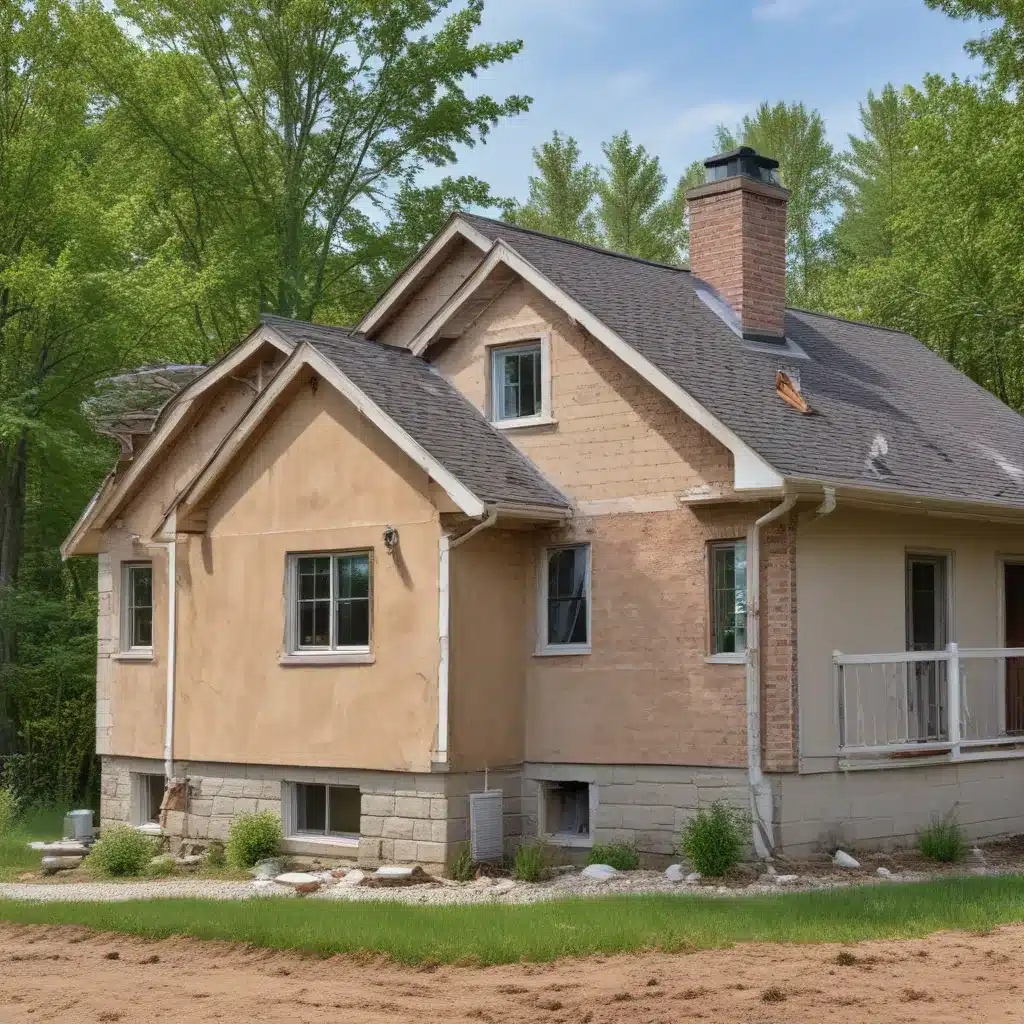
Uncovering the Hidden Dangers of Radon: A Homeowner’s Guide
Ah, the joys of home renovation! The fresh paint, the gleaming new floors, the sense of pride as you transform your humble abode into a sparkling oasis. But wait, have you considered the invisible threat lurking within your walls? Yes, my friends, I’m talking about the elusive radon gas – the silent killer that could be lurking in your cozy little nook, just waiting to ruin your home improvement dreams.
Now, I know what you’re thinking – “Radon gas? What is this sorcery you speak of?” Well, let me enlighten you. Radon is a naturally occurring radioactive gas that seeps up from the ground and can accumulate in your home, particularly in basements and lower levels. And the scariest part? You can’t see it, smell it, or taste it. It’s like a ninja, just silently infiltrating your personal space and putting your health at risk.
But don’t panic just yet! As a building and renovation company here in Aberdeen, UK, we’ve made it our mission to educate homeowners on the ins and outs of radon and how to protect your property from its sinister clutches. So, strap in, because we’re about to dive deep into the world of this invisible menace.
Understanding Radon: The Basics
Let’s start with the basics, shall we? Radon is a naturally occurring radioactive gas that is formed by the breakdown of uranium in soil, rock, and water. It can be found in virtually any type of building, from cozy cottages to towering skyscrapers. The thing is, radon is present all around us, but it’s the high concentrations that can pose a serious health risk.
Now, you might be wondering, “But how does this radon gas actually get into my home?” Well, it’s a bit of a sneaky process. Radon can seep in through cracks and gaps in the foundation, as well as through the soil and water supply. It can even enter through the building materials used in construction. And the worst part? It can accumulate to dangerously high levels, especially in poorly ventilated areas.
But here’s the kicker – radon is the leading cause of lung cancer among non-smokers. That’s right, folks – this invisible gas can be a real killer. In fact, the World Health Organization estimates that radon exposure is responsible for up to 15% of all lung cancer deaths worldwide. Yikes, right?
So, what’s a homeowner to do? Well, the first step is to understand the risk and take action to protect your property and your family. And that’s where we come in as your trusted building and renovation company.
Testing for Radon: Uncovering the Invisible Threat
Now that you know the basics about radon, it’s time to put on your detective hat and start investigating your home. The only way to know for sure if you have a radon problem is to conduct a thorough testing process.
Here’s how it works: you’ll need to place a radon detector – either a short-term or long-term device – in your home, usually in the lowest livable area, like the basement or ground floor. These detectors will measure the radon levels over a specific period of time, usually between a few days to a few months, depending on the type of test.
Once the testing is complete, you’ll receive the results, which will reveal the radon concentration in your home. The Environmental Protection Agency (EPA) recommends taking action if the radon levels exceed 4 picocuries per liter (pCi/L) of air. Anything above that threshold is considered a high-risk situation that needs to be addressed.
Now, I know what you’re thinking – “But what if my home is a radon hotspot?” Don’t worry, my friends, we’ve got your back. As a building and renovation company, we’ve got the expertise and experience to help you navigate this tricky situation.
Radon Mitigation: Protecting Your Home and Your Health
Alright, so you’ve done the testing and the results are in – your home has a serious radon problem. Don’t panic! There are effective ways to mitigate the issue and keep your family safe.
First and foremost, we recommend hiring a professional radon mitigation contractor to assess the situation and implement the appropriate solution. These experts know the ins and outs of radon remediation and can help you choose the most effective and cost-efficient approach.
One of the most common and effective radon mitigation methods is the installation of a sub-slab depressurization system. This involves placing a vent pipe underneath your home’s foundation and using a fan to draw the radon-laden air from the soil and expel it outside, away from your living spaces. It’s like a little superhero team, working tirelessly to keep the radon goblins at bay.
But that’s not the only option. Depending on the specifics of your home, we may also recommend sealing cracks and gaps in the foundation, improving ventilation, or even installing a radon-resistant barrier during construction. The key is to tailor the solution to your unique situation and ensure that the radon levels are reduced to a safe and acceptable level.
And let me tell you, the peace of mind that comes with a radon-free home is priceless. Imagine being able to enjoy your renovated space without constantly worrying about the invisible threat lurking in the shadows. It’s a game-changer, folks.
The Cost of Radon Mitigation: Investing in Your Family’s Health
Now, I know what you’re thinking – “Radon mitigation? That sounds expensive.” And you’re not wrong. Dealing with a radon problem can definitely put a dent in your home improvement budget. But trust me, it’s a cost worth considering, especially when it comes to protecting your family’s health.
The average cost of radon mitigation in the UK ranges from £800 to £2,000, depending on the size of your home and the complexity of the system required. Sounds like a lot, doesn’t it? But when you compare that to the potential cost of lung cancer treatment, it’s a bargain.
Think about it this way – a single round of chemotherapy can cost upwards of £30,000, and that’s just the tip of the iceberg. Throw in hospital stays, lost wages, and the emotional toll on your loved ones, and you’re looking at a financial and personal nightmare.
But here’s the thing – radon mitigation is a one-time investment that can pay dividends for years to come. Once the system is installed, it’ll keep on working hard to keep your home safe, day in and day out. And let’s not forget the added peace of mind that comes with knowing your family is protected from this invisible threat.
So, while the upfront cost may seem daunting, just remember – you’re not just spending money on a home improvement project, you’re investing in the health and well-being of the people you love the most. And in my book, that’s a pretty darn good deal.
Radon and Home Renovations: A Delicate Balance
Now, let’s talk about the elephant in the room – how does radon factor into your home renovation plans? After all, you’ve got big dreams of transforming your space, and the last thing you want is for some pesky gas to rain on your parade.
The good news is that radon and home renovations can actually work hand-in-hand, as long as you know what you’re doing. You see, certain renovation projects, like basement finishing or foundation work, can actually provide the perfect opportunity to address any radon issues in your home.
For example, let’s say you’re planning to convert your dark, damp basement into a cozy family room. Well, guess what? That’s the perfect time to have a radon mitigation system installed. By integrating the radon-fighting tech into the renovation, you can kill two birds with one stone – improving the livability of your home while also safeguarding your family’s health.
But it’s not just about new construction. Even if you’re tackling a simple cosmetic update, like a fresh coat of paint or new flooring, it’s always a good idea to have a radon test done first. That way, you can identify any issues and address them before they become a bigger problem down the line.
And let’s not forget about the added benefits of radon mitigation when it comes to resale value. Savvy homebuyers these days are well-aware of the radon threat, and they’ll be more likely to snatch up a property that’s been proactively protected. It’s a win-win situation, my friends!
So, as you embark on your home renovation journey, keep radon top of mind. Work with your building and renovation team to develop a holistic approach that addresses both your aesthetic goals and your family’s health and safety. After all, a beautiful home is nothing if it’s not a safe one.
Radon and Real Estate: Navigating the Disclosure Minefield
Alright, let’s talk about the elephant in the room – radon and real estate. It’s a topic that can make even the most seasoned homeowners break out in a cold sweat. But fear not, my friends, because we’re here to guide you through the minefield.
You see, when it comes to buying or selling a property, the issue of radon disclosure can be a tricky one. In the UK, there is no legal requirement for homeowners to disclose radon test results or known radon issues. However, many real estate professionals and home inspectors will strongly recommend that sellers be upfront about any radon concerns.
Now, I know what you’re thinking – “But what if I’m the one buying a home? How do I protect myself?” Well, the key is to do your due diligence. Before you even step foot in a potential new home, make sure to ask the seller about any radon testing or mitigation that’s been done. And don’t be afraid to request a radon inspection as part of your home-buying process.
And let’s not forget about the potential impact on home values. Studies have shown that properties with known radon issues can actually sell for less than their radon-free counterparts. So, if you’re a seller, it might be worth your while to address any radon problems before you list your home on the market.
But here’s the thing – it’s not all doom and gloom. In fact, many savvy homebuyers are actually seeing radon mitigation as a selling point. They know that a home with a properly installed radon system is a home that’s been well-cared for and prioritizes the health and safety of its occupants. It’s a selling point that can really set your property apart in a crowded market.
So, whether you’re buying or selling, it’s crucial to approach the radon issue with a clear head and a strategic plan. Work closely with your real estate agent and your building and renovation team to ensure that you’re making informed decisions and protecting your investment. After all, a little bit of radon know-how can go a long way in the cutthroat world of real estate.
Radon and the Environment: A Holistic Approach
As we wrap up our deep dive into the world of radon, it’s important to take a step back and consider the bigger picture. You see, this invisible gas isn’t just a threat to our homes and our health – it’s also a crucial environmental concern that we can’t afford to ignore.
One of the most significant environmental impacts of radon is its contribution to greenhouse gas emissions. When radon is released into the atmosphere, it can contribute to the overall levels of radioactive particles in the air. And as we all know, these emissions can have far-reaching consequences on our planet’s delicate ecosystem.
But it’s not just about the big-picture stuff. Radon can also have a direct impact on the local environment, particularly when it comes to groundwater contamination. You see, as radon seeps up from the soil, it can also find its way into our water supply, potentially exposing entire communities to this invisible threat.
That’s why it’s so important to take a holistic approach to radon mitigation. It’s not just about protecting your own home – it’s about being a responsible steward of the environment and doing your part to safeguard the health and well-being of your entire community.
So, as you embark on your home renovation journey, I encourage you to think about the bigger picture. Work with your building and renovation team to explore eco-friendly radon mitigation strategies that minimize the impact on the environment. After all, a healthy home and a healthy planet go hand-in-hand.
Conclusion: Embracing Radon Awareness for a Brighter Future
Well, there you have it, folks – the inside scoop on radon gas and how it can impact your home renovation plans. From the basics of understanding this invisible threat to the ins and outs of radon mitigation, we’ve covered it all.
But you know what’s the most important takeaway from all of this? It’s the power of awareness. By educating ourselves and our communities about the dangers of radon, we can take proactive steps to protect our homes, our health, and our environment.
As a building and renovation company here in Aberdeen, UK, we’re passionate about empowering homeowners to make informed decisions. We want you to feel confident in your ability to tackle any radon challenges that may arise, whether you’re embarking on a major renovation or just doing a quick cosmetic update.
So, the next time you’re pondering that shiny new kitchen or that gorgeous master suite, make sure to keep radon top of mind. Work closely with your renovation team to develop a holistic strategy that addresses this invisible threat and keeps your family safe. Trust me, it’s a small investment that can pay massive dividends in the long run.
Remember, a healthy home is a happy home. And with the right tools and the right team in your corner, you can create a space that’s not just beautiful, but also safe and secure. So, let’s raise a glass (of radon-free water, of course) to a brighter, healthier future – one where the only thing we have to worry about is picking out the perfect paint color.


