
Understanding the Importance of Wall Insulation
As the chill of winter starts to creep in, I can’t help but think about the state of my home’s insulation. It’s one of those fundamental aspects of our living spaces that often goes unnoticed, until you start shivering from the draft seeping through the walls. But let me tell you, finding the right wall insulation material can make all the difference in keeping your home cozy and energy-efficient.
You see, I’ve been through the insulation woes myself. A few years back, I bought a lovely old townhouse in Aberdeen that was in desperate need of some TLC. The walls were thin, the windows were drafty, and my heating bills were through the roof. It was a real challenge, but I was determined to turn this place into a warm, comfortable haven.
That’s when I started my deep dive into the world of wall insulation. I pored over endless articles, consulted with experts, and even got my hands dirty testing out different materials. It was a journey, let me tell you, but I emerged with a wealth of knowledge that I’m excited to share with you today.
Exploring the Top Wall Insulation Options
So, what are the best wall insulation materials out there? Well, it really depends on your specific needs and the unique characteristics of your home. But let me give you the lowdown on some of the top contenders.
Fiberglass Insulation
Ah, the classic fiberglass insulation. This tried-and-true material has been a staple in homes for decades, and for good reason. It’s relatively inexpensive, easy to install, and boasts impressive thermal performance. I’ve used it in a few of my renovation projects, and I’ve found that it does a great job of keeping the cold air out and the warm air in.
One thing to note, though, is that fiberglass can be a bit tricky to work with. The tiny glass fibers can be irritating to the skin and lungs, so you’ll need to take proper precautions during installation. But if you’re willing to put in the effort, fiberglass can be a real game-changer for your home’s energy efficiency.
Spray Foam Insulation
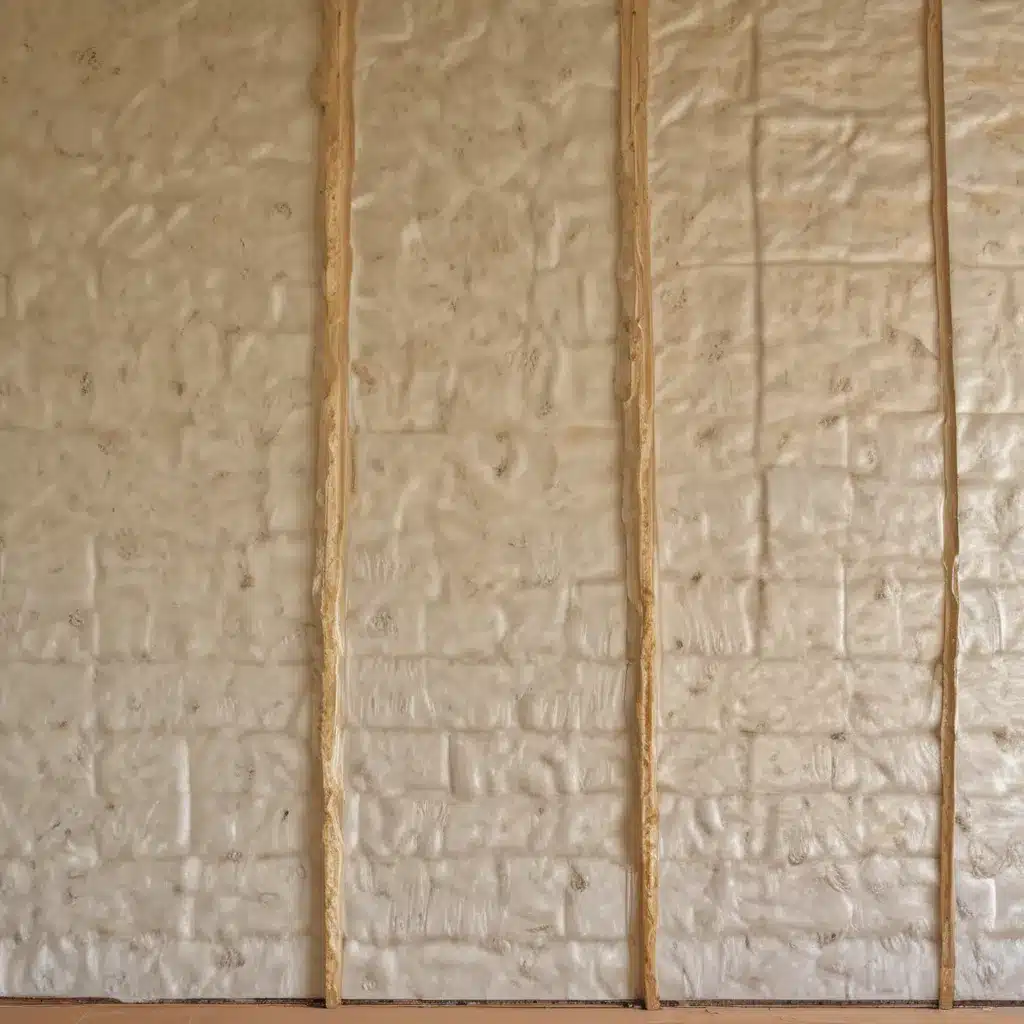
Now, if you really want to take your insulation game to the next level, you might want to consider spray foam. This stuff is like the superhero of insulation materials. It’s highly effective at sealing even the tiniest cracks and crevices, providing a near-airtight barrier that can significantly reduce your heating and cooling costs.
The installation process is a bit more involved than with fiberglass, as it requires professional application. But the results speak for themselves. I’ve seen spray foam insulation transform drafty, energy-guzzling homes into cozy, efficient havens. Plus, it’s incredibly versatile, so you can use it in walls, attics, and even crawl spaces.
Rigid Foam Insulation
If you’re looking for a more DIY-friendly option, rigid foam insulation might be the way to go. This stuff comes in sheets or boards that you can easily cut to size and fit into your wall cavities. It’s highly effective at insulating, and it can also provide a layer of protection against moisture and air leaks.
One of the things I love about rigid foam is its versatility. You can choose from a variety of materials, like expanded polystyrene (EPS) or extruded polystyrene (XPS), each with its own unique properties and performance characteristics. And because it’s relatively easy to install, it’s a great option for homeowners who want to take on a DIY project.
Natural Insulation Materials
If you’re looking to go the more eco-friendly route, you might want to consider natural insulation materials like wool, cotton, or cellulose. These materials are made from renewable resources and can be just as effective as their synthetic counterparts.
For example, I recently worked on a project where we used sheep’s wool insulation in the walls. Not only did it provide excellent thermal and acoustic insulation, but it also had the added benefit of being naturally breathable and moisture-resistant. Plus, it’s a great way to support local businesses and reduce your carbon footprint.
Factors to Consider When Choosing Wall Insulation
Now that you’ve got a quick overview of some of the top wall insulation materials, it’s time to start thinking about which one might be the best fit for your home. But before you make a decision, there are a few key factors you’ll want to consider.
Climate and Environment
One of the most important things to think about is the climate and environment in which your home is located. If you live in a particularly cold or hot region, you’ll need an insulation material that can effectively regulate the temperature and keep your home comfortable year-round.
For example, if you’re in a cold, damp climate like Aberdeen, you might want to prioritize insulation materials that are moisture-resistant and can prevent the formation of mold and mildew. On the other hand, if you’re in a hot, arid climate, you might want to focus on insulation that can help keep your home cool and reduce your reliance on air conditioning.
Energy Efficiency and Cost-Savings
Another crucial factor to consider is the energy efficiency and cost-savings potential of the insulation material. After all, one of the primary reasons we invest in insulation is to reduce our energy bills and minimize our environmental impact.
When evaluating different insulation options, be sure to look at their R-value, which is a measure of their thermal resistance. The higher the R-value, the more effective the insulation will be at keeping heat in (or out, depending on the season). You’ll also want to consider the long-term cost savings, as some materials may have a higher upfront cost but pay off in the long run with lower energy bills.
Ease of Installation
Let’s not forget about the practical side of things. The ease of installation is a crucial factor, especially if you’re planning on tackling the project yourself. Some insulation materials, like spray foam, require professional installation, while others, like fiberglass or rigid foam, can be a bit more DIY-friendly.
Think about your own skill level and the tools and equipment you have access to. If you’re not comfortable with the installation process, it might be worth considering a material that’s a bit easier to work with, or hiring a professional insulation contractor to handle the job.
Sustainability and Environmental Impact
Last but not least, you may want to consider the sustainability and environmental impact of the insulation material. After all, as a responsible homeowner, you probably want to make choices that are good for both your wallet and the planet.
Look for insulation made from renewable, natural, or recycled materials, like wool, cotton, or cellulose. These options not only have a lower carbon footprint but can also provide additional benefits, like improved indoor air quality and natural fire resistance.
Putting it All Together: Choosing the Best Wall Insulation for Your Home
Alright, now that you’ve got a solid understanding of the top wall insulation materials and the key factors to consider, it’s time to put it all together and make a decision.
When it comes to my own home, I’ve found that a combination of spray foam and rigid foam insulation has been the most effective solution. The spray foam provides an airtight seal and exceptional thermal performance, while the rigid foam adds an extra layer of protection and helps to maximize the overall R-value.
But of course, your home and needs may be different. Perhaps fiberglass is the way to go for your climate and budget, or maybe natural insulation materials are more aligned with your sustainability goals. The important thing is to do your research, weigh the pros and cons, and choose the option that will give you the best results in terms of energy efficiency, comfort, and long-term cost savings.
And remember, if you need any help along the way, our team at ABC Home Builders is always here to lend a hand. Whether you’re tackling a DIY insulation project or need a professional installation, we’ve got the expertise and resources to make sure your home is cozy, efficient, and ready to take on whatever the elements throw its way.
So, what are you waiting for? Let’s get started on making your home the warm, comfortable oasis it deserves to be!


