
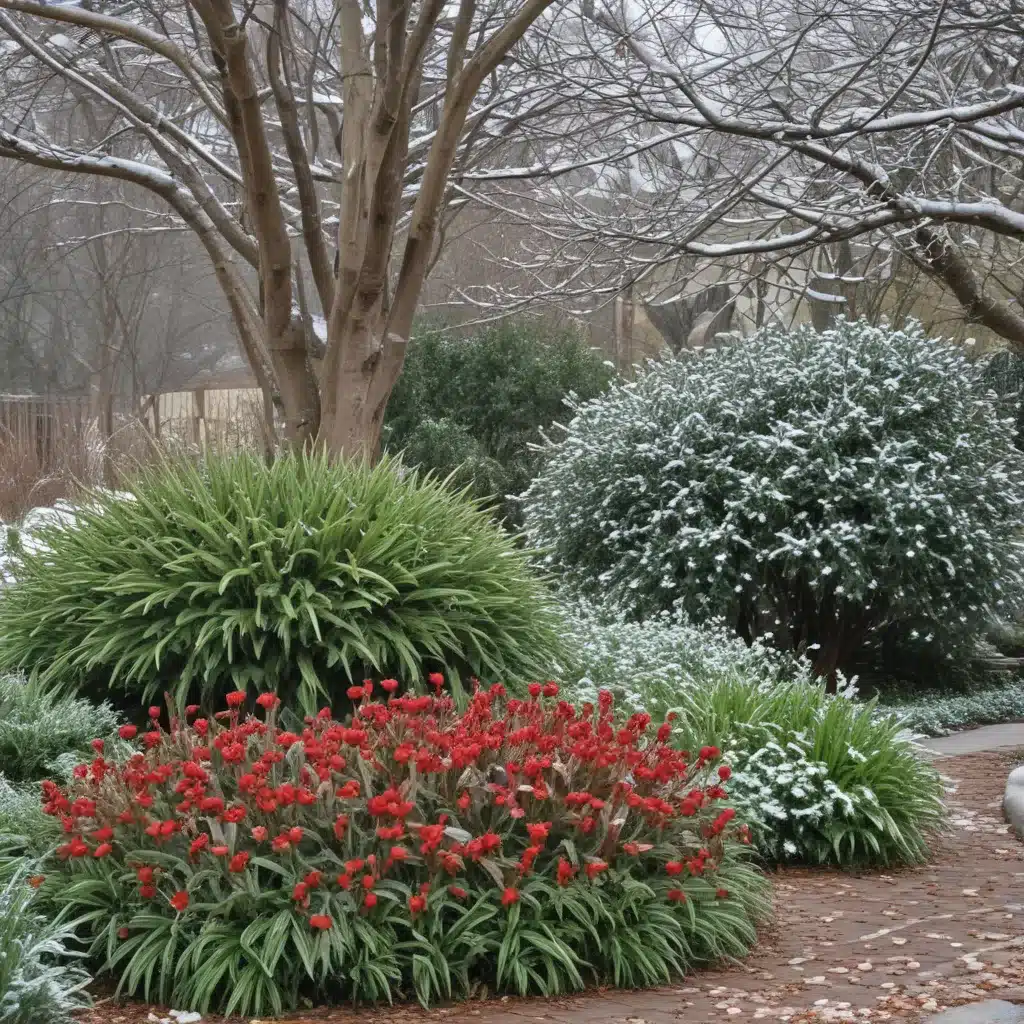
Embracing the Enchantment of Winter Landscapes
As the days grow shorter and the air grows crisper, many of us find ourselves eagerly anticipating the arrival of spring and the vibrant blooms that come with it. However, I would argue that there’s a certain magic to be found in the winter landscape that deserves our appreciation. Let me take you on a journey through the wonders of winter interest plants and design elements that can bring year-round beauty to your outdoor spaces.
You see, I’ve always been the type of person who thrives in the coziness of the colder months. There’s something about the muted tones, the soft light, and the sense of tranquility that just speaks to my soul. And as a building and renovation company serving the Aberdeen community, I’ve had the privilege of helping countless clients transform their outdoor areas into enchanting winter wonderlands.
One of my favorite things about working with winter interest plants is the way they can add texture, structure, and visual interest to a landscape, even when the majority of the greenery has gone dormant. Take, for example, the striking silhouettes of bare-branched trees and shrubs. The gnarled, twisting forms of an old crabapple or the graceful, arching stems of a contorted filbert can be absolute showstoppers, casting mesmerizing shadows on a fresh blanket of snow.
And let’s not forget about the sheer variety of evergreen options available. From the lush, deep-green foliage of boxwoods and hollies to the silvery-blue hues of junipers and blue atlas cedars, these hardy plants can provide a sense of cozy permanence amidst the seasonal changes. And let’s not forget about the delightful pops of color that can come from the berries of winterberry or the bright red stems of red-twig dogwoods.
But winter interest isn’t just about the plants themselves – it’s also about the design elements that can enhance and complement them. Thoughtfully placed boulders, for instance, can add a sense of grounding and stability, while strategically placed garden structures like pergolas or trellises can create a beautiful framework for vines and climbing plants to showcase their winter silhouettes.
And let’s not forget about the enchanting role that water features can play in a winter landscape. The gentle trickle of a recirculating fountain or the mesmerizing movement of a bubbling stream can add a soothing, meditative element to an outdoor space, even as the temperatures drop.
Of course, as with any landscape design, it’s important to carefully consider the specific conditions and microclimates of your site. Not every plant will thrive in every location, and it’s crucial to do your research and choose species that are well-suited to your local growing conditions. But with a little bit of planning and creativity, I can assure you that the rewards of a winter-focused landscape are more than worth the effort.
Cultivating a Year-Round Oasis: Evergreen Superstars
One of the true joys of working with winter interest plants is the opportunity to create a sense of year-round permanence and structure in a landscape. And when it comes to achieving this, few plant groups shine as brightly as the evergreens.
Now, I know what you might be thinking – “Evergreens? Aren’t those just the boring, ubiquitous conifers that line every suburban street?” Well, my friends, let me enlighten you about the incredible diversity and beauty that the evergreen world has to offer.
Take, for instance, the stately grandeur of the blue atlas cedar, with its sweeping, silvery-blue foliage and majestic, pyramidal form. Or the lush, deep-green elegance of the Japanese holly, with its glossy leaves and compact, rounded habit. And let’s not forget about the charming, whimsical appeal of the contorted filbert, with its twisted, gnarly branches that almost seem to dance in the winter wind.
But it’s not just the trees and shrubs that deserve our attention. The world of evergreen perennials is equally captivating, offering a wealth of options for adding texture, color, and visual interest to your outdoor spaces. Consider the bold, architectural presence of the blue-grey sedum, or the delicate, needle-like foliage of the Scotch heather – both of which can provide a striking contrast to the bare branches of their deciduous neighbors.
And let’s not forget about the ever-versatile and ever-practical boxwood. This humble little shrub may not be the showiest player on the field, but its reliable, year-round greenery and effortless ability to be shaped and sculpted make it an absolute essential in the winter garden. Whether used as a crisp, formal hedge or as a sculptural accent, boxwoods can provide a sense of grounding and structure that helps to anchor the entire design.
But of course, the real magic happens when you start combining these evergreen superstars, playing with their varied textures, colors, and forms to create truly captivating vignettes. Imagine, if you will, the deep emerald of a Japanese holly underplanted with the silvery-blue rosettes of a sedum, all framed by the graceful, arching branches of a contorted filbert. Or picture a stately blue atlas cedar, its sweeping boughs festooned with the vibrant red berries of a winterberry.
The possibilities are truly endless, and the key is to approach your evergreen selections with the same level of care and consideration that you would with your springtime blooms. Pay attention to the unique growth habits and cultural requirements of each plant, and arrange them in a way that highlights their individual strengths while also creating a cohesive, harmonious whole.
And who knows – you might just find that your winter garden ends up stealing the show, becoming the envy of the entire neighborhood. After all, there’s nothing quite like the satisfaction of creating a true year-round oasis, a space that delights the senses and lifts the spirits, no matter the season.
Embracing the Element of Surprise: Dramatic Silhouettes and Textures
As much as I adore the lush, verdant vibrancy of springtime and the explosion of color that summer brings, there’s something to be said for the more muted, understated beauty of the winter landscape. It’s a time of year when the bones of the garden are laid bare, revealing a wealth of captivating silhouettes and textures that can often get overshadowed by the showy floral displays of the warmer months.
And let me tell you, my friends, I’ve seen some truly breathtaking examples of this in my work as a building and renovation professional serving the Aberdeen community. Take, for instance, the striking, gnarled silhouette of an ancient crabapple tree, its twisted branches casting mesmerizing shadows on a fresh blanket of snow. Or the graceful, arching stems of a contorted filbert, their delicate twists and turns reflecting the soft, silvery light of a winter dawn.
These are the kinds of plants that, in my humble opinion, deserve to be celebrated and showcased. They may not grab your attention with vibrant blooms or lush foliage, but they possess a quiet, understated elegance that can be utterly captivating when given the right stage.
And it’s not just the plants themselves that can add this element of drama and intrigue to a winter landscape. The judicious use of other design elements, such as sculptural boulders or towering garden structures, can also play a crucial role in creating a sense of visual interest and excitement.
Imagine, if you will, a serene, snow-covered garden, punctuated by the imposing, weathered presence of a large, moss-covered boulder. Or picture a simple, minimalist pergola, its bare wooden beams and columns casting delicate, lace-like shadows on the ground below. These are the kinds of features that can transform a ho-hum winter scene into a true work of art, beckoning the viewer to linger and explore.
Of course, the key to pulling off this kind of dramatic, textural approach is all about striking the right balance. You don’t want to overwhelm the senses with too much visual stimulation, but rather, to create a sense of thoughtful, intentional design that invites the eye to wander and discover. It’s about finding those perfect moments of contrast and juxtaposition – the sharp, spiky silhouette of a yucca against the smooth, rounded form of a boulder, or the intricate, lacy shadows of a pergola against the clean, crisp lines of a boxwood hedge.
And let me tell you, when you get it right, the results can be truly magical. Suddenly, a seemingly bare and lifeless landscape comes alive with a sense of drama and intrigue, each element working in harmony to create a captivating, year-round display that delights the senses and nourishes the soul.
So, the next time you find yourself gazing out at your winter garden, I challenge you to look beyond the obvious. Embrace the beauty of those stark, sculptural silhouettes and the enchanting interplay of light and shadow. Because trust me, my friends, the true magic of the winter landscape lies in the unexpected – and it’s a wonder that’s just waiting to be discovered.
Bringing the Outdoors In: Incorporating Winter Interest Indoors
As the days grow shorter and the temperatures drop, it’s only natural that we start to spend more time cocooned indoors, seeking refuge from the chill of the great outdoors. But just because we’re no longer actively engaged with our gardens doesn’t mean we have to completely disconnect from the natural world. In fact, I’d argue that incorporating elements of winter interest into our indoor spaces can be an absolute game-changer, helping to bridge the seasonal divide and maintain a sense of connection to the changing rhythms of the year.
One of my favorite ways to bring the outdoors in is through the strategic placement of evergreen branches and foliage. A simple arrangement of fragrant pine, spruce, or fir cuttings can instantly transform a space, infusing it with the crisp, woodsy aromas and striking silhouettes of the winter landscape. And the best part? These natural elements can be easily repurposed and refreshed throughout the season, allowing you to continuously evolve and adapt your indoor décor.
But evergreens aren’t the only way to get your winter fix indoors. The striking, bare-branched forms of deciduous trees and shrubs can also make for captivating sculptural accents, whether displayed solo in a simple vase or incorporated into a more elaborate floral arrangement. Imagine the graceful, arching stems of a contorted filbert or the gnarled, twisted limbs of an ancient crabapple, casting their mesmerizing shadows on the walls of your living room.
And let’s not forget about the enchanting role that dried botanical elements can play. From the delicate, papery blooms of hydrangeas to the whimsical, feathery seed heads of ornamental grasses, these natural treasures can add a sense of timeless, rustic beauty to any indoor setting. They’re the perfect way to bring a touch of that winter magic into your home, without having to brave the chilly outdoor temperatures.
Of course, the true magic happens when you start to experiment with combining these various winter elements, playing with contrasts of color, texture, and form to create truly captivating vignettes. Imagine, if you will, a serene arrangement of silvery-grey eucalyptus leaves, punctuated by the vibrant red berries of a winterberry branch. Or a striking centerpiece featuring the dramatic silhouettes of bare-branched curly willow, enhanced by the feathery plumes of dried pampas grass.
And let’s not forget about the role that lighting can play in elevating these indoor winter displays. The soft, warm glow of candlelight can lend an extra layer of coziness and ambiance, while strategically placed lamps can help to accentuate the intricate textures and shadows of your natural elements.
But the beauty of this indoor-outdoor connection isn’t just about the aesthetics – it’s also about the way it can nourish our senses and our souls. By surrounding ourselves with the natural elements that define the winter season, we can tap into a sense of grounding and tranquility that can be so elusive during the busier, more frenetic times of the year. It’s a way to slow down, to savor the simple pleasures of the moment, and to find a sense of peace and rejuvenation, even amidst the chill of the great outdoors.
So, the next time you find yourself longing for that connection to the natural world, I encourage you to get creative and start incorporating those elements of winter interest into your indoor spaces. Trust me, the rewards will be more than worth the effort – and you just might find that your home becomes a true haven of seasonal enchantment, a cozy oasis that nourishes the senses and soothes the soul.
Embracing the Unexpected: Unconventional Winter Wonders
As a building and renovation professional serving the Aberdeen community, I’ve had the privilege of working with countless clients who have come to me with a clear vision for their dream outdoor spaces. And more often than not, that vision tends to revolve around the lush, vibrant displays of spring and summer – the bursts of color, the cascading blooms, the verdant foliage that seems to just shout “life!” from every corner of the garden.
But here’s the thing: while those warm-weather spectacles certainly have their place, I’ve found that some of the most captivating and memorable outdoor spaces are the ones that embrace the unexpected beauty of the winter landscape. And I’m not just talking about the tried-and-true evergreens or the dramatic silhouettes of bare-branched trees – I’m talking about the truly unconventional, off-the-beaten-path wonders that have the power to surprise and delight.
Take, for instance, the whimsical, almost alien-like forms of ornamental grasses in their winter dormancy. As the lush, verdant blades give way to delicate, feathery seed heads, these plants can take on an entirely new character – one that is simultaneously ethereal and structural, captivating the eye with their intricate, airy textures.
Or consider the bold, architectural presence of succulent plants like agave and yucca. While these spiky, sculptural beauties may not be the first thing that comes to mind when you think of winter-friendly flora, their resilient, evergreen foliage and striking silhouettes can actually make them incredibly well-suited for year-round display. Imagine the dramatic contrast of their sharp, spiky forms against a backdrop of freshly fallen snow – it’s a pairing that’s sure to stop passersby in their tracks.
And let’s not forget about the enchanting role that ornamental kale and cabbage can play in a winter landscape. These humble brassicas may not be the showiest of plants, but their vibrant, jewel-toned leaves and sculptural, rosette-like forms can add a wonderful pop of color and textural interest to any outdoor setting. Pair them with the silvery-blue hues of a juniper or the fiery red stems of a dogwood, and you’ve got a recipe for a truly mesmerizing winterscape.
But it’s not just the plants themselves that can offer up unexpected delights – the strategic use of unconventional design elements can also play a crucial role in creating a truly one-of-a-kind winter oasis. Take, for instance, the incorporation of bold, sculptural focal points like towering bamboo screens or whimsical metal sculptures. These unexpected additions can help to anchor a space, drawing the eye and adding a sense of drama and intrigue that might otherwise be lacking.
And let’s not forget about the role that recycled or repurposed materials can play in a winter landscape. From the weathered, rustic charm of an old wooden bench to the industrial-chic appeal of a steel fire pit, these elements can infuse a space with a sense of unique character and personality that simply can’t be achieved with off-the-shelf garden accoutrements.
Ultimately, I believe that embracing the unconventional and unexpected is the key to creating truly memorable and engaging winter landscapes. It’s about having the courage to step outside of the proverbial box, to experiment with unorthodox pairings and to let your own personal style and sensibilities shine through. Because when you do, the rewards can be truly magnificent – a winter wonderland that captivates the senses, inspires the imagination, and leaves a lasting imprint on all who experience it.
So, my friends, I challenge you to look at your outdoor spaces with fresh eyes this winter. Forget about the tried-and-true, and instead, let your inner adventurer run wild. Who knows what unexpected delights you might uncover when you dare to embrace the unconventional?
Conclusion: Cultivating a Year-Round Oasis of Wonder
As I reflect back on our journey through the enchanting world of winter interest plants and design elements, I can’t help but feel a profound sense of awe and appreciation for the sheer beauty and diversity that the colder months have to offer. Sure, the vibrant blooms and lush greenery of spring and summer may grab the lion’s share of our attention, but I truly believe that there’s a quiet, understated magic to be found in the winter landscape that is equally deserving of our admiration and celebration.
You see, what I’ve come to discover through my work as a building and renovation professional is that the key to creating truly remarkable outdoor spaces lies not just in the careful selection and arrangement of plants, but in the willingness to embrace the unexpected and the unconventional. It’s about having the courage to step outside of the traditional mold, to experiment with bold juxtapositions and to let your own personal style and sensibilities shine through.
And when you do, the rewards can be truly astounding. Imagine, if you will, a winter garden that captivates the senses with its striking silhouettes and mesmerizing textures – a serene oasis of evergreen grandeur, punctuated by


