
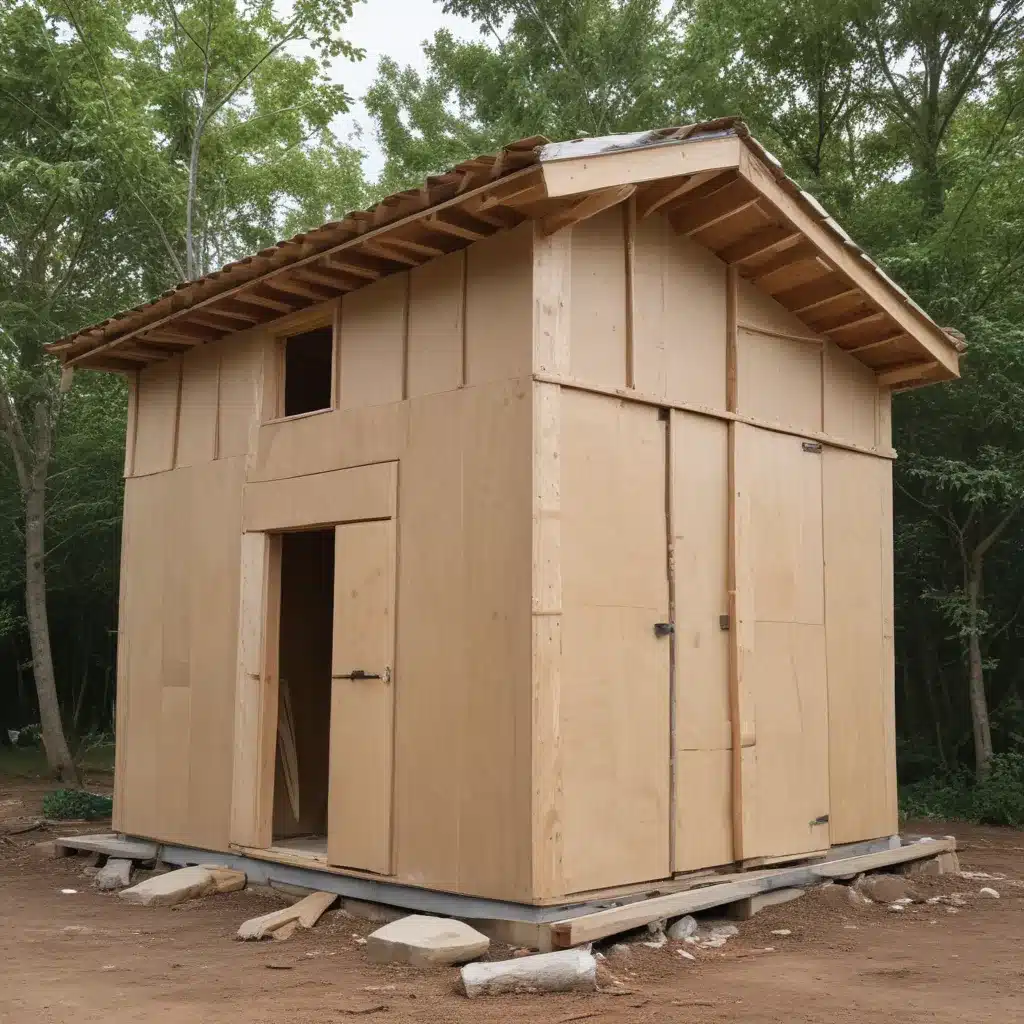
Rethinking the Building Process
Picture this – a construction site where not a single scrap of material goes to waste. Where every bolt, beam, and brick is carefully considered, reused, and recycled. Sounds like a dream, right? Well, my friends, this dream is rapidly becoming a reality thanks to the concept of zero waste building.
As an architect, I’ve seen firsthand the staggering amount of waste generated by the construction industry. It’s a sobering statistic that in Brazil, construction waste represents 50% to 70% of the total waste generated. That’s a massive burden on our planet, and it’s time we did something about it.
Enter zero waste building – a holistic approach that aims to minimize waste at every stage of the construction process. It’s a philosophy that’s rooted in sustainability, resource efficiency, and a deep respect for our environment. And as architects, we have a unique opportunity to be at the forefront of this revolution.
The Circular Economy: Closing the Loop
At the heart of zero waste building is the concept of the circular economy. Instead of the traditional linear model of “take, make, waste,” the circular economy is all about keeping resources in use for as long as possible, extracting the maximum value from them, and then recovering and regenerating products and materials at the end of their lifespan.
As the article on ugreen.io eloquently puts it, “It is inspired by natural mechanisms that work in a continuous process of production, resorption, and recycling, self-managing and regulating themselves naturally, where waste is the input for the production of new products.”
Imagine a world where the materials used to construct a building don’t just end up in a landfill when the structure reaches the end of its life. Instead, they’re carefully dismantled, repurposed, and integrated into the creation of something new. It’s a circular system that mimics the natural cycles of our planet, and it’s the foundation upon which zero waste building is built.
Designing for Disassembly and Adaptability
One of the key aspects of zero waste building is the concept of designing for disassembly. This means creating buildings and components that can be easily taken apart and reassembled, allowing for the efficient reuse or recycling of materials.
As the ugreen.io article points out, this involves the use of modular components, mechanical fasteners instead of adhesives, and clear labeling and documentation to facilitate the disassembly process. By making it easier to separate and reclaim materials, we can dramatically reduce the amount of waste that ends up in landfills.
But it’s not just about disassembly – zero waste building also emphasizes the importance of adaptability. Designing spaces that can easily be reconfigured to accommodate changing needs and functions is crucial. This might involve creating open floor plans, using movable partitions, or incorporating standardized components that can be easily swapped out.
Imagine a building that can seamlessly transition from a bustling office to a cozy residential space, or a school that can adapt to the evolving needs of its students over the decades. By prioritizing flexibility and modularity, we can ensure that our buildings continue to serve their purpose for years to come, minimizing the need for costly and wasteful renovations.
Waste Prevention: The First Line of Defense
Of course, the best way to deal with waste is to prevent it from happening in the first place. That’s why zero waste building places a strong emphasis on waste prevention through meticulous design and construction practices.
The ugreen.io article highlights several key strategies, including lean construction, efficient material use, and prefabrication. By streamlining processes, optimizing material usage, and embracing modular construction techniques, we can dramatically reduce the amount of waste generated during the building process.
And it’s not just about the construction phase – energy-efficient design plays a crucial role as well. Incorporating passive design elements, high-performance building systems, and renewable energy sources can help minimize the resource consumption and environmental impact of a building over its entire lifespan.
Reuse, Recycle, and Recover
Of course, even with the best waste prevention strategies, there will always be some materials that can’t be avoided. That’s where the other “R’s” of zero waste building come into play: reuse, recycle, and recover.
As the ugreen.io article explains, reusing existing materials and components is a fantastic way to reduce waste and conserve resources. Whether it’s repurposing salvaged wood, incorporating reclaimed bricks, or transforming an old factory into a modern office space, the opportunities for reuse are endless.
When reuse isn’t an option, recycling is the next best thing. By choosing materials that can be readily recycled, like aluminum, steel, or certain plastics, we can ensure that these resources continue to circulate within the economy, rather than ending up in a landfill.
And finally, there’s the concept of material recovery – designing buildings with disassembly in mind to facilitate the efficient reclamation of valuable materials at the end of a building’s life. It’s a concept known as “urban mining,” and as the article on ArchDaily explains, it has the potential to transform the way we think about construction waste.
Leading by Example: Inspiring Case Studies
Of course, all of this talk about zero waste building is well and good, but you might be wondering – is it actually possible to put these principles into practice? The answer is a resounding yes, and there are some inspiring examples to prove it.
Take the Bullitt Center in Seattle, Washington, for instance. Designed by the Miller Hull Partnership, this six-story commercial building was constructed to meet the rigorous standards of the Living Building Challenge. As the ugreen.io article highlights, the Bullitt Center incorporates a range of sustainable features, including a green roof, rainwater harvesting, and photovoltaic panels. But perhaps most importantly, it was designed with disassembly in mind, making it easier to reclaim and recycle its materials at the end of its useful life.
Another shining example is the Google Campus in Dublin, Ireland, designed by Camenzind Evolution in collaboration with local partners. As the ugreen.io article notes, this project showcases zero-waste design principles in its interior spaces, prioritizing the use of recycled materials, flexible office layouts, and energy-efficient systems.
These case studies demonstrate that zero waste building is not just a lofty aspiration – it’s a tangible reality that’s being brought to life by forward-thinking architects and designers. And as the demand for sustainable construction continues to grow, I believe we’ll see even more innovative projects that push the boundaries of what’s possible.
Overcoming the Challenges
Of course, implementing zero waste building isn’t without its challenges. As with any significant shift in the way we approach construction, there are hurdles to overcome.
One of the primary obstacles is the higher upfront costs associated with sustainable materials and technologies. As the ugreen.io article points out, however, the long-term financial benefits of reduced waste management costs, lower energy consumption, and decreased maintenance expenses can often offset the initial investment.
Another challenge is navigating the complex web of environmental regulations and building codes. But rather than seeing this as a hindrance, I believe we should view it as an opportunity. By embracing zero waste building principles, we can position ourselves as industry leaders, ensuring compliance with current regulations and staying ahead of future changes.
Fostering collaboration between various stakeholders, such as architects, designers, contractors, and suppliers, can also be a hurdle. As the ugreen.io article suggests, this requires a culture of education and a shared understanding of the importance of sustainable design.
Perhaps the biggest challenge, though, is shifting the mindset of industry professionals, clients, and end-users. Overcoming resistance to change and convincing people of the long-term benefits of zero waste building can be a daunting task. But by showcasing successful projects and demonstrating the tangible advantages, we can help drive the adoption of these sustainable practices.
The Future is Zero Waste
As I look to the future, I can’t help but feel excited about the potential of zero waste building. It’s a philosophy that not only addresses the growing waste crisis but also offers a pathway to a more sustainable, resilient, and equitable built environment.
Imagine a world where every building is designed with disassembly and adaptability in mind, where materials are carefully considered and reused, and where waste is seen as a valuable resource rather than a burden. It’s a future that’s within our reach, but it will take the collective effort of architects, designers, and construction professionals to make it a reality.
At ABC Home & Building, we’re committed to being at the forefront of this zero-waste revolution. By embracing the principles of the circular economy, prioritizing flexibility and material reuse, and continuously innovating, we’re transforming the way we approach construction in Aberdeen and beyond.
So, let’s roll up our sleeves and get to work. The future of our built environment is waiting, and it’s time to build a world where waste is a thing of the past.


