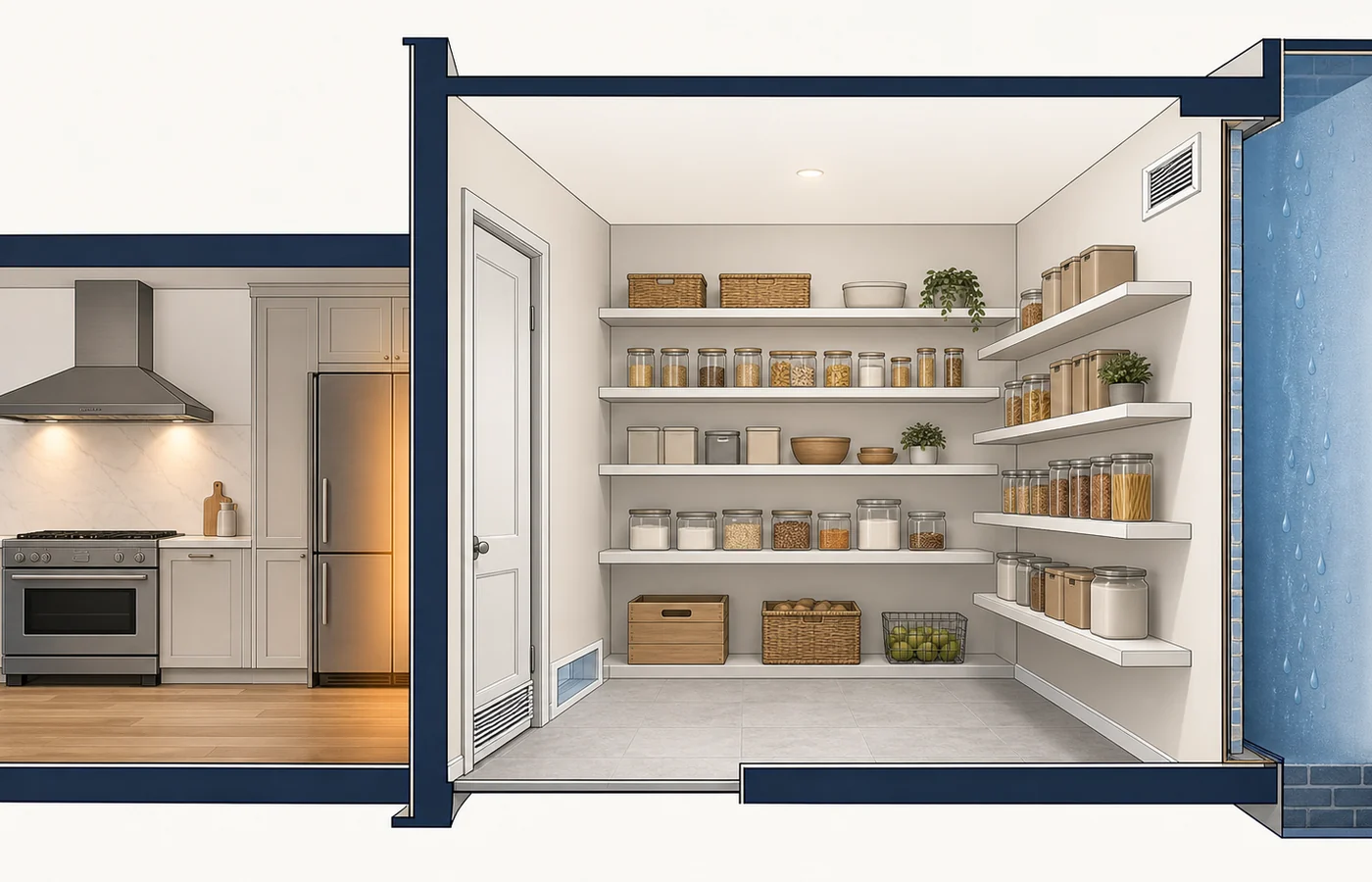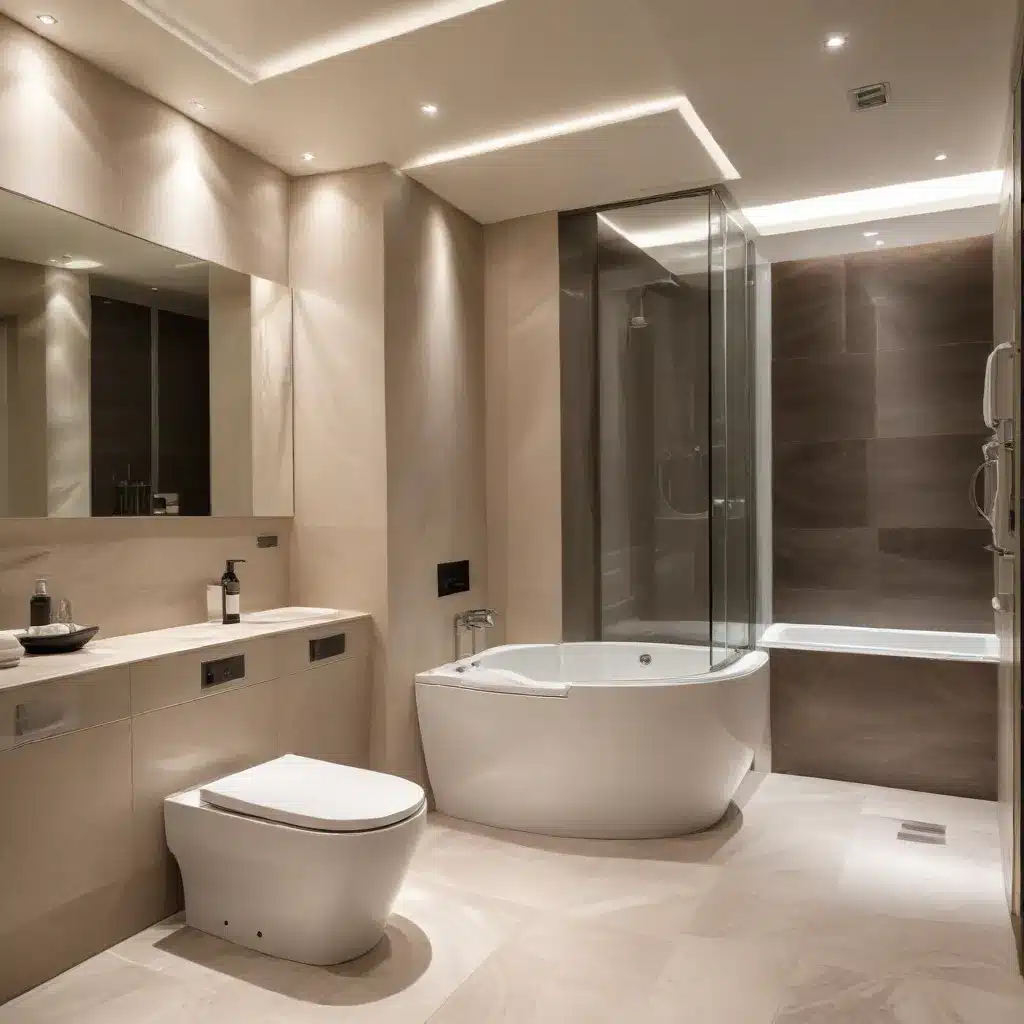
The Importance of Proper Ventilation in Bathroom Spaces
As a seasoned home construction specialist, I’ve seen my fair share of bathroom renovations and new builds. One aspect that often gets overlooked, but is crucial for both comfort and structural integrity, is proper ventilation. In luxury toilet rooms, this becomes even more critical. The high-end finishes and materials used in these spaces demand an environment that’s not just aesthetically pleasing, but also well-regulated in terms of humidity and air quality.
Over the years, I’ve learned that inadequate ventilation can lead to a host of problems. Moisture buildup can cause paint to peel, wallpaper to bubble, and even compromise the structural elements of your bathroom. Not to mention, it creates the perfect breeding ground for mould and mildew, which can be both unsightly and unhealthy.
But it’s not just about preventing problems. Good ventilation contributes to the overall experience of using a luxury bathroom. It helps maintain a fresh atmosphere, reduces odours, and can even help regulate temperature. In my experience, clients who invest in proper ventilation systems for their high-end bathrooms often report a much higher satisfaction with the end result.
Understanding Ventilation Standards for Bathrooms
When it comes to ventilation standards for bathrooms, there are several key factors to consider. These standards aren’t just arbitrary numbers – they’re based on years of research and practical application in the field.
The first thing to understand is the concept of air changes per hour (ACH). This refers to how many times the air in a room is completely replaced within an hour. For bathrooms, the general recommendation is a minimum of 8 ACH. However, for luxury spaces, I often recommend aiming for 10-12 ACH to ensure optimal air quality and moisture control.
Another important standard is the fan capacity, measured in cubic feet per minute (CFM). As a rule of thumb, you should aim for at least 1 CFM per square foot of bathroom space. So, for a 100 square foot bathroom, you’d need a fan with a minimum capacity of 100 CFM. However, for luxury bathrooms, which often feature high ceilings and multiple water sources (shower, tub, etc.), I typically recommend going above this minimum.
It’s also worth noting that these standards can vary depending on local building codes. Always check with your local authorities to ensure you’re meeting or exceeding the required standards.
Selecting the Right Ventilation System for Luxury Bathrooms
Choosing the right ventilation system for a luxury bathroom involves more than just picking the most powerful fan available. It’s about finding a balance between effectiveness, energy efficiency, and aesthetics.
In my experience, one of the best options for luxury bathrooms is an ENERGY STAR certified exhaust fan. These fans are designed to provide effective ventilation while minimizing energy consumption. They’re particularly well-suited for continuous operation, which can be beneficial in maintaining consistent air quality in high-end bathrooms.
When selecting a fan, pay attention to the noise level, measured in sones. For a truly luxurious experience, you’ll want a fan that operates quietly. Look for fans rated at 1.0 sone or less – these are barely audible when running.
Another feature to consider is a humidity sensor. These smart sensors can automatically turn the fan on when humidity levels rise, ensuring optimal moisture control without requiring manual operation. This can be particularly useful in guest bathrooms or spaces that aren’t used frequently.
For larger luxury bathrooms, you might want to consider a multi-point ventilation system. This involves installing multiple smaller fans throughout the space, rather than relying on a single large unit. This approach can provide more even air circulation and can be particularly effective in bathrooms with complex layouts.
Installation Considerations for Bathroom Ventilation Systems
Installing a ventilation system in a luxury bathroom requires careful planning and execution. Based on my experience, here are some key points to keep in mind:
-
Positioning: The fan should be installed in a location that maximizes air circulation. Typically, this means placing it near the shower or bathtub, where most moisture is generated. However, in larger bathrooms, you might need multiple fans or a central fan with multiple intake points.
-
Ducting: Proper ducting is crucial for effective ventilation. The duct should be as short and straight as possible, with minimal bends. It should also be properly insulated, especially if it passes through unheated spaces, to prevent condensation.
-
Exhaust Point: The ventilation system should exhaust to the outside of the house, never into an attic or other enclosed space. This is critical for preventing moisture buildup in your home’s structure.
-
Electrical Considerations: Bathroom fans need to be on a GFCI (Ground Fault Circuit Interrupter) circuit for safety. If you’re installing a fan with additional features like heating or lighting, make sure your electrical system can handle the load.
-
Aesthetics: In a luxury bathroom, the appearance of the ventilation system is important. Look for fans with sleek, low-profile grilles that can blend seamlessly with your bathroom’s design. Some high-end fans even offer customizable covers to match your decor.
Remember, proper installation is key to the performance and longevity of your ventilation system. If you’re not confident in your DIY skills, it’s worth hiring a professional to ensure the job is done correctly.
Maintaining Your Bathroom Ventilation System
Once you’ve installed a high-quality ventilation system in your luxury bathroom, it’s important to maintain it properly to ensure it continues to perform optimally. Here are some maintenance tips I’ve gathered over the years:
-
Regular Cleaning: The fan grille and blades can accumulate dust and debris over time, reducing efficiency. Clean these components at least twice a year using a vacuum or a damp cloth.
-
Check the Ducting: Periodically inspect the ducting for any signs of damage, disconnection, or blockage. This is particularly important if you notice a decrease in the fan’s performance.
-
Listen for Unusual Noises: If you start hearing rattling, scraping, or excessive humming from your fan, it could indicate a problem with the motor or other components. Address these issues promptly to prevent further damage.
-
Test Humidity Sensors: If your fan has a humidity sensor, test it occasionally to ensure it’s working correctly. You can do this by running a hot shower and checking if the fan turns on automatically.
-
Replace Filters: Some high-end ventilation systems include air filters. If yours does, make sure to replace these as recommended by the manufacturer.
-
Professional Inspection: Consider having a professional inspect your ventilation system every few years. They can identify and address any issues that might not be apparent to the untrained eye.
By following these maintenance practices, you can extend the life of your ventilation system and ensure it continues to protect your luxury bathroom from moisture-related issues.
Integrating Ventilation with Other Bathroom Systems
In luxury bathrooms, ventilation doesn’t exist in isolation – it’s part of a larger ecosystem of systems that work together to create a comfortable and functional space. Here’s how ventilation can be integrated with other bathroom features:
-
Heating Systems: Many high-end bathrooms now include underfloor heating or heated towel rails. Your ventilation system can work in tandem with these heating elements to control humidity and maintain a comfortable temperature.
-
Lighting: Some advanced ventilation fans come with built-in lighting options. This can be a great way to streamline your bathroom’s ceiling fixtures, especially in smaller spaces.
-
Smart Home Integration: Many modern ventilation systems can be connected to smart home systems. This allows for automated control based on factors like time of day, occupancy, or even weather conditions.
-
Steam Showers: If your luxury bathroom includes a steam shower, it’s crucial to coordinate the ventilation system with the steam generator. The ventilation should be powerful enough to clear steam quickly after use, but you’ll also want to ensure it doesn’t activate and remove steam during use.
-
Windows: Natural ventilation through windows can complement your mechanical ventilation system. However, it’s important to ensure that the mechanical system is sufficient on its own, as windows may not always be open or effective at removing moisture.
By considering how your ventilation system interacts with these other elements, you can create a truly harmonious and high-functioning luxury bathroom space.
The Future of Bathroom Ventilation
As we look to the future, it’s clear that bathroom ventilation technology is evolving rapidly. Here are some trends I’m seeing in the industry:
-
Smart Sensors: Beyond simple humidity sensors, we’re starting to see fans with multiple types of sensors. These can detect not just moisture, but also odours and even air quality, adjusting the fan speed accordingly.
-
Energy Recovery Ventilators (ERVs): These advanced systems not only remove stale air but also recover heat from the exhausted air to pre-warm incoming fresh air. This can significantly improve energy efficiency, especially in colder climates.
-
Ultraquiet Operation: Manufacturers are continually pushing the boundaries of quiet operation. Some of the latest models are so quiet that they’re virtually imperceptible when running.
-
Design Integration: As bathrooms become more design-focused, ventilation manufacturers are responding with more aesthetically pleasing options. We’re seeing fans that can be completely hidden from view, or that double as design features in their own right.
-
Air Purification: Some high-end ventilation systems now include air purification features, using technologies like UV light or photocatalytic oxidation to remove not just moisture, but also airborne pathogens and pollutants.
These advancements are making it possible to create bathroom environments that are not just luxurious in appearance, but also in terms of air quality and overall comfort.
Conclusion: The Role of Ventilation in Luxury Bathroom Design
As we’ve explored throughout this article, proper ventilation is a crucial yet often overlooked aspect of luxury bathroom design. It’s not just about meeting building codes or preventing mould – it’s about creating a space that truly lives up to the luxury label in every sense.
From my years of experience in home construction and renovation, I can confidently say that investing in a high-quality ventilation system is one of the best decisions you can make for your bathroom. It protects your investment in high-end materials and finishes, enhances the overall user experience, and contributes to a healthier home environment.
Remember, every bathroom is unique, and what works for one may not be ideal for another. That’s why it’s important to work with experienced professionals who can assess your specific needs and recommend the best solutions. If you’re planning a luxury bathroom renovation or new build, I encourage you to prioritize ventilation in your design process.
For more information on bathroom fitting and other home improvement services, you might want to check out ABC Home’s bathroom fitting services. They offer a range of solutions tailored to different needs and preferences.
Ultimately, the goal is to create a bathroom that not only looks luxurious but feels luxurious too – and proper ventilation plays a key role in achieving that goal. By understanding the standards, choosing the right system, and maintaining it properly, you can ensure that your luxury bathroom remains a comfortable, healthy, and truly high-end space for years to come.