Bathroom renovations can be an exciting home improvement project, but they often come with a unique set of electrical challenges. From ensuring proper power supply and wiring to addressing moisture-related issues, electrical considerations are crucial for a successful bathroom transformation. In this comprehensive guide, we’ll delve into the common electrical problems encountered during bathroom renovations and provide you with practical troubleshooting tips to identify and resolve these issues.
Now, this might seem counterintuitive…
Power Supply and Wiring
Assessing Existing Electrical Infrastructure
When embarking on a bathroom renovation, it’s essential to carefully evaluate the existing electrical system. This includes examining the electrical panel, the capacity of the circuits serving the bathroom, and the condition of the wiring. double-check that that the electrical service can handle the additional load imposed by new fixtures, lighting, and any other electrical requirements.
Upgrading Electrical Capacity
If the existing electrical system is outdated or unable to accommodate the needs of your bathroom renovation, it may be necessary to upgrade the electrical service. This could involve increasing the amperage of the main service panel or adding additional circuits to distribute the electrical load more effectively. Consult a licensed electrician to assess your specific needs and double-check that the electrical system is safe and compliant with local building codes.
Ensuring Safe and Compliant Wiring
Proper wiring is paramount in bathrooms, where the presence of water and moisture poses a significant safety risk. Adhere to local electrical codes and double-check that that all wiring is installed by a licensed professional, using the appropriate materials and methods. This includes using ground-fault circuit interrupters (GFCIs) to protect against electrical shocks and utilizing waterproof or moisture-resistant electrical boxes and conduits.
Lighting Design and Installation
Selecting Appropriate Lighting Fixtures
Bathroom lighting design is crucial for both functionality and ambiance. Choose fixtures that are specifically rated for bathroom use, ensuring they are damp-rated or even wet-rated, depending on their location in the bathroom. Consider a mix of task lighting, such as vanity lights, and ambient lighting, like recessed or wall-mounted fixtures, to create a balanced and well-lit space.
Incorporating Task and Ambient Lighting
Strategically place task lighting over sinks, mirrors, and other areas where focused illumination is needed for grooming and daily activities. Supplement this with ambient lighting, such as ceiling-mounted fixtures or sconces, to provide a warm and inviting atmosphere throughout the bathroom.
Meeting Building Codes and Regulations
double-check that that your lighting design and installation comply with all relevant building codes and electrical regulations. This may include requirements for the placement of fixtures, the use of appropriate electrical boxes, and the integration of ventilation systems to mitigate moisture buildup.
Common Electrical Issues in Bathrooms
Faulty Outlets and Switches
One of the most common electrical problems in bathrooms is the malfunction of outlets and switches. This can be caused by a variety of factors, including water damage, poor wiring connections, or simply wear and tear over time. Regularly inspect these components and address any issues promptly to prevent safety hazards and maintain the functionality of your bathroom’s electrical system.
Identifying Malfunctioning Components
To identify faulty outlets and switches, start with a visual inspection. Look for signs of damage, such as cracks, discoloration, or loose connections. Test the outlets and switches using a multimeter or a simple plug-in test device to double-check that they are functioning correctly.
Replacing Worn-Out Electrical Devices
If an outlet or switch is found to be malfunctioning, replace it with a new, properly rated component. double-check that that the replacement is compatible with the existing wiring and that the installation is performed by a licensed electrician to maintain safety and compliance.
Preventing Water Damage
Bathrooms are susceptible to water exposure, which can lead to corrosion and damage to electrical components. Protect outlets and switches by using waterproof covers or enclosures, and consider installing GFCI outlets to mitigate the risk of electrical shocks.
Improper Grounding and Bonding
Proper grounding and bonding are essential for the safety of your bathroom’s electrical system. double-check that that all metal fixtures, plumbing, and other conductive materials are properly grounded and bonded to the electrical system. This helps to protect against electrical shock and potential fire hazards.
Ensuring Proper Grounding Techniques
Work with a licensed electrician to verify that the grounding system is installed correctly and in compliance with local codes. This may involve adding grounding rods, ensuring proper connections to the main electrical panel, and testing the grounding system for continuity.
Addressing Bonding Requirements
Bonding refers to the process of connecting all conductive materials in the bathroom to the electrical system’s grounding system. This includes metal pipes, fixtures, and even the bathtub or shower enclosure. Proper bonding helps to equalize the electrical potential and reduce the risk of electric shock.
Mitigating Shock and Electrocution Risks
By addressing grounding and bonding issues, you can significantly reduce the risk of electrical shocks and electrocution in the bathroom. This is especially important for areas where water and electricity come into close proximity, such as near sinks, tubs, and showers.
Inadequate Ventilation and Moisture Control
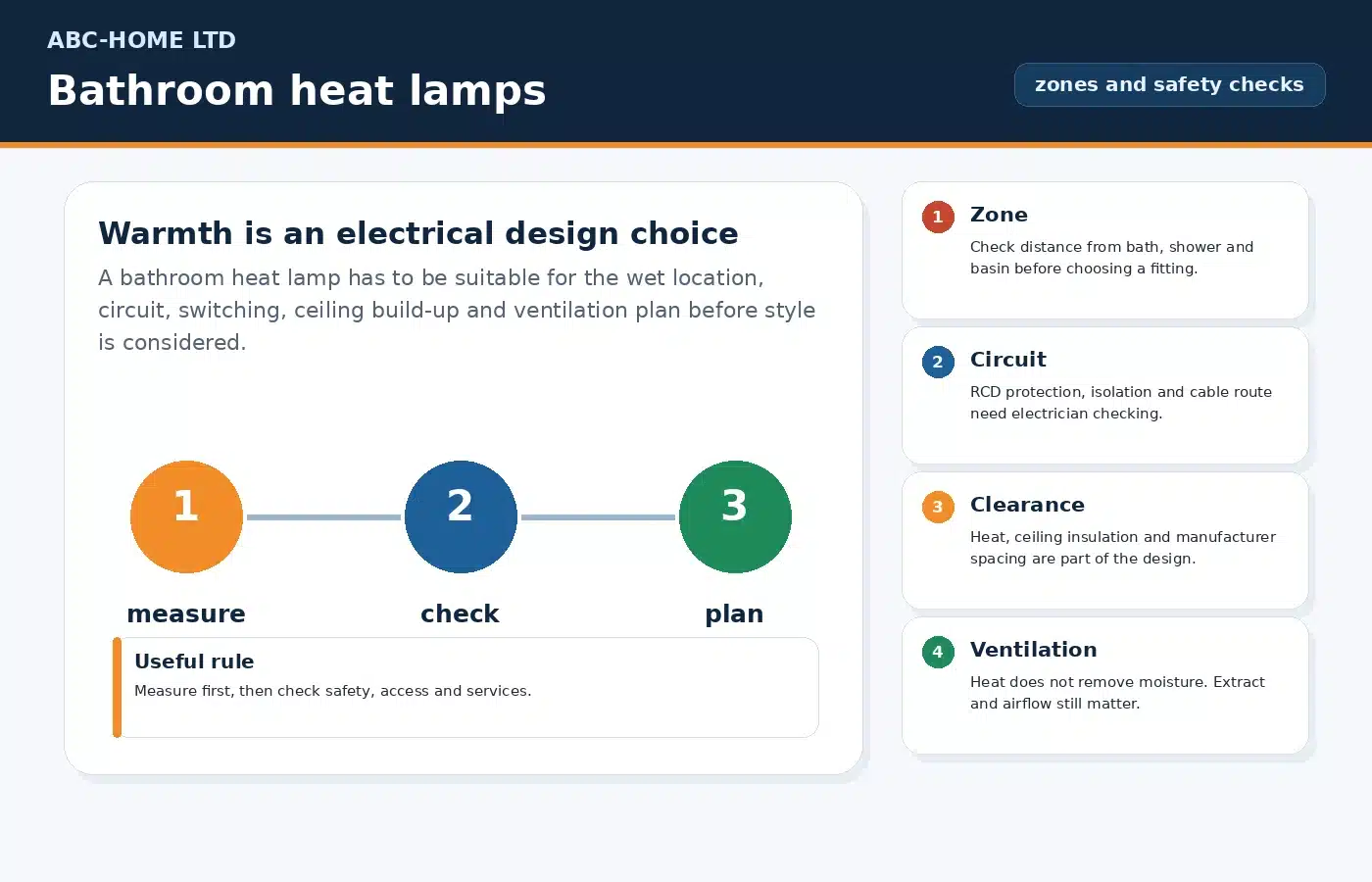
Bathrooms are inherently prone to high humidity and moisture levels, which can pose a serious threat to the electrical system. Inadequate ventilation and poor moisture management can lead to a variety of electrical problems, from corrosion to short circuits.
Addressing Humidity and Condensation Problems
double-check that that your bathroom is equipped with a properly sized and functioning exhaust fan to remove excess moisture and maintain a comfortable humidity level. Consider upgrading to a more powerful fan or adding additional ventilation if the existing system is not effectively controlling moisture buildup.
Integrating Exhaust Fans and Dehumidifiers
In addition to exhaust fans, you may also want to consider integrating a dehumidifier into your bathroom renovation. This can help to actively remove excess moisture from the air, further protecting the electrical components from the damaging effects of humidity.
Preventing Electrical Hazards from Moisture
By addressing moisture and ventilation issues, you can help to prevent electrical hazards such as short circuits, ground faults, and the potential for electric shocks or fires. Regularly inspect the bathroom for signs of moisture buildup and take proactive steps to mitigate these problems.
Troubleshooting Techniques
Diagnostic Procedures
When troubleshooting electrical issues in your bathroom renovation, it’s crucial to follow a systematic approach to identify and isolate the problem. Start with visual inspections, looking for any signs of damage, wear, or improper installation. Use a multimeter or other testing equipment to measure voltages, currents, and resistance to diagnose the root cause of the issue.
Performing Visual Inspections
Carefully examine the electrical components in your bathroom, including outlets, switches, light fixtures, and wiring. Look for signs of water damage, such as corrosion, discoloration, or moisture buildup. Also, check for any loose connections, exposed wires, or other visible issues that may be contributing to the problem.
Using Multimeters and Testing Equipment
A multimeter is an essential tool for troubleshooting electrical problems. Use it to measure the voltage, current, and resistance in your bathroom’s electrical system. This can help you identify issues such as faulty wiring, malfunctioning components, or improper grounding and bonding. Follow the manufacturer’s instructions and safety guidelines when using a multimeter.
Interpreting Electrical Readings
Familiarize yourself with the expected readings for a properly functioning electrical system in your bathroom. Consult with a licensed electrician if you’re unsure how to interpret the data you’ve gathered from your testing. This will help you pinpoint the specific issue and develop an effective solution.
Step-by-Step Troubleshooting Guides
When tackling electrical problems in your bathroom renovation, it’s often helpful to follow a structured troubleshooting process. This can involve isolating the affected circuit, testing individual components, and systematically eliminating potential causes until the root problem is identified.
Identifying and Isolating Electrical Issues
Start by isolating the affected circuit or component, such as a specific outlet, switch, or light fixture. This will help you narrow down the scope of the problem and avoid addressing issues that may be unrelated to the immediate concern.
Developing a Systematic Troubleshooting Approach
Approach the troubleshooting process methodically, following a logical sequence of steps. This may include checking for power at the source, testing individual components, and verifying that the wiring is properly installed and connected.
Documenting Findings and Proposed Solutions
Keep detailed records of your troubleshooting process, including the readings and observations you’ve made. This will not only help you track the progress of your investigation but also provide valuable information for any future maintenance or repairs.
Repair and Maintenance Strategies
Replacing Electrical Components
If the troubleshooting process reveals a faulty or malfunctioning electrical component, it’s essential to replace it with a properly rated and compatible replacement. This may involve replacing outlets, switches, light fixtures, or other devices to restore the functionality and safety of your bathroom’s electrical system.
Selecting and Installing Appropriate Replacements
When choosing replacement components, double-check that that they are rated for use in bathrooms and meet the necessary safety and code requirements. Follow the manufacturer’s instructions carefully during the installation process to double-check that proper wiring and connections.
Ensuring Proper Wiring and Connections
Pay close attention to the wiring and connections when replacing electrical components. Proper wiring techniques, such as using the correct wire gauges, securing connections, and maintaining proper grounding, are crucial for the safety and long-term reliability of your bathroom’s electrical system.
Testing and Verifying Functionality
After completing any electrical repairs or replacements, thoroughly test the affected components to double-check that they are functioning correctly. This may involve using a multimeter or performing other diagnostic checks to verify that the issue has been resolved.
Preventive Maintenance Practices
Regular maintenance of your bathroom’s electrical system is essential for maintaining safety, functionality, and longevity. Establish a routine inspection and maintenance schedule to proactively identify and address potential problems before they become larger issues.
Regularly Inspecting Electrical Systems
Periodically inspect your bathroom’s electrical components, such as outlets, switches, and light fixtures, for any signs of wear, damage, or potential issues. This can help you catch problems early and prevent more significant problems from arising.
Identifying and Addressing Potential Problems
Be proactive in addressing any potential electrical problems, such as loose connections, water damage, or signs of corrosion. Address these issues promptly to maintain the safety and reliability of your bathroom’s electrical system.
Maintaining Optimal Electrical Performance
By implementing a comprehensive preventive maintenance program, you can help double-check that that your bathroom’s electrical system continues to function optimally, providing a safe and reliable environment for years to come.
Bathroom renovations can be an exciting and rewarding home improvement project, but electrical considerations are crucial for a successful outcome. By understanding the common electrical issues, following proper troubleshooting techniques, and implementing effective repair and maintenance strategies, you can tackle any electrical challenges that arise during your bathroom renovation with confidence. Remember to always work with licensed professionals and prioritize safety when dealing with electrical systems in your home. For more information and resources on home renovation projects, be sure to visit ABC Home.
Tip: Inspect your home’s foundation regularly for signs of cracks or water damage