
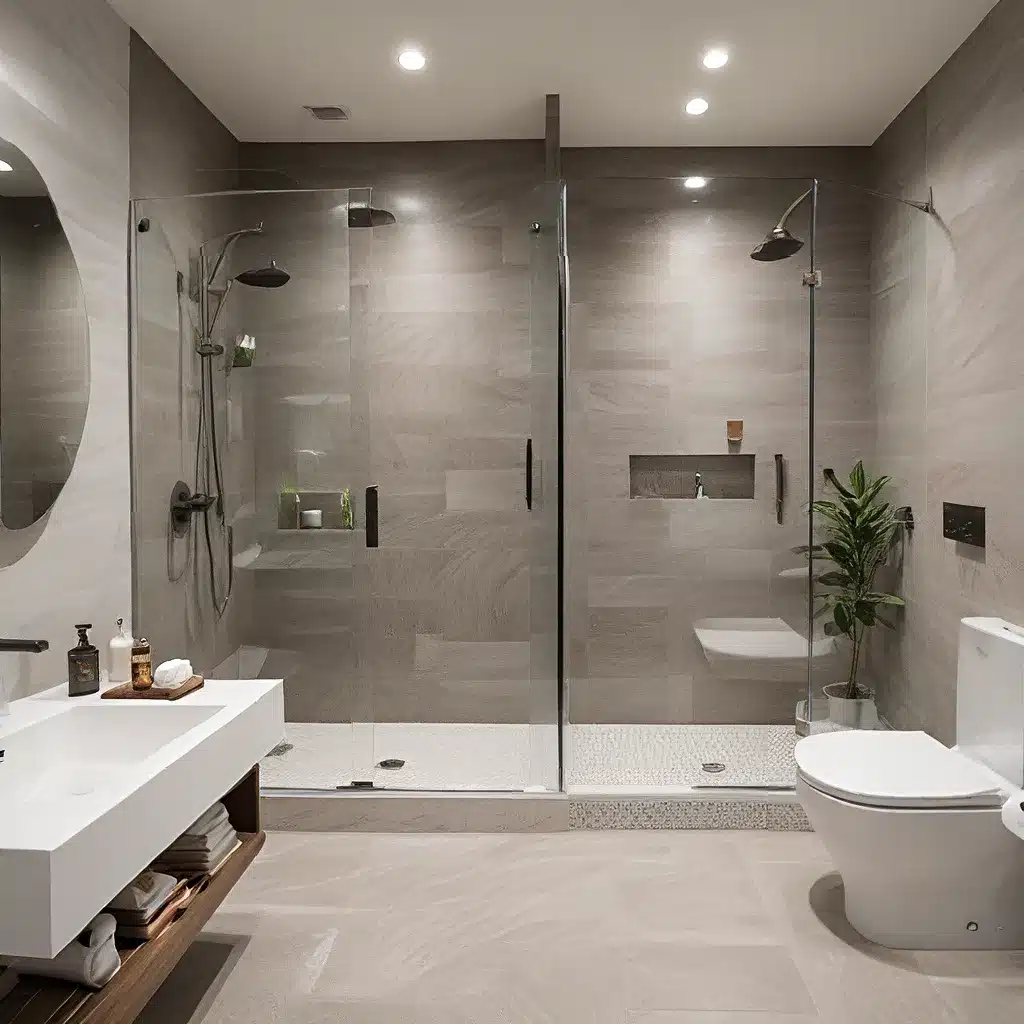
Inclusive Bathrooms: A Journey of Understanding
As I sit here, reflecting on my past experiences, I can’t help but recall a pivotal moment that truly shaped my perspective on inclusive language and design. It was during my university days, when I witnessed a rather charged interaction between a classmate and a differently-abled non-binary peer.
My classmate, in a well-intentioned but misguided attempt, referred to an accessible bathroom as the “disabled bathroom.” This seemingly innocuous choice of words immediately sparked an intense reaction from our non-binary peer, who became visibly upset and even angry. The look of confusion on my classmate’s face spoke volumes – she had no idea her words would land so harshly.
In that moment, I realized that the use of inclusive language is not just about political correctness, but about fostering genuine understanding and connection. While my peer’s reaction was understandable, I couldn’t help but wonder if a more empathetic approach could have led to a more constructive dialogue. After all, my classmate wasn’t trying to be hurtful; she simply didn’t have the same lived experience and familiarity with the evolving terminology.
This incident has stuck with me over the years, and it has become increasingly relevant in my work and personal life. As our world continues to change at a rapid pace, the way we communicate and the language we use is also undergoing a transformation. Navigating this shifting landscape can be challenging, but it’s a journey worth undertaking if we want to create truly inclusive environments.
Brave Spaces: Embracing Vulnerability and Growth
In the past, the concept of a “safe space” has been touted as the ideal environment for open and honest conversations. The idea was that within these sanctuaries, individuals could feel secure enough to express themselves without fear of judgment or consequences. However, as our understanding of diversity and inclusion has evolved, the notion of a “safe space” has been called into question.
As eloquently expressed in the poem “Invitation to Brave Space” by Micky ScottBey Jones, there is no such thing as a truly “safe” space. We all carry our own emotional baggage and have the potential to inadvertently cause harm to others, even with the best of intentions. Instead, Jones suggests that we should strive to create “brave spaces” – environments where we can turn down the volume of the outside world, amplify underrepresented voices, and call each other to a higher level of truth and love.
In these brave spaces, we must be willing to embrace vulnerability and acknowledge our own limitations. We have the right to start somewhere and the responsibility to examine what we think we know. It’s a space where mistakes will happen, but where we can engage in constructive critique and continue to grow together.
This shift from “safe” to “brave” has profound implications for how we approach inclusive design, particularly in the realm of bathroom accessibility. As we strive to create environments that cater to the needs of all individuals, we must be willing to have difficult conversations, challenge our own assumptions, and work side by side to build something truly remarkable.
Designing for Inclusivity: Bathrooms as a Microcosm
When it comes to inclusive design, bathrooms often serve as a microcosm of the larger challenges we face. These seemingly simple spaces are where the rubber meets the road, as it were, and where the true test of our commitment to accessibility and inclusivity lies.
ABC Home, a leading provider of bathroom fitting and home improvement services, has long been at the forefront of this movement, recognizing that accessible and inclusive bathrooms are not just a nice-to-have, but a fundamental aspect of creating welcoming and equitable spaces.
As I delve deeper into this topic, I’m struck by the complexity and nuance involved. It’s not simply a matter of adding grab bars or widening doorways; true inclusive design requires a holistic approach that considers the needs and experiences of individuals with a wide range of abilities, identities, and preferences.
For example, a person with limited mobility may require features like height-adjustable sinks and roll-in showers, while someone who is hard of hearing may benefit from visual alerts or improved acoustics. And let’s not forget the importance of ensuring that bathrooms are welcoming and comfortable for individuals who identify as LGBTQ+, providing a safe and affirming environment that respects their gender identity and expression.
Navigating these intersections of accessibility and inclusivity can be a daunting task, but it’s one that we must embrace if we truly want to create spaces that cater to the diverse needs of all individuals. It’s a journey of understanding, empathy, and a willingness to continuously learn and evolve.
Breaking Down Barriers: Redefining Bathroom Design
As we delve deeper into the realm of inclusive bathroom design, it’s important to recognize that the traditional approach to accessibility has often been too narrowly focused. The concept of “disabled” or “handicapped” bathrooms, while well-intentioned, can inadvertently perpetuate the idea of segregation and otherness.
Instead, we should strive for a more holistic and integrated approach – one that seamlessly blends accessibility features into the overall design, creating environments that cater to the needs of all individuals, regardless of their abilities or identities.
Research suggests that this shift towards inclusive design can have far-reaching benefits, not just for those with specific accessibility needs, but for the broader population as well. By incorporating features like adjustable sink heights, tactile floor cues, and gender-neutral stalls, we can create bathrooms that are more intuitive, comfortable, and welcoming for everyone.
Moreover, this approach aligns with the principles of universal design, which aims to create products, environments, and services that are accessible and usable by all people, to the greatest extent possible, without the need for adaptation or specialized design. It’s a philosophy that recognizes that we all have diverse needs and preferences, and that by designing for the widest range of users, we can create spaces that are truly inclusive and empowering.
Embracing the Future: Trends in Inclusive Bathroom Design
As we look to the future of bathroom design, it’s clear that the focus on inclusivity and accessibility is only going to continue to grow. Driven by changing social attitudes, legislative mandates, and a deeper understanding of the importance of inclusive environments, the industry is poised for a significant transformation.
One of the most notable trends is the move towards gender-neutral bathroom spaces. Research suggests that this approach not only benefits the LGBTQ+ community, but also creates a more welcoming and inclusive environment for individuals of all genders. By eliminating the traditional binary of “men’s” and “women’s” bathrooms, we can break down social barriers and foster a greater sense of belonging and acceptance.
Another key trend is the increasing emphasis on sensory-friendly design. This could involve features like adjustable lighting, soothing colors, and acoustics that minimize noise and echo, creating a more calming and comfortable experience for individuals with sensory processing differences, such as autism or anxiety.
Additionally, we’re likely to see a continued focus on accessibility features that go beyond the basics. This might include things like height-adjustable mirrors, touchless faucets and soap dispensers, and intuitive wayfinding cues that make it easier for individuals with various mobility, visual, or cognitive challenges to navigate the space.
Underpinning all of these trends is a growing recognition that inclusive design is not just a niche concern, but a fundamental aspect of creating equitable and welcoming environments for all. As we move forward, it will be increasingly important for bathroom designers, manufacturers, and service providers to stay attuned to these evolving needs and to work collaboratively to push the boundaries of what’s possible.
Conclusion: A Call to Action
As I reflect on the journey I’ve taken, from that pivotal moment in my university days to the present, I’m struck by the profound importance of creating inclusive bathrooms and the broader implications for our society.
Inclusive design is not just about making physical spaces accessible; it’s about fostering a culture of understanding, empathy, and belonging. By embracing the concept of “brave spaces” and recognizing that we all have a role to play in creating more inclusive environments, we can work together to break down barriers and empower individuals of all abilities, identities, and experiences.
Whether you’re a homeowner looking to renovate your bathroom, a designer seeking to push the boundaries of inclusive design, or a service provider aiming to deliver truly transformative experiences, I encourage you to join me in this crucial endeavor. Let’s continue to learn, grow, and create spaces that celebrate the diversity of the human experience.
After all, the future of inclusive design is not just about the bathrooms we build, but the connections we forge and the breakthroughs we achieve when we have the courage to embrace our differences and walk side by side towards a more equitable and inclusive world.


