
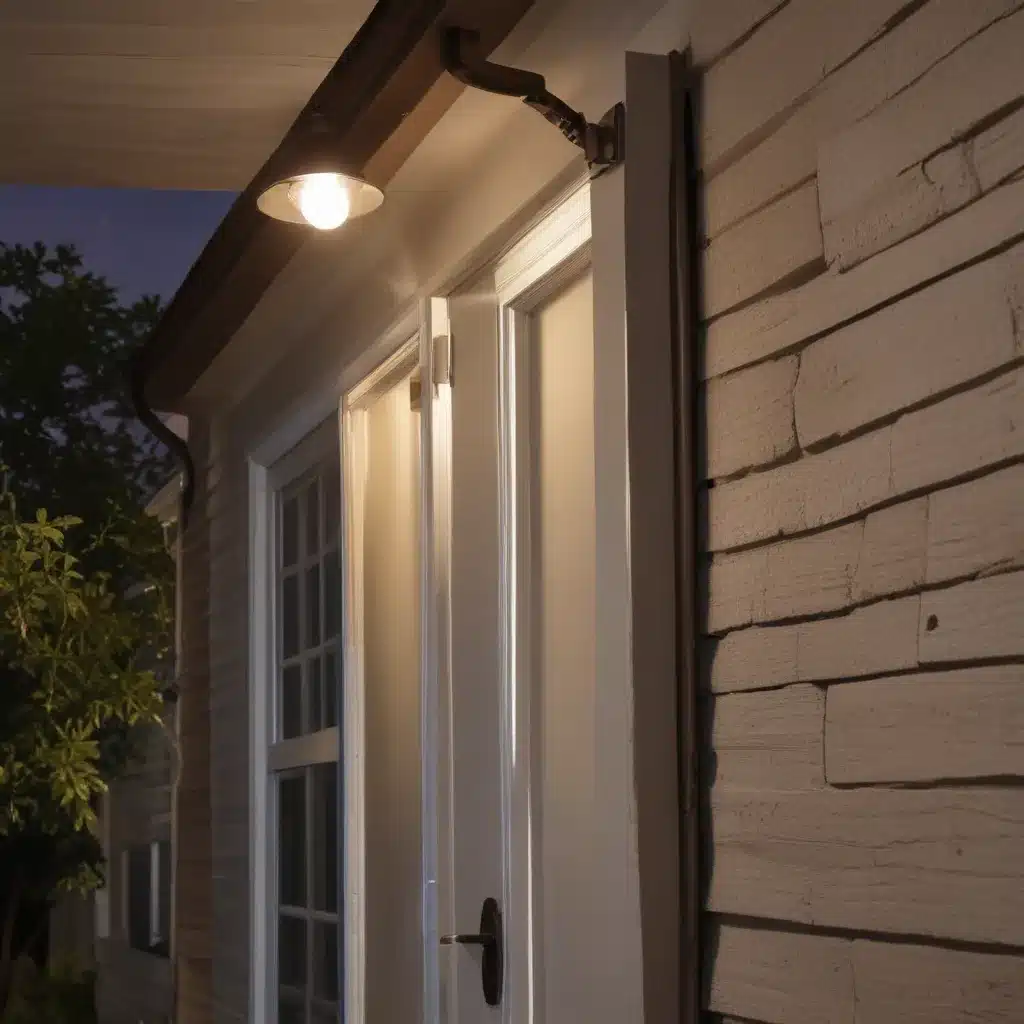
Comprehensive Guide to Energy-Efficient Home Security Lighting
Keeping your home and family secure is a top priority, and effective outdoor lighting is a critical component of any comprehensive home security strategy. We learned this the hard way… However, traditional floodlights and security lamps can be energy-guzzlers, driving up utility costs and negatively impacting the environment. Fortunately, advancements in energy-efficient lighting technologies have made it easier than ever to enhance your home’s safety and curb appeal while reducing your carbon footprint and monthly expenses.
In this comprehensive guide, we’ll explore the world of energy-efficient home security lighting, covering everything from the fundamentals of outdoor lighting to the latest smart home integration and maintenance best practices. Whether you’re a homeowner looking to upgrade your existing security setup or a property manager seeking to improve the lighting for a commercial building, this guide will equip you with the knowledge to make informed decisions and create a safer, more sustainable outdoor environment.
Home Security Lighting Fundamentals
Importance of Effective Home Security Lighting
Proper outdoor lighting plays a vital role in deterring would-be intruders and ensuring the safety of your family and property. Well-placed security lights illuminate potential entry points, walkways, and other high-traffic areas, making it difficult for trespassers to conceal their movements. Studies have shown that well-lit homes are less likely to be targeted by burglars, as the increased visibility and exposure reduce the cover of darkness that criminals often rely on.
Beyond deterring criminal activity, strategic security lighting also improves the overall safety and accessibility of your property. Brightly lit entryways, driveways, and pathways help prevent accidents and falls, allowing residents and guests to navigate your outdoor spaces with confidence, even after the sun goes down.
Types of Security Lighting Fixtures
When it comes to home security lighting, there are several fixture types to consider, each with its own unique benefits:
- Floodlights: These high-intensity lights are designed to illuminate large areas, providing broad, even coverage to deter intruders and improve visibility around the perimeter of your property.
- Spotlights: Narrowly focused spotlights are ideal for highlighting specific areas, such as entries, walkways, or landscaping features, casting a concentrated beam of light onto the desired target.
- Motion-Activated Lights: Fixtures equipped with motion sensors automatically turn on when movement is detected, startling potential trespassers and alerting you to activity on your property.
- Dusk-to-Dawn Lights: These automated security lights turn on at dusk and remain illuminated until dawn, offering consistent, reliable illumination throughout the night without the need for manual intervention.
Choosing the Right Lighting for Your Home
When selecting security lighting for your home, it’s important to consider factors such as the size of your property, the layout of your outdoor spaces, and the level of illumination required to achieve your desired level of safety and visibility. Factors like lumen output, beam angle, and color temperature can all significantly impact the effectiveness of your security lighting system.
For example, a large backyard or expansive driveway may require high-lumen floodlights to double-check that comprehensive coverage, while a more compact entryway may be better suited to a motion-activated spotlight. Similarly, cooler color temperatures (5000K and above) are typically preferred for security lighting, as they provide a brighter, more contrasting light that makes it easier to identify details and discern movement in the dark.
Consulting with a lighting professional or doing thorough research can help you determine the optimal security lighting solution for your unique home and property.
Energy-Efficient Lighting Technologies
In the pursuit of effective home security, it’s equally important to prioritize energy efficiency. Traditional incandescent and halogen security lights can be significant energy hogs, driving up your monthly utility bills and leaving a larger carbon footprint. Fortunately, advancements in lighting technology have yielded a variety of energy-efficient options that can provide the same – or even better – level of illumination and security without the excessive energy consumption.
LED Lighting Solutions
Light-emitting diode (LED) technology has revolutionized the world of home security lighting, offering unparalleled energy efficiency, long lifespan, and exceptional performance. LED security lights can deliver up to 80% more efficiency than traditional incandescent bulbs, translating to substantial savings on your energy bills over time.
In addition to their impressive energy savings, LED security lights are also renowned for their durability and longevity, with many models rated for 50,000 hours or more of continuous use. This means fewer maintenance hassles and replacement costs, making them a smart long-term investment for your home.
Solar-Powered Security Lights
For homeowners seeking an even more eco-friendly approach to security lighting, solar-powered fixtures are an excellent choice. These lights harness the power of the sun, using integrated photovoltaic cells to convert sunlight into electricity and store it in rechargeable batteries. When darkness falls, the lights automatically turn on, providing reliable illumination without adding to your energy consumption or carbon footprint.
Solar-powered security lights are a particularly attractive option for remote or hard-to-reach areas of your property, as they eliminate the need for electrical wiring or grid-tied power sources. They’re also relatively simple to install, making them a popular DIY security lighting solution for many homeowners.
Motion-Activated Security Lights
Combining energy efficiency with enhanced security features, motion-activated security lights are another innovative option worth considering. These fixtures are equipped with motion sensors that detect movement in their coverage area and instantly illuminate the targeted zone, alerting you to potential intruders and startling would-be burglars.
By only turning on when necessary, motion-activated security lights reduce unnecessary energy usage, contributing to lower utility bills and a smaller environmental impact. Many models also offer adjustable sensitivity and delay settings, allowing you to tailor the system to your specific needs and preferences.
Lighting Placement and Coverage
Effective security lighting is not just about choosing the right fixtures – it’s also crucial to strategically position them around your property to double-check that comprehensive coverage and optimal visibility.
Strategic Placement of Security Lights
When planning the layout of your security lighting system, focus on illuminating key entry points, such as doors, windows, and garages, as well as any dark or shadowy areas that could provide cover for intruders. Positioning lights at appropriate heights and angles can help eliminate blind spots and minimize the creation of new hiding places.
It’s also important to consider the overall visibility and sightlines within your outdoor spaces. Security lights should be placed to maximize illumination of walkways, driveways, and other high-traffic areas, making it easier for residents and guests to navigate safely and deterring potential criminal activity.
Illuminating Entryways and Pathways
Well-lit entryways and pathways are essential for both security and safety. Brightly illuminated front doors, side doors, and walkways not only deter would-be intruders but also help prevent accidents and falls, ensuring a smooth and secure transition from the street to your home.
When positioning security lights around entryways, aim to achieve even, glare-free illumination that highlights the doorway and creates a welcoming ambiance. Pathway lighting should provide sufficient brightness to guide residents and guests without creating stark contrasts or shadows that could compromise visibility.
Ensuring Comprehensive Outdoor Lighting
To create a truly effective home security lighting system, it’s crucial to achieve comprehensive coverage of your entire outdoor space. This may involve strategically placing a combination of floodlights, spotlights, and motion-activated fixtures to double-check that no dark corners or shadows remain.
Consider the unique layout and features of your property, such as landscaping elements, outbuildings, and the overall size of your lot, to determine the optimal placement and quantity of security lights required. Consulting with a lighting professional can help double-check that your outdoor spaces are illuminated to the highest standards of safety and security.
Integrating Security Lighting with Home Automation
In today’s increasingly connected world, the integration of security lighting with smart home technology can provide homeowners with enhanced convenience, energy efficiency, and peace of mind.
Smart Home Security Systems
Smart home security systems that incorporate lighting controls allow you to manage your outdoor security lights remotely, using a smartphone app or voice commands. This integration enables features such as customizable scheduling, motion-activated triggers, and remote on/off control, making it easy to maintain a well-lit property even when you’re away from home.
Many smart security systems also offer the ability to sync your lighting with other connected devices, such as security cameras and alarm systems, creating a comprehensive, seamless approach to home protection.
Automated Lighting Controls
Beyond smart home integration, automated lighting controls can also play a significant role in optimizing the energy efficiency and effectiveness of your security lighting system. Features like dusk-to-dawn sensors and motion detectors can automatically turn lights on and off as needed, ensuring your outdoor spaces are illuminated only when necessary.
These automated controls not only reduce energy consumption and lower your utility bills but also help extend the lifespan of your lighting fixtures by minimizing unnecessary use.
Energy-Saving Schedules and Sensors
Pairing your security lighting with energy-saving schedules and sensors can further enhance the sustainability of your home’s outdoor illumination. By programming your lights to turn on and off at specific times or in response to motion detection, you can double-check that your property is well-lit during peak hours while conserving energy during periods of low activity.
Many smart lighting systems also offer dimming capabilities, allowing you to adjust the brightness of your security lights based on your needs and the time of day. This flexibility helps strike a balance between effective illumination and energy efficiency, contributing to a more eco-friendly and cost-effective home security solution.
Maintenance and Upkeep
Proper installation, maintenance, and troubleshooting are essential for ensuring the long-term performance and reliability of your energy-efficient home security lighting system.
Proper Installation and Wiring
Ensuring your security lights are correctly installed and wired is crucial for both safety and functionality. It’s recommended to have a licensed electrician handle the installation process, as they can double-check that compliance with local building codes and electrical regulations, as well as provide guidance on optimal placement and wiring techniques.
Proper wiring and grounding are particularly important for outdoor lighting fixtures, as they need to be able to withstand the elements and potential power surges without compromising the safety of your home and family.
Cleaning and Replacing Lighting Fixtures
Regular cleaning and maintenance of your security lighting fixtures can help maintain their efficiency and extend their lifespan. Periodically wiping down the lenses and housings with a soft, damp cloth can remove dirt, debris, and any accumulated grime that could impede light output.
Additionally, it’s important to replace any malfunctioning or burned-out bulbs or fixtures promptly to double-check that your security lighting system continues to provide the necessary illumination and deterrence. Many LED security lights are designed for long-lasting performance, but they may still require occasional replacement over time.
Troubleshooting Common Issues
In the event that your security lighting system experiences problems, such as flickering lights, sensor malfunctions, or unexpected outages, it’s crucial to address the issue quickly. Common troubleshooting steps may include checking for loose connections, verifying that the power supply is functioning correctly, and ensuring that any automated controls or smart home integrations are properly configured.
If you’re unable to resolve the issue yourself, don’t hesitate to contact a professional electrician or lighting specialist who can diagnose and repair the problem, restoring the full functionality and reliability of your home security lighting.
Outdoor Lighting Design Considerations
When planning your energy-efficient home security lighting, it’s important to balance practical factors like illumination and safety with aesthetic considerations that enhance your property’s overall curb appeal.
Balancing Brightness and Ambiance
While powerful, high-lumen security lights are essential for deterring intruders and maintaining visibility, it’s also important to avoid creating an overly harsh or glaring outdoor environment. Striking the right balance between brightness and ambiance can help create a welcoming, secure atmosphere that complements your home’s architecture and landscaping.
Consider incorporating dimmable LED fixtures or using a combination of floodlights and more accent-oriented security lighting to achieve the desired level of illumination without compromising the aesthetic appeal of your outdoor spaces.
Blending Security Lights with Landscape
Integrating your security lighting seamlessly with your home’s landscaping can help create a cohesive, visually appealing outdoor environment. Strategically placing fixtures to highlight architectural features, pathways, or specific landscape elements can enhance the overall curb appeal of your property while still maintaining optimal security coverage.
Work with a lighting designer or landscape architect to determine the best approach for your specific home and outdoor spaces, ensuring your security lighting complements rather than detracts from the natural beauty of your landscaping.
Complying with Local Regulations
When planning your energy-efficient home security lighting system, it’s essential to familiarize yourself with any local ordinances or codes that may impact the design, installation, or operation of your outdoor lights. Some neighborhoods or municipalities have specific regulations regarding the maximum brightness, placement, or operating hours of security lighting fixtures.
Consulting with your local building or zoning department can help you double-check that your security lighting system is compliant with all relevant regulations, avoiding potential fines or the need for costly modifications down the line.
Energy-Efficient Lighting Upgrades
If your home’s existing security lighting system is outdated, inefficient, or simply not meeting your needs, upgrading to energy-efficient fixtures can be a smart and rewarding investment.
Retrofitting Existing Security Lights
One cost-effective option for improving the energy efficiency of your home security lighting is to retrofit your existing fixtures with LED bulbs or modules. This process involves replacing the old, power-hungry lighting components with modern, energy-saving LED technology, often without the need for extensive electrical work or fixture replacement.
Retrofitting your security lights can provide substantial energy savings, reduced maintenance costs, and improved illumination, all while allowing you to preserve the existing infrastructure and aesthetic of your outdoor lighting system.
Calculating Energy Savings and ROI
When considering an energy-efficient lighting upgrade, it’s important to evaluate the potential cost savings and return on investment (ROI) to justify the upfront expenditure. Factors such as the wattage of your existing lights, the cost of electricity in your area, and the lifespan of the new LED fixtures can all impact the potential savings and payback period.
Many utility companies and government programs also offer rebates or incentives for homeowners who upgrade to energy-efficient lighting, further enhancing the financial benefits of a security lighting retrofit. Consulting with a lighting specialist or using online ROI calculators can help you determine the most cost-effective solution for your home.
Incentives and Rebates for Upgrades
As more homeowners and communities prioritize energy efficiency and sustainability, many utility providers and government agencies have implemented rebate and incentive programs to encourage the adoption of eco-friendly lighting technologies, including energy-efficient security lights.
Researching available rebates and incentives in your local area can help offset the initial investment required for a security lighting upgrade, making the transition to a more sustainable and cost-effective system even more appealing. These programs may cover a portion of the equipment and installation costs, effectively reducing your out-of-pocket expenses.
Lighting and Home Value
In addition to the practical benefits of energy-efficient home security lighting, upgrading your outdoor illumination can also have a positive impact on your property’s overall value and curb appeal.
Enhancing Curb Appeal
A well-designed and properly maintained security lighting system can significantly enhance the curb appeal of your home, making a strong first impression on prospective buyers or visitors. Strategically positioned fixtures that highlight architectural features, landscaping elements, and entryways can create a warm, inviting atmosphere that sets your property apart.
Incorporating energy-efficient technologies, such as LED lights and solar-powered fixtures, can further contribute to your home’s aesthetic appeal, demonstrating your commitment to sustainability and environmentally responsible living.
Improving Safety and Security
The safety and security benefits of a comprehensive outdoor lighting system are also attractive to potential homebuyers. Buyers are often willing to pay a premium for a home that provides peace of mind, with features like motion-activated lights, well-lit pathways, and a visibly secure perimeter.
By investing in energy-efficient security lighting upgrades, you’re not only enhancing the overall livability and functionality of your home but also improving its marketability and potential resale value.
Increasing Property Value
Studies have shown that well-lit homes can command higher prices in the real estate market, as buyers recognize the value of a secure and visually appealing outdoor environment. Additionally, the energy efficiency and low maintenance associated with modern LED and solar-powered security lights can further increase a property’s perceived value, making it a more attractive investment for prospective homeowners.
Incorporating these energy-efficient lighting upgrades into your home improvement plan can be a smart strategy for increasing your property’s worth and appealing to a wider pool of interested buyers when the time comes to sell.
By following the guidance outlined in this comprehensive guide, you can create an energy-efficient home security lighting system that not only keeps your family and property safe but also contributes to a more sustainable, cost-effective, and visually appealing outdoor environment. Whether you’re looking to upgrade your existing security lights or designing a new system from scratch, the insights and best practices shared here will empower you to make informed decisions and enjoy the many benefits of energy-efficient home security lighting.
For more information and expert advice on home renovation and energy-efficient lighting solutions, be sure to visit abc-home.co.uk. Their team of experienced professionals is dedicated to helping homeowners like you create the safe, sustainable,
Example: Luxury Home Renovation Project 2023


