
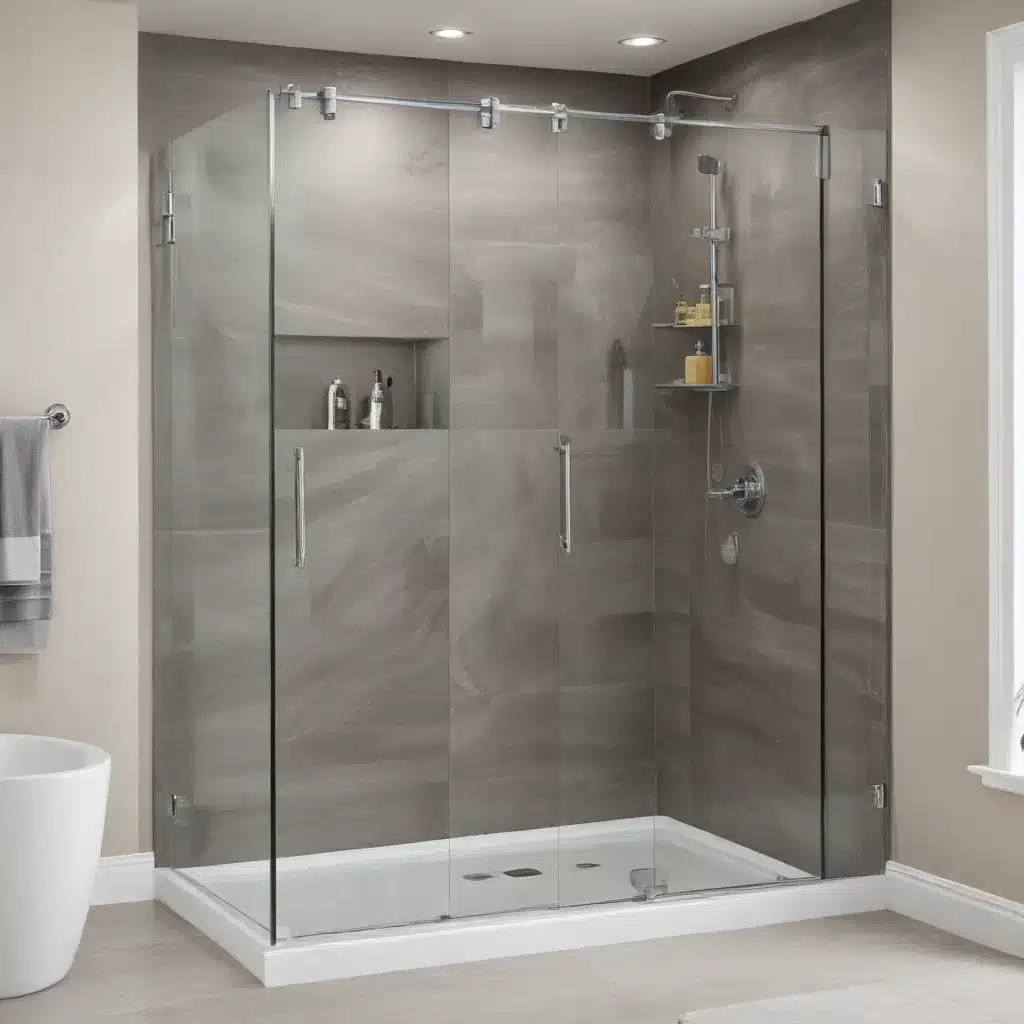
Understanding the Basics of Frameless Shower Doors
As a seasoned home construction specialist, I’ve encountered numerous shower door installations throughout my career. Frameless shower doors have become increasingly popular in recent years, and for good reason. These sleek, modern additions can transform a bathroom from ordinary to extraordinary. But what exactly are frameless shower doors, and why should you consider them for your next bathroom renovation project?
Frameless shower doors are precisely what they sound like – shower enclosures made entirely of glass panels without the need for metal framing around the edges. This design creates a seamless, open look that can make your bathroom appear larger and more luxurious. The absence of frames also means fewer nooks and crannies where mould and mildew can accumulate, making these doors easier to clean and maintain over time.
One of the most significant advantages of frameless shower doors is their versatility. They can be customised to fit almost any shower space, whether you have a standard alcove or a unique corner installation. This flexibility allows for creative bathroom designs that might not be possible with traditional framed doors. As someone who’s worked on countless bathroom renovations, I can attest to the wow factor that a well-designed frameless shower door can bring to a space.
Glass Thickness and Quality: The Foundation of Durability
When it comes to frameless shower doors, the thickness and quality of the glass are paramount. In my experience, the industry standard for these doors typically ranges from 3/8 inch to 1/2 inch thick glass. This thickness is crucial for several reasons.
Firstly, thicker glass provides enhanced stability and durability. A 3/8 inch thick panel can withstand daily use and resist flexing, which is essential when you don’t have a frame to provide additional support. For larger enclosures or doors, I often recommend opting for 1/2 inch thick glass to ensure maximum stability and longevity.
Secondly, the thickness of the glass contributes to the overall aesthetic of the door. Thicker glass has a more substantial, high-end look that can elevate the entire bathroom’s appearance. It’s a detail that might seem small, but it makes a noticeable difference in the final product.
Lastly, it’s important to note that all glass used in shower doors must be tempered safety glass. This type of glass is specially treated to break into small, granular chunks instead of sharp shards if it ever shatters. It’s a critical safety feature that’s required by building codes in most areas. As a professional, I always ensure that the glass used in my projects meets or exceeds these safety standards.
Door Operation and Design Options
The way a shower door operates can significantly impact both its functionality and the overall bathroom layout. In my years of experience, I’ve worked with various door operation styles, each with its own set of advantages.
Swinging doors are a classic choice and work well in spaces with ample clearance. These doors operate on hinges, swinging outward into the bathroom. They provide a wide opening for easy access and can create a grand entrance to your shower space. However, it’s crucial to ensure there’s enough room for the door to swing without hitting any fixtures or obstructions.
Rolling or sliding doors are an excellent option for tighter spaces. These doors glide along a track, either bypassing each other or sliding along a single panel. They’re particularly useful in smaller bathrooms where space is at a premium. I’ve found that many homeowners appreciate the smooth, quiet operation of well-installed rolling doors.
For those looking for a truly minimalist look, pivot doors can be a striking choice. These doors rotate on a single pivot point, usually at the top and bottom of the door. They can open inward or outward and require less clearance than a traditional swinging door. In my opinion, pivot doors add a touch of sophistication and can be a real talking point in a bathroom design.
Hardware Selection and Finishes
The hardware you choose for your frameless shower door can make a significant difference in both its functionality and aesthetic appeal. As someone who’s installed countless shower doors, I can tell you that the right hardware can elevate the entire look of your bathroom.
Hinges are a critical component for swinging doors. They need to be sturdy enough to support the weight of the glass panel while allowing for smooth operation. In my experience, solid brass hinges offer the best combination of durability and style. They can be plated in various finishes to match your bathroom’s decor.
Handles and towel bars are not just functional elements; they’re also important design features. A well-chosen handle can serve as a focal point for your shower enclosure. I’ve seen a trend towards minimalist, sleek handles that complement the clean lines of frameless doors. Through-the-glass handles, which are mounted directly through a hole in the glass, are particularly popular for their modern look.
When it comes to finishes, the options are virtually endless. Chrome and brushed nickel remain popular choices for their versatility and durability. However, I’ve been seeing increased interest in warmer tones like brushed gold or oil-rubbed bronze. These finishes can add a touch of luxury and warmth to a bathroom.
It’s important to consider the overall design scheme of your bathroom when selecting hardware finishes. I always advise my clients to think about how the shower door hardware will coordinate with other fixtures in the room, such as faucets, lighting, and cabinet hardware. Consistency in finishes can tie the whole room together for a cohesive look.
Measuring and Installation Considerations
Accurate measurements are crucial for a successful frameless shower door installation. As someone who’s been in the industry for years, I can’t stress enough how important this step is. Even a small error in measurement can lead to significant issues down the line.
When measuring for a frameless shower door, it’s not just about the width and height of the opening. You also need to consider factors like the slope of the floor, any out-of-plumb walls, and the location of studs for secure mounting. I always recommend taking multiple measurements at different points to account for any irregularities in the walls or floor.
The installation process itself requires precision and expertise. While it might be tempting for DIY enthusiasts to tackle this project, I strongly advise against it unless you have significant experience. Proper installation involves not only hanging the door but also ensuring it’s level, plumb, and properly sealed to prevent water leakage.
One of the challenges in installing frameless shower doors is achieving proper alignment. Without a frame to provide structure, each panel must be perfectly aligned to ensure smooth operation and a water-tight seal. This often involves making minute adjustments during the installation process.
Another critical aspect of installation is waterproofing. Proper sealing is essential to prevent water from escaping the shower enclosure. This typically involves applying silicone caulk along the edges where the glass meets the walls and floor. In my experience, using a high-quality, mildew-resistant silicone is key to long-lasting, effective waterproofing.
Maintenance and Care Tips
Once your frameless shower door is installed, proper maintenance is key to keeping it looking great for years to come. As someone who’s seen many shower doors age over time, I can tell you that a little regular care goes a long way.
The most important maintenance task is regular cleaning. After each use, I recommend using a squeegee to remove water droplets from the glass. This simple step can prevent water spots and mineral buildup, which can be difficult to remove if left to accumulate. For more thorough cleaning, a mixture of white vinegar and water can be effective in removing soap scum and hard water deposits.
It’s also important to periodically check and clean the hardware. Hinges and handles can accumulate grime over time, which can affect their operation and appearance. A soft cloth dampened with mild soap and water is usually sufficient for cleaning hardware.
One maintenance tip that I always share with my clients is to avoid using abrasive cleaners or scrubbers on the glass or hardware. These can scratch the surfaces and dull the finish over time. Instead, stick to non-abrasive cleaners and soft cloths or sponges.
For those looking to minimize maintenance, I often recommend considering a protective coating for the glass. These coatings can be applied during manufacturing or after installation and create a water-repellent surface that resists soap scum and mineral deposits. While they don’t eliminate the need for cleaning entirely, they can significantly reduce the frequency and effort required to keep your shower door looking pristine.
Safety Considerations and Building Codes
Safety should always be a top priority in any home renovation project, and shower door installations are no exception. As a professional in the field, I’m well-versed in the safety considerations and building codes that apply to frameless shower doors.
First and foremost, as mentioned earlier, all glass used in shower doors must be tempered safety glass. This is non-negotiable and is required by building codes in most jurisdictions. Tempered glass is designed to break into small, relatively harmless pieces if shattered, significantly reducing the risk of injury.
The thickness of the glass is also a safety consideration. While thinner glass (like 1/4 inch) might be suitable for smaller enclosures, I generally recommend 3/8 inch or 1/2 inch thick glass for larger doors. This ensures the door is sturdy enough to withstand daily use without flexing or breaking.
Another important safety feature is proper hardware installation. Hinges and brackets must be securely fastened to the wall, typically into studs or solid blocking. This ensures the door can support its own weight and withstand the forces applied during use without coming loose.
In terms of building codes, requirements can vary depending on your location. However, some common regulations include:
- Minimum door width for accessibility
- Maximum gap sizes between panels and at the bottom of the door
- Requirements for safety labels on tempered glass
- Specifications for hardware load-bearing capacity
It’s crucial to be aware of and comply with local building codes when installing a frameless shower door. As a professional, I always ensure that my installations meet or exceed these requirements. For homeowners tackling this as a DIY project, I strongly recommend consulting with a local building inspector or experienced contractor to ensure compliance.
Cost Considerations and Return on Investment
When it comes to frameless shower doors, one question I often get from homeowners is about cost. It’s true that frameless doors typically come with a higher price tag than their framed counterparts. However, in my professional opinion, they often represent a good investment in terms of both aesthetics and functionality.
The cost of a frameless shower door can vary widely depending on factors such as:
- Size of the enclosure
- Thickness and type of glass
- Hardware quality and finish
- Customisation options
- Installation complexity
While it’s difficult to give exact figures without knowing the specifics of a project, homeowners can generally expect to pay anywhere from £800 to £2000 or more for a high-quality frameless shower door installation. Custom designs or larger enclosures can push the price even higher.
Despite the higher upfront cost, frameless shower doors can offer a good return on investment. They add a touch of luxury to a bathroom, which can increase the overall value of your home. In my experience, many potential home buyers view frameless shower doors as a desirable feature, which can be a selling point if you ever decide to put your house on the market.
Moreover, the durability and timeless style of frameless doors mean they can last for many years with proper care. This longevity can offset the initial cost over time, especially when compared to less expensive options that might need replacement sooner.
It’s also worth considering the potential savings in maintenance and cleaning time. The lack of frames means fewer nooks and crannies where mould and mildew can grow, potentially saving you time and money on cleaning products in the long run.
When budgeting for a frameless shower door, I always advise my clients to consider it as part of the overall bathroom renovation cost. While it might seem like a significant expense on its own, when viewed in the context of a complete bathroom update, it often represents a relatively small portion of the total budget that can have a big impact on the final result.
Customisation Options and Trends
One of the aspects I love most about working with frameless shower doors is the wide range of customisation options available. These doors can be tailored to suit almost any bathroom design, from sleek and modern to classic and traditional.
Glass options are one area where homeowners can really personalise their shower enclosure. While clear glass is the most popular choice for its clean, open look, there are other options to consider:
- Frosted or etched glass for added privacy
- Tinted glass to complement bathroom colour schemes
- Textured glass for a unique visual effect
- Low-iron glass for enhanced clarity and a true colourless appearance
In recent years, I’ve seen a trend towards larger shower enclosures, often with multiple panels of glass creating a spacious, spa-like feel. These designs can include features like built-in benches, multiple showerheads, and even steam functions.
Another trend I’ve noticed is the use of statement hardware. While minimalist hardware remains popular, some homeowners are opting for more decorative options to create a focal point. This might include oversized handles, uniquely shaped brackets, or hardware in eye-catching finishes like rose gold or matte black.
For those looking to make a bold design statement, I’ve worked on projects incorporating speciality glass treatments. This can include things like digitally printed patterns on the glass or even colour-changing glass that reacts to water temperature.
When it comes to door configurations, the options are virtually endless. Some popular choices I’ve implemented include:
- Corner enclosures for maximising space
- Neo-angle designs for uniquely shaped bathrooms
- Bypass doors for tub/shower combos
- Wet room designs with minimal enclosure for an open concept feel
It’s important to note that while customisation options are extensive, they can impact the overall cost of the project. I always work closely with my clients to find a balance between their design vision and their budget constraints.
One trend that I’m particularly excited about is the integration of smart technology into shower enclosures. While still in its early stages, I’ve seen concepts for frameless shower doors with built-in LED lighting, temperature displays, and even smart glass that can switch from clear to opaque at the touch of a button. While these features are currently on the higher end of the market, I expect them to become more accessible in the coming years.
The Installation Process: What to Expect
As someone who’s overseen countless shower door installations, I can tell you that the process, while straightforward for professionals, requires precision and expertise. Here’s what you can typically expect when having a frameless shower door installed:
-
Initial Consultation and Measurement: The process begins with a thorough assessment of your bathroom. A professional will take detailed measurements of the shower area, noting any irregularities in the walls or floor. This is also the time to discuss design preferences and any specific requirements you might have.
-
Design and Ordering: Based on the measurements and your preferences, a custom design will be created. Once approved, the glass and hardware will be ordered. This can take anywhere from a few days to a couple of weeks, depending on the complexity of the design and the materials chosen.
-
Preparation: Before the installation day, ensure the bathroom is clear of personal items and that there’s a clear path from the entrance of your home to the bathroom. The installation team will likely protect the floor and any fixtures near the work area.
-
Installation: The actual installation typically takes a full day, though complex designs might require two days. The process usually involves:
- Installing support brackets or channels
- Carefully positioning and securing the fixed panels
- Installing the door and aligning it properly
- Adding hardware like handles and hinges
-
Applying silicone sealant for waterproofing
-
Clean-up and Inspection: After installation, the team will clean up the work area and remove any protective coverings. They’ll then conduct a thorough inspection, checking for proper alignment, smooth operation, and effective water sealing.
-
Final Walk-through: The installer should walk you through the completed installation, demonstrating how to operate the door and providing any maintenance instructions.
It’s important to note that the silicone sealant typically needs 24 to 48 hours to cure fully. During this time, you should avoid using the shower to ensure a proper seal.
One aspect of the installation process that I always emphasise to my clients is the importance of proper ventilation. A well-ventilated bathroom is crucial for preventing mould and mildew growth, which can be particularly important with frameless shower doors where every detail is visible. If your bathroom doesn’t have an exhaust fan, I strongly recommend installing one as part of your shower renovation project.
Comparing Frameless Doors to Other Shower Enclosure Options
While frameless shower doors have become increasingly popular, they’re not the only option available for shower enclosures. As someone who’s worked with various types of shower doors over the years, I can offer some insights into how frameless doors compare to other options:
| Feature | Frameless Doors | Semi-Frameless Doors | Framed Doors |
|---|---|---|---|
| Appearance | Sleek, modern look | Balance of modern and traditional | Traditional look |
| Visibility | Maximum glass exposure | Partial frame visible | Frame surrounds glass |
| Customisation | Highly customisable | Moderately customisable | Limited customisation |
| Maintenance | Easier to clean | Moderate cleaning needs | More nooks to clean |
| Cost | Higher initial cost | Mid-range cost | Lower initial cost |
| Durability | Very durable with proper care | Durable | Durable, frame may corrode |
| Installation | Requires precise installation | Somewhat forgiving | Most forgiving |
| Weight | Heavier due to thicker glass | Moderate weight | Lightest option |
Frameless doors excel in creating an open, spacious feel in the bathroom. They allow for maximum light transmission and can make a small bathroom feel larger. However, they do come with a higher price tag and require more precise installation.
Semi-frameless doors offer a middle ground. They have minimal framing, usually around the perimeter of the enclosure, with frameless door panels. This option can provide a similar look to fully frameless doors at a somewhat lower cost.
Framed doors, while less trendy, still have their place. They’re typically the most budget-friendly option and can be a good choice for rental properties or quick bathroom updates. The frame provides additional support and water-sealing, which can be beneficial in some situations.
In my experience, the choice between these options often comes down to a combination of budget, aesthetic preferences, and practical considerations. For homeowners looking to create a high-end, spa-like bathroom, frameless doors are often the go-to choice. However, for those working with tighter budgets or in situations where maximum water containment is a priority, framed or semi-frameless options might be more suitable.
It’s worth noting that advancements in design and manufacturing have blurred the lines between these categories somewhat. For example, I’ve worked on projects using ultra-thin frames that provide the structural benefits of a framed door while mimicking the look of a frameless design. These hybrid options can offer an excellent compromise for some homeowners.
Regardless of the type of door you choose, proper installation is key to ensuring longevity and performance. As a professional, I always recommend working with experienced installers who can guide you through the pros and cons of each option and ensure a high-quality result.
Future Trends in Shower Door Design
As someone who’s been in the industry for many years, I’ve seen shower door design evolve significantly. Looking ahead, I see several exciting trends on the horizon that could shape the future of shower enclosures:
-
Smart Glass Technology: We’re starting to see the integration of smart technology into shower doors. This includes electrochromic glass that can switch from clear to opaque for privacy, built-in LED lighting systems, and even displays for things like water temperature or shower duration.
-
Eco-Friendly Materials: With a growing focus on sustainability, I expect to see more shower doors made from recycled glass or other environmentally friendly materials. There’s also potential for the development of coatings that reduce water spotting, potentially saving water and cleaning products over time.
-
Minimalist Hardware: The trend towards minimalism is likely to continue, with even more discreet hardware options. I wouldn’t be surprised to see advancements in adhesive technology that could potentially eliminate the need for visible hinges or brackets altogether.
-
Curved and Shaped Glass: While flat glass panels are currently the norm, advancements in glass manufacturing could make curved or uniquely shaped shower doors more accessible. This could open up new possibilities for bathroom design, especially in uniquely shaped spaces.
-
Anti-Bacterial Coatings: Given the increased focus on hygiene, I anticipate seeing more shower doors with built-in anti-bacterial or anti-microbial properties. These coatings could help reduce the growth of bacteria and mould, making shower maintenance easier.
-
Integration with Home Automation: As smart home technology becomes more prevalent, we might see shower doors that integrate with wider home automation systems. This could include features like voice-activated controls or doors that automatically defog when you enter the bathroom.
-
Improved Energy Efficiency: While not typically associated with energy savings, there’s potential for shower doors to contribute to a bathroom’s overall energy efficiency. This might involve special coatings that help retain heat within the shower area, reducing the energy needed to heat the bathroom.
While some of these trends are still in their early stages, they point to an exciting future for shower door design. As always, the key will be balancing these innovative features with practicality, durability, and cost-effectiveness.
As we look to the future, it’s clear that shower doors will continue to be an important element in bathroom design. Whether you’re planning a renovation now or in the future, keeping an eye on these trends can help you create a bathroom that’s not only beautiful and functional today, but also forward-thinking and adaptable to future innovations.
For those interested in exploring more about modern bathroom design and renovation, including the latest in shower enclosures, I recommend checking out ABC Home’s bathroom fitting services. They offer a wealth of information and professional services to help bring your bathroom vision to life.


