
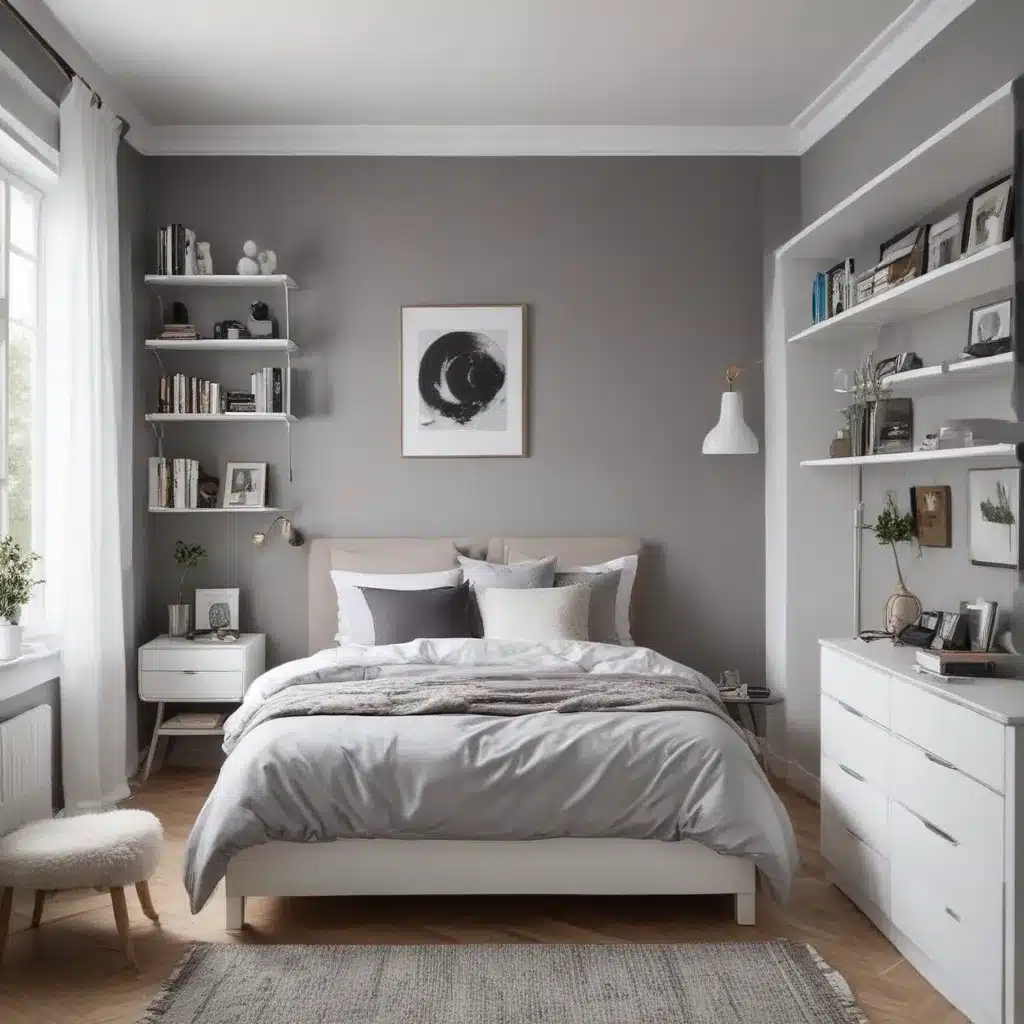
Embracing the Intimate: The Beauty of Small Spaces
As a proud resident of Aberdeen, UK, I’ve always been fascinated by the dynamic interplay between space and design. And let me tell you, when it comes to small rooms, I’ve seen it all – from claustrophobic cave-like abodes to surprisingly airy and inviting sanctuaries. The truth is, creating the illusion of space in a compact room is an art form, and I’ve made it my mission to uncover the secrets that transform the seemingly cramped into the utterly captivating.
Picture this: you step into a cozy living room, and instead of feeling hemmed in, you’re immediately struck by a sense of openness and airiness. The trick, my friends, often lies in the subtle nuances of decor and the clever manipulation of visual cues. It’s a delicate dance, balancing functionality with aesthetic appeal, and I’m here to share my insights and personal experiences to help you master the art of making the most out of your limited square footage.
Maximizing Vertical Space: The Upward Approach
One of the key principles I’ve learned over the years is the power of vertical space. When you’re working with a small footprint, it’s crucial to look up – literally. By incorporating tall, slender pieces of furniture and strategically placing shelves and storage units towards the ceiling, you can create an illusion of height and depth that can instantly transform a cramped room into a airy oasis.
I remember working with a client who had a cozy little studio apartment in the heart of Aberdeen. The challenge was to create a cohesive living and sleeping area without sacrificing the sense of openness. The solution? We incorporated a loft-style bed that maximized the vertical space, allowing us to free up precious floor area for a designated living space underneath. The result? A surprisingly spacious and functional layout that felt far from claustrophobic.
Of course, the key to pulling off this vertical trick is to ensure that the proportions and scale of the furniture pieces complement the room’s dimensions. Overly bulky or disproportionate items can easily make a small space feel even more constricted. It’s all about striking the right balance and finding the sweet spot between form and function.
Mirrors, Mirrors on the Wall: Reflecting the Illusion
Another tried-and-true trick in the small-space design arsenal? Mirrors, my friends. These reflective surfaces have the remarkable ability to create the illusion of depth and expansion, effectively doubling the perceived size of a room. I’ve seen it time and time again – a strategically placed mirror can instantly make a cramped corner feel open and airy, and can even give the impression of an additional window or doorway.
I’ll never forget the time I worked with a client who had a narrow, galley-style kitchen. The space felt like a long, dark tunnel, and she was at her wits’ end trying to make it feel more inviting. That is, until we installed a large, wall-to-wall mirror on one of the longer walls. Suddenly, the room was transformed – the reflection created the illusion of a mirrored passageway, making the space feel twice as wide and infinitely more open.
The key, of course, is to consider the placement and size of the mirrors. Oversized mirrors can overwhelm a small room, while poorly positioned ones can create strange distortions. It’s all about finding the perfect balance and using the reflective surfaces to your advantage. Experiment with different shapes, sizes, and placements until you find the sweet spot that opens up your space in the most visually compelling way.
Lighting: Illuminating the Illusion
Ah, the power of light – it’s the unsung hero in the quest for spatial illusion. Proper lighting can quite literally transform a cramped, dreary room into a bright, airy oasis. And the best part? It’s a relatively easy and cost-effective way to create the illusion of space.
One of my favorite techniques is to incorporate a mix of ambient, task, and accent lighting. By layering different light sources throughout the room, you can create depth and dimension that tricks the eye into perceiving a more expansive environment. Strategically placed recessed ceiling lights, for example, can make a room feel taller, while wall sconces and lamps can add a sense of cozy intimacy.
I’ll never forget the time I worked with a client who had a small, windowless bathroom. The space felt dark, dank, and oppressive – until we implemented a thoughtful lighting plan. By installing sleek, modern vanity lights, a recessed ceiling fixture, and subtle under-cabinet illumination, we were able to make the room feel bright, airy, and infinitely more inviting. The transformation was nothing short of remarkable.
Of course, the key is to strike the right balance. Overly bright or harsh lighting can be just as overwhelming as darkness in a small space. It’s all about finding that sweet spot where the room is bathed in a warm, welcoming glow that enhances the sense of openness and depth.
Color and Texture: The Dynamic Duo
When it comes to creating the illusion of space in a small room, color and texture play a vital role. The strategic use of these design elements can make or break the overall effect, and I’ve seen firsthand how a thoughtful approach can work wonders.
For starters, let’s talk about color. Light, airy hues have a remarkable way of making a space feel more open and expansive. I’m talking soft blues, calming greens, and delicate neutrals that reflect and diffuse light, creating a sense of depth and airiness. On the other hand, bold, saturated colors can often make a room feel smaller and more confining.
But color is just one piece of the puzzle. Texture can also be a powerful tool in the small-space design arsenal. Smooth, reflective surfaces like glass and polished metals can create the illusion of depth and openness, while plush, tactile fabrics can add a cozy, inviting element that balances out the sense of airiness.
I’ll never forget the time I worked with a client who had a tiny, cramped bedroom. The solution? We opted for a soothing, monochromatic color palette, incorporating a mix of smooth, glossy surfaces and rich, textured fabrics. The result? A serene, spa-like retreat that felt far larger than its physical footprint.
The key, as always, is finding the right balance. Too much of one element can quickly become overwhelming, while a harmonious blend can create a cohesive, visually compelling space that feels infinitely more open and inviting.
Flexible Furnishings: Adaptable Solutions for Small Spaces
When you’re dealing with a compact room, flexibility is key. That’s why I’m a huge advocate for pieces that can serve multiple functions and adapt to the changing needs of the space. After all, who has the luxury of dedicating an entire room to a single purpose these days?
Enter the world of transformative furniture. Think modular sofas that can be rearranged to suit different needs, coffee tables with hidden storage compartments, and beds with built-in drawers or desks. These ingenious pieces not only maximize the limited square footage, but they also create a sense of fluidity and adaptability that can make a small space feel far more dynamic and versatile.
I’ll never forget the time I worked with a client who had a cozy one-bedroom apartment. The challenge? Carving out a designated workspace without compromising the living area. The solution? A multi-functional wall unit that housed a hidden desk, shelving, and even a murphy bed for overnight guests. It was a game-changer, transforming the once-cramped space into a functional, adaptable oasis.
Of course, the key to making these flexible furnishings work is to choose pieces that are thoughtfully designed and proportional to the room’s dimensions. Oversized or bulky items can quickly make a small space feel even more constricted, so it’s all about striking the right balance between form and function.
Embracing the Unexpected: Creative Solutions for Small Spaces
Sometimes, the most effective solutions for small spaces come from the most unexpected places. And let me tell you, I’ve seen some real ingenious ideas in my time as a designer.
Take, for instance, the time I worked with a client who had a tiny kitchen with virtually no counter space. The solution? We installed a custom-built butcher block that doubled as a dining table, seamlessly blending function and form in a way that made the most of the limited square footage.
Or how about the client with a cozy bedroom that just couldn’t accommodate a traditional bedside table? Instead, we mounted a sleek, minimalist shelf directly on the wall, creating a space-saving solution that felt equally practical and visually appealing.
The beauty of these creative, outside-the-box ideas is that they not only solve the practical challenges of small spaces, but they also inject a sense of personality and uniqueness that can make a room feel truly special. It’s all about thinking beyond the conventional and embracing the unexpected – and trust me, the results can be nothing short of transformative.
So, whether it’s a custom-built multi-purpose piece or a cleverly repurposed item, don’t be afraid to get a little creative when it comes to decorating your small space. After all, the most memorable and captivating rooms are often the ones that defy convention and surprise you at every turn.
Conclusion: Embracing the Cozy Intimacy of Small Spaces
As I reflect on my experiences working with clients in small spaces, I can’t help but feel a deep appreciation for the unique charm and character they possess. Yes, they may come with their fair share of challenges, but when approached with the right mindset and design strategies, they can become true sanctuaries of comfort and delight.
The key, I’ve learned, is to embrace the cozy intimacy of these spaces, and to use design as a tool to amplify their inherent coziness and warmth. By leveraging clever tricks like vertical storage, strategic lighting, and flexible furnishings, we can create the illusion of expansiveness without sacrificing the sense of comfort and enclosure that makes small spaces so inviting.
And let’s not forget the joy of getting a little creative. Some of my most satisfying projects have been those where we’ve pushed the boundaries of conventional design, coming up with unexpected solutions that transform a compact room into a true work of art.
So, if you’re the proud owner of a small space in Aberdeen, UK, take heart. With the right approach and a bit of design magic, you can create a home that feels just as spacious and awe-inspiring as its larger counterparts. And who knows? You might just find that the true beauty of your space lies in its intimate, cozy charm.


