
The Importance of Noise Reduction in Aberdeen
As a proud resident of Aberdeen, UK, I’ve always been fascinated by the unique architectural landscape of our city. From the granite buildings that shimmer in the North Sea sunlight to the charming cobblestone streets, there’s an undeniable beauty and character to the structures that make up our beloved hometown. However, one aspect of Aberdeen’s built environment that often gets overlooked is the critical need for effective noise reduction – and that’s where insulated cavity walls come into play.
You see, living in a bustling city like Aberdeen comes with its fair share of environmental noise. Whether it’s the rumble of passing traffic, the chatter of crowds, or the occasional sound of construction, the constant din can take a real toll on our mental and physical well-being. That’s why as the owner of a building and renovation company in the heart of the Granite City, I’ve made it my mission to educate homeowners and business owners alike on the transformative power of insulated cavity walls.
Understanding the Science of Insulated Cavity Walls
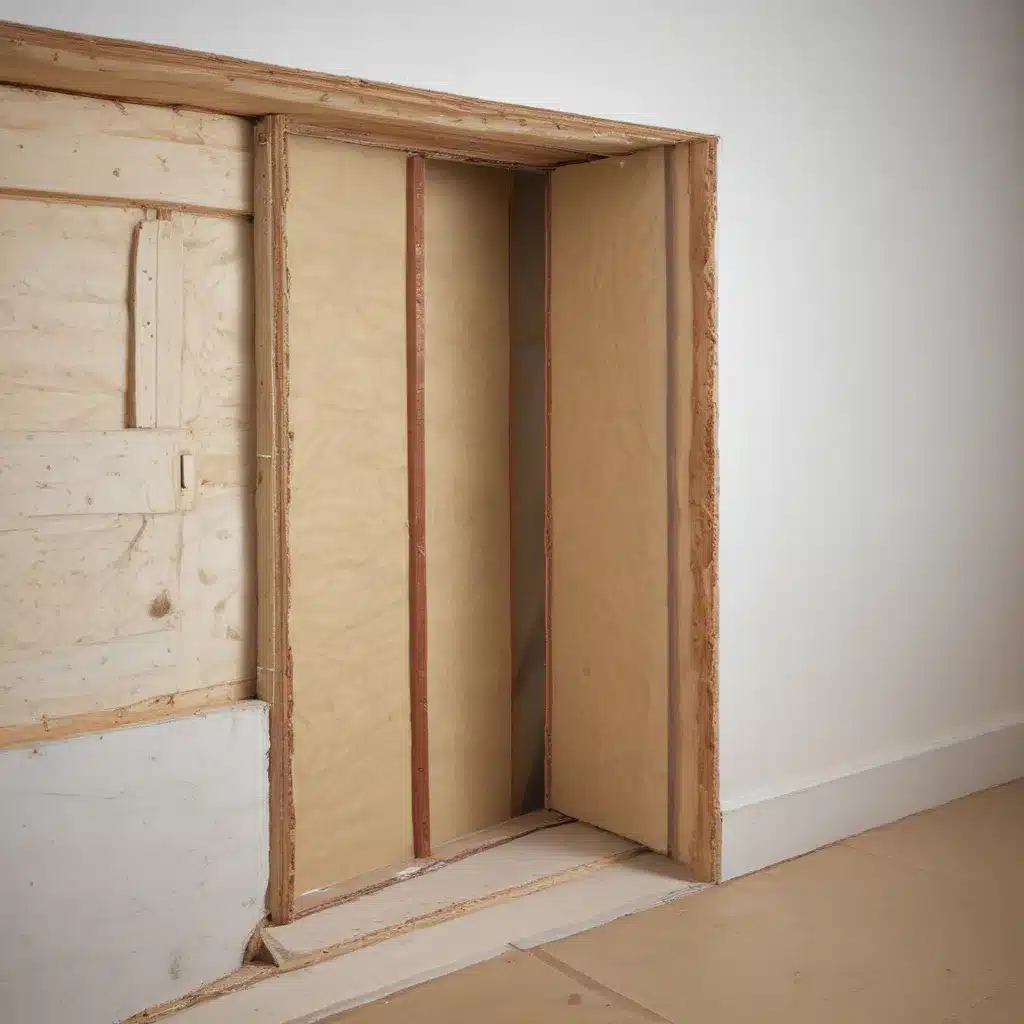
But what exactly are insulated cavity walls, and how do they work to keep noise at bay? Well, let me break it down for you. Essentially, an insulated cavity wall is a type of wall construction that features two layers of masonry (typically brick or stone) with a gap, or “cavity,” in between. This cavity is then filled with a highly effective insulating material, like mineral wool or polystyrene.
The beauty of this design lies in its ability to block sound waves from penetrating the interior of a building. You see, as sound travels through the air, it encounters the first layer of masonry. This initial barrier helps to absorb and reflect a portion of the sound energy. As the sound waves try to pass through the cavity, they lose even more of their intensity, thanks to the insulating material. By the time the sound reaches the inner layer of masonry, it’s been significantly dampened, ensuring a much quieter and more peaceful environment for the building’s occupants.
But the benefits of insulated cavity walls don’t stop there. These versatile construction methods also offer superior thermal insulation, helping to regulate indoor temperatures and reduce energy costs. In a city like Aberdeen, where the weather can be notoriously unpredictable, this can be a real game-changer for homeowners and business owners alike.
Real-World Examples of Insulated Cavity Wall Success
Now, I know what you might be thinking: “Okay, this all sounds great in theory, but does it really work in practice?” Well, let me share a few real-world examples that illustrate the transformative power of insulated cavity walls.
Take the case of the Aberdeen Music Hall, a beloved cultural landmark that underwent a comprehensive renovation project a few years ago. As the project manager on this job, I can attest to the challenges we faced in terms of noise reduction. The Music Hall is situated in the heart of the city, surrounded by bustling streets and commercial activities. To ensure the venue could continue hosting world-class performances without distracting noise pollution, we implemented a state-of-the-art insulated cavity wall system.
The results were nothing short of remarkable. Not only did the new walls effectively block out external noise, but they also helped to improve the building’s overall acoustics, enhancing the audience experience. The project was a resounding success, and the Aberdeen Music Hall has since become an even more cherished cultural hub for our community.
But it’s not just large-scale projects that have benefited from insulated cavity walls. I’ve also worked with countless homeowners in Aberdeen who have transformed the peace and tranquility of their living spaces by incorporating this innovative construction technique. Take, for example, the case of the Smith family, who had been struggling with noise issues in their cozy townhouse for years.
“It was like living in a drum,” Mrs. Smith told me during our initial consultation. “The kids’ bedtime was a constant battle, and we could never truly relax in our own home.” However, after we installed insulated cavity walls throughout their property, the Smiths reported a dramatic reduction in noise levels. “It’s like night and day,” Mrs. Smith exclaimed. “We can actually hear ourselves think now, and the kids are sleeping through the night. It’s been life-changing!”
The Aesthetic Benefits of Insulated Cavity Walls
But the advantages of insulated cavity walls don’t stop at noise reduction and energy efficiency. These construction methods also offer a range of aesthetic benefits that can enhance the overall appeal and value of a building.
For instance, the use of insulated cavity walls allows for greater design flexibility when it comes to the exterior of a structure. The two-layer design provides a canvas for a wide variety of cladding options, from traditional brick and stone to more modern materials like glass or metal. This means that homeowners and business owners in Aberdeen can choose a look that perfectly complements the architectural style of their property, whether it’s a stately granite townhouse or a sleek, contemporary office building.
Furthermore, the insulating properties of cavity walls can help to create a smoother, more consistent appearance on the exterior of a building. By minimizing the risk of thermal bridging and other temperature-related issues, insulated cavity walls can prevent unsightly cracks, discoloration, and other blemishes that can detract from a property’s curb appeal.
The Environmental Impact of Insulated Cavity Walls
But the benefits of insulated cavity walls extend beyond just noise reduction, energy efficiency, and aesthetics. These construction methods also have a significant positive impact on the environment – something that’s particularly important in a city like Aberdeen, where sustainability is a growing concern.
You see, the insulating materials used in cavity wall construction, such as mineral wool and polystyrene, are highly effective at trapping heat and preventing it from escaping a building. This means that properties with insulated cavity walls tend to require less energy for heating and cooling, ultimately reducing their carbon footprint and contributing to a more eco-friendly built environment.
Moreover, the long lifespan of insulated cavity walls – often 50 years or more – means that they generate less waste over time compared to other wall systems that may need more frequent repairs or replacement. This aligns perfectly with the growing emphasis on circular economy principles and sustainable construction practices in the UK.
Investing in the Future with Insulated Cavity Walls
As the owner of a building and renovation company in Aberdeen, I’ve seen firsthand the transformative power of insulated cavity walls. These innovative construction methods have the ability to not only improve the quality of life for building occupants but also contribute to a more sustainable and vibrant city.
Whether you’re a homeowner looking to create a peaceful oasis in the heart of Aberdeen or a business owner seeking to enhance the appeal and functionality of your commercial property, investing in insulated cavity walls is a decision that pays dividends for years to come. By prioritizing noise reduction, energy efficiency, and aesthetic appeal, you’re not only safeguarding your own investment but also contributing to the ongoing evolution of our beloved Granite City.
So, if you’re ready to take the first step towards a quieter, more comfortable, and more eco-friendly future, I encourage you to reach out to our team at ABC Home. We’ll work with you to design and install the perfect insulated cavity wall solution for your property, ensuring that you can enjoy all the benefits of this transformative construction technique for many years to come.


