
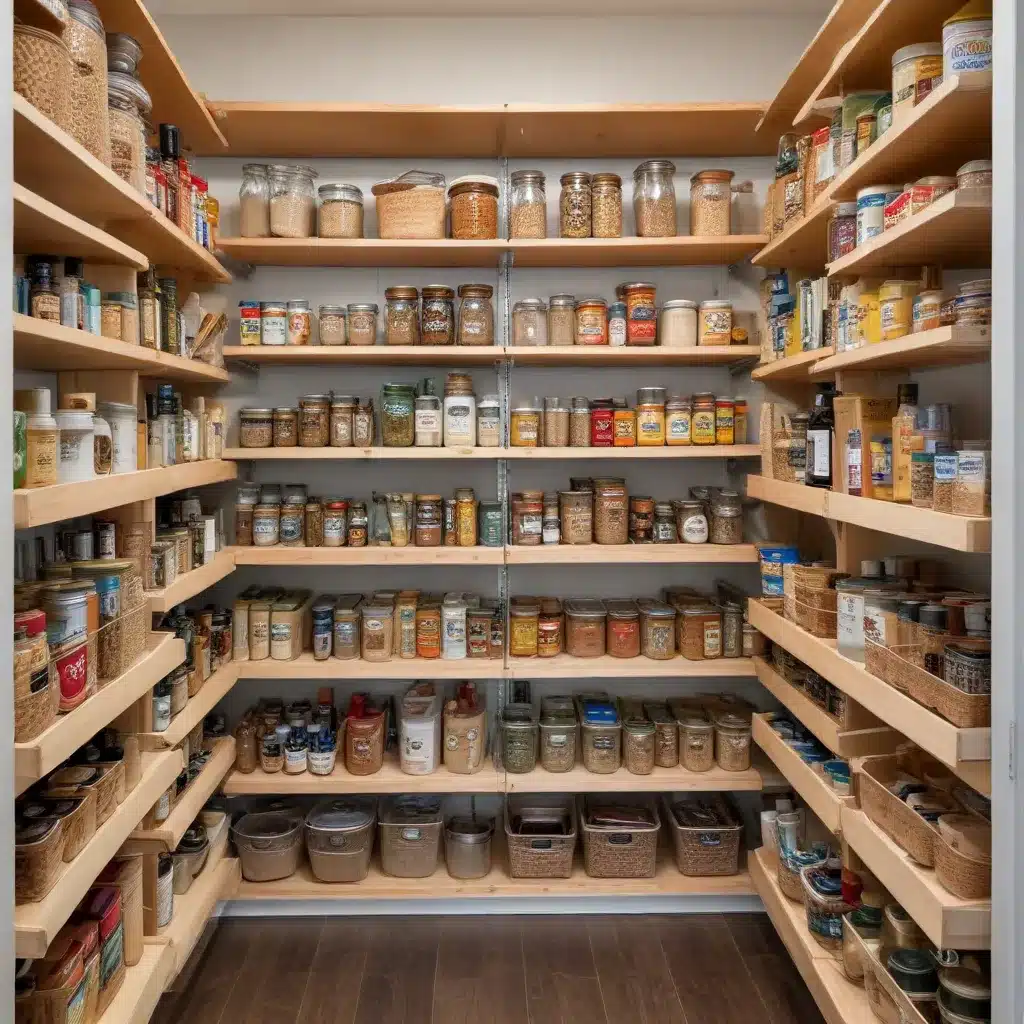
The Foundation of Effective Pantry Design
As a home construction specialist with years of experience, I’ve seen firsthand how a well-organized pantry can transform the functionality of a kitchen. The key to creating a pantry organization system that stands the test of time lies in thoughtful planning and smart design choices.
When I approach a pantry renovation project, I always start by assessing the available space and the homeowner’s specific needs. It’s crucial to consider not just the current storage requirements but also how these might evolve over time. A flexible system that can adapt to changing needs is far more likely to remain effective in the long run.
One of the most important aspects of pantry design is maximizing vertical space. I often recommend installing adjustable shelving systems that allow for easy reconfiguration as storage needs change. This approach not only makes the most of available space but also provides the flexibility to accommodate items of various sizes.
Selecting the Right Storage Solutions
When it comes to choosing storage containers and organizers for a pantry, durability and functionality should be your top priorities. In my experience, investing in high-quality storage solutions pays off in the long run, as they’re less likely to warp, crack, or lose their seal over time.
For dry goods like flour, sugar, and pasta, I typically recommend airtight containers with wide openings for easy scooping. Glass jars can be an attractive option, but I often lean towards BPA-free plastic containers for their lightweight nature and reduced risk of breakage.
For smaller items like spices and baking supplies, drawer organizers or tiered shelves can be incredibly effective. These allow you to see and access everything at a glance, reducing the likelihood of forgotten ingredients lurking at the back of the pantry.
Here’s a comparison of some popular pantry storage options:
| Storage Type | Pros | Cons |
|---|---|---|
| Glass jars | Attractive, easy to clean | Heavy, breakable |
| Plastic containers | Lightweight, durable | May absorb odors over time |
| Wire baskets | Good air circulation, visible contents | Items can fall through gaps |
| Drawer organizers | Maximizes space, keeps items accessible | Can be costly for large pantries |
Implementing Effective Zoning Strategies
One of the most impactful strategies I’ve found for maintaining long-term pantry organization is implementing a clear zoning system. This involves grouping similar items together and assigning specific areas of the pantry for different categories of food and kitchen supplies.
For example, you might designate one shelf for baking supplies, another for canned goods, and a separate area for snacks. This not only makes it easier to find what you need but also simplifies the process of putting things away after grocery shopping.
I always recommend creating a zone for frequently used items at eye level or within easy reach. This might include everyday staples like cereals, bread, and cooking oils. Less frequently used items or bulk purchases can be stored on higher shelves or in less accessible areas.
When implementing a zoning system, it’s important to consider the natural workflow of the kitchen. Placing breakfast items near the coffee maker or toaster, for instance, can make morning routines more efficient.
The Role of Lighting in Pantry Organization
Proper lighting is an often-overlooked aspect of pantry design, but it plays a crucial role in maintaining organization. A well-lit pantry makes it easier to see what you have on hand, reducing the chances of items being forgotten or overlooked.
In my renovation projects, I often recommend installing LED strip lighting under shelves or along the sides of the pantry. These provide even, shadow-free illumination that makes it easy to read labels and locate items. Motion-activated lights can be particularly useful, turning on automatically when you open the pantry door.
For pantries without built-in lighting options, battery-operated puck lights or adhesive LED strips can be an excellent alternative. These are easy to install and can make a significant difference in the usability of the space.
Labeling Systems for Long-Term Success
A clear, consistent labeling system is essential for maintaining pantry organization over time. Labels not only help you quickly locate items but also make it easier for everyone in the household to put things back in their designated spots.
In my experience, removable labels work best for most pantry applications. They allow for easy updates as your storage needs change and don’t leave residue on containers. For a polished look, I often use a label maker to create uniform labels for all containers.
When creating labels, be sure to include not just the name of the item but also any relevant information like expiration dates or cooking instructions. This can be particularly helpful for items that have been decanted from their original packaging.
Incorporating Vertical Storage Solutions
Making the most of vertical space is crucial in any pantry, but it’s especially important in smaller kitchens where every inch counts. Over the years, I’ve found several effective ways to maximize vertical storage:
-
Door-mounted organizers: These can be used to store spices, oils, or small packaged items, turning unused door space into valuable storage.
-
Stackable containers: Opt for square or rectangular containers that can be safely stacked to make the most of shelf height.
-
Pull-out drawers: These can be installed in deep pantries to make items at the back more accessible.
-
Lazy Susans: Perfect for corner shelves or deep cabinets, these rotating trays make it easy to access items that might otherwise be hard to reach.
-
Hanging baskets: These can be suspended from shelves to create additional storage space for fruits, vegetables, or packaged snacks.
By incorporating these vertical storage solutions, you can significantly increase the capacity of your pantry without expanding its footprint.
Maintaining Organization Through Regular Audits
Even the best-designed pantry organization system requires maintenance to remain effective over time. I always advise my clients to conduct regular pantry audits to keep things in order.
A pantry audit involves taking everything out of the pantry, checking expiration dates, and reassessing your storage needs. This is an opportunity to clean shelves, update labels, and reorganize items based on current usage patterns.
I recommend doing a full pantry audit at least twice a year, with mini-audits of specific zones on a more frequent basis. This proactive approach helps prevent the gradual slide into disorganization that can occur over time.
During these audits, it’s also a good time to evaluate your storage containers and organizers. Are they still meeting your needs? Are any showing signs of wear and tear? Addressing these issues promptly can help maintain the integrity of your organization system.
Adapting to Changing Needs
One of the challenges of creating a lasting pantry organization system is anticipating and adapting to changing needs over time. As families grow, dietary preferences shift, or cooking habits evolve, pantry storage requirements can change significantly.
To create a truly adaptable system, I recommend incorporating modular elements wherever possible. Adjustable shelving, removable dividers, and stackable containers all contribute to a flexible system that can evolve with your needs.
It’s also worth considering leaving some empty space in your initial organization setup. This “breathing room” allows for the addition of new items or categories without necessitating a complete overhaul of your system.
Integrating Technology into Pantry Organization
In recent years, I’ve seen an increasing interest in incorporating technology into pantry organization. While not essential, these tech solutions can add an extra layer of convenience and efficiency to your pantry system.
Some options I’ve successfully implemented for clients include:
-
Smart labels: These digital labels can display expiration dates and even send alerts to your phone when items are running low.
-
Inventory apps: These allow you to track what’s in your pantry, create shopping lists, and even suggest recipes based on available ingredients.
-
Voice-activated assistants: These can be used to add items to your shopping list as soon as you notice you’re running low.
-
Smart containers: Some high-tech storage containers can track the weight of their contents and automatically reorder when supplies run low.
While these technological solutions can be helpful, it’s important to remember that they should complement, not replace, a well-designed physical organization system.
The Impact of Color and Aesthetics
While functionality is paramount in pantry design, the visual appeal of your organization system shouldn’t be overlooked. A visually pleasing pantry is more likely to be maintained over time, as it becomes a space you enjoy using rather than one you dread opening.
In my designs, I often use a cohesive color scheme for containers and labels to create a sense of order and calm. Clear containers for dry goods not only allow you to see what’s inside but also create a visually appealing display of different textures and colors.
Consider adding some decorative elements to your pantry as well. A small piece of artwork, a patterned wallpaper on the back wall, or even just a pop of color on the shelves can make the space more inviting and enjoyable to use.
Balancing Accessibility and Storage Capacity
One of the ongoing challenges in pantry organization is striking the right balance between accessibility and storage capacity. While it’s tempting to try to fit as much as possible into the space, overcrowding can quickly lead to disorganization.
I always advise my clients to prioritize accessibility for frequently used items. This might mean sacrificing some storage space to ensure that everyday essentials are easy to reach and put away. Remember, a pantry that’s slightly less full but well-organized is far more functional than one that’s packed to the brim but difficult to navigate.
Consider implementing a “one in, one out” rule for your pantry. This means that for every new item you add, an old one should be used up or removed. This helps prevent overcrowding and ensures that your pantry stays manageable over time.
The Role of Decanting in Long-Term Organization
Decanting – the process of transferring store-bought items into dedicated storage containers – can play a significant role in maintaining long-term pantry organization. While it requires some initial effort, decanting offers several benefits that contribute to a more organized and visually appealing pantry.
Firstly, decanting allows you to standardize the size and shape of your storage containers, making it easier to stack and arrange items efficiently. It also eliminates the visual clutter of mismatched packaging, creating a more cohesive look in your pantry.
Moreover, decanting can help extend the shelf life of many dry goods by providing airtight storage. This is particularly beneficial for items like flour, sugar, and cereals, which can be susceptible to moisture or pests when left in their original packaging.
However, it’s important to approach decanting strategically. I recommend focusing on items that you buy frequently and in bulk, rather than trying to decant every single item in your pantry. Be sure to label containers clearly with the item name and expiration date to avoid confusion.
Creating a System for Rotating Stock
Implementing a system for rotating stock is crucial for maintaining an organized pantry and reducing food waste. The principle is simple: newer items should be placed at the back, with older items moved to the front to be used first.
In practice, this can be challenging to maintain, especially in busy households. Here are some strategies I’ve found effective:
-
Use tiered shelving: This allows you to see all items at once, making it easier to access older items first.
-
Implement a “first in, first out” (FIFO) system: When restocking, always place new items behind or underneath older ones.
-
Regular inventory checks: Periodically review your pantry contents, moving older items to the front and noting upcoming expiration dates.
-
Use clear containers: This allows you to easily see when supplies are running low or nearing expiration.
-
Create an “use soon” section: Designate a specific area for items nearing their expiration date to ensure they’re used promptly.
By consistently applying these strategies, you can significantly reduce food waste and ensure that your pantry stays organized and efficient.
The Importance of Flexibility in Pantry Design
Throughout my years of experience in home construction and renovation, I’ve learned that the most successful pantry organization systems are those that can adapt and evolve over time. Flexibility should be a key consideration in every aspect of your pantry design.
This might mean choosing adjustable shelving systems that can be reconfigured as your needs change, or opting for modular storage containers that can be easily rearranged. It’s also worth considering multi-purpose organizers that can be repurposed for different types of items as your pantry contents evolve.
Remember, your pantry organization system should work for you, not the other way around. Don’t be afraid to make changes if something isn’t working as well as you’d hoped. The goal is to create a system that makes your life easier and more efficient in the long run.
Incorporating Sustainable Practices in Pantry Organization
As a construction specialist, I’ve noticed an increasing interest in sustainable practices among homeowners, and this extends to pantry organization. Incorporating eco-friendly elements into your pantry design not only benefits the environment but can also contribute to a more organized and efficient space.
One simple way to make your pantry more sustainable is by opting for reusable storage containers instead of single-use plastics. Glass jars, stainless steel containers, and high-quality BPA-free plastic containers can all be excellent choices that will last for years.
Another sustainable practice is to focus on reducing food waste through better organization. By implementing effective stock rotation systems and maintaining clear visibility of what you have on hand, you can significantly reduce the amount of food that goes to waste.
Consider incorporating a composting bin into your pantry design for food scraps and expired produce. This not only reduces waste but can also provide nutrient-rich soil for your garden.
The Role of Professional Assistance in Pantry Organization
While many homeowners choose to tackle pantry organization as a DIY project, there can be significant benefits to seeking professional assistance. As a construction specialist, I’ve worked with many clients to create custom pantry solutions tailored to their specific needs and spaces.
Professional organizers or contractors can bring a wealth of experience and innovative ideas to your project. They can help you maximize your available space, suggest storage solutions you might not have considered, and ensure that your pantry design complements the overall style of your kitchen.
Moreover, professionals can often source high-quality materials and storage solutions that may not be readily available to the general public. This can result in a more durable and effective organization system that truly stands the test of time.
If you’re considering a major pantry overhaul or are struggling to create a system that works for you, it may be worth consulting with a professional. Many offer initial consultations where they can assess your space and provide tailored recommendations.
For those in the UK looking for expert assistance with kitchen renovations, including pantry organization, you might want to explore the services offered by ABC Home’s kitchen fitting experts. Their team of specialists can provide valuable insights and solutions for creating a functional and beautiful pantry space.
Conclusion: The Key to Lasting Pantry Organization
Creating a pantry organization system that truly lasts is about more than just buying the right containers or installing new shelves. It’s about understanding your needs, planning for flexibility, and committing to maintaining the system over time.
Remember, the perfect pantry organization system is one that works for you and your household. Don’t be afraid to experiment with different approaches until you find what works best. With thoughtful planning and consistent maintenance, you can create a pantry that not only looks great but also enhances the functionality of your entire kitchen.
By implementing these strategies and considering professional assistance when needed, you can create a pantry organization system that will serve you well for years to come. Here’s to cleaner, more efficient, and more enjoyable cooking experiences in your newly organized pantry!


