
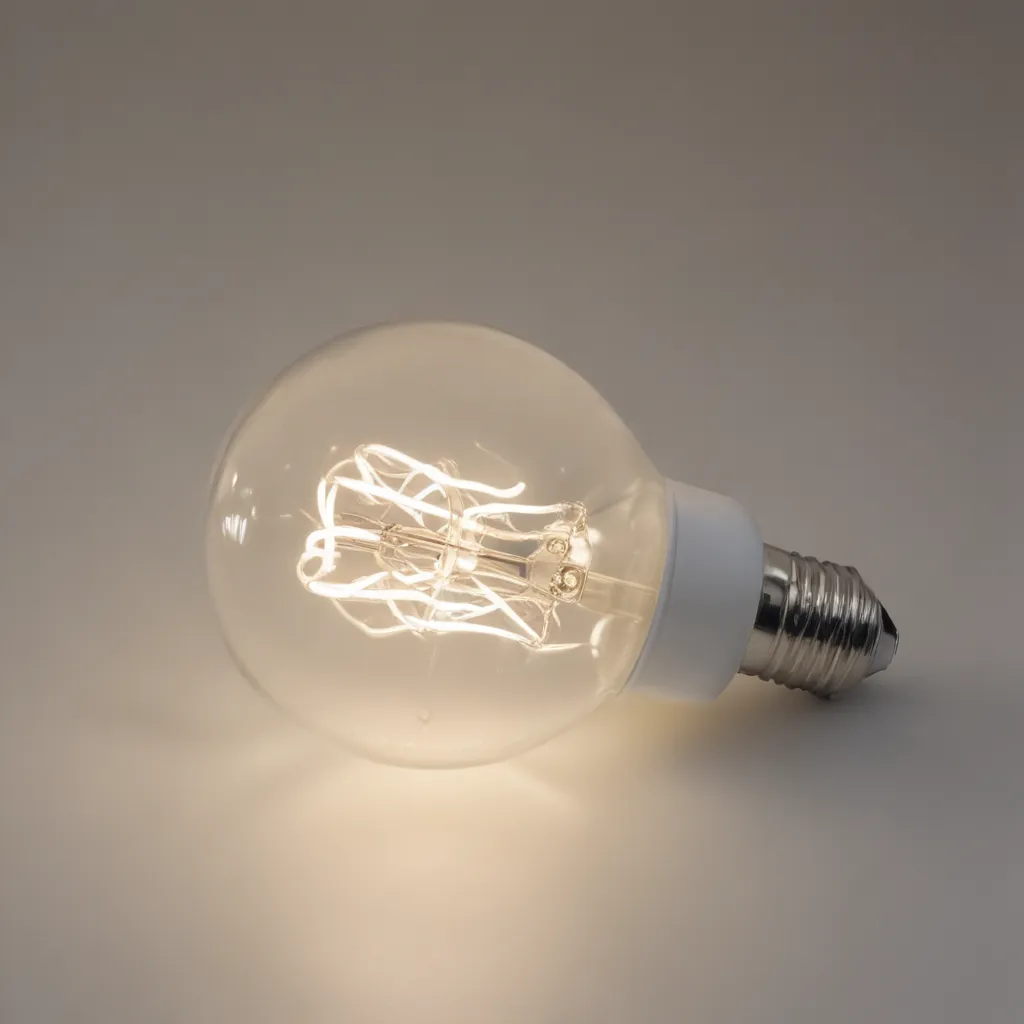
The Bright Side of Going Green
As a homeowner in Aberdeen, UK, I know all too well the struggle of navigating the ever-evolving world of home improvement. From drafty windows to outdated appliances, it can feel like a never-ending battle to keep our homes running efficiently. But you know what they say – the journey of a thousand miles begins with a single step. And for me, that first step was swapping out my old, energy-guzzling light bulbs for their low-energy counterparts.
You see, I used to be one of those people who would walk into a hardware store, stare blankly at the endless array of light bulb options, and just grab whatever was cheapest. Little did I know, I was sabotaging my energy bills and contributing to a whole lot of unnecessary carbon emissions. But once I started doing a bit of research and understanding the real impact of my light bulb choices, everything changed.
The Bright Idea: Understanding Low Energy Lighting
It all started when I noticed my electricity bills creeping higher and higher each month. I’d always been conscious of turning off lights when not in use, but it just didn’t seem to make a dent. That’s when I decided to take a closer look at the type of light bulbs I was using throughout my home.
To my surprise, I learned that traditional incandescent bulbs are actually real energy hogs – converting a mere 10-15% of the electricity they consume into actual light, and the rest being wasted as heat. Meanwhile, their low-energy counterparts, like LED and CFL bulbs, can convert up to 50% of their energy into light. That’s a game-changing difference!
Now, I know what you’re thinking – “But those low-energy bulbs are so much more expensive upfront.” And you’re absolutely right. The initial cost of swapping out all your bulbs can be daunting. However, when you factor in the long-term energy savings and the significantly longer lifespan of these bulbs, the investment more than pays for itself.
For example, a typical LED bulb can last up to 50,000 hours, compared to just 1,000 hours for an incandescent. That means I can go over a decade without having to replace my LED bulbs, whereas I’d be buying new incandescents every few months. And the energy savings? Well, let’s just say my electricity bills have dropped by a solid 25% since making the switch.
Navigating the Low Energy Lighting Maze
Okay, so I’ve convinced you that low-energy light bulbs are the way to go. But now comes the fun part – actually picking them out. Because let me tell you, the options can be overwhelming.
When I first started shopping for LED and CFL bulbs, I was bombarded with all sorts of confusing numbers and terminology – lumens, Kelvin, CRI, the list goes on. It was enough to make my head spin! But with a little bit of research and trial and error, I learned that the key is to focus on a few key factors:
Lumens: This measures the actual brightness of the bulb, not the energy consumption. The higher the lumens, the brighter the light. For a standard room, you’ll want bulbs in the 800-1,600 lumen range.
Kelvin: This indicates the “color temperature” of the light, ranging from warm and cozy (2,700K) to cool and crisp (6,500K). I personally prefer a nice, neutral 4,000K for most of my living spaces.
CRI (Color Rendering Index): This measures how accurately a light source renders colors compared to natural daylight. Aim for a CRI of 80 or higher for the most natural-looking illumination.
Oh, and one more thing – make sure to pay attention to the base size and shape of the bulb. You don’t want to end up with a LED that won’t fit in your existing light fixtures!
Seeing the Light: Real-World Low Energy Lighting Successes
Now, I know all this technical talk about lumens and Kelvin can be a bit dry. But let me tell you, the real-world impact of swapping out my old light bulbs has been nothing short of extraordinary.
Take my kitchen, for example. I used to have this dingy, yellowy glow that made meal prep feel like more of a chore than a joy. But once I installed some bright, crisp 4,000K LED bulbs, it was like the room had been transformed. Suddenly, I could see every nook and cranny, making it a breeze to whip up my signature sourdough bread or prepare a fresh salad.
And then there’s my living room. I’ll admit, I was a little hesitant to go for cool-toned bulbs in such a cozy space. But boy, am I glad I did. The neutral lighting creates the perfect ambiance for curling up with a good book or hosting movie nights with friends. No more squinting to read the subtitles!
But perhaps the most impressive transformation has been in my home office. I used to struggle with eye strain and headaches from the harsh, flickering fluorescent tubes. But now, with some gorgeous 5,000K LEDs, I can put in long hours of work without any discomfort. It’s like my productivity has been supercharged!
Spreading the Low Energy Lighting Love
As I reflect on my journey to a more energy-efficient home, I can’t help but feel a sense of pride and excitement. Not only have I saved a substantial amount on my utility bills, but I’ve also done my part to reduce my carbon footprint. And let me tell you, the benefits extend far beyond just my own four walls.
You see, when we all make the switch to low-energy lighting, the collective impact is truly staggering. According to the U.S. Department of Energy, if every American household replaced just one incandescent bulb with an ENERGY STAR-certified LED, we’d save enough energy to light 2 million homes for a year. That’s the kind of large-scale change that can make a real difference in the fight against climate change.
And it’s not just about the environmental benefits, either. By reducing our energy consumption, we’re also supporting the local grid and helping to prevent those dreaded blackouts that can disrupt our daily lives. Plus, think of all the money we’re collectively saving – that’s more cash in our pockets to invest in other home improvements or, you know, treat ourselves to a little something special.
So, my fellow Aberdonians, I urge you to join me in this low-energy lighting revolution. It may seem like a small step, but trust me, the ripple effects can be enormous. Who knows, maybe one day we’ll be the ones inspiring the rest of the UK to follow in our footsteps and Power Down for a brighter, more sustainable future.
Oh, and if you’re looking for a trusted team to help you with all your home renovation needs, be sure to check out ABC Home. These guys are the real deal when it comes to energy-efficient upgrades and transforming tired, old spaces into modern, eco-friendly havens. Trust me, your utility bills (and the planet) will thank you!


