
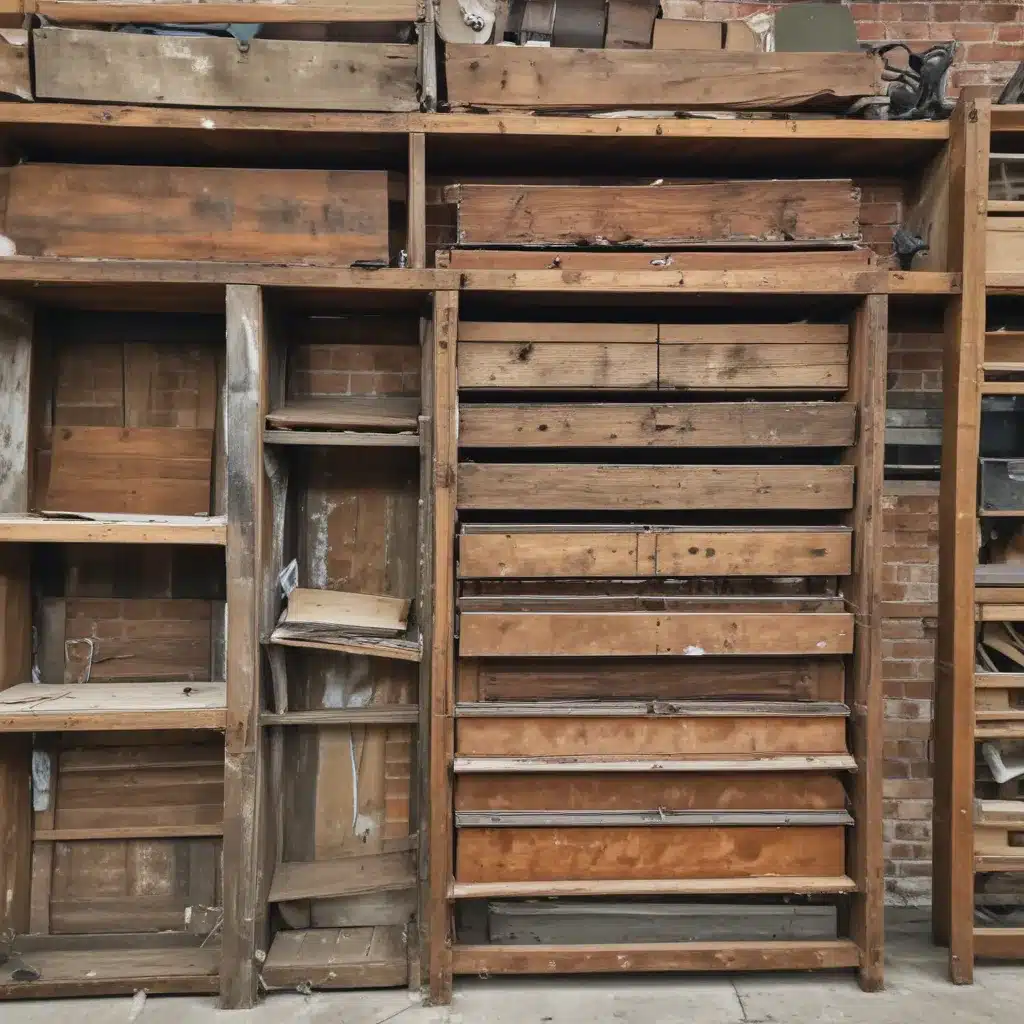
The Joys of Treasure Hunting
Have you ever strolled through a salvage yard or flea market, your eyes scanning the rows of discarded treasures, and felt a tingle of excitement at the prospect of uncovering hidden gems? I know I have. There’s just something about the thrill of the hunt, the potential to transform forgotten objects into something remarkable, that ignites my creative spirit.
As the owner of a building and renovation company here in Aberdeen, I’ve had the privilege of working with all kinds of reclaimed and salvaged materials. From the weathered barn wood that became the centerpiece of a rustic-chic living room, to the vintage light fixtures that added character to a modern kitchen remodel, these secondhand finds have often been the key to unlocking a client’s vision.
But it’s not just about the end result – the journey of sourcing and repurposing these materials can be an adventure in its own right. I’ve spent countless hours scouring local salvage yards, flea markets, and online classifieds, unearthing hidden gems and piecing together the stories behind them. It’s a treasure hunt that never fails to captivate me, and I’m always eager to share my passion with others.
The Environmental Benefits of Salvage
Of course, the appeal of working with salvaged materials goes beyond just the aesthetics. By embracing the secondhand, we’re not only giving new life to discarded items, but also making a tangible contribution to environmental sustainability.
Think about it – every piece of reclaimed wood, every vintage light fixture, every weathered piece of metal that we incorporate into our projects is one less item that ends up in a landfill. We’re reducing waste, conserving natural resources, and minimizing the carbon footprint of our construction activities. And let’s not forget the energy savings that come with repurposing materials instead of manufacturing new ones from scratch.
But the environmental benefits of salvage go even deeper. By sourcing locally, we’re supporting our community’s small businesses and reducing the fuel emissions associated with long-distance transportation. It’s a win-win situation that allows us to create beautiful, one-of-a-kind spaces while doing our part to protect the planet.
The Art of Salvage
Of course, working with salvaged materials isn’t always as simple as it might seem. There’s an art to finding the right pieces, assessing their condition, and imagining how they can be transformed. It’s a skill that requires a keen eye, a creative mind, and a willingness to think outside the box.
Take the case of the old barn wood I mentioned earlier. When my client first brought me the idea, I’ll admit I was a bit skeptical. The wood was weathered, warped, and riddled with nails – hardly the pristine, uniform planks I was used to working with. But as I studied the material, I began to see its potential. The imperfections, the knots, the irregular grain patterns – these were the very things that would give the finished project its unique character.
With some careful planning and a bit of elbow grease, we were able to transform those weathered planks into a stunning focal point for the living room. The process wasn’t always easy, but the end result was a space that felt both rustic and refined, a perfect reflection of my client’s personal style.
The Thrill of the Hunt
Of course, salvage hunting isn’t just about the final product – it’s about the journey itself. I’ve lost count of the number of times I’ve spent hours combing through piles of seemingly random objects, searching for that one perfect piece that will tie a project together.
Take, for example, the time I was scouring a local flea market for unique light fixtures to install in a client’s kitchen remodel. I must have sifted through dozens of outdated, uninspiring options before I stumbled upon an old industrial pendant light – rusted and a little worse for wear, but with an undeniable charm.
As I held that light in my hands, I could practically see it hanging from the ceiling, casting a warm, moody glow over the sleek, modern cabinetry. I negotiated a fair price with the vendor, loaded it into my truck, and got to work on restoring it to its former glory.
The transformation was nothing short of remarkable. With a little elbow grease and a fresh coat of paint, that old industrial pendant light became the perfect counterpoint to the clean lines of the kitchen, adding depth, character, and a touch of vintage flair.
Uncovering Hidden Gems
Of course, the thrill of the hunt isn’t limited to inanimate objects. Sometimes, the most valuable finds come in the form of the people and stories behind the salvaged materials we uncover.
Take, for instance, the time I stumbled upon a set of antique windows at a local architectural salvage yard. As I examined the frames, I couldn’t help but wonder about their history – where had they come from? What stories did they hold?
It wasn’t until I struck up a conversation with the shop owner that I learned the windows had once been part of a grand Victorian-era mansion, demolished decades ago to make way for a new development. The owner, a self-proclaimed history buff, regaled me with tales of the house’s former occupants, the lavish parties they hosted, and the architectural details that had been lost to time.
Suddenly, those old windows took on a whole new meaning. They weren’t just weathered panes of glass – they were tangible links to a bygone era, repositories of stories waiting to be told. With that in mind, I knew exactly how I wanted to incorporate them into my client’s project, ensuring that their unique history would be celebrated and preserved.
The Rewards of Reuse
As I reflect on my experiences with salvaged materials, I’m continually amazed by the ways in which they can transform a space. Whether it’s the rustic charm of reclaimed barn wood, the industrial edge of a vintage light fixture, or the historic allure of antique windows, these secondhand finds have a way of imbuing a project with a sense of depth and character that can be difficult to achieve with brand-new materials.
But the rewards of working with salvaged materials go beyond just the aesthetic. By embracing the secondhand, we’re not only reducing waste and conserving natural resources, but also supporting local businesses, preserving cultural heritage, and fostering a deeper connection between the built environment and the stories it holds.
It’s a philosophy that I’ve come to embrace wholeheartedly in my work, and one that I’m passionate about sharing with others. Whether you’re a seasoned DIYer or simply looking to add a unique touch to your home, I encourage you to explore the world of salvage and see what hidden gems you can uncover. Who knows – you might just stumble upon the perfect piece to bring your next project to life.
So what are you waiting for? Grab your gloves, sharpen your bargaining skills, and get ready to embark on the ultimate treasure hunt. The possibilities are endless, and the rewards are more than worth the effort.


