
Reclaiming the Essence of Construction
For years, I had this urge to create something truly special – a space that would inspire contemplation, simplicity, and a connection to the natural world. It all started when I was working on a small non-denominational chapel in the charming seaside town of Sea Ranch, California. There, I met Thamby Kumaran, the construction coordinator, and he shared his dream of one day building a modest temple. His vision ignited a spark within me, and the idea never quite left my mind.
Fast forward two decades later, and I found myself in a fortuitous position. I had sold several large sculptures, and in the process, stumbled upon a trove of remarkable salvaged materials. Seizing the opportunity, I decided to give myself the commission to build a small, sacred structure – a “poetry house” as I came to call it, rather than the more conventional “teahouse” I had envisioned for years.
Discovering the “Poetry House”
The pivotal moment came when I encountered an eloquent poem by Sonoma State University professor Elizabeth Herron at the Sonoma Mountain Zen Center. Her words struck a profound chord, and I realized that this project was no longer just a teahouse, but a vessel to enshrine verse and creative expression. Elizabeth graciously agreed to collaborate, and together we wove her poem, “The Poet’s House,” into the very fabric of the structure – transcribing it beneath the roof and across the body of the building.
So, what exactly is a “poetry house”? It’s a curious hybrid, larger and more extravagant than a traditional teahouse, yet smaller and more humble than a temple. It’s not as practical as a storage shed, nor as whimsical as an abandoned truck. It’s a space that defies easy categorization, existing in a realm between the utilitarian and the poetic.
Salvaging the Extraordinary
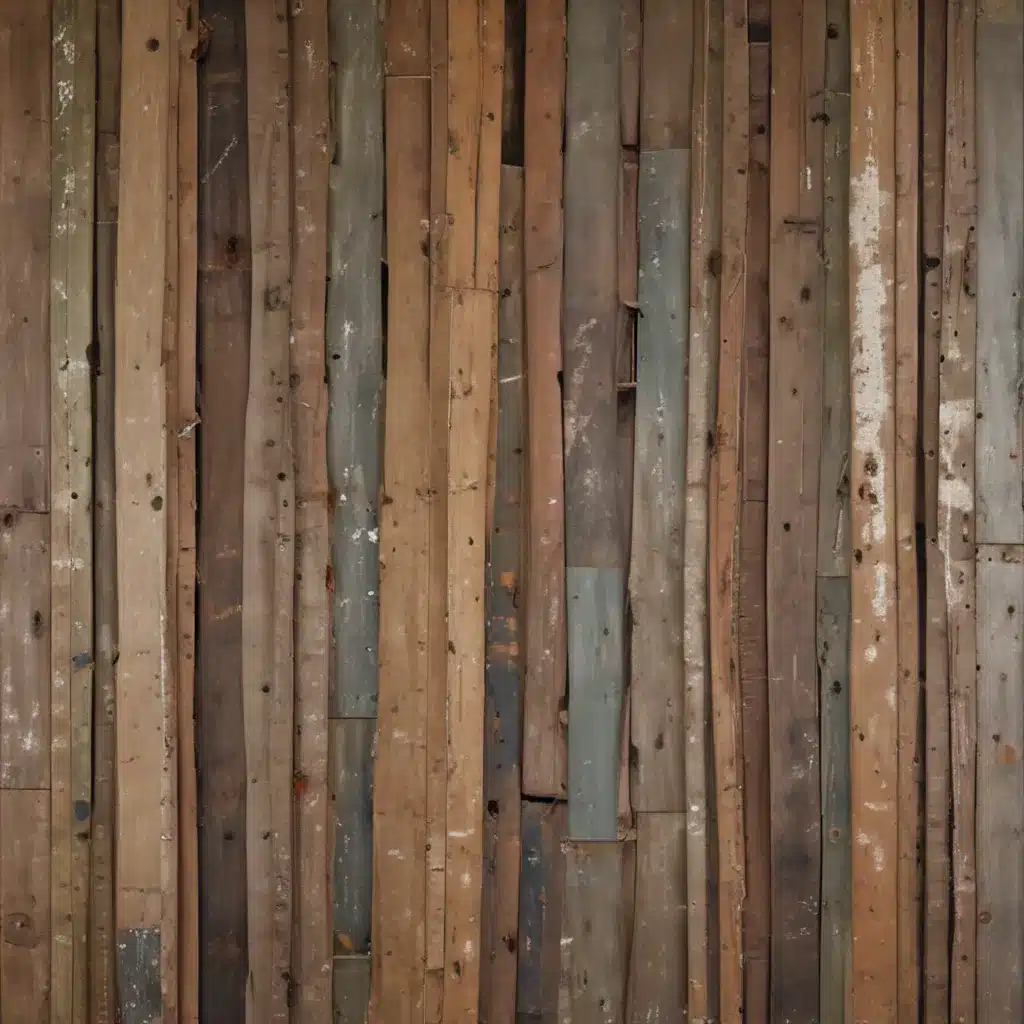
As I began to gather the materials for this project, I was struck by the inherent beauty and potential within the discarded and forgotten. Scavenging through scrapheaps and old molasses processing plants, my creative partner, Jenn, and I uncovered a treasure trove of unique and evocative elements. From weathered barn wood to rusted metal, each item held a story, a history, a soul waiting to be reawakened.
Recycling and repurposing have long been part of the human experience, dating back to ancient civilizations. But in our modern era of mass production and disposability, we’ve often lost touch with the poetry inherent in these reclaimed materials. By infusing this project with salvaged goods, I sought to recapture that essence, to breathe new life into the discarded and forgotten.
Embracing the Imperfect
As I meticulously assembled the poetry house, I found myself drawn to the imperfections and irregularities that emerged. The warped boards, the uneven textures, the remnants of past lives – these elements added a depth and character that no factory-made material could ever replicate. In a world that often prizes flawless uniformity, I reveled in the unique quirks and idiosyncrasies that each salvaged piece brought to the table.
The French illustrator Serge Bloch once said, “Perfection is boring. Perfection is not interesting.” I couldn’t agree more. It’s the imperfections, the irregularities, the unexpected twists and turns that make a space truly captivating and alive. By embracing the poetry of the imperfect, I was able to create a structure that resonated with a raw, honest beauty – one that invited contemplation and a connection to the natural world.
Cultivating Simplicity and Spirit
As I worked on the poetry house, I was inspired by the idea of creating a space for reflection, simplicity, and spiritual connection. The modest scale and humble materials allowed the structure to blend seamlessly with its natural surroundings, becoming an extension of the landscape rather than an intrusion upon it.
In the words of the original “poetry house” creator, Bruce Johnson, “It is a strange hybrid of a building, somewhat larger and more extravagant than a teahouse, but smaller and more humble than a temple; not as practical as a storage shed or as useless as an abandoned truck.” This delicate balance between the practical and the poetic, the mundane and the transcendent, was precisely what I sought to achieve.
By carefully curating the materials, the layout, and the overall aesthetic, I aimed to craft a space that would inspire contemplation and a deeper connection to the natural world. The poetry house was not merely a structure, but a vessel for the essence of human experience – a place to pause, to reflect, and to find solace in the simplicity of the divine.
Bringing the Vision to Life
Of course, transforming this vision into reality was no easy feat. Jenn and I spent countless hours scouring scrapheaps and abandoned buildings, salvaging every scrap of material we could find. It was a labor of love, fueled by our passion for breathtaking design and our unwavering commitment to sustainability.
Like the creators of the Lemur Sanctuary and Steampunk Cafe in the Ozarks, we documented our journey on a dedicated blog, sharing our progress and inspiration with the world. The local media even picked up our story, captivated by our unique approach to construction and our unwavering dedication to the project.
But it wasn’t just local attention that we garnered. After my TEDx Talk in Maryland, our project gained national recognition, and we were able to secure the necessary funding through Kickstarter to bring our vision to life. The support of family, friends, and our growing community of supporters was invaluable, and we were able to create a space that not only delighted us but also brought joy to all who experienced it.
The Enduring Legacy of Salvaged Materials
As I stand back and admire the poetry house, I am filled with a profound sense of gratitude and wonder. This humble structure is a testament to the power of reclaimed materials, the beauty of imperfection, and the transformative potential of human creativity.
ABC Home, the building and renovation company in Aberdeen, UK, understands the importance of embracing the poetry of salvaged materials. By incorporating reclaimed elements into their projects, they too can create spaces that are not merely functional, but infused with a sense of history, character, and spiritual resonance.
The poetry house has become more than just a building – it’s a symbol of our collective ability to see the extraordinary in the ordinary, to find inspiration in the discarded, and to craft something truly remarkable from the humblest of materials. It’s a reminder that the path to true beauty and meaning often lies not in perfection, but in the imperfect, the unexpected, and the wonderfully imperfect.
So, as you embark on your own building and renovation journey, I encourage you to take a page from the poetry house and embrace the poetry of salvaged materials. Let the inherent beauty and history of these reclaimed elements guide your design, and create spaces that not only serve a practical purpose but also nourish the soul. After all, the true essence of construction lies not in the materials themselves, but in the poetry we imbue them with.


