
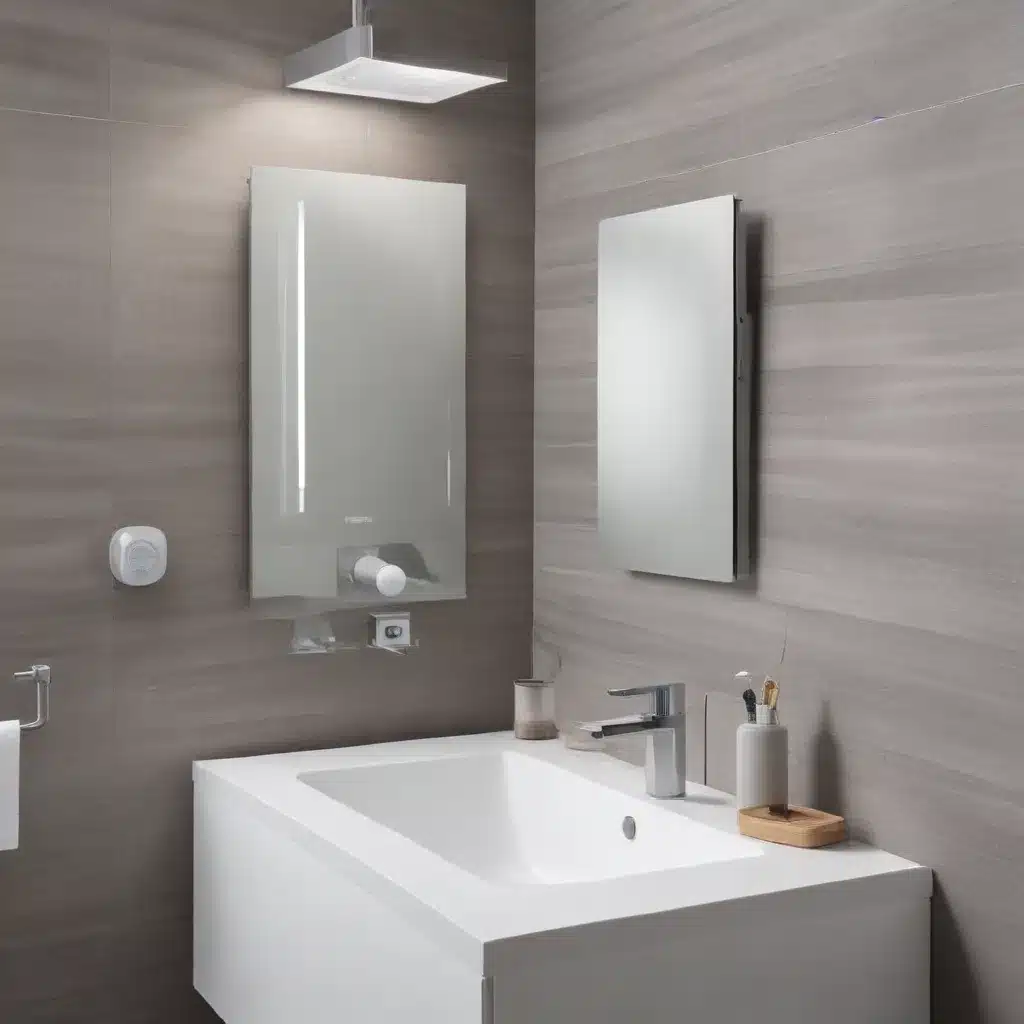
Understanding the Basics of Smart Bathroom Technology
As a home construction specialist, I’ve seen firsthand how smart technology has revolutionized the way we think about bathroom design and functionality. Voice-controlled features are at the forefront of this transformation, offering convenience, accessibility, and a touch of luxury to our daily routines.
When we talk about voice-controlled bathroom features, we’re referring to a range of devices that can be operated through verbal commands. These can include smart lighting systems, temperature-controlled showers, automated toilet functions, and even voice-activated mirrors. The beauty of these systems lies in their ability to create a hands-free environment, which is particularly beneficial in a space where hygiene is paramount.
One of the most exciting aspects of this technology is its potential to enhance accessibility for individuals with mobility issues. By eliminating the need to physically interact with switches or controls, voice-activated features can significantly improve independence and quality of life for many users. It’s a prime example of how thoughtful design and cutting-edge technology can come together to create more inclusive living spaces.
Essential Components for a Voice-Controlled Bathroom
When setting up a voice-controlled bathroom, there are several key components you’ll need to consider. Let’s break these down:
-
Smart Hub: This is the central nervous system of your smart bathroom. It acts as a bridge between your voice commands and the various smart devices. Popular options include systems compatible with Amazon Alexa, Google Assistant, or Apple HomeKit.
-
Voice-Activated Speakers: These devices listen for your commands and relay them to the smart hub. They can be waterproof models designed specifically for bathroom use.
-
Smart Lighting: Voice-controlled lights can adjust brightness and color temperature, creating the perfect ambiance for any time of day.
-
Smart Shower Systems: These allow you to start your shower, set the temperature, and even adjust water flow with voice commands.
-
Smart Mirrors: Voice-activated mirrors can display information like weather forecasts, news updates, or your schedule while you’re getting ready.
-
Automated Ventilation: Voice-controlled exhaust fans can help manage humidity levels and air quality in your bathroom.
When selecting these components, it’s crucial to ensure they’re all compatible with your chosen smart home ecosystem. This compatibility will allow for seamless integration and operation across all devices.
Planning Your Voice-Controlled Bathroom Layout
Before diving into installation, it’s essential to plan your bathroom layout carefully. Consider the placement of each voice-controlled element to maximize both functionality and aesthetics. Here are some key factors to keep in mind:
-
Speaker Placement: Position your voice-activated speaker where it can easily pick up commands from anywhere in the bathroom. Avoid placing it too close to running water sources to prevent interference.
-
Lighting Zones: Plan your smart lighting to create different zones within the bathroom. This might include task lighting around the mirror, ambient lighting for relaxation, and accent lighting to highlight architectural features.
-
Shower Controls: If you’re installing a smart shower system, ensure the controls are easily accessible both from inside and outside the shower enclosure.
-
Mirror Positioning: Place your smart mirror where it’s most convenient for daily use, typically above the vanity. Ensure there’s adequate lighting around it for optimal functionality.
-
Ventilation Considerations: Position your smart ventilation fan strategically to effectively remove moisture and odors from the entire bathroom space.
Remember, the goal is to create a layout that enhances the user experience while maintaining a clean, uncluttered aesthetic. It’s often helpful to create a detailed floor plan, marking the locations of all smart devices and considering how they’ll interact with existing plumbing and electrical systems.
Installation Process: Step-by-Step Guide
Now that we’ve covered the planning phase, let’s walk through the installation process. While some homeowners might feel comfortable tackling parts of this project themselves, I always recommend consulting with or hiring professional electricians and plumbers for any work involving electrical or water systems.
1. Preparing the Space
Start by clearing out your bathroom and protecting any surfaces that won’t be replaced. If you’re doing a complete renovation, this is the time to strip the room back to its shell.
2. Updating Electrical Systems
Most voice-controlled devices require a stable power source and internet connection. Work with an electrician to:
- Install new outlets where needed
- Set up a dedicated circuit for high-power devices
- Ensure proper grounding for all electrical components
- Install ethernet cables if you prefer a wired connection for your smart hub
3. Plumbing Modifications
If you’re installing a smart shower system, you may need to make changes to your existing plumbing. A professional plumber can:
- Install the smart shower valve
- Set up temperature sensors
- Ensure proper water pressure for the system
4. Installing Smart Lighting
Smart lighting installation typically involves:
- Replacing existing fixtures with smart-enabled ones
- Installing smart switches or dimmers
- Setting up any additional accent or task lighting
5. Setting Up the Smart Hub and Speakers
Once the foundational work is done:
- Install your smart hub in a central, protected location
- Set up your voice-activated speakers according to the manufacturer’s instructions
- Ensure all devices are connected to your home’s WiFi network
6. Integrating Additional Smart Devices
Install and connect other smart devices such as:
- Smart mirrors
- Automated ventilation fans
- Smart scales or other bathroom accessories
7. System Configuration and Testing
The final step is to configure your system:
- Set up voice commands for each device
- Create routines or scenes for different times of day or activities
- Test each component thoroughly to ensure proper functionality
Remember, patience is key during this process. It may take some time to fine-tune the system to your preferences, but the end result will be a truly personalized, high-tech bathroom experience.
Optimizing Voice Control for Bathroom Acoustics
One of the challenges in setting up a voice-controlled bathroom is dealing with the unique acoustic environment. Bathrooms are typically filled with hard surfaces that can create echoes and affect the performance of voice recognition systems. Here are some strategies I’ve found effective in optimizing voice control in these spaces:
-
Strategic Speaker Placement: Position your voice-activated speaker away from reflective surfaces like mirrors or tiles. If possible, place it near softer materials like towels or a shower curtain to help absorb sound.
-
Acoustic Treatments: Consider incorporating sound-absorbing materials into your bathroom design. This could include:
- Textured wall tiles that diffuse sound
- Plush bath mats or rugs
-
Acoustic ceiling panels designed for high-humidity environments
-
Adjust Sensitivity Settings: Most voice assistants allow you to adjust their sensitivity. In a bathroom setting, you might need to increase sensitivity to account for background noise like running water.
-
Use Multi-Room Audio: If your bathroom is particularly challenging acoustically, consider setting up a multi-room audio system. This allows you to place additional speakers in adjacent rooms, improving overall voice recognition.
-
Regular Maintenance: Keep your voice-activated devices clean and free from moisture buildup. This ensures optimal performance and longevity in the humid bathroom environment.
By addressing these acoustic considerations, you can significantly improve the reliability and user experience of your voice-controlled bathroom features.
Integrating Voice Control with Existing Bathroom Features
When retrofitting an existing bathroom with voice-controlled features, it’s important to consider how these new technologies will integrate with your current fixtures and systems. Here’s how you can seamlessly blend smart features with traditional bathroom elements:
Lighting Integration
Many existing light fixtures can be made smart by simply replacing traditional bulbs with smart bulbs. For more complex lighting setups:
- Install smart switches that work with your existing wiring
- Use smart plugs for lamps or other plug-in lighting fixtures
- Consider adding LED strip lighting under cabinets or along baseboards for additional voice-controlled ambient lighting options
Faucet and Shower Controls
While replacing your entire shower system might not be feasible, you can still add voice control to your existing setup:
- Install a smart valve that works with your current shower head and controls
- Use a voice-activated smart speaker to set timers or play music during your shower
- Consider a smart water monitor that can alert you to leaks or excessive water usage
Toilet Upgrades
You don’t need to replace your entire toilet to add smart features:
- Install a voice-controlled bidet attachment
- Use a smart plug with your existing bathroom fan to create a voice-activated odor control system
- Add a motion-activated night light to your toilet area for added convenience
Mirror Enhancements
If replacing your entire mirror isn’t an option:
- Install a small, voice-activated smart display near your existing mirror
- Use adhesive LED strips around your mirror that can be controlled by voice
- Consider a portable smart mirror that can be easily moved and stored when not in use
By thoughtfully integrating these smart features with your existing bathroom elements, you can create a high-tech space without the need for a complete overhaul. This approach not only saves on renovation costs but also allows you to gradually upgrade your bathroom over time.
Ensuring Privacy and Security in Your Smart Bathroom
As we integrate more technology into our personal spaces, privacy and security concerns naturally arise. Here are some essential steps to protect your privacy while enjoying the benefits of a voice-controlled bathroom:
-
Secure Your Network: Your smart devices are only as secure as the network they’re connected to. Ensure your home WiFi network is protected with a strong password and WPA2 or WPA3 encryption.
-
Regular Updates: Keep all your smart devices and their associated apps up to date. Manufacturers often release security patches to address vulnerabilities.
-
Review Privacy Settings: Familiarize yourself with the privacy settings of each device and app. Adjust them to limit data collection and sharing to only what’s necessary for functionality.
-
Use Two-Factor Authentication: Where available, enable two-factor authentication for your smart home accounts. This adds an extra layer of security beyond just a password.
-
Be Mindful of Microphone Placement: Consider the location of voice-activated devices. Ensure they’re not placed where they might accidentally record private conversations.
-
Understand Data Usage: Research how the manufacturers of your devices handle and store voice data. Choose products from companies with transparent and responsible data practices.
-
Create a Guest Network: If you frequently have visitors, set up a separate guest WiFi network. This prevents others from accessing your smart home devices directly.
-
Physical Controls: Opt for devices that offer physical controls to disable microphones or cameras when needed. This gives you complete control over when these features are active.
By implementing these security measures, you can enjoy the convenience of a voice-controlled bathroom while maintaining your privacy and peace of mind.
Maintenance and Troubleshooting Tips
To keep your voice-controlled bathroom running smoothly, regular maintenance and quick troubleshooting are key. Here are some tips I’ve gathered from years of working with smart home technology:
Routine Maintenance:
-
Clean Devices Regularly: Wipe down smart speakers, displays, and other devices with a slightly damp, lint-free cloth to remove dust and moisture buildup.
-
Check for Updates: Set a monthly reminder to check for firmware updates on all your smart devices.
-
Test Voice Commands: Periodically test all voice commands to ensure they’re still functioning correctly.
-
Inspect Connections: Regularly check that all devices are securely plugged in and connected to your network.
-
Review and Refresh Settings: Every few months, review your device settings and voice control preferences to ensure they still meet your needs.
Common Issues and Solutions:
- Unresponsive Devices:
- Check power connections
- Restart the device
- Ensure it’s connected to WiFi
-
Verify that the microphone is not muted
-
Poor Voice Recognition:
- Clean the device’s microphone area
- Adjust the device’s position to reduce background noise
- Speak clearly and at a normal volume
-
Retrain the voice recognition if your assistant offers this feature
-
Connectivity Problems:
- Restart your router
- Move devices closer to the router or consider a WiFi extender
-
Check for interference from other electronic devices
-
Inconsistent Performance:
- Ensure all devices are updated to the latest firmware
- Check for conflicts with other smart home devices or apps
-
Consider resetting and reconfiguring problematic devices
-
Battery-Operated Devices Not Responding:
- Replace batteries
- Clean battery contacts
- Ensure the device is within range of your smart hub
Remember, if you’re ever unsure about handling an issue, particularly with devices connected to plumbing or electrical systems, it’s always best to consult a professional. At ABC Home, we’re always ready to assist with any smart bathroom maintenance or troubleshooting needs.
Future Trends in Voice-Controlled Bathroom Technology
As we look to the future, the potential for voice-controlled bathroom technology is truly exciting. Based on current innovations and emerging trends, here are some developments we might see in the coming years:
-
Advanced Water Management: Future systems might use voice commands to monitor and control water usage more precisely. Imagine asking your shower to use exactly 15 gallons for your morning routine or setting voice-activated water conservation modes.
-
Health Monitoring Integration: Smart toilets and scales could work with voice assistants to track health metrics over time. You might be able to ask for a weekly health report or set goals for hydration or weight management.
-
Personalized Experiences: AI-driven systems could learn your preferences and routines, automatically adjusting lighting, temperature, and even water pressure based on the time of day or who’s using the bathroom.
-
Enhanced Accessibility Features: Voice control technology is likely to become even more sophisticated in recognizing different speech patterns, making bathrooms more accessible for individuals with a wider range of speech and mobility impairments.
-
Eco-Friendly Innovations: We might see voice-controlled systems that optimize energy and water usage based on real-time utility rates or environmental conditions, helping homeowners reduce their ecological footprint.
-
Augmented Reality Integration: Voice commands could potentially control AR displays on smart mirrors, allowing users to virtually try on makeup, hairstyles, or even clothes while getting ready.
-
Advanced Material Technologies: Self-cleaning surfaces activated by voice commands could make bathroom maintenance easier and more hygienic.
-
Mood-Responsive Environments: Future bathrooms might use voice commands in conjunction with biometric sensors to create environments that respond to your emotional state, adjusting lighting, music, and even scent to help you relax or energize.
As these technologies evolve, it will be crucial for homeowners and builders to stay informed about the latest developments. At ABC Home, we’re committed to staying at the forefront of these innovations, ensuring that we can offer our clients the most up-to-date and efficient smart bathroom solutions.
Conclusion: Embracing the Smart Bathroom Revolution
As we’ve explored throughout this guide, voice-controlled bathroom features represent a significant leap forward in home technology. From enhanced accessibility and convenience to improved energy efficiency and personalized experiences, the benefits of these smart systems are numerous and compelling.
However, it’s important to approach this technology thoughtfully. Careful planning, professional installation, and ongoing maintenance are key to creating a voice-controlled bathroom that truly enhances your daily routine. Additionally, staying mindful of privacy and security concerns will ensure that your smart bathroom remains a safe and comfortable space.
As a construction specialist, I’ve seen how these technologies can transform ordinary bathrooms into extraordinary spaces. Whether you’re building a new home, renovating an existing bathroom, or simply looking to upgrade your current setup, voice-controlled features offer exciting possibilities for customization and improvement.
Remember, the key to a successful smart bathroom implementation is balancing cutting-edge technology with practical, user-friendly design. It’s not about adding technology for its own sake, but about creating a space that genuinely improves your quality of life.
As we look to the future, the potential for voice-controlled bathroom technology continues to grow. By staying informed about new developments and working with experienced professionals, you can ensure that your bathroom remains at the forefront of home innovation for years to come.


