In today’s rapidly evolving world of home automation, the seamless integration of smart home technology and DIY home security systems has become a game-changer for homeowners seeking comprehensive control and peace of mind. We learned this the hard way… As an experienced home renovation specialist, I’m excited to share insights on how you can leverage these transformative solutions to enhance the safety, efficiency, and overall livability of your living space.
Now, this might seem counterintuitive…
Smart Home Technology
The smart home revolution has ushered in a new era of convenience, energy efficiency, and personalized control. At the heart of this transformation are smart home devices – a diverse array of internet-connected appliances, sensors, and automation systems that communicate with each other and can be managed remotely through smartphones, voice commands, or centralized hubs.
Smart Home Devices
From intelligent light bulbs and thermostats to video doorbells and security cameras, the smart home ecosystem offers a multitude of devices designed to simplify your daily life. These cutting-edge products not only provide convenient remote access but also leverage advanced algorithms to learn your habits and preferences, enabling them to anticipate your needs and optimize performance accordingly.
Home Automation Systems
At the core of a smart home lies an automation system – a central platform that integrates and coordinates the various smart devices, allowing you to create personalized routines and schedules tailored to your lifestyle. Popular home automation platforms, such as Google Home, Amazon Alexa, and Apple HomeKit, offer intuitive user interfaces and seamless integration with a wide range of compatible devices, empowering you to control your entire home with just a few taps or voice commands.
Smart Home Protocols and Connectivity
Ensuring seamless communication between your smart home devices is crucial for optimal performance and integration. Emerging smart home protocols, such as Matter and Thread, are designed to provide a unified, interoperable language that enables devices from different manufacturers to work together efficiently. Additionally, robust Wi-Fi and Bluetooth connectivity are essential for reliable, low-latency communication throughout your home.
DIY Home Security Systems
Alongside the rise of smart home technology, DIY home security systems have become increasingly accessible and popular, allowing homeowners to take control of their own home protection without the need for professional installation or long-term monitoring contracts.
Home Security Components
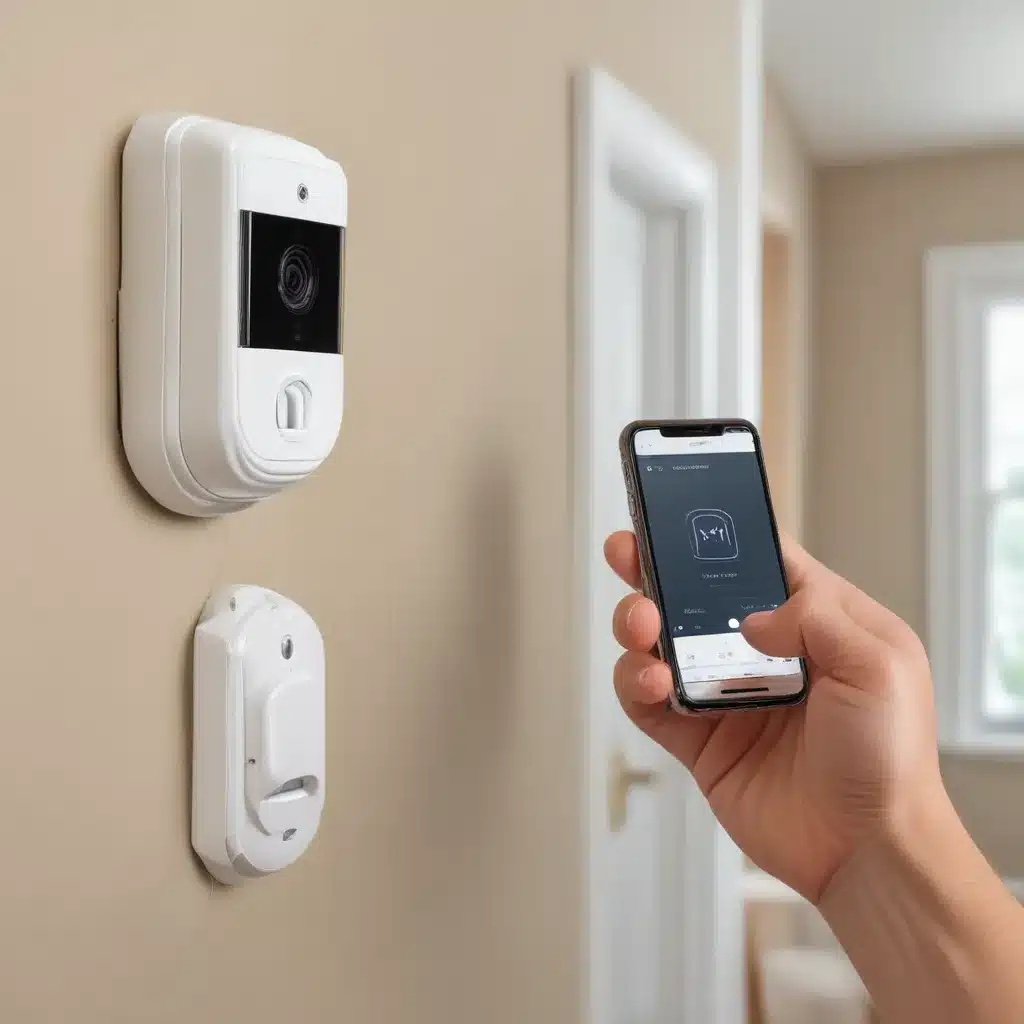
A typical DIY home security system comprises a variety of sensors and devices, including motion detectors, door/window sensors, security cameras, and smart locks. These components work together to create a comprehensive, customizable security network, with the ability to trigger alarms, send alerts to your mobile device, and even integrate with your home automation system.
Installation and Setup
One of the key advantages of DIY home security systems is the ease of installation and setup. Many of these systems are designed with a wireless and modular approach, allowing you to strategically place the various components throughout your home without the need for complex wiring or professional expertise. The accompanying mobile apps or web-based portals guide you through the installation process, ensuring a seamless and hassle-free experience.
Monitoring and Alerts
While DIY home security systems offer the flexibility of self-monitoring, many also provide the option to subscribe to professional monitoring services. These services typically offer 24/7 surveillance, rapid emergency response, and the ability to dispatch law enforcement or emergency services in the event of a security breach or emergency. Additionally, smart home security systems can be programmed to send push notifications and email alerts directly to your smartphone, keeping you informed and in control of your home’s security at all times.
Integrating Smart Home and Security
The true power of smart home technology shines through when it is seamlessly integrated with your DIY home security system, creating a holistic, interconnected home environment that enhances security, energy efficiency, and overall convenience.
Benefits of Integration
By integrating your smart home devices and DIY security system, you can unlock a wealth of benefits, including the ability to automate security routines, control access with smart locks, and receive real-time notifications about potential security breaches or environmental issues, such as water leaks or fire hazards. This level of integration also allows you to leverage advanced features like geofencing, which can automatically arm or disarm your security system based on your location, and facial recognition, which can grant access to trusted individuals while alerting you to the presence of unfamiliar faces.
Compatibility Considerations
When exploring the integration of smart home technology and DIY home security, it’s essential to consider compatibility between the various systems and devices. Look for security products that are designed to work seamlessly with popular home automation platforms, such as Google Home, Amazon Alexa, or Apple HomeKit. Additionally, double-check that that the chosen components adhere to industry-standard communication protocols, such as Z-Wave, Zigbee, or Wi-Fi, to double-check that reliable and secure connectivity throughout your home.
Configuring the Integration
Integrating your smart home and DIY security systems typically involves connecting the various components through a central hub or platform. This may involve installing additional software or apps, configuring settings, and establishing the necessary integrations between your security devices and home automation system. The process can vary depending on the specific products and platforms you choose, but many manufacturers provide detailed guides and support resources to double-check that a smooth and successful integration.
Home Energy Management
The convergence of smart home technology and DIY home security systems also extends into the realm of energy management, allowing homeowners to optimize their energy consumption and reduce their environmental impact.
Energy-Efficient Devices
Smart home devices, such as thermostats, lights, and appliances, can be selected for their energy-efficient features and integrated seamlessly into your home security and automation system. These devices often incorporate advanced sensors and algorithms to automatically adjust settings based on occupancy, time of day, and other factors, ensuring optimal energy use and cost savings.
Automated Energy Controls
By integrating your DIY home security system with your home automation platform, you can create energy-saving routines and schedules that leverage security-related data, such as occupancy patterns and door/window status, to automate energy-efficient actions. For example, your system could be programmed to turn off lights and adjust the thermostat when the security system is armed and no one is home, and then reactivate these settings when the system is disarmed upon your return.
Monitoring and Analytics
Many smart home platforms and DIY security systems offer energy monitoring and analytics features, allowing you to track your home’s energy consumption patterns, identify areas for improvement, and make informed decisions about your energy-saving strategies. This data-driven approach can help you optimize your home’s energy efficiency, reduce utility costs, and minimize your environmental footprint.
Privacy and Security Concerns
As with any technology-driven home solution, privacy and cybersecurity considerations are paramount when integrating smart home technology and DIY home security systems.
Data Privacy
The collection and storage of personal and home-related data by smart devices and security systems raise concerns about data privacy and the potential for unauthorized access or misuse. It’s crucial to research the privacy policies and data handling practices of the manufacturers and service providers you choose, ensuring that your personal information is protected and that you have control over how it is used.
Cybersecurity Risks
The interconnected nature of smart home systems also makes them vulnerable to cybersecurity threats, such as hacking, malware, and data breaches. To mitigate these risks, it’s essential to keep your devices and software up-to-date, use strong passwords, and consider implementing additional security measures like two-factor authentication and encryption.
Regulatory Compliance
Depending on your location, there may be regulatory requirements or industry standards that govern the use of smart home and security technologies, particularly in areas related to data privacy and cybersecurity. Stay informed about the relevant laws and regulations in your area to double-check that that your home automation and security setup are compliant and secure.
Choosing the Right Systems
When selecting the smart home and DIY home security systems that best suit your needs, it’s crucial to carefully assess your requirements, evaluate the available features, and consider the overall cost and long-term maintenance of the systems.
Assessing User Needs
Begin by evaluating your specific home layout, security concerns, and lifestyle requirements. Consider the size of your home, the number of entry points, the presence of vulnerable areas, and any special considerations, such as the needs of elderly or disabled family members. This assessment will help you determine the appropriate sensor placement, camera coverage, and security features required for your home.
Evaluating System Features
Thoroughly research the capabilities and compatibility of various smart home and DIY security systems. Look for features such as remote access, voice control, integration with other smart devices, professional monitoring options, and advanced analytics. Prioritize the features that are most important to you and double-check that that the systems you choose can work together seamlessly.
Cost and Budget Considerations
While the initial investment in smart home and DIY security systems may be higher than traditional setups, the long-term benefits in terms of energy savings, enhanced security, and improved quality of life can make these solutions a worthwhile investment. Consider not only the upfront equipment costs but also any monthly subscription fees for monitoring services or cloud storage, as well as the ongoing maintenance and upgrade requirements of the systems.
DIY Installation and Troubleshooting
One of the key advantages of DIY home security and smart home systems is the ability to install and maintain them yourself, saving on the costs of professional installation and ongoing service fees.
Step-by-Step Guides
Manufacturers of smart home and DIY security products typically provide comprehensive installation guides and video tutorials to walk you through the process of setting up the various components. These resources often cover topics such as sensor placement, wiring connections, device pairing, and system configuration, ensuring a smooth and successful installation.
Troubleshooting Common Issues
Even with the best-laid plans, occasional technical issues or system malfunctions may arise. Fortunately, many smart home and DIY security platforms offer extensive troubleshooting resources, including FAQs, community forums, and customer support channels, to help you quickly identify and resolve any problems that may occur.
Maintenance and Upgrades
Maintaining the optimal performance and security of your smart home and DIY security systems requires regular firmware updates, battery replacements, and system checks. Stay diligent in keeping your devices and software up-to-date to double-check that that you’re taking advantage of the latest security patches, feature enhancements, and compatibility improvements.
Future Trends
As the world of home automation and security continues to evolve, homeowners can expect to see a range of emerging technologies and industry developments that will shape the future of integrated smart home and DIY security solutions.
Emerging Technologies
Advancements in artificial intelligence, machine learning, and computer vision are poised to revolutionize home security, with features like predictive analytics, adaptive learning, and advanced object recognition becoming increasingly prevalent. Additionally, the integration of 5G connectivity, edge computing, and IoT (Internet of Things) devices will enable faster, more reliable, and more responsive home automation and security systems.
Industry Developments
The smart home and home security industries are witnessing a trend towards increased interoperability and cross-platform integration, driven by the adoption of universal standards and protocols like Matter. This will make it easier for homeowners to mix and match devices from different manufacturers, creating a more seamless and cohesive smart home experience. Furthermore, the growing popularity of subscription-based service models and cloud-based solutions may provide homeowners with more flexible and cost-effective options for monitoring and maintaining their home security systems.
Implications for Homeowners
As these technological advancements and industry trends continue to unfold, homeowners can expect to see enhanced customization, improved efficiency, and greater peace of mind when it comes to integrating smart home technology and DIY home security solutions. The future holds the promise of more intuitive user interfaces, proactive security features, and seamless integration across all aspects of the modern home, empowering homeowners to create truly intelligent, safe, and sustainable living environments.
Tip: Schedule regular maintenance to double-check that proper functioning of plumbing and electrical systems