Understanding the Importance of PAT Testing
As someone who’s passionate about all things home improvement, I can’t stress enough the importance of PAT (Portable Appliance Testing) testing. It’s one of those essential tasks that often gets overlooked, but trust me, it’s a crucial part of keeping your home or business safe and up to code.
You see, PAT testing is all about ensuring the electrical appliances in your space are functioning properly and won’t pose any risks to you or your loved ones. It’s not just a box to tick – it’s a proactive measure that can literally save lives. Imagine the horror of a faulty appliance sparking a fire or delivering a nasty shock. Yikes, no thank you!
I still remember the time I was helping my mate Dave renovate his kitchen. We were halfway through the project when the old fridge decided to kick the bucket. Turns out, the wiring was a bit dodgy, and it had been quietly posing a serious fire hazard the whole time. Needless to say, we dropped everything and called in the professionals to get it sorted. Boy, was Dave relieved to have that sorted before any disasters struck.
The Legalities and Regulations of PAT Testing
Now, I know what you’re thinking – “PAT testing, really? Isn’t that just some boring legal mumbo-jumbo?” Well, let me tell you, it’s actually a pretty big deal in the world of building and renovation. You see, there are strict regulations in place when it comes to electrical safety, and PAT testing is a crucial part of making sure you’re ticking all the right boxes.
In the UK, the Electricity at Work Regulations 1989 require that any electrical equipment used in the workplace is maintained in a safe condition. And that’s where PAT testing comes in. It’s a way of systematically checking the safety of your electrical appliances, from those trusty old kettles to the latest and greatest power tools.
But it’s not just workplaces that need to worry about PAT testing. Believe it or not, even in our own homes, we’re expected to keep our electrical appliances in tip-top shape. The Plugs and Sockets etc. (Safety) Regulations 1994 require that any electrical equipment used in a private dwelling must be safe to use. And let me tell you, the fines for non-compliance can be a real headache – we’re talking thousands of pounds here, folks.
The PAT Testing Process Explained
Okay, so we’ve established that PAT testing is a big deal, but what exactly does it involve? Well, let me break it down for you.
The process typically starts with a visual inspection of the appliance. The tester will check for any obvious signs of damage, like frayed cables or loose plugs. They’ll also make sure the appliance is properly earthed and that the cord and plug are in good condition.
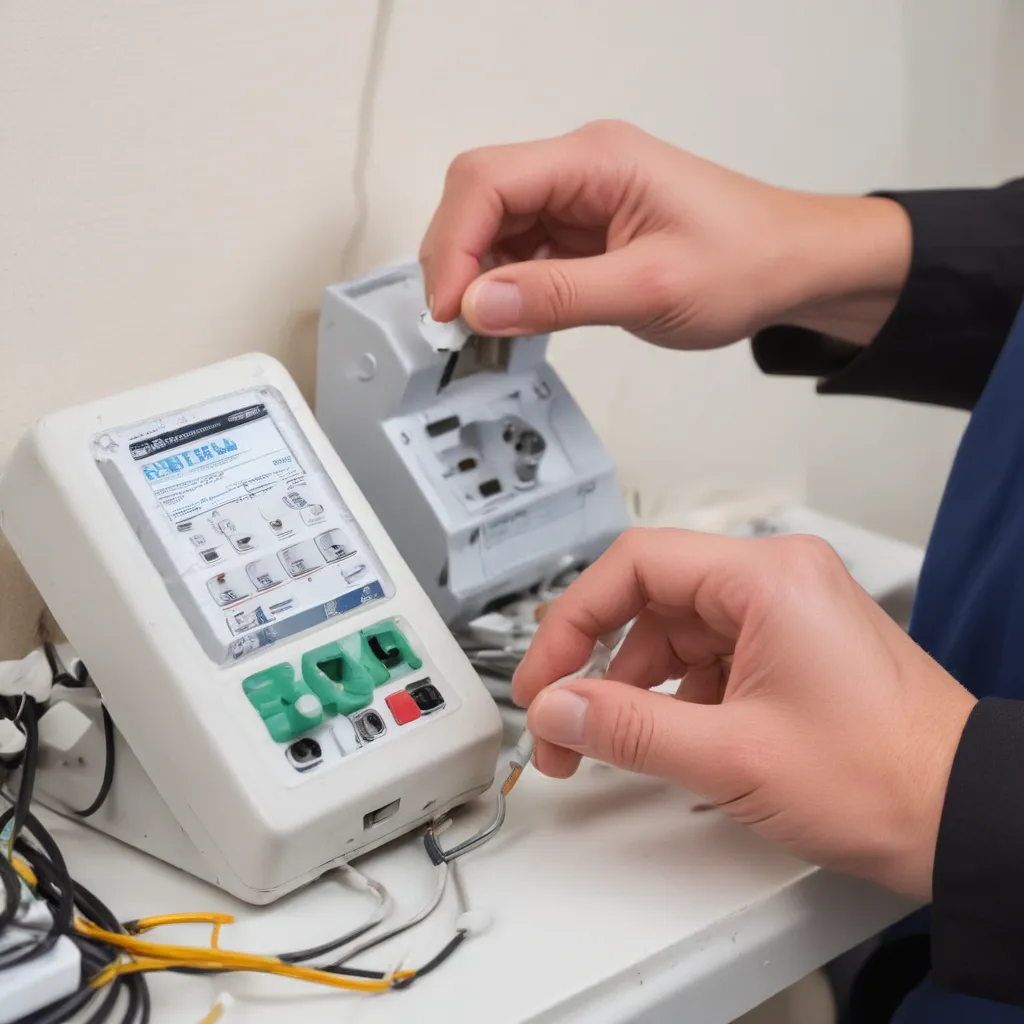
Next up, the tester will perform a series of electrical tests. They’ll use specialist equipment to check the insulation resistance, earth continuity, and, in some cases, the operation of any fuses or circuit breakers. These tests are designed to identify any potentially dangerous faults that could put you and your family at risk.
And let me tell you, these tests are no joke. I’ve seen testers get really technical, delving into the nitty-gritty of electrical safety like a true pro. They’ll scrutinize every nook and cranny, leaving no stone unturned. It’s like being under the microscope, but for your appliances!
Once the testing is complete, the tester will generate a detailed report, outlining any issues that need to be addressed. And let me tell you, that report is worth its weight in gold. It’s your roadmap to keeping your home or business safe and compliant.
The Frequency of PAT Testing: When and How Often?
Alright, so we’ve covered the importance of PAT testing and the legal requirements, but now you’re probably wondering, “When the heck do I need to do this, and how often?”
Well, the frequency of PAT testing can vary depending on the type of appliance and the environment it’s used in. As a general rule of thumb, low-risk appliances (think things like desktop computers and phone chargers) should be tested every 2-4 years. Medium-risk appliances (like kettles and microwaves) should be tested annually, and high-risk appliances (such as power tools and industrial equipment) should be tested every 6-12 months.
But hold on, it’s not as straightforward as that. The type of environment the appliance is used in can also play a big role. For example, if you’ve got appliances being used in a harsh, dusty, or wet environment, you might need to test them more frequently to ensure they’re still in good working order.
And let’s not forget about the dreaded PAT testing stickers. These little guys are like the secret language of electrical safety. They’ll tell you when the last test was performed and when the next one is due. It’s like having your own personal electrical appliance calendar!
The Costs and Benefits of PAT Testing
Okay, I know what you’re thinking – “This all sounds great, but how much is it going to cost me?” Well, the truth is, the cost of PAT testing can vary quite a bit, depending on the number of appliances you need to test and the complexity of the testing process.
As a rough estimate, you’re looking at around £3-£5 per appliance for a basic PAT test. But if you’ve got a lot of equipment or you need more advanced testing, the price can quickly add up. It’s not exactly pocket change, but trust me, it’s a small price to pay for the peace of mind of knowing your home or business is safe and compliant.
And the benefits? Oh, they’re endless, my friend. Not only will PAT testing help you avoid hefty fines and legal headaches, but it’ll also give you the confidence that your appliances are operating at their best. Imagine the relief of knowing that your trusty old kettle isn’t going to suddenly burst into flames or your power tools aren’t going to give you a nasty shock.
Plus, let’s not forget the added bonus of boosting your reputation as a responsible and safety-conscious business or homeowner. Clients and customers will see that you take electrical safety seriously, and that can go a long way in building trust and loyalty.
Choosing the Right PAT Testing Provider
Now, with all the ins and outs of PAT testing covered, the next step is finding the right provider to get the job done. And trust me, this is no small feat. You want to make sure you’re working with a reputable, experienced, and qualified professional.
First and foremost, look for a provider that’s fully certified and accredited. They should have the necessary qualifications, like a City & Guilds 2377 certification, to ensure they know their stuff. And don’t be afraid to ask for proof – a good provider will be more than happy to show you their credentials.
But it’s not just about the paperwork. You also want to make sure the provider has a track record of delivering high-quality service. Check out their reviews, ask for references, and see if they have any case studies or testimonials to back up their claims.
And let’s not forget the personal touch. You want to work with a provider that’s responsive, communicative, and genuinely cares about your needs. They should be willing to answer your questions, provide detailed reports, and offer guidance on any issues that crop up.
Remember, PAT testing is all about keeping you and your loved ones safe, so you want to make sure you’re working with the best of the best. Don’t be afraid to shop around and do your due diligence – it’s the only way to ensure you’re getting the top-notch service you deserve.
Conclusion: Embracing PAT Testing for a Safer Future
Well, there you have it, folks – a comprehensive guide to the ins and outs of PAT testing. From the legal requirements to the nitty-gritty of the testing process, I’ve covered it all.
But you know, as much as PAT testing might seem like a hassle, it’s really a small price to pay for the peace of mind and safety it provides. Think about it – a few quid and a bit of time spent testing your appliances could be the difference between a cozy, worry-free home and a potential disaster.
And let’s not forget, as a building and renovation company, we have a responsibility to our clients to ensure their homes and businesses are as safe as can be. PAT testing is just one of the many ways we can demonstrate our commitment to their well-being and set ourselves apart from the competition.
So, if you’re ready to take the leap and get your appliances tested, be sure to check out our top-notch PAT testing services. We’ve got a team of qualified, experienced professionals who are ready to put your mind at ease and keep your home or business safe and sound. Trust me, it’s an investment that’s well worth it.