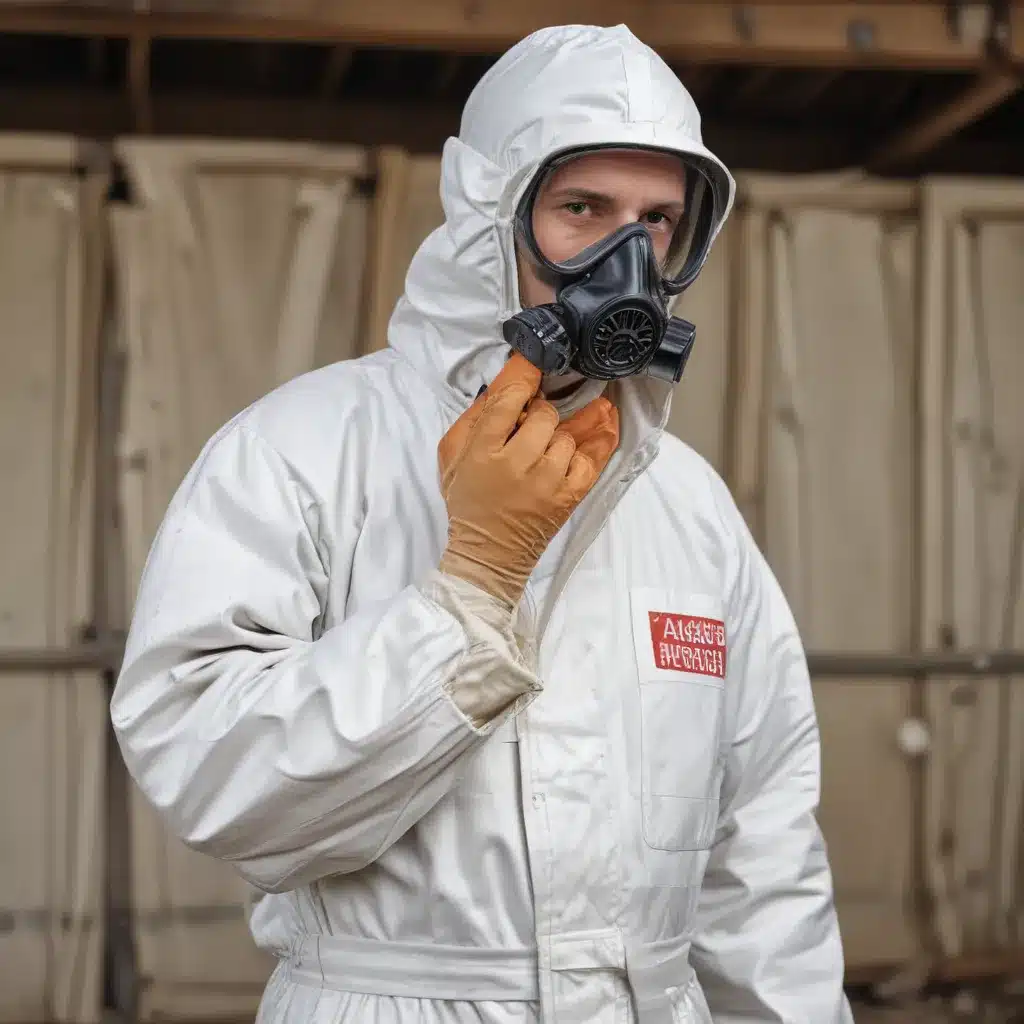
The Invisible Killer in Your Home
Ah, the joys of home renovation. The smell of fresh paint, the satisfying crunch of demolition, the thrill of transforming a drab space into something spectacular. But lurking beneath the surface, there’s a silent adversary that could turn your dream project into a nightmare – asbestos.
You see, I’ve been down this road before. When my wife and I bought our first fixer-upper in Aberdeen, we were giddy with excitement. We could just envision the gorgeous open-concept kitchen, the cozy fireplace, and the spa-like master bathroom. Little did we know, our home was harbouring a deadly secret.
As we started tearing down walls, the unthinkable happened. Our contractor discovered traces of asbestos in the drywall and insulation. Panic set in. Had we been exposing ourselves and our young kids to this invisible killer all this time? The thought made my heart race.
Identifying the Danger
Asbestos is a naturally occurring mineral that was once hailed as a wonder material, prized for its heat-resistant and insulating properties. But as we now know, exposure to asbestos fibers can lead to devastating health consequences, including lung cancer, mesothelioma, and asbestosis. And the worst part? You can’t see, smell, or taste it.
So, how do you even begin to spot this elusive hazard? Well, my friend, that’s where I come in. As the owner of ABC Home Renovations, I’ve seen my fair share of asbestos-related nightmares. But I’ve also learned a thing or two about identifying and mitigating the risks.
First and foremost, it’s crucial to understand where asbestos might be lurking in your home. It was commonly used in a variety of building materials, including:
- Insulation (attic, wall, and pipe)
- Drywall and joint compounds
- Ceiling tiles
- Vinyl floor tiles and sheet flooring
- Roofing and siding shingles
- Electrical wiring insulation
If your home was built before 1980, there’s a good chance asbestos is present. But even newer homes aren’t entirely safe, as some materials containing asbestos may have been used in renovations or additions.
Spotting the Signs
Now, I know what you’re thinking: “How am I supposed to identify asbestos if I can’t even see it?” Well, my friend, it’s all about being a keen observer. Here are some telltale signs to watch out for:
- Crumbling or deteriorating building materials: Asbestos-containing materials can become brittle and start to crumble over time, releasing dangerous fibers into the air.
- Textured or “popcorn” ceilings: Those fun, bumpy ceilings were often made with asbestos-laced materials.
- Vinyl floor tiles or sheet flooring: Older vinyl flooring may contain asbestos, especially if it has a mottled or speckled pattern.
- Insulation around pipes or in the attic: If you can see insulation that’s starting to fray or come loose, it could be a sign of asbestos.
And let’s not forget the classic warning sign: that musty, dusty smell that permeates the air when asbestos-containing materials are disturbed. It’s like a sinister perfume, luring you into a world of health hazards.
Calling in the Experts
Now, I know what you’re thinking: “Great, I’ve identified the problem. What do I do next?” Well, my friend, the answer is simple – call in the professionals.
Attempting to remove or repair asbestos-containing materials yourself is a big no-no. Trust me, I’ve seen the aftermath of DIY asbestos removal gone wrong, and it ain’t pretty. You could be putting yourself, your family, and your pets at serious risk of exposure.
Instead, reach out to a reputable asbestos abatement company. These folks are trained in the proper handling and disposal of asbestos, and they have the right equipment to keep everyone safe. They’ll come in, assess the situation, and develop a plan to safely remove the hazardous materials.
And let me tell you, it’s worth every penny. The peace of mind of knowing your home is asbestos-free is priceless. Plus, you can rest assured that you’re not unknowingly spreading those deadly fibers throughout your living space.
Preventing Future Hazards
Okay, so you’ve tackled the asbestos problem in your home. But what about the future? How can you ensure that you don’t end up in this predicament again?
The key is to be proactive and do your due diligence when it comes to any home renovations or repairs. Before you even pick up a hammer, do your research. Hire a qualified professional to inspect your home and identify any potential asbestos-containing materials.
And when it comes time to tackle a project, always err on the side of caution. Assume that any older building materials could contain asbestos, and take the necessary precautions. Work with a licensed contractor who specializes in asbestos abatement, and make sure they follow all the proper safety protocols.
I know it can be a pain, but trust me, it’s worth it. The last thing you want is to end up with a health crisis on your hands, all because you tried to save a few bucks on a DIY project.
Asbestos-Free Homes for All
At the end of the day, my mission is to help homeowners like you create safe, healthy living spaces. Asbestos is a silent killer, but with the right knowledge and the right team, you can conquer this invisible enemy.
So, if you’re tackling a renovation project in Aberdeen, or you’re simply concerned about the potential presence of asbestos in your home, don’t hesitate to reach out to ABC Home Renovations. We’ve got the expertise and the resources to help you navigate this tricky terrain and ensure your home is asbestos-free.
Remember, your safety and the safety of your loved ones should always be the top priority. So, let’s work together to make your home a haven – a place where you can breathe easy and focus on the joys of living, not the hidden dangers lurking in the walls.