Introduction: Protecting What Matters Most
As a proud homeowner in Aberdeen, UK, I know the immense joy and pride that comes with having a place to call your own. But along with that joy, there’s also a responsibility – the need to ensure the safety and well-being of my family and my most cherished possessions. And when it comes to fire safety, that responsibility becomes even more paramount.
You see, I’ve seen firsthand the devastation that can occur when a fire breaks out. The images of charred walls, melted belongings, and the overwhelming sense of loss – it’s something that no one should ever have to experience. That’s why I’m on a mission to share the essential fire safety tips and strategies that have helped me and my loved ones sleep soundly at night, knowing that we’re as prepared as we can be.
In this comprehensive guide, I’ll dive deep into the crucial elements of fire safety, from installing the right smoke detectors and fire extinguishers to creating a foolproof escape plan. I’ll even share some real-life stories and lessons learned from my own experiences, because I firmly believe that the best way to stay safe is to learn from those who have been there before.
So, whether you’re a seasoned homeowner or just starting your journey into the world of home ownership, I invite you to join me on this fire safety odyssey. Together, we’ll uncover the essential steps you need to take to keep your home and your loved ones protected from the devastating effects of fire.
Importance of Fire Safety: Protecting Your Most Precious Possessions
Fire safety isn’t just about protecting your physical home – it’s about safeguarding the irreplaceable memories and cherished belongings that make a house a true home. Think about it: your home is the repository for all the photos, heirlooms, and sentimental items that tell the story of your life. The thought of losing those priceless possessions in a fire is enough to send a shiver down anyone’s spine.
But it’s not just the emotional toll that a fire can take – the financial costs can be absolutely devastating as well. Repairing or rebuilding a home after a fire can easily run into the tens of thousands, if not hundreds of thousands, of pounds. And that’s not even factoring in the cost of replacing all of your personal belongings, from furniture and electronics to clothing and keepsakes.
And let’s not forget the potential for injury or loss of life. Fires can spread with lightning-fast speed, trapping unsuspecting occupants and leaving them helpless. The thought of my loved ones being in harm’s way is simply too much to bear.
That’s why fire safety is so critical – it’s not just about protecting your physical home, but about safeguarding the very fabric of your life. By taking the necessary precautions and implementing the right fire safety measures, you can rest easy knowing that you’ve done everything in your power to keep your family and your most precious possessions safe.
Installing Smoke Detectors: The First Line of Defense
When it comes to fire safety, smoke detectors are quite literally the first line of defense. These unassuming devices are designed to detect the presence of smoke and sound an alarm, alerting you to a potential fire emergency before it has a chance to grow and spread.
But not all smoke detectors are created equal. The type of detector you choose, as well as its placement within your home, can make all the difference in the world. For example, did you know that there are two main types of smoke detectors – ionization and photoelectric? Ionization detectors are better at sensing fast-moving, flaming fires, while photoelectric detectors excel at detecting slow-burning, smoldering fires.
Ideally, you’ll want a combination of both types of detectors throughout your home, ensuring that you’re covered no matter the nature of the fire. And don’t forget to pay attention to the age of your smoke detectors as well – most experts recommend replacing them every 10 years, as the sensors can become less sensitive over time.
Of course, proper placement is just as crucial as the type of detector you choose. Smoke detectors should be installed on every level of your home, including the basement and attic, and placed no more than 30 feet apart. And be sure to position them away from windows, doors, and vents, as these can interfere with the device’s ability to detect smoke.
But installing the detectors is just the first step. It’s also essential to test them regularly to ensure they’re functioning properly, and to replace the batteries at least once a year. After all, what good is a smoke detector if it’s not working when you need it most?
By taking the time to select the right smoke detectors and positioning them strategically throughout your home, you’re taking a crucial step towards safeguarding your family and your most precious possessions. It’s a small investment that could make all the difference in the world in the event of a fire.
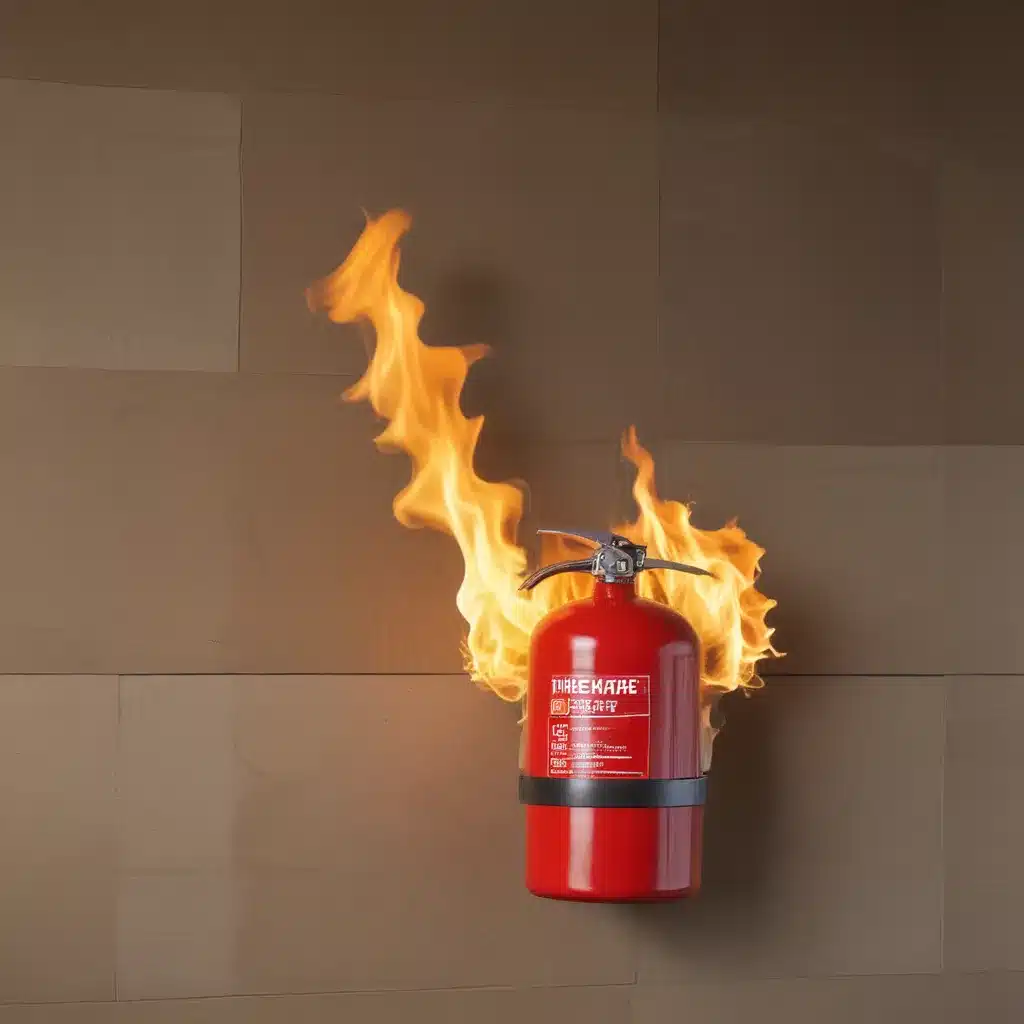
Fire Extinguishers: Your Second Line of Defense
Smoke detectors may be the first line of defense, but fire extinguishers are your second – the trusty sidekicks that can help you nip a fire in the bud before it has a chance to spiral out of control.
But not all fire extinguishers are created equal, and choosing the right one for your home can be a bit of a minefield. You see, there are several different types of extinguishers, each designed to tackle specific types of fires. There are water-based extinguishers for ordinary combustible materials like wood and paper, foam extinguishers for flammable liquids, and even specialized extinguishers for electrical fires.
The key is to make sure you have the right extinguisher for the potential fire hazards in your home. For example, if you have a kitchen with a lot of cooking equipment, you’ll want a dry chemical extinguisher that can handle grease and oil fires. And if you have a home workshop or garage, you’ll need one that can tackle those pesky electrical fires.
But having the right extinguisher is only half the battle. You also need to make sure it’s easily accessible and that everyone in your household knows how to use it. That means placing extinguishers in strategic locations throughout your home – near exits, in the kitchen, and in the garage, for example – and taking the time to familiarize yourself and your loved ones with the proper operating procedures.
And don’t forget to keep an eye on the expiration date and pressure gauge of your extinguishers. Just like smoke detectors, these crucial fire safety tools need to be regularly maintained and replaced to ensure they’re always ready to spring into action.
By investing in the right fire extinguishers and making sure they’re always within reach, you’re adding an extra layer of protection to your home. It’s a small price to pay for the peace of mind of knowing that you’re ready to handle a fire emergency, should the unthinkable happen.
Escape Planning: Your Family’s Lifeline
Smoke detectors and fire extinguishers are essential, but they’re only one piece of the fire safety puzzle. The other crucial element? Having a well-rehearsed escape plan that can help your family get to safety in the event of a fire emergency.
Think about it – when seconds count, the last thing you want to be doing is frantically trying to figure out the best way out of your home. That’s why it’s so important to take the time to map out multiple escape routes, identify safe meeting spots, and ensure that everyone in your household knows exactly what to do.
Start by walking through your home and identifying at least two ways out of every room, including windows and doors. Then, designate a safe meeting place outside, like a neighbor’s house or a specific spot on the curb. Make sure that everyone in your family knows where this meeting place is and that they understand the importance of getting there quickly and safely.
But the planning doesn’t stop there. You also need to consider the unique needs of your family members, especially young children or elderly relatives who may require extra assistance. Practice your escape plan regularly, making sure that everyone knows their role and can execute it quickly and efficiently.
And don’t forget to include a plan for your furry family members as well. Pets can often be overlooked in the chaos of a fire, but they’re just as important to keep safe. Make sure you have a plan in place to quickly and safely evacuate them, whether that means keeping their carriers or leashes near the exits or designating a family member to be responsible for their evacuation.
By taking the time to create a comprehensive escape plan and practicing it regularly, you’re giving your family the best chance of making it to safety in the event of a fire. It’s a small investment of time and effort that could quite literally save your life.
Fire-Resistant Construction: Building a Safer Home
As important as smoke detectors, fire extinguishers, and escape plans are, there’s another crucial element of fire safety that’s often overlooked: the materials and construction methods used in your home.
You see, the way your home is built can have a significant impact on its fire resistance and, ultimately, the safety of your family. Think about it – a home constructed with fire-resistant materials like concrete, brick, and steel is going to be much less vulnerable to the devastating effects of a fire than one built with highly flammable materials like wood and drywall.
And it’s not just the overall construction that matters. The way your home is designed can also play a crucial role in its fire safety. For example, having a well-ventilated attic or crawl space can help prevent the spread of fire, while strategically placed fire walls can act as barriers to contain the blaze and prevent it from engulfing the entire structure.
Of course, I know that the prospect of a complete home rebuild or renovation can be daunting, both financially and logistically. But the truth is, even small upgrades and modifications can make a big difference in your home’s fire safety. Something as simple as installing fire-resistant shingles on your roof or upgrading your insulation to a more flame-retardant material can go a long way in protecting your home and your loved ones.
And let’s not forget about the importance of regularly maintaining and inspecting your home’s fire safety features. Things like ensuring your electrical wiring is up to code, clearing out any potential fire hazards in your attic or basement, and making sure your chimneys and furnaces are properly serviced can all play a crucial role in keeping your home safe.
By prioritizing fire-resistant construction and regularly maintaining your home’s safety features, you’re taking a proactive approach to fire safety that can give you and your family the peace of mind you deserve. It’s an investment that’s well worth the effort, both in terms of protecting your most precious possessions and safeguarding the lives of those you hold dear.
Conclusion: Putting it All Together
As I reflect on the fire safety essentials we’ve covered in this comprehensive guide, one thing is crystal clear: protecting your home and your loved ones from the devastating effects of fire requires a multi-faceted approach. It’s not enough to simply install a few smoke detectors and call it a day. True fire safety is about building a comprehensive, layered defense that encompasses everything from strategic fire-resistant construction to well-rehearsed escape plans.
But the good news is that, with a little bit of planning and preparation, you can feel confident that you’ve done everything in your power to keep your home and your family safe. By investing in the right smoke detectors and fire extinguishers, creating a foolproof escape plan, and prioritizing fire-resistant construction, you’re taking the necessary steps to protect what matters most.
And let’s not forget the emotional and financial peace of mind that comes with this level of preparedness. Knowing that you’re ready to handle a fire emergency can help you sleep better at night, secure in the knowledge that you’re doing everything you can to safeguard your most precious possessions and the lives of your loved ones.
So, my friend, I encourage you to take action today. Start by conducting a thorough assessment of your home’s fire safety features, identify any areas that need improvement, and then create a plan of attack. It may seem like a daunting task, but I can assure you that the rewards are well worth the effort.
After all, when it comes to fire safety, there’s no such thing as being too prepared. So let’s do this – let’s work together to make sure that your home in Aberdeen, UK is as safe and secure as it can be. Because when it comes to protecting what matters most, we can never be too cautious.