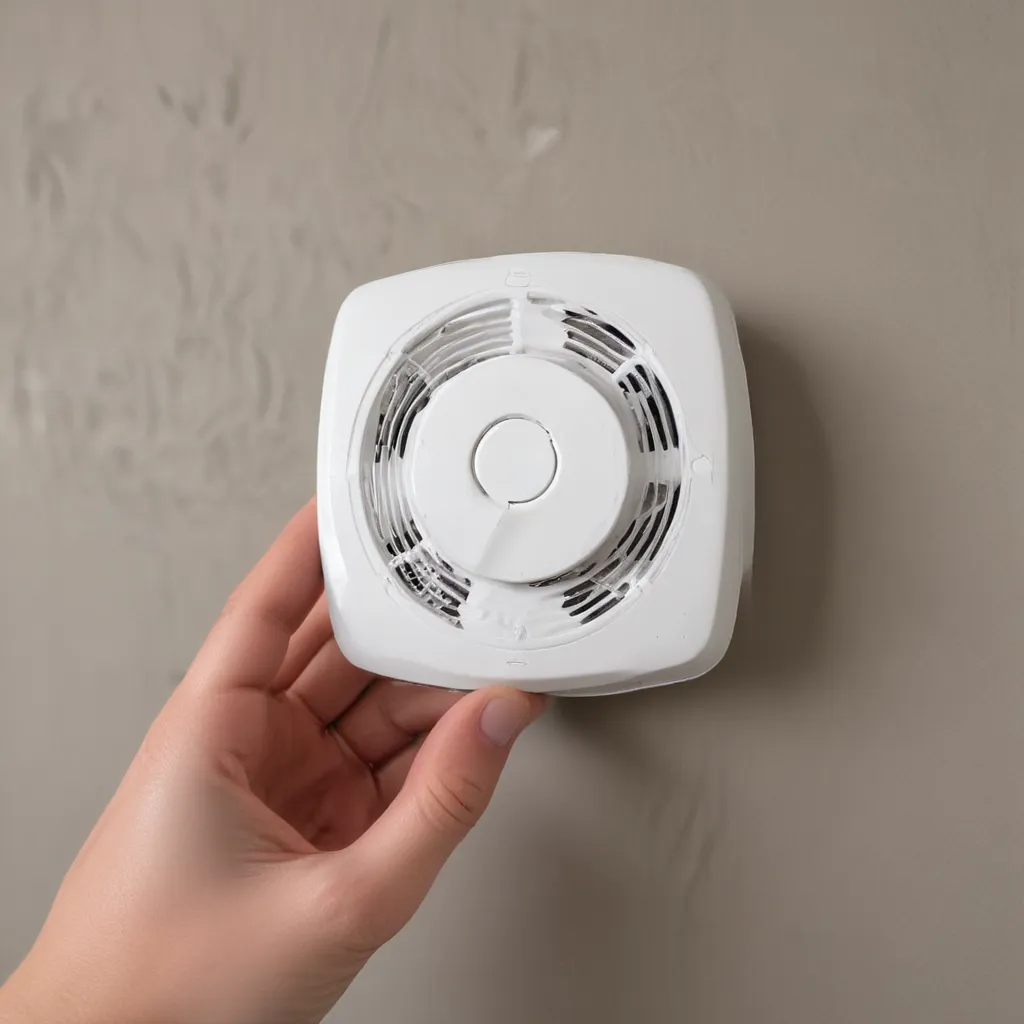
The Importance of Carbon Monoxide Detection
You know, when I first bought my home in Aberdeen, I’ll admit, the thought of carbon monoxide (CO) detectors didn’t even cross my mind. I mean, I had smoke alarms installed, and I figured that was enough to keep my family safe, right? Well, let me tell you, I quickly learned how mistaken I was.
You see, carbon monoxide is a silent killer – it’s an odorless, colorless gas that can build up in your home without you even realizing it. And the scariest part? Exposure to CO can lead to serious health issues, and in extreme cases, even death. It’s not something to be taken lightly.
That’s why, as a responsible homeowner, I made it a priority to learn all about the CO detector requirements in my area. And let me tell you, it’s been a real eye-opener. From understanding the different types of detectors to figuring out where to place them, there’s a lot to consider. But don’t worry, I’ve got you covered. In this comprehensive guide, I’m going to walk you through everything you need to know to keep your home and loved ones safe from the dangers of carbon monoxide.
Understanding Carbon Monoxide Dangers
Before we dive into the nitty-gritty of CO detector requirements, let’s start with the basics. What exactly is carbon monoxide, and why is it so dangerous?
Well, CO is a gas that’s produced whenever a fuel is burned, whether it’s gas, oil, wood, or even charcoal. It’s commonly released from things like furnaces, water heaters, fireplaces, and even cars. And the problem is, it can quickly build up in enclosed spaces, like your home, without you even realizing it.
The reason it’s so dangerous is that CO interferes with your body’s ability to absorb oxygen. When you breathe it in, it attaches to your red blood cells, preventing them from carrying oxygen to your vital organs. And the effects can be devastating – everything from headaches and nausea to dizziness, confusion, and even unconsciousness.
In fact, did you know that carbon monoxide poisoning is the leading cause of unintentional poisoning deaths in the UK? It’s no joke, folks. That’s why it’s so crucial to have reliable CO detectors installed in your home.
CO Detector Requirements in Aberdeen, UK
Now, let’s talk about the specific CO detector requirements for homes in Aberdeen, UK. As you might expect, there are a few key things to consider:
Types of CO Detectors
First and foremost, you’ll need to choose the right type of CO detector for your home. There are a few different options to consider:
| Detector Type | Description |
|---|---|
| Electrochemical | These are the most common type of CO detectors. They use a chemical reaction to detect the presence of carbon monoxide and are known for their accuracy and reliability. |
| Metal Oxide Semiconductor | These detectors use a semiconductor material to sense CO. They’re generally less expensive than electrochemical models but may not be as accurate. |
| Biomimetic | These detectors mimic the way human blood reacts to CO, making them highly sensitive. However, they can be more expensive and may have a shorter lifespan. |
Placement of Detectors
Once you’ve chosen your CO detectors, you’ll need to figure out where to put them. The general rule of thumb is to install them in the following locations:
- Near sleeping areas: Place detectors within 15 feet of each bedroom door, as this is where CO is most likely to accumulate.
- On every level of your home: CO can spread throughout a multi-story home, so make sure you have detectors on each floor.
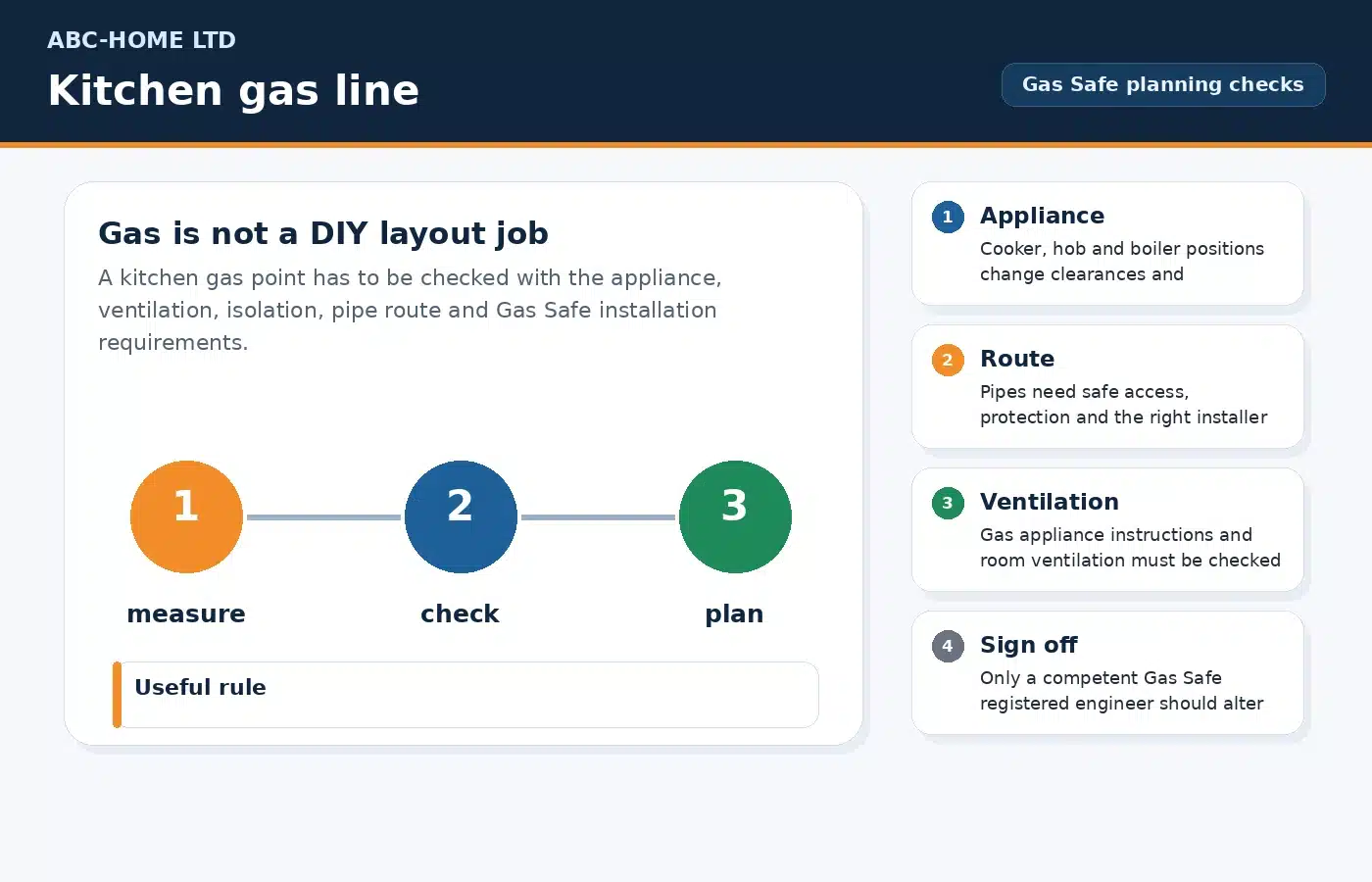
- Near potential CO sources: Position detectors near furnaces, water heaters, fireplaces, and any other appliances that burn fuel.
Maintenance and Replacement
Finally, it’s important to remember that CO detectors don’t last forever. Most have a lifespan of 5-7 years, so you’ll need to replace them regularly. And don’t forget to test your detectors monthly and replace the batteries at least once a year.
Real-Life CO Detector Scenarios
Now, I know all this talk about CO detectors and requirements can seem a bit dry, but let me tell you, the real-life scenarios can be anything but boring. In fact, I’ve got a few stories that’ll really drive home the importance of having these life-saving devices in your home.
Take the case of my neighbor, Sarah. She’s a single mom with two young kids, and one night, her CO detector started blaring. Turns out, there was a problem with her furnace that was causing a dangerous buildup of CO in her home. Thanks to that detector, she was able to get her family out of the house and call for help before anyone got seriously ill. Can you imagine how much worse that could have been if she didn’t have that detector installed?
Or how about my friend, Dave? He’s a pretty handy guy, and he decided to do a little DIY project and install a new fireplace in his living room. Well, long story short, he didn’t properly vent the thing, and one night, his CO detector went off, alerting him to the dangerous levels of CO in his home. He was able to get his family to safety and call the fire department, who identified the issue and helped him fix it before any lasting damage was done.
These are just a couple of examples, but I could go on all day about the real-life scenarios where CO detectors have been lifesavers. The moral of the story is this: don’t take chances with your family’s safety. Make sure you have the proper CO detectors installed, and keep them well-maintained. It could mean the difference between a close call and a tragic outcome.
Choosing the Best CO Detectors for Your Home
Alright, now that you understand the importance of CO detectors and the requirements in Aberdeen, it’s time to talk about how to choose the best ones for your home. Because let’s be honest, with all the options out there, it can be a bit overwhelming.
First and foremost, you’ll want to look for detectors that are certified to the latest safety standards. In the UK, that means they should be certified to the EN 50291-1:2018 standard. This ensures they’re reliable, accurate, and able to detect even low levels of CO.
Next, consider the features that are important to you. Do you want a device that’s hardwired into your home’s electrical system, or would you prefer a battery-operated model? Some detectors even come with digital displays that show the current CO levels, which can be really handy.
And speaking of CO levels, you’ll want to make sure your detectors are set to alarm at the appropriate thresholds. The recommended levels in the UK are:
- 30 ppm (parts per million) – Alarm within 120-240 minutes
- 50 ppm – Alarm within 60-90 minutes
- 100 ppm – Alarm within 10-40 minutes
Finally, don’t forget to factor in the size of your home. You’ll need to install enough detectors to ensure proper coverage, so be sure to follow the placement guidelines we discussed earlier.
Remember, when it comes to protecting your family from the dangers of carbon monoxide, you can never be too cautious. So take your time, do your research, and invest in the best CO detectors you can find. Your loved ones will thank you for it.
Integrating CO Detectors with Smart Home Technology
Alright, now that we’ve covered the basics of CO detectors, let’s talk about something a little more advanced: integrating them with your smart home technology. Because let’s face it, in this day and age, who doesn’t love a little bit of tech-savvy home automation?
Now, I know what you’re thinking – “CO detectors and smart home tech? What could those possibly have to do with each other?” Well, my friend, let me tell you, the possibilities are endless.
For starters, you can find CO detectors that are equipped with WiFi or Bluetooth connectivity, allowing them to seamlessly integrate with your smart home system. This means you can monitor the CO levels in your home from your smartphone or tablet, no matter where you are.
But it gets even better. Some of these smart CO detectors can even be programmed to trigger other actions in your home, like turning on exhaust fans or shutting off gas appliances, in the event of a CO emergency. Talk about peace of mind, am I right?
And let’s not forget about the convenience factor. Imagine being able to silence your CO alarm from your couch, or getting push notifications on your phone whenever a detector senses a problem. It’s like having your own personal CO safety net, right in the palm of your hand.
Now, I know what you’re thinking – “But isn’t all that smart home tech going to cost me an arm and a leg?” Well, the good news is, prices for these kinds of CO detectors have come down quite a bit in recent years. And let’s be honest, when it comes to protecting your family’s safety, a little bit of investment is well worth it.
So, if you’re looking to take your home’s CO detection game to the next level, definitely consider exploring some of the smart home options out there. Trust me, your peace of mind (and your wallet) will thank you.
Conclusion: Prioritizing CO Safety in Your Home
Well, there you have it, folks – a comprehensive guide to CO detector requirements in your Aberdeen home. From understanding the dangers of carbon monoxide to choosing the best detectors and integrating them with your smart home tech, we’ve covered it all.
But the bottom line is this: CO safety should be a top priority for every homeowner. It’s not something you can afford to overlook or take lightly. After all, your family’s well-being is on the line.
So, what are you waiting for? Take a good hard look at your home, assess your CO detection needs, and make the necessary upgrades. Trust me, it’s an investment you’ll never regret. And who knows, it might even save your life (or the life of a loved one) someday.
Remember, at the end of the day, a little bit of preparation and prevention can go a long way. So don’t delay – start researching CO detectors and get them installed in your home today. Your future self will thank you.
And if you’re in the market for a reliable building or renovation company to help with the process, be sure to check out ABC Home. They’ve got a team of experts who can help you every step of the way, from selecting the right CO detectors to ensuring they’re properly installed and maintained. So why wait? Get in touch with them today and take the first step towards a safer, healthier home.