Bracing for the Inevitable: How to Fortify Your Home Against Flooding
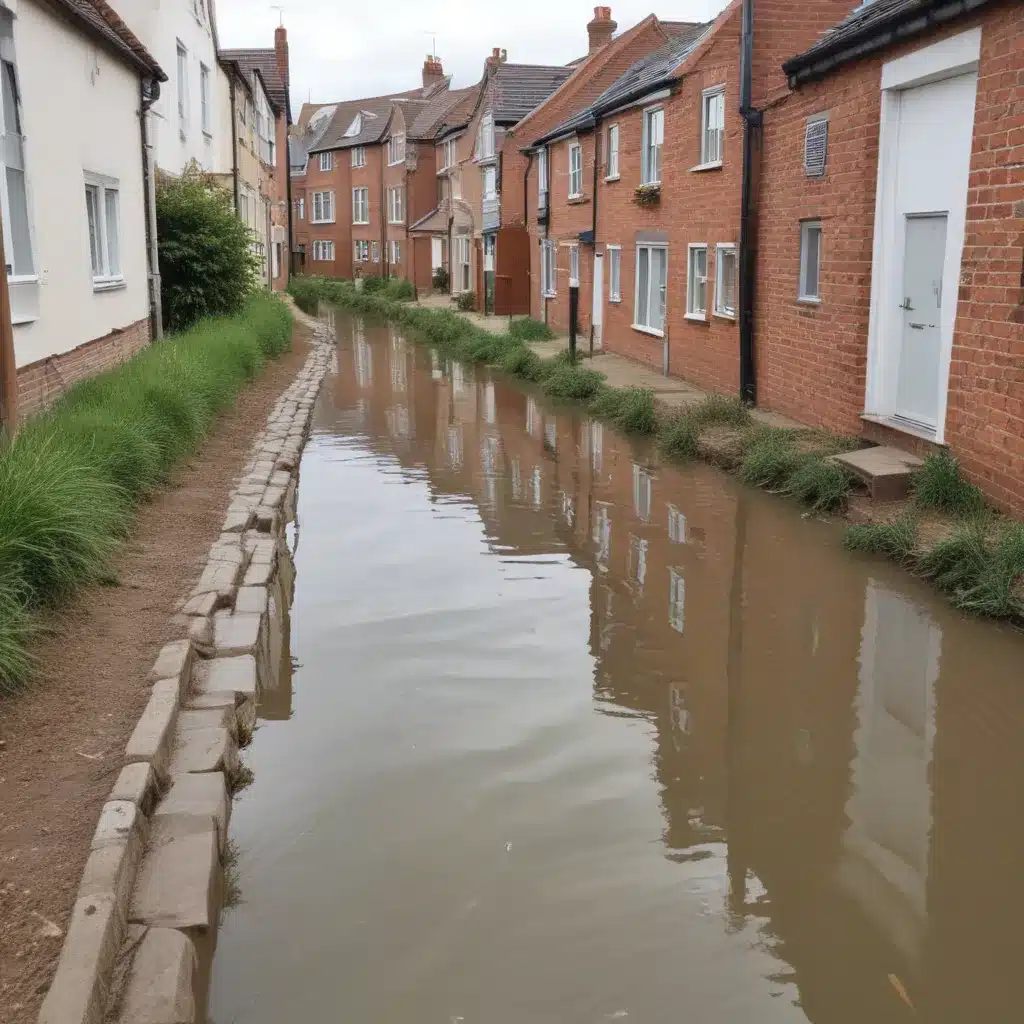
As a proud resident of Aberdeen, I know all too well the unpredictable nature of our weather. One moment, the sun can be shining brightly, and the next, the skies open up, unleashing a torrential downpour that threatens to turn our streets into raging rivers. It’s a reality we’ve had to face time and time again, but that doesn’t make it any less daunting.
That’s why I’m here today to share some simple yet effective flood prevention improvements that can help safeguard your home and give you peace of mind, no matter what Mother Nature has in store. After all, as the saying goes, an ounce of prevention is worth a pound of cure. And when it comes to protecting your most valuable asset, your home, it’s a price worth paying.
Understanding the Threat: The Perils of Wicking and Waterlogged Walls
Before we dive into the solutions, let’s first take a moment to understand the problem at hand. One of the most insidious effects of flooding is the phenomenon of “wicking” – a process where water creeps up porous building materials like drywall, causing damage far beyond the initial flood line.
As the experts at the LSU AgCenter explain, this wicking damage can extend well above the actual flood level, leaving you with a costly and time-consuming repair job. And let’s not forget the threat of mold and mildew, which can quickly take hold in those damp, waterlogged walls.
But fear not, my fellow Aberdonians! With a few strategic tweaks to your home’s construction, you can outsmart Mother Nature and keep those pesky floodwaters at bay.
Designing Flood-Resistant Walls: Channeling the Flow and Cutting Off the Wicking
One of the key principles in flood-proofing your home is creating what’s known as a “flood-hardy wall” – a wall system that can withstand the onslaught of floodwaters and emerge with only minimal damage. The secret lies in a few clever design choices:
Preventing Wicking
As the experts from Roanoke, Virginia suggest, you can create strategic gaps in your drywall and insulation to stop the wicking process in its tracks. These gaps, hidden behind decorative trim like a chair rail, act as a barrier, confining any moisture to the lower portion of the wall. This means you’ll only need to replace the damaged materials below the gap, rather than an entire wall.
Allowing Drainage and Drying
But it’s not enough to just stop the wicking – you also need to ensure that any floodwater that does enter the wall can drain out quickly and effectively. The LSU AgCenter recommends leaving generous gaps at the top and bottom of the flood-resistant section, allowing the water to flush out and the materials to dry before mold and mildew can take hold.
Choosing Flood-Resistant Materials
When it comes to the actual wall construction, your choice of materials is crucial. Instead of traditional drywall, opt for paperless, fiberglass-reinforced gypsum boards or plywood and fiber-cement panels – materials that can withstand the onslaught of floodwaters without becoming waterlogged and compromised.
Tackling the Exterior: Fortifying Your Home’s First Line of Defense
While the interior walls are important, we can’t forget about the exterior of your home – the first line of defense against any encroaching floodwaters. When it comes to insulation, the experts recommend using rigid foam boards rather than traditional fibrous materials – not only are they more flood-resistant, but they also won’t trap moisture and cause mold issues down the line.
And if you’re undertaking any exterior renovations, such as replacing the siding or brickwork, be sure to explore water-resistant and moisture-repelling materials and methods tailored to our region’s unique climate. After all, an ounce of prevention is worth a pound of cure, and when it comes to protecting your home from the ravages of flooding, it’s a small price to pay.
Elevating Your Electrical: A Shocking Improvement
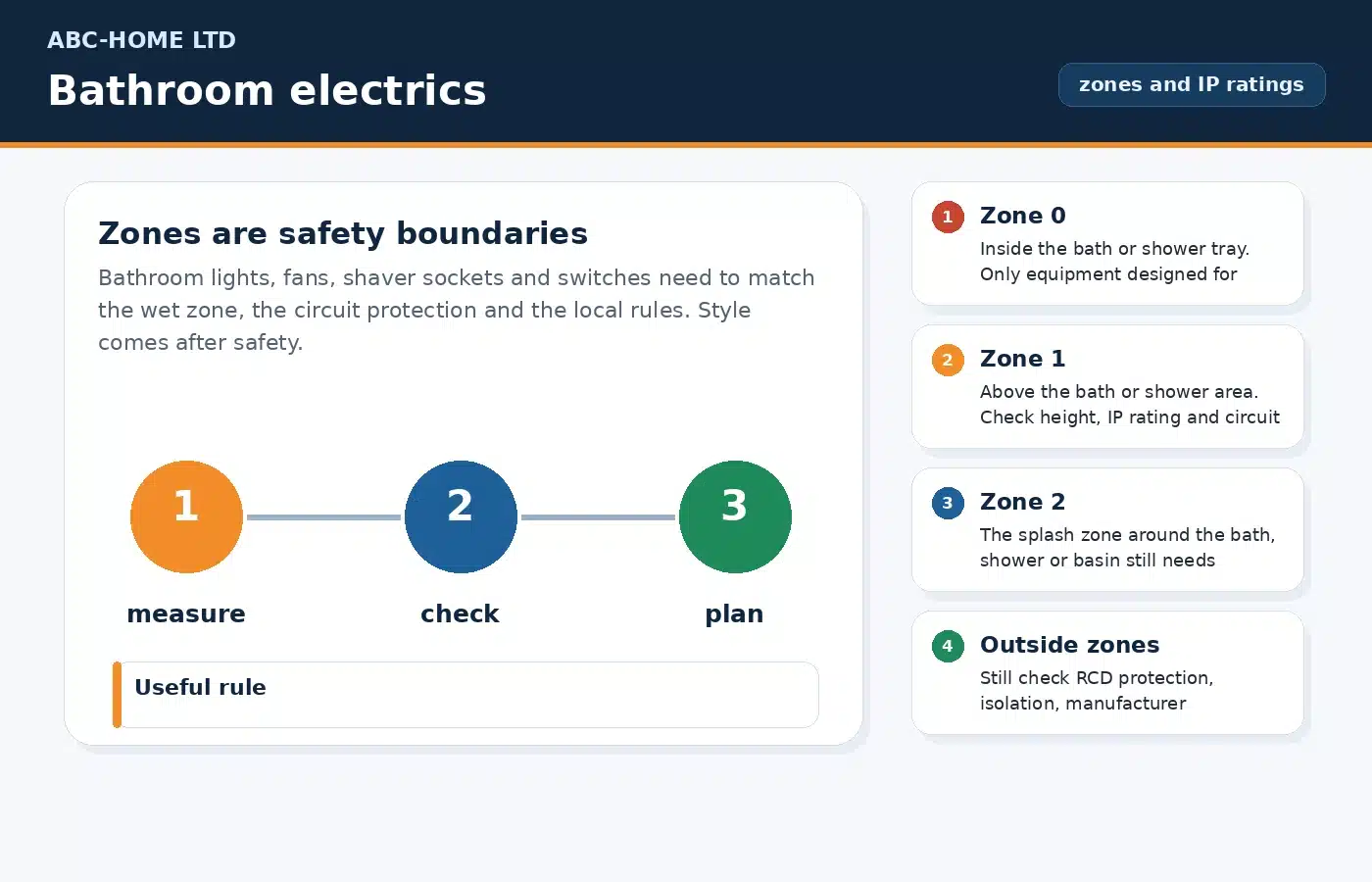
One often-overlooked aspect of flood-proofing is the electrical system. The LSU AgCenter recommends taking the opportunity to raise electrical wiring, switches, and outlets to a level above the anticipated flood line – a simple yet effective way to prevent costly damage and potentially dangerous electrical hazards.
Putting it All Together: A Step-by-Step Approach to Flood-Proofing Your Home
So, there you have it – a comprehensive guide to simple flood prevention improvements that can help safeguard your Aberdeen home. From designing flood-resistant walls to fortifying your exterior and elevating your electrical, these strategies can give you the peace of mind you need, no matter what Mother Nature has in store.
And remember, when it comes to protecting your most valuable asset, the team at ABC Home & Renovation is here to help. We’ve got the expertise and the know-how to guide you through the process, ensuring your home is ready to weather even the fiercest of storms. So, what are you waiting for? Let’s get started on making your home flood-proof today!