The Chilly Encounter That Taught Me A Valuable Lesson
It was a bitterly cold winter’s day in Aberdeen, and I was desperately in need of a hot cup of tea to warm my frozen hands. As I hurried home, I noticed a concerning lack of heat coming from my radiators. “Uh oh,” I thought, “this can’t be good.”
Rushing inside, I went straight to the boiler room, only to find a scene of utter disarray. Pipes were leaking, valves were stuck, and the whole system seemed to be on the brink of a complete meltdown. Panic started to set in as I realized I had no idea how to even begin fixing this mess.
Determined to get my heating back up and running, I decided to tackle the problem head-on. I scoured the internet for tutorials, watched endless YouTube videos, and even reached out to a few online forums for advice. After hours of trial and error, I managed to get the boiler up and running again, but not without a few near-disastrous mishaps along the way.
Looking back, that experience taught me a valuable lesson: when it comes to installing or maintaining a gas boiler, it’s not something you want to tackle on your own unless you’re a qualified professional. The risks are simply too high, and the consequences can be devastating. That’s why I’m here today to share my story and provide some essential tips on how to install a gas boiler correctly and safely.
The Dangers of DIY Gas Boiler Installation
Gas boilers are complex pieces of equipment that require a delicate touch. Even the slightest mistake can lead to a catastrophic outcome, such as gas leaks, explosions, or even carbon monoxide poisoning. These are not risks you want to take lightly, especially in your own home.
According to this video, improper boiler installation can result in a host of problems, including:
- Inefficient energy usage, leading to higher utility bills
- Reduced lifespan of the boiler
- Increased risk of dangerous carbon monoxide leaks
- Potential fire hazards
- Potential water damage from leaks
The stakes are simply too high to attempt a DIY gas boiler installation. It’s crucial to have a qualified, registered gas engineer handle the job to ensure it’s done safely and correctly.
The Importance of Hiring a Professional Gas Engineer
When it comes to installing a gas boiler, it’s not just about the initial setup – it’s about the ongoing maintenance and safety as well. That’s why it’s so important to hire a professional gas engineer who is fully trained and certified to work with these types of systems.
As this forum post explains, there are strict regulations and safety standards that must be followed when installing a gas boiler. A professional gas engineer will be up-to-date on all the latest codes and regulations, ensuring your new boiler is installed in compliance with the law.
But it’s not just about the legalities – it’s about your safety and the safety of your family. Gas engineers are trained to identify potential hazards and mitigate risks, such as:
- Properly venting the boiler to prevent carbon monoxide buildup
- Ensuring all gas and water connections are securely sealed to prevent leaks
- Correctly sizing the boiler for your home’s heating and hot water needs
- Properly commissioning the boiler to ensure it’s running safely and efficiently
As this video demonstrates, even the most basic steps of a gas boiler installation can be fraught with peril if you don’t know what you’re doing. That’s why it’s crucial to leave this job to the professionals.
The Step-by-Step Process of Installing a Gas Boiler
Now that we’ve covered the importance of hiring a professional gas engineer, let’s take a closer look at the actual process of installing a gas boiler. This is a complex task that requires a careful, methodical approach to ensure everything is done correctly and safely.
Here’s a general overview of the steps involved:
-
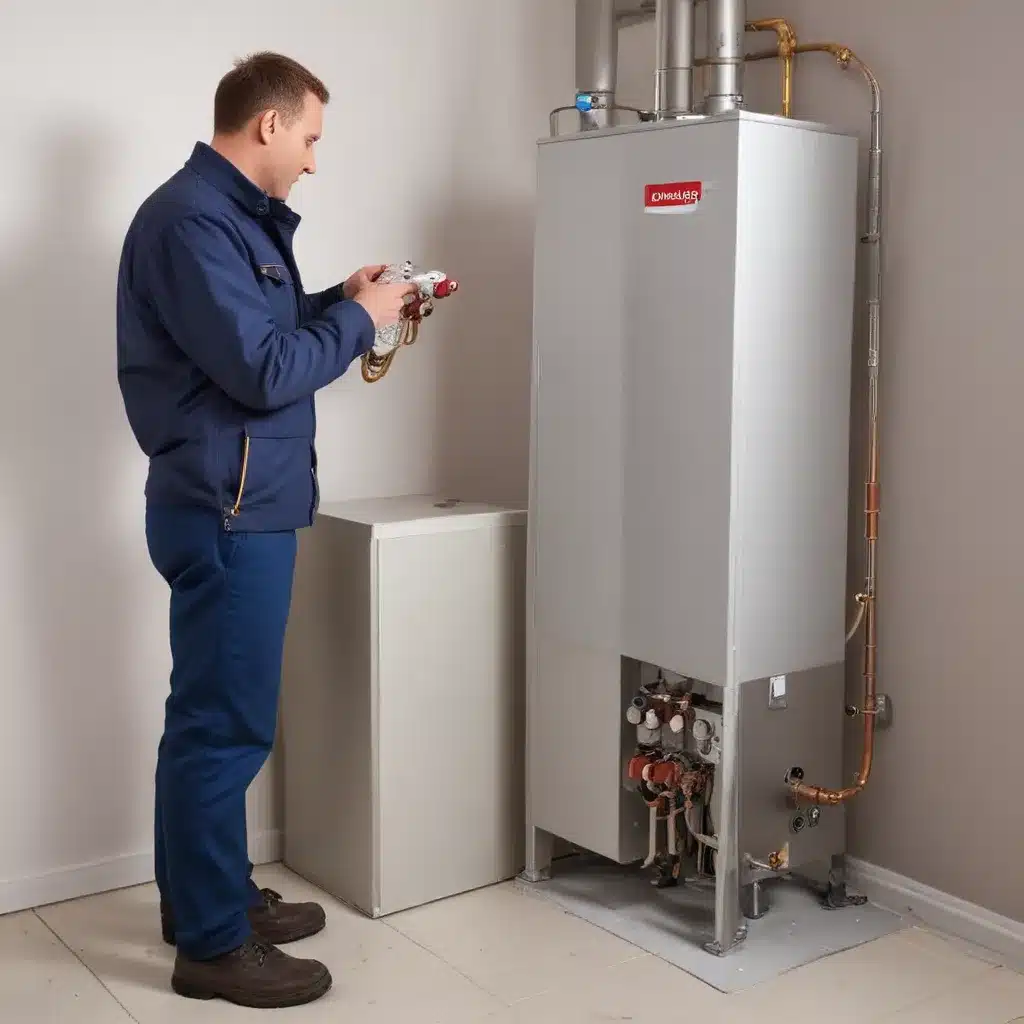
Site Inspection and Assessment: The gas engineer will start by assessing the site, taking measurements, and evaluating the existing heating system. They’ll determine the appropriate size and type of boiler for your home, as well as any necessary modifications to the existing infrastructure.
-
Gas Supply and Ventilation: The gas engineer will ensure the gas supply to the property is adequate and up to code. They’ll also install the necessary ventilation system to safely expel exhaust gases and prevent carbon monoxide buildup.
-
Boiler Installation: With the groundwork laid, the gas engineer will then install the new boiler, making all the necessary connections to the gas, water, and electrical systems. This includes properly insulating and sealing all joints and fittings.
-
Commissioning and Testing: Once the boiler is installed, the gas engineer will commission the system, running a series of tests to ensure it’s functioning correctly and safely. This includes checking for any gas leaks, verifying the boiler’s output, and adjusting the controls as needed.
-
Ongoing Maintenance: Even after the initial installation, the gas engineer will provide guidance on the proper maintenance and servicing of the boiler to keep it running efficiently and safely for years to come.
Throughout this entire process, the gas engineer will be meticulous in their work, following all relevant safety protocols and regulations to the letter. This attention to detail is crucial, as even the smallest misstep can have dire consequences.
The Importance of Ongoing Boiler Maintenance
But the job doesn’t end once the boiler is installed. Proper maintenance is essential to ensure the safe and efficient operation of your gas boiler for years to come.
As this forum post illustrates, neglecting routine maintenance can lead to a host of problems, from simple malfunctions to more serious safety issues. Regular servicing by a qualified gas engineer is a must, typically on an annual basis.
During a routine boiler service, the gas engineer will perform a thorough inspection, checking for any signs of wear or damage. They’ll clean the components, adjust the controls, and ensure the system is operating at peak efficiency. This not only helps to prolong the life of your boiler, but it also helps to maintain optimal energy efficiency, potentially saving you money on your utility bills.
But the benefits of routine maintenance go beyond just cost savings. As this video highlights, regular servicing is crucial for maintaining the safety of your gas boiler. The gas engineer will check for any gas leaks, ensure proper ventilation, and test the boiler’s safety features to prevent the risk of carbon monoxide poisoning or other hazards.
Remember, a well-maintained gas boiler is a safe gas boiler. Don’t take chances with your family’s safety – make sure to schedule regular service appointments with a qualified gas engineer to keep your system running smoothly and safely.
Choosing the Right Gas Boiler for Your Home
With the importance of proper installation and maintenance firmly established, let’s turn our attention to the selection process. Choosing the right gas boiler for your home is a critical decision that can have a significant impact on your comfort, energy efficiency, and long-term costs.
There are a few key factors to consider when selecting a gas boiler:
-
Heating Capacity: The boiler’s output must be properly sized to meet the heating and hot water demands of your home. Underestimating your needs can lead to an insufficient system, while overestimating can result in an inefficient and costly setup.
-
Efficiency Ratings: Look for a boiler with high efficiency ratings, as this can translate to significant cost savings on your energy bills. Condensing boilers, in particular, tend to be the most energy-efficient option.
-
Warranty and Reliability: Investigate the manufacturer’s reputation and warranty coverage to ensure you’re investing in a high-quality, long-lasting product.
-
Compatibility with Your Existing System: If you’re replacing an older boiler, make sure the new one is compatible with your home’s existing heating and plumbing infrastructure.
Working with a professional gas engineer can make this selection process much easier. They have the expertise to assess your specific needs and recommend the most suitable gas boiler for your home. This can help you avoid costly mistakes and ensure your new system is a perfect fit.
Conclusion: Prioritize Safety and Efficiency
In the end, installing a gas boiler is not a task to be taken lightly. The risks are simply too high to attempt a DIY approach, no matter how tempting it might be to save a few pounds. Entrusting this critical job to a qualified, registered gas engineer is the only way to ensure it’s done correctly and safely.
By following the proper installation procedures and maintaining your gas boiler through regular servicing, you can enjoy reliable, efficient heating and hot water in your home for years to come. And more importantly, you can have peace of mind knowing that you and your family are safe from the dangers of improper gas boiler installation.
So, the next time you’re in the market for a new gas boiler, remember the valuable lessons I learned the hard way. Prioritize safety and efficiency, and always work with a professional gas engineer – your home, your wallet, and your loved ones will thank you for it.
For all your gas boiler needs in the Aberdeen area, be sure to check out ABC Home. Their team of experienced, qualified gas engineers are here to help you every step of the way, from selection to installation and beyond.