Navigating Scotland’s Building Standards for Luxury Bathroom Design
For a bathroom project in Aberdeen, use Scotland’s building standards framework rather than treating English Approved Documents as UK-wide rules. The current Scottish domestic technical handbook explains how to meet the Building (Scotland) Regulations 2004, while Aberdeen City Council’s building warrant guidance is the local route for checking whether approval is needed. Confirm the current requirements for the exact scope before work begins.
Approved Documents G and L are guidance for England, so their provisions should not be presented as universal Scottish limits. The figures previously stated here — 6 litres per minute for taps and showerheads and 225 litres for baths — are not blanket requirements for every bathroom renovation in Aberdeen. Fixture selection should instead be based on the current Scottish standards that apply to the project, the manufacturer’s performance data and advice from the designer, installer or verifier.
For high-end taps, showers and baths, compare declared flow rates, bath volume, hot-water compatibility, anti-scald features, accessibility and maintenance requirements. This gives the project team enough information to balance comfort, water use and safe operation without relying on a generic legal threshold.
Planning Lighting and Ventilation
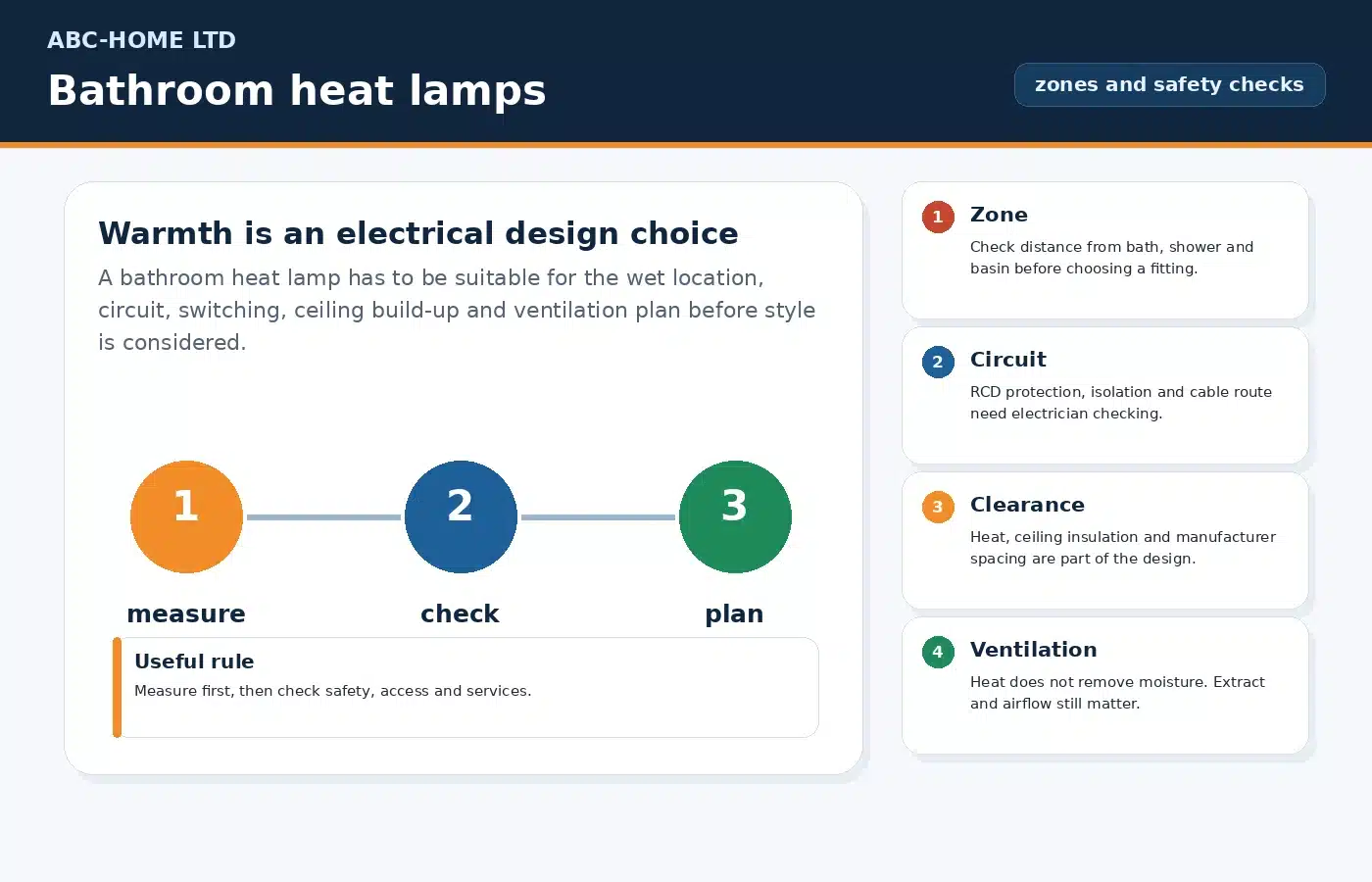
Ventilation, electrical safety and hot-water safety should be designed around the room layout, occupancy and existing services. A competent designer or installer can size extraction, position electrical equipment appropriately and identify whether the proposal affects a building warrant or other approval.
LED lighting and well-designed extraction can reduce energy use and control moisture, but the specification should follow the room and system design rather than a claim that one product type is mandatory in every renovation.
Budgeting for Luxury Bathroom Upgrades
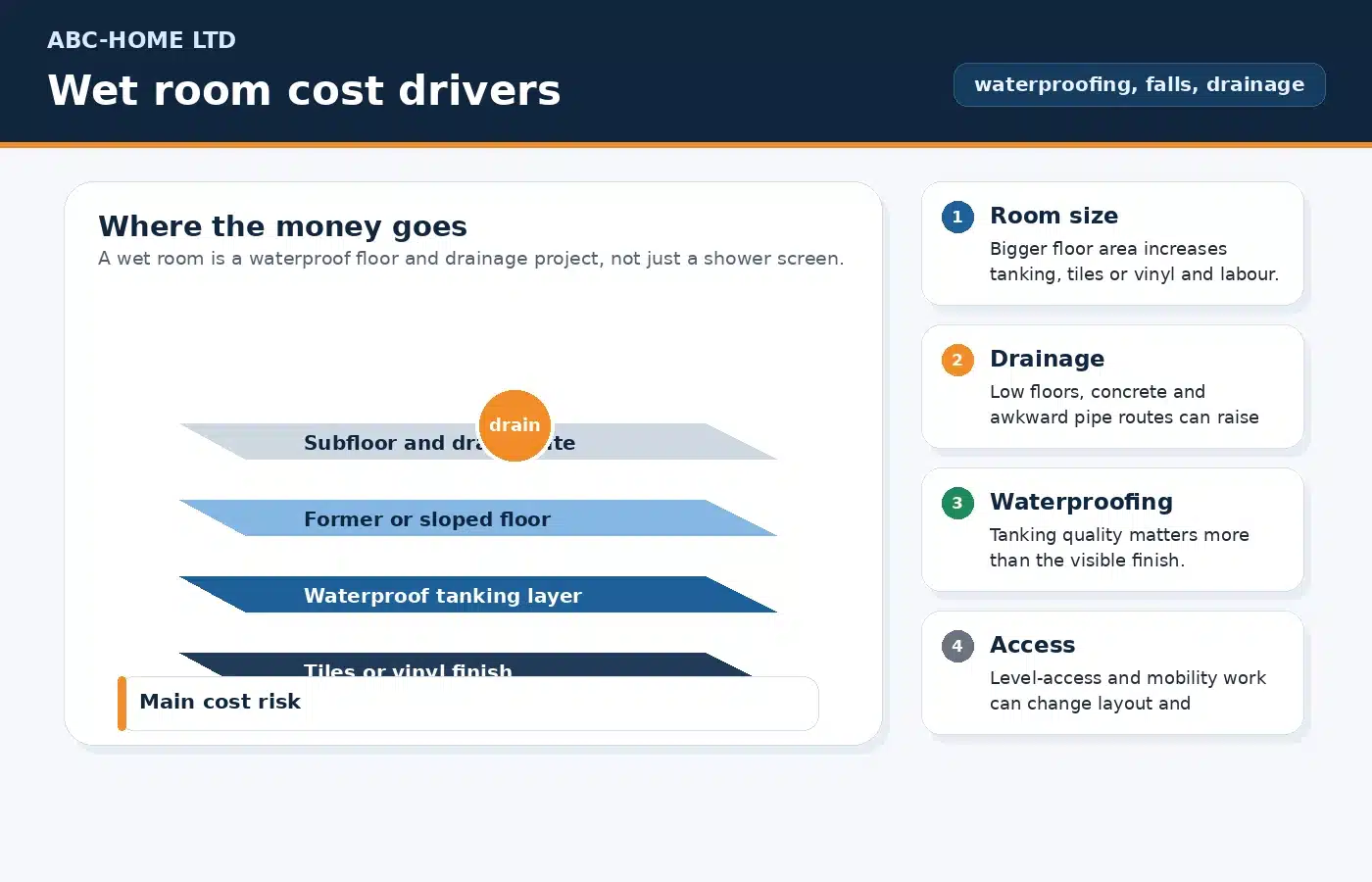
Bathroom costs vary materially with the room condition, layout changes, waterproofing, service alterations, labour, access and the chosen fixtures and finishes. A generic national average is not a reliable substitute for a project-specific budget.
Prepare an itemised scope covering sanitaryware, brassware, tiling, waterproofing, ventilation, electrics, joinery, decorating, waste removal and contingency. This makes it possible to compare like-for-like quotations and see which premium features have the greatest effect on the total.
Where savings are needed, protect the technical essentials first and adjust visible finishes or optional features afterwards. Written quotations, product schedules and agreed allowances are more useful than unsupported online price ranges.
Choosing fixtures for light, comfort and storage
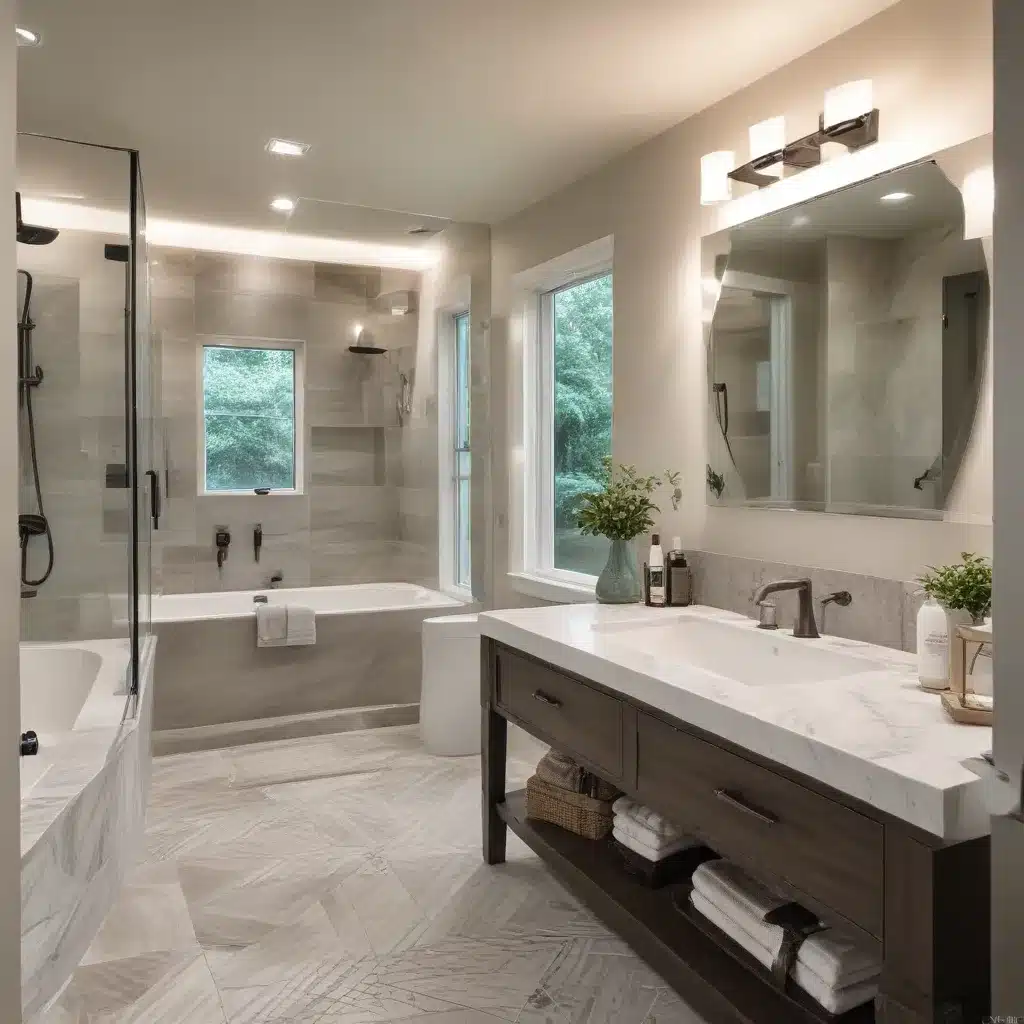
Start with the tasks you use the bathroom for every day. Plan mirror lighting for shaving or make-up separately from general room lighting, and discuss a softer evening setting with the electrician. Compare finish samples beside the tiles and under the intended lighting rather than choosing brassware from a photograph alone.
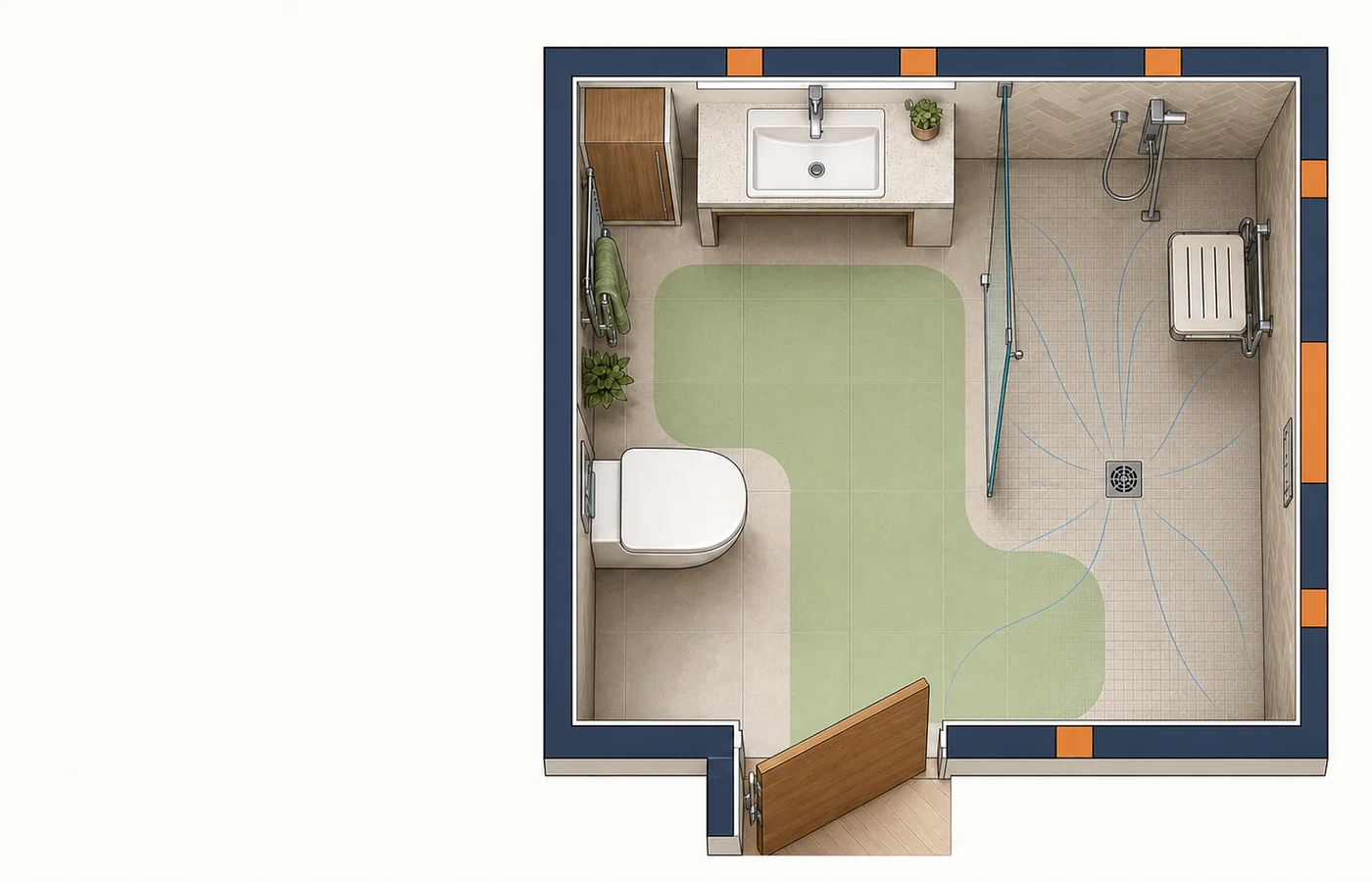
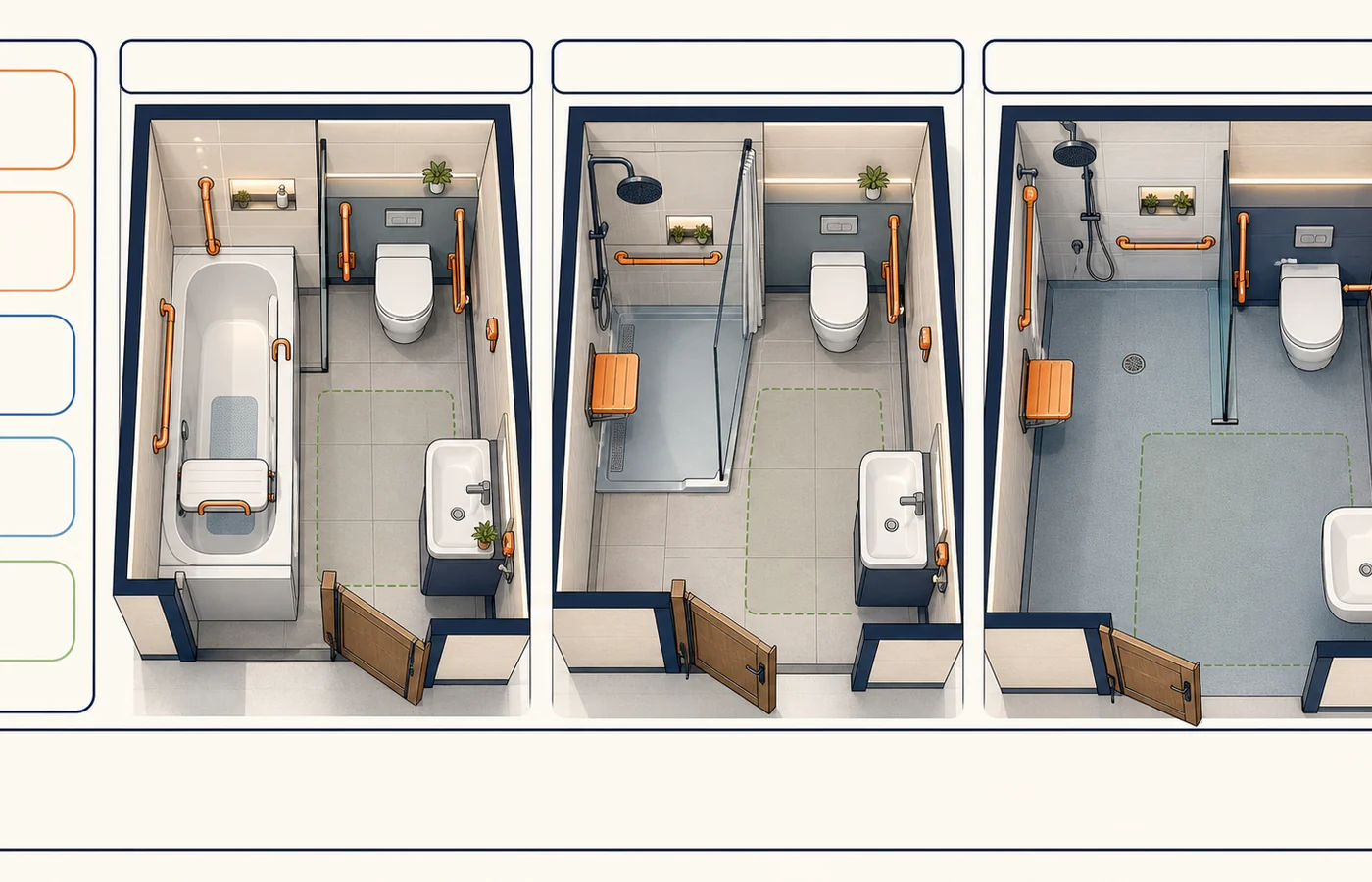
A rainfall shower, freestanding bath or double vanity should earn its space. Check the available hot-water supply, access for cleaning and maintenance, and comfortable movement around each item before ordering. For storage, list what needs to be close at hand and plan drawers or shelving around it; any recessed storage in a wet area needs to be included in the waterproofing design.
Put replacement parts, cleaning instructions and the terms of any product warranty on the comparison sheet alongside appearance and price. A coordinated finish is useful, but serviceable fittings and a workable layout matter more than adding every optional feature.
Sustainable Building Practices for Luxurious Bathrooms
As the UK continues to prioritize environmental sustainability, the construction industry has been at the forefront of adopting eco-friendly practices. When it comes to luxury bathroom design, embracing sustainable building methods can not only reduce the environmental impact but also enhance the overall long-term value of the space.
Incorporating Renewable and Recycled Materials
One of the key aspects of sustainable bathroom design is the selection of renewable and recycled building materials. In the UK, homeowners and contractors are encouraged to explore options such as:
- Bamboo: This fast-growing and durable material is an excellent choice for vanity tops, shelving, and even flooring, offering a natural and eco-friendly alternative to traditional wood.
- Recycled Glass: Upcycled glass can be used to create stunning mosaic tiles or even custom-made vanity basins, adding a unique touch of sustainability to the bathroom.
- Reclaimed Wood: Repurposed wooden beams, boards, or panels can be incorporated into the design, adding character and reducing the demand for new timber resources.
By embracing these sustainable materials, homeowners can contribute to a circular economy and reduce the environmental footprint associated with their bathroom renovation project.
Optimizing Water Efficiency and Energy Usage
In addition to material selection, water and energy efficiency can be treated as practical design priorities. Options to assess with the project team include:
- Performance-Rated Fixtures: Compare manufacturer-declared flow rates and flush volumes alongside comfort, pressure compatibility and maintenance requirements.
- Water Reuse Systems: Greywater systems may reduce mains-water demand, but they need project-specific design, safe separation and any required approvals.
- Efficient Hot-Water Systems: Review pipe runs, controls, insulation and suitable renewable technologies with a qualified designer rather than assuming one technology will suit every home.
Product data and a whole-system design provide a better basis for decisions than generic claims about mandatory fixtures or guaranteed bill savings.
Promoting Circularity and Waste Reduction
The UK’s commitment to a circular economy extends to the construction industry, including the bathroom renovation sector. Homeowners and contractors are encouraged to adopt waste-reduction strategies throughout the project lifecycle, such as:
- Responsible Waste Disposal: Ensuring the proper recycling and disposal of construction materials, such as packaging, tiles, and old fixtures, can divert waste from landfills and promote a more sustainable approach.
- Adaptive Reuse: Exploring opportunities to repurpose or upcycle existing bathroom elements, such as vanity cabinets or mirrors, can reduce the demand for new materials and minimize waste.
- Modular Design: Implementing a modular approach to bathroom design, where components can be easily replaced or upgraded, can extend the lifespan of the space and facilitate future renovations.
By embracing these sustainable strategies, homeowners can contribute to the UK’s broader environmental goals while creating a luxurious and enduring bathroom that aligns with their values.
Combining Luxury and Sustainability in Aberdeen
A luxury bathroom does not need vague claims about national leadership or blanket compliance to demonstrate quality. The strongest design decisions are specific: a well-resolved layout, durable finishes, serviceable fixtures, effective ventilation and lighting that supports how the room will be used.
Water and energy performance should be considered alongside comfort and maintenance. Manufacturer data, an accurate survey and the current Scottish standards give the designer a firmer basis for specifying taps, showers, hot-water systems and extraction than generic product labels.
Material choices also need context. Reused or recycled products can reduce demand for new materials, but suitability, moisture resistance, cleaning and expected service life still matter. A durable product that can be maintained or replaced in parts may be more practical than a nominally sustainable finish that fails early.
For projects in Aberdeen, work with designers and contractors who can explain the applicable Scottish building standards guidance, document the specification and identify any warrant requirements before installation. A clear scope and itemised quotation should connect every premium choice to function, appearance or longevity.
Explore ABC Home’s bathroom renovation service for planning, installation and local project guidance.
Conclusion
Luxury and resource-conscious design can work together when decisions are evidence-led and project-specific. Prioritise safe installation, moisture control, maintainable fixtures and materials that suit the room rather than relying on unsupported regulatory or price claims.
Confirm the current Scottish requirements for the proposed work, compare written quotations on the same scope and use qualified professionals for regulated or safety-critical elements. That approach creates a more credible route to a refined, durable bathroom in Aberdeen.