Embracing the Unexpected: The Art of Adaptable Home Design
Remember the good old days when a living room was just a living room? Where the dining room table stayed put, and the kids’ playroom didn’t need to double as a home office? Well, those days are long gone. In our fast-paced, ever-changing world, flexibility has become the name of the game when it comes to home design and renovation.
Gone are the rigid, one-size-fits-all floor plans of the past. Today, homeowners are craving spaces that can morph and evolve to accommodate their constantly shifting needs. And let me tell you, the design world has taken notice. From movable walls to transformative furniture, the latest room renovation trends are all about embracing the unexpected.
Multifunctional Marvels: Rooms That Do it All
I recently spoke with Sue Ridgeway, the Director of Marketing at Lita Dirks & Co., who shared some insightful perspectives on the changing face of home design. “The 55 communities of today look almost nothing like the retirement communities of a few decades ago,” she told me. “Todays boomer buyer is more likely to be out on the pickleball court or at a wine tasting than playing bridge or listening to classical music.”
This shift in buyer demographics has led to a need for spaces that can adapt to a wide range of activities and needs. Enter the multifunctional room – the swiss army knife of home design. These versatile spaces can seamlessly transition from a cozy living area to a lively entertainment hub, without missing a beat.
Take a look at our flexible home renovation services to see how you can transform your rooms into adaptable masterpieces.
Movable Marvels: Furniture That Morphs with Your Needs
One of the key trends Ridgeway highlighted is the rise of open floor plans and movable furniture. “If designed with movable furniture pieces, it is flexible enough to accommodate larger groups or events,” she explained. “Additionally, easily moveable furniture allows for quick transitions from large gathering space to smaller, more intimate table seating.”
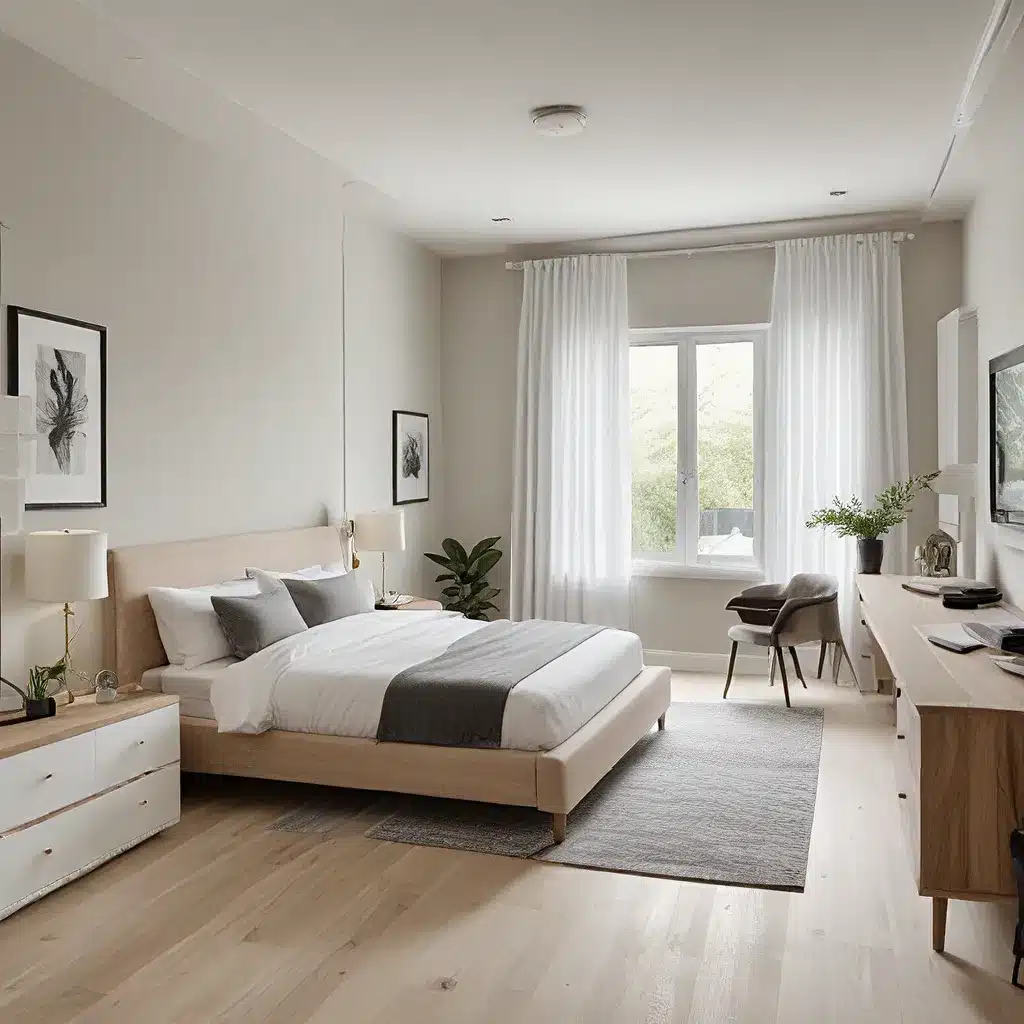
Imagine a living room that can transform from a cozy movie-watching nook to a lively cocktail party in the blink of an eye. Or a dining room that can double as a makeshift dance floor when the mood strikes. With the right furnishings, the possibilities are endless.
Targeted Programming: Designing for Your Lifestyle
But it’s not just about creating flexible spaces – it’s also about understanding the unique needs and preferences of the homeowner. As Ridgeway put it, “Gone are the days of one size fits all when it comes to amenity space. Not all 55 communities buyers are going to have the same buyer profiles.”
The key is to design for the specific programming and activities that your family or community values. Maybe it’s a state-of-the-art fitness center for the health-conscious crowd. Or perhaps a dedicated arts and crafts studio for the creative types. By tailoring the design to your lifestyle, you can create a space that truly speaks to your needs.
Outdoor Oasis: Blurring the Lines Between Inside and Out
But the flexibility doesn’t stop at the walls. Incorporating the outdoor space into your amenity design is essential, as Ridgeway emphasized. “Using flexible, movable furniture is important, as is taking advantage of any natural views or special features.”
Imagine sipping your morning coffee on a sprawling deck, overlooking a serene lake. Or hosting a lively summer barbecue where the party seamlessly spills out into the backyard. By blending indoor and outdoor living, you can create a truly dynamic and adaptable space that caters to your every mood and occasion.
Future-Proofing Your Home: Designing for the Unknown
Of course, the challenge of designing for flexibility doesn’t stop at the living room or patio. As healthcare design expert Arthur Kjos pointed out, “Patient services that have traditionally been the purview of acute care hospitals are rapidly moving down the chain to clinics and to the home. We cannot predict where this will all end, but certainly it will not be what we are doing now.”
This same sentiment applies to the world of home design and renovation. What works today might not work tomorrow, as our needs and lifestyles continue to evolve at a breakneck pace. That’s why it’s so important to future-proof your home, incorporating design elements that can adapt and change with the times.
Explore our flexible home renovation solutions to ensure your space can grow and evolve alongside your family.
The Art of Adaptability: Embracing the Unknown
At the end of the day, designing for flexibility is all about embracing the unknown. It’s about recognizing that our lives are constantly in flux, and that the spaces we inhabit need to be able to keep up. It’s about creating rooms that can morph and change, just like we do.
So, the next time you’re planning a home renovation, forget about those rigid, one-dimensional floor plans. Instead, let your imagination run wild. Envision a living space that can transform to suit your every need, from cozy movie nights to lively cocktail parties. After all, in this ever-changing world, the only constant is change – and the homes that can keep up will be the ones that truly thrive.