The Future of Adaptable Spaces in Home Improvement
As the world evolves at a dizzying pace, our homes have become more than just static shelters – they’re dynamic canvases reflecting the fluidity of our lives. Gone are the days of rigid, one-size-fits-all floor plans. Instead, homeowners are embracing a new era of flexibility, where rooms can effortlessly transform to meet their ever-changing needs.
Recent trends in the healthcare industry have shed light on this growing fascination with adaptability, and the home renovation sector is eagerly following suit. Much like hospitals seeking to futureproof their facilities, savvy homeowners are realizing the immense value in designing spaces that can gracefully adapt to their family’s evolving requirements.
So, what exactly does this mean for the future of room renovation? Let’s dive in and explore the captivating world of flexible home design.
Adaptable Spaces: The New Norm in Home Improvement
Flexibility has become the holy grail of modern home design, and for good reason. As our work, social, and family dynamics continue to shift, the ability to effortlessly reconfigure our living spaces is no longer a luxury, but a necessity.
Imagine a serene home office that seamlessly transforms into a cozy guest room when relatives come to stay. Or a multifunctional family room that can transition from a lively play area for the kids to a sophisticated entertainment hub for adult gatherings. These are the kinds of design solutions that are captivating homeowners and renovators alike.
The key, as healthcare facilities have learned, is to incorporate flexibility into the very foundation of the renovation process. Rather than simply optimizing a space for its current purpose, designers are now tasked with envisioning its future potential – a daunting yet exhilarating challenge.
The Art of Futureproofing: Designing for Tomorrow’s Needs
Traditionally, home improvement projects have been driven by immediate needs and aesthetic preferences. But as the pace of change accelerates, savvy homeowners are shifting their focus to long-term adaptability.
“It’s not just about how the space looks today,” explains Sarah, a renowned interior designer. “It’s about anticipating how your family’s needs might evolve in the years to come and designing a solution that can gracefully accommodate those changes.”
This forward-thinking approach often starts with the very bones of the renovation – the structural elements, mechanical systems, and underlying infrastructure. By investing a little extra upfront, homeowners can future-proof their spaces, ensuring that they can easily add, subtract, or reconfigure rooms as their lifestyle demands.
The Rise of Modular Design and Standardized Spaces
One of the key strategies driving flexible home renovation is the embrace of modular design and standardized spaces. As healthcare facilities have discovered, this approach allows for a high degree of customization while maintaining the ability to adapt to future needs.
“Instead of building one-off, bespoke rooms, we’re seeing a shift toward standardized, multipurpose spaces,” says Alex, a leading renovation contractor. “These ‘universal’ rooms can easily be repurposed, whether it’s an office that becomes a guest suite or a playroom that transforms into a home gym.”
The benefits of this modular approach are manifold. Not only does it streamline the renovation process and reduce costs, but it also future-proofs the home by allowing for seamless changes down the line. Homeowners can confidently invest in a space, knowing that it can evolve alongside their family’s needs.
Flexible Doors and Openings: The Unsung Heroes of Room Renovation
While the big-picture elements of flexible design tend to grab the headlines, there’s one often-overlooked component that’s quietly revolutionizing the world of home renovation: doors and openings.
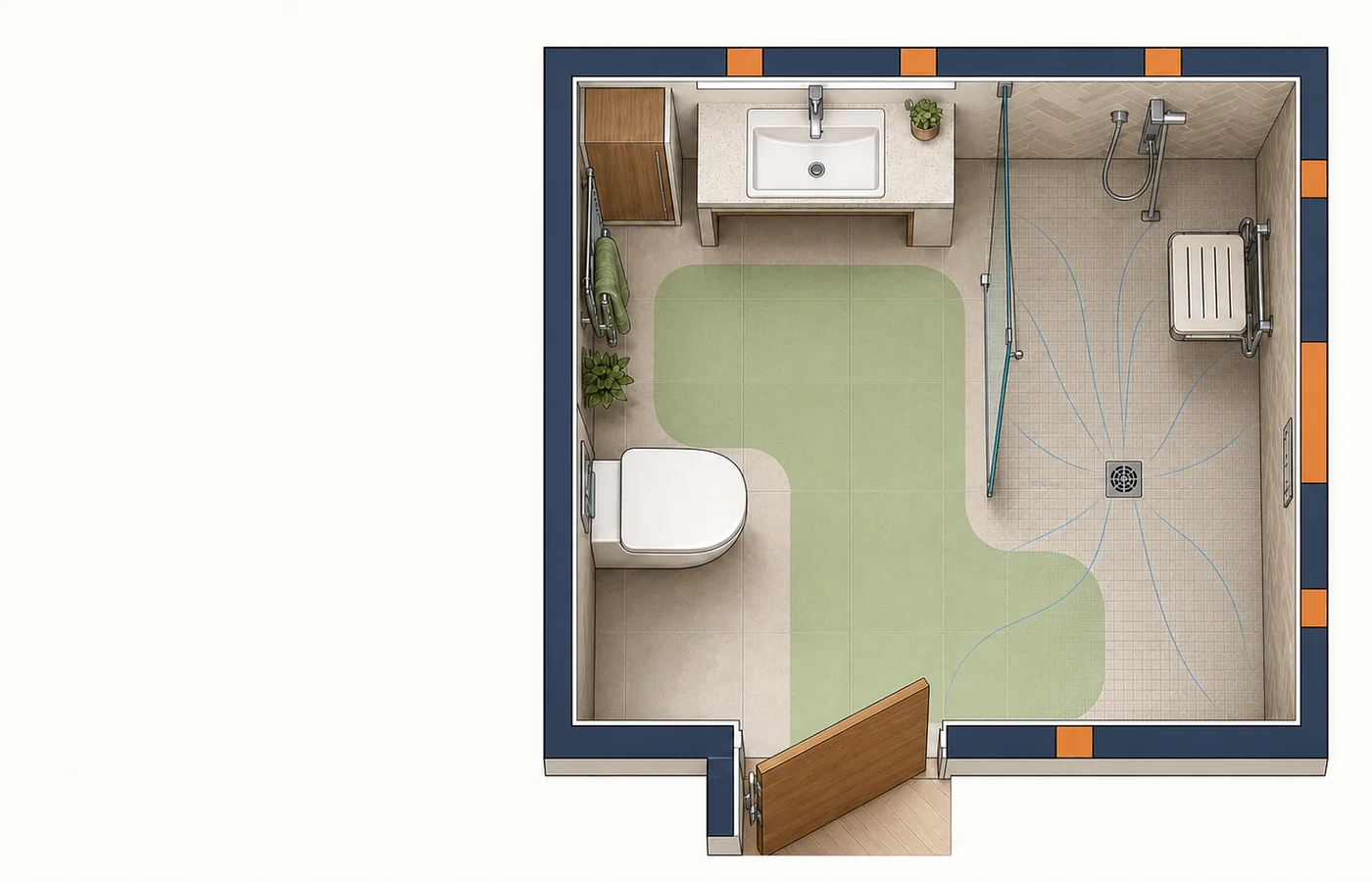
As observed in the healthcare industry, the humble door is no longer just a functional barrier; it’s a crucial enabler of adaptability. Sliding doors, for instance, can maximize the utility of a room by eliminating the need for swing-out clearance, allowing homeowners to optimize every square inch.
But the benefits of flexible doors go beyond just space-saving. “We’re seeing a rise in automated, universally-designed doors that can seamlessly accommodate changing needs,” says Alex. “Whether it’s a bedroom that transforms into a home gym or a home office that becomes a guest suite, these smart openings make the transition effortless.”
The Challenges of Flexibility: Balancing Cost and Functionality
Of course, with great flexibility comes great responsibility – or, in this case, great expense. Designing for adaptability requires a delicate balance between cost and functionality, a challenge that both homeowners and renovation professionals must navigate.
As healthcare facilities have learned, the allure of future-proofing can sometimes lead to overbuilding, resulting in unnecessary costs. Homeowners must carefully weigh the long-term benefits of adaptability against the short-term financial impact.
“It’s all about finding the sweet spot,” explains Sarah. “We want to create spaces that are flexible enough to accommodate changing needs, but not so over-engineered that we’re wasting resources. It’s a constant balancing act, but one that’s essential to ensuring a successful renovation.”
Embracing the Unknown: The Beauty of Flexible Design
In a world that’s constantly in flux, the ability to adapt and evolve has become a critical survival skill – and this holds true not just for individuals, but for our homes as well.
As we’ve explored, the future of room renovation is all about embracing the unknown and designing with an open mind. By incorporating flexibility into the very core of our living spaces, we’re not just preparing for the changes to come, but we’re also unlocking a whole new world of creative possibilities.
So, whether you’re renovating your home or simply dreaming of a more adaptable future, keep an eye out for the latest trends in flexible design. Who knows – your next room renovation might just transform your space in ways you never imagined. And don’t forget to explore the comprehensive home renovation services available to help you bring your flexible vision to life.