The Art of Zoning Rooms: Unleashing the Power of Color Blocking and Furniture Placement
Ah, the eternal quest to create the perfect living space – a harmonious blend of form, function, and personal style. As the proud owner of a building and renovation company in Aberdeen, UK, I’ve had the privilege of guiding countless clients on this journey of transforming their humble abodes into sanctuaries that truly reflect their unique personalities.
Let me tell you, when it comes to zoning rooms, the devil is in the details. It’s not just about slapping a coat of paint on the walls and arranging a few pieces of furniture. No, my friends, it’s a delicate dance of color blocking, furniture placement, and spatial awareness that can make or break the ambiance of a room.
Imagine walking into a space and feeling immediately at ease, as if the room was tailored just for you. That, my friends, is the power of strategic zoning. It’s the difference between a cluttered, disjointed space and a seamless, cohesive oasis that nourishes the soul.
Mastering the Art of Color Blocking
Picture this: you’re standing in the middle of a room, eyes scanning the walls, wondering, “Where do I even begin?” Fear not, my fellow design enthusiasts, for color blocking is the key to unlocking the true potential of your space.
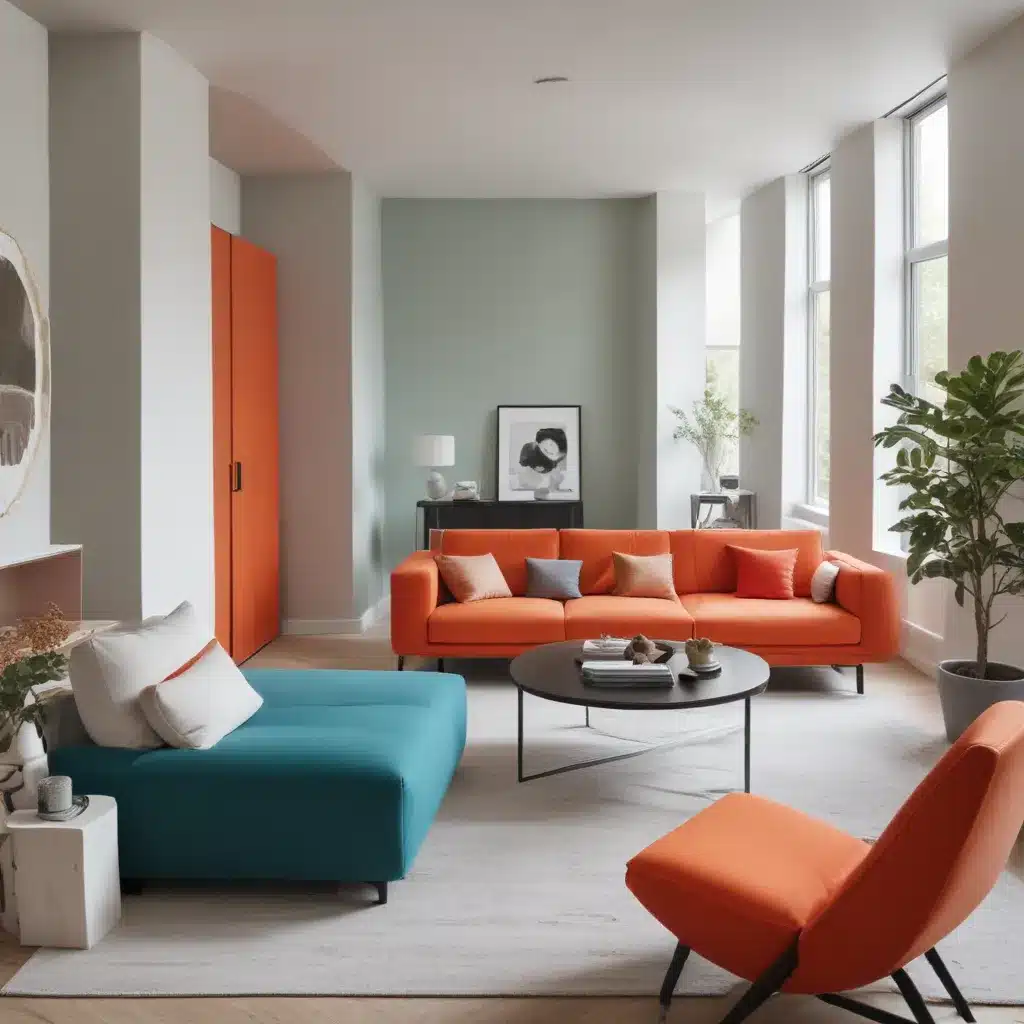
Color blocking is the strategic placement of contrasting or complementary colors to define different zones within a room. It’s like painting with a broader brush, creating visual boundaries that subtly guide the eye and influence the overall feel of the space.
Let’s say you have an open-concept living room and dining area. By using a bold, contrasting color to define the dining zone, you instantly create a sense of separation and purpose. The vibrant hue draws the eye, drawing guests towards the designated dining area, while the surrounding neutral tones provide a calming backdrop.
But color blocking isn’t just about creating zones – it’s also a powerful tool for enhancing the unique architectural features of a room. Accentuating a fireplace with a rich, moody color can turn it into the room’s focal point, while framing a stunning window with a complementary shade can make the view the star of the show.
The key is to approach color blocking with intention, experimenting with different palettes and techniques until you find the perfect balance. It’s a dance of light and shadow, a symphony of hues that can transform a space from ho-hum to utterly captivating.
Furniture Placement: The Subtle Art of Zoning
Ah, furniture placement – the unsung hero of room zoning. It’s the invisible glue that holds a space together, guiding the flow of movement and defining the purpose of each area.
Imagine walking into a living room where the sofa is positioned haphazardly, with no clear indication of where the conversation zone should be. It’s a recipe for chaos, a space that feels disjointed and uninviting. But when you arrange your furniture with intention, suddenly the room comes alive, with each piece playing its part in creating a cohesive and functional environment.
Take the classic living room, for example. By positioning the sofa and armchairs in a U-shape, you instantly create a designated conversational area, inviting guests to gather and engage. But that’s not all – by strategically placing a console table or side tables behind the sofa, you’ve now defined a secondary zone, perhaps for quiet reading or thoughtful reflection.
The beauty of furniture placement lies in its ability to subtly guide the user experience. A well-placed area rug can delineate a cozy seating area, while a strategically placed bookshelf can serve as a visual divider, separating the living space from the dining area.
It’s all about understanding the flow of movement, anticipating how people will naturally navigate the space, and using your furniture as tools to shape that experience. It’s a delicate dance, but when done right, the result is a room that feels effortlessly organized and intuitively functional.
Putting It All Together: A Case Study in Zoning
Let me share with you a recent project that perfectly encapsulates the power of color blocking and furniture placement in zoning a room.
Our clients, a young, creative couple, had recently purchased a charming townhouse in the heart of Aberdeen. They came to us with a clear vision: to transform their open-concept living and dining area into a harmonious, multifunctional space that would serve as the heart of their home.
The challenge? The room was a blank canvas, with stark white walls and a somewhat awkward layout that made it difficult to define distinct zones.
We started by exploring the power of color blocking. After several mood board sessions and lively discussions, the clients settled on a soothing palette of sage green and soft, earthy tones. The transformation began with a bold, feature wall in the dining area, instantly creating a sense of separation and purpose.
But the real magic happened with the furniture placement. By positioning the living room seating in a cozy, U-shaped configuration, we were able to carve out a designated conversational zone, complete with a plush area rug and a cluster of low side tables. Meanwhile, the dining table and chairs were strategically placed to define the dining area, with a sleek console table serving as a visual boundary between the two zones.
The result? A seamless, harmonious space that flowed effortlessly, with each area serving a distinct purpose while still feeling cohesive and connected. The clients were thrilled, exclaiming that the once-awkward room now felt like a sanctuary tailor-made for their lifestyle.
The Power of Zoning: Unlocking the Full Potential of Your Space
As I reflect on this project and countless others, I’m reminded of the transformative power of zoning. It’s not just about creating physical boundaries – it’s about crafting an environment that speaks to the soul, a space that nurtures creativity, encourages connection, and fosters a sense of well-being.
Think about it – when you step into a beautifully zoned room, it’s almost as if the space itself embraces you, guiding your movements and shaping your experience. It’s a subtle, yet profoundly impactful, form of design magic.
And the best part? Zoning is not just for the design savvy – it’s a technique that anyone can master. By understanding the principles of color blocking and furniture placement, you can unleash the full potential of your living spaces, creating zones that not only look stunning but also serve your unique needs and lifestyle.
So, my friends, I encourage you to embrace the art of zoning. Experiment with bold hues, rearrange your furniture with intention, and watch as your humble abode transforms into a true sanctuary, a space that nourishes your body, mind, and soul.
After all, our homes are not just a collection of walls and floors – they’re the canvas upon which we paint the stories of our lives. And with the right zoning strategies, you can ensure that every room in your home is a masterpiece, a reflection of your unique style and a true haven for you and your loved ones.
Ready to embark on your own zoning journey? I can’t wait to see what magic you’ll create!