Some renovation advice talks about panel capacity as if the home were in the US. The UK version is different. The important checks are consumer unit condition, RCD or RCBO protection, circuit division, earthing, bonding, meter tails, maximum demand and the paperwork left after the work.

Consumer unit upgrade decision table
| Renovation situation | Likely electrical issue | What should happen |
|---|---|---|
| New kitchen with oven, hob, sockets and appliances | New or altered circuits, RCD protection and load assessment | Electrical design before cabinets are fixed, not after the worktop is in. |
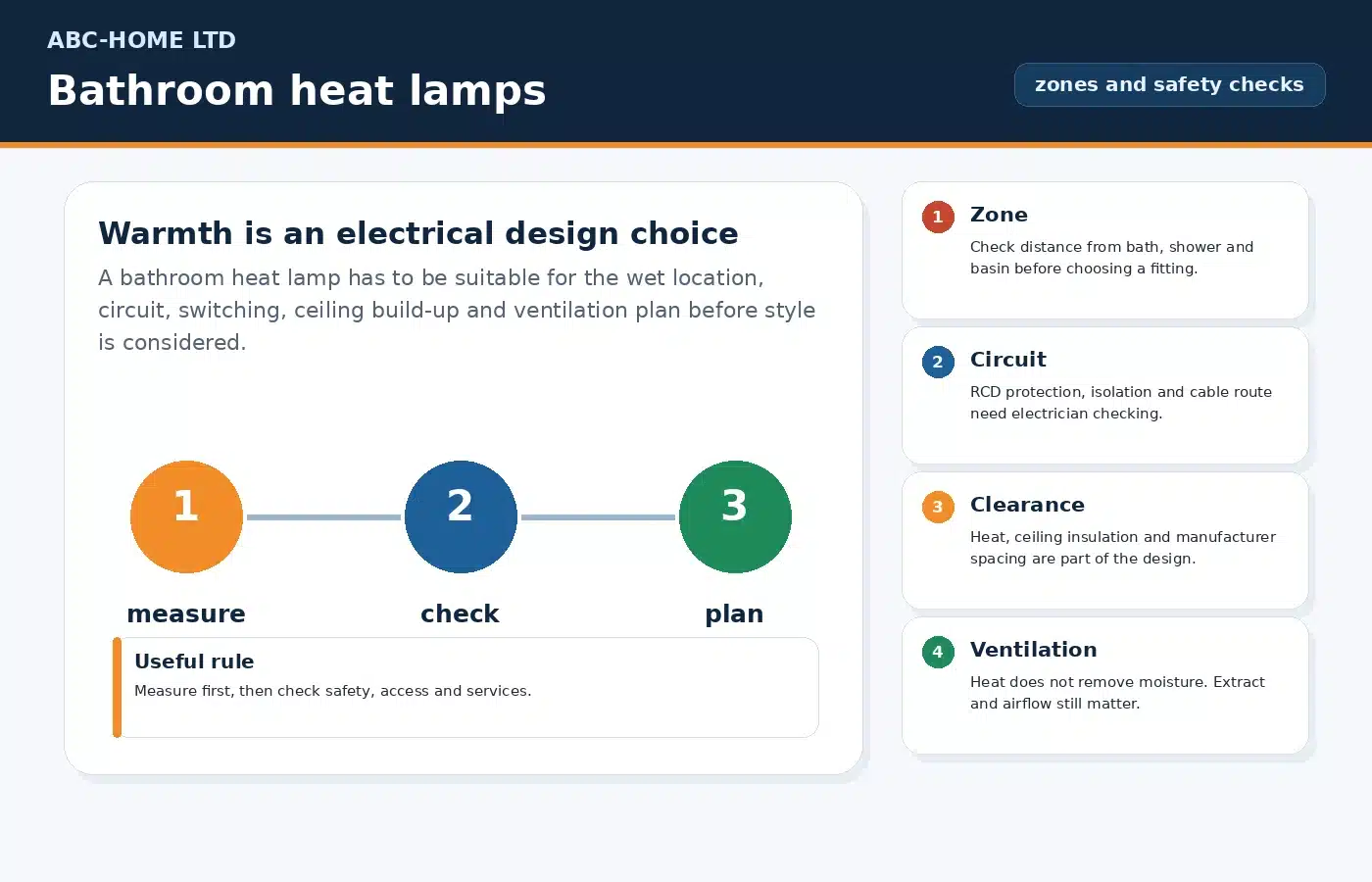
| Bathroom refit with fan, lights, shower or underfloor heating | Bathroom zones, RCD protection and safe isolation | Use a qualified electrician and coordinate with the bathroom fitter. |
| Old fuse wire board | Limited protection and poor fault separation compared with modern consumer units | Survey earthing, bonding and all circuits before quoting a replacement. |
| Board has no RCD protection | Higher shock risk on socket, outdoor, bathroom and concealed cable work | Assess upgrade options. RCBO boards can limit nuisance loss of power to one circuit. |
| Plastic consumer unit on escape route | Modern domestic consumer units are expected to be non-combustible enclosures | Check with the electrician against current BS 7671 requirements and site conditions. |
Renovation electrical load checker
This does not design the installation. It flags when a consumer unit survey is likely needed.
What a proper upgrade includes
Inspection before replacement
Existing circuit faults can appear when a new RCD or RCBO board is fitted. A pre-check reduces surprises on the day of the changeover.
Earthing and bonding
Main earthing and protective bonding are not optional details. They need to be checked before the consumer unit is changed.
RCD, RCBO and SPD choices
Modern boards often use RCBOs for better circuit separation. Surge protection and arc fault protection should be considered against the current wiring regulations and risk.
Certification
After replacement, expect inspection, testing, an Electrical Installation Certificate and the appropriate Building Regulations compliance route.
Part P and BS 7671 in plain English
Part P is about making electrical work in dwellings safe under Building Regulations. BS 7671 is the wiring standard electricians design and test against. For the homeowner, the practical point is simple: do not let a general renovation crew swap a consumer unit casually. It needs a competent electrician, proper testing and paperwork.
How this connects to renovation planning
- Ask for the electrical survey before finalising kitchen, bathroom or extension layouts.
- Mark every new appliance, heater, fan, pump, outdoor supply and high-load item on the plan.
- Allow time for certification and any Building Regulations notification.
- Do not bury junctions, cables or controls behind finished panels without access and design approval.
- Keep the certificate, schedule of circuits and user instructions with the house documents.
Electrical standards to keep with the upgrade brief
A consumer unit upgrade is not only a capacity decision. For an Aberdeen renovation, the electrician should separate the England and Wales Part P reference from the Scottish route and check the work against BS 7671, the IET Wiring Regulations and relevant Scottish Government building standards guidance.
- Electrical Safety First fusebox and consumer unit guidance: plain homeowner explanation of what the board does and why it needs safe access.
- IET BS 7671 Wiring Regulations: the technical reference electricians use for circuit design, protection, inspection and testing.
- Scottish Government Building Standards: the Scottish compliance route to check before finished walls, cabinets or bathrooms close around electrical work.
- GOV.UK Competent Person Scheme guidance: useful background where a UK comparison is needed, especially when reading Part P material online.
FAQ
Is an electrical panel the same as a consumer unit?
In UK home language, people usually mean the consumer unit or fuse board. It controls and protects the final circuits in the property.
Does a renovation require a new consumer unit?
Not always. It depends on the condition of the existing board, the circuits being altered, RCD protection, earthing, bonding and the new loads.
Is replacing a consumer unit notifiable?
In England and Wales, consumer unit replacement in a dwelling is notifiable electrical work under Part P and needs the proper compliance route.
What certificate should I expect?
A replacement consumer unit should be inspected and tested, with an Electrical Installation Certificate and any Building Regulations compliance certificate where applicable.