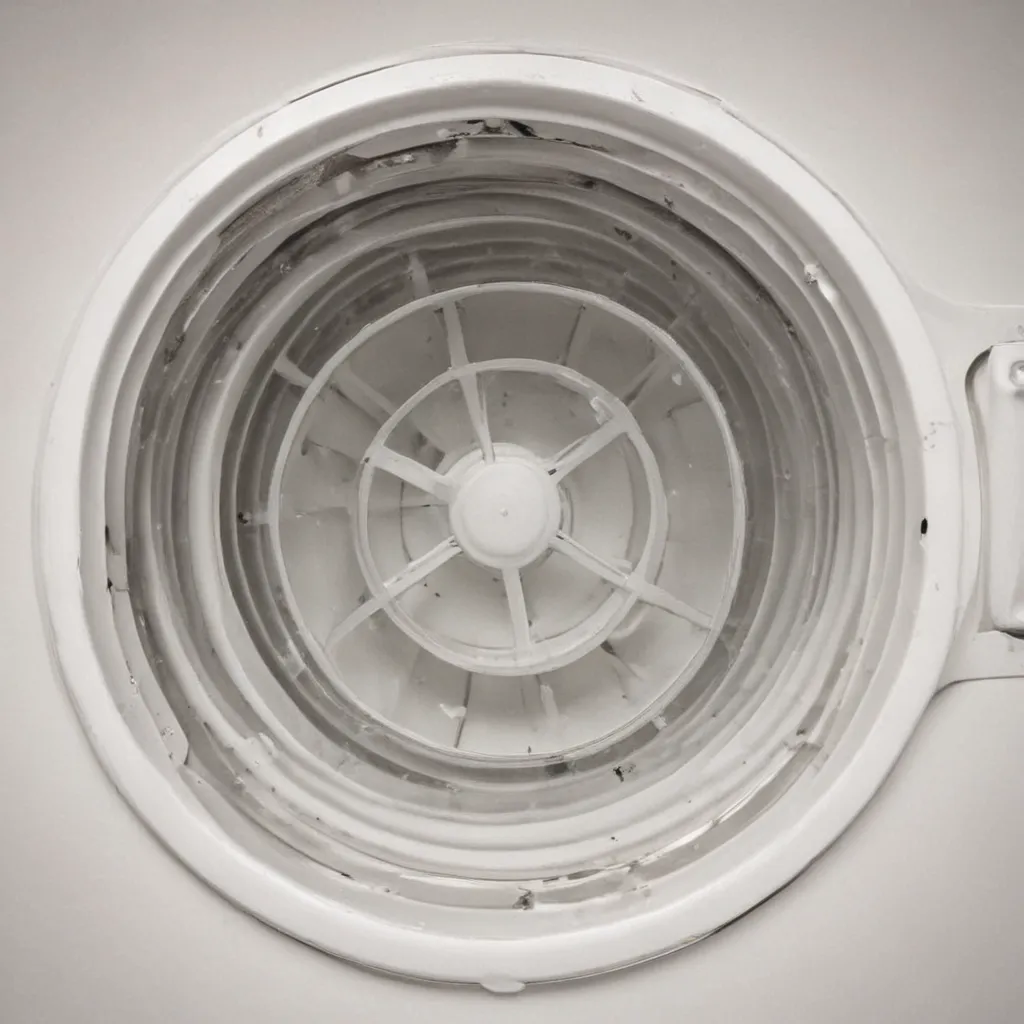
The Tangled Web We Weave: Unraveling the Mysteries of Clothes Dryer Vents
As a homeowner in Aberdeen, UK, I’ve had my fair share of experiences with the mysterious world of clothes dryer vents. It’s a topic that often gets swept under the rug (or should I say, hidden behind the dryer?), but trust me, it’s one that deserves our attention. After all, a properly functioning dryer vent can make all the difference in the efficiency of your home appliance and the safety of your abode.
The Unseen Danger: Clogged Dryer Vents
Have you ever noticed that your clothes are taking longer to dry or that your dryer is working overtime? Well, my friend, the culprit might just be lurking in your dryer vent. Over time, these vents can become clogged with lint, dust, and other debris, creating a veritable obstacle course for the hot air trying to escape. And let me tell you, that’s not just a minor inconvenience – it can be a serious fire hazard!
You see, when the hot air can’t properly vent, it gets trapped inside the dryer, causing the appliance to work harder and harder to dry your clothes. This not only leads to higher energy bills but also increases the risk of a fire. Lint is highly flammable, and a clogged vent can cause that lint to build up, creating the perfect conditions for a blaze to start.
The Telltale Signs: Recognizing When It’s Time to Clean
So, how can you tell if your dryer vent is in need of a good cleaning? Well, keep an eye out for a few key signs:
-
Longer Drying Times: If your clothes are taking forever to dry, even on the hottest setting, it’s a clear indication that your vent is obstructed.
-
Excessive Heat Around the Dryer: Feel the area around your dryer. If it’s unusually warm or hot, that’s a red flag that the hot air isn’t escaping properly.
-
Visible Lint Buildup: Take a peek at the vent opening. If you see a significant amount of lint or debris accumulating, it’s time to take action.
-
Reduced Airflow: Hold your hand near the vent opening. If the airflow seems sluggish or weak, that’s a telltale sign of a blockage.
Remember, don’t wait until it’s too late. Addressing a clogged dryer vent as soon as possible can save you a lot of time, money, and, more importantly, potential fire danger.
Clearing the Way: The Art of Dryer Vent Cleaning
Now that you know the importance of keeping your dryer vent clean, it’s time to learn how to do it. Trust me, it’s not as daunting as it might seem. In fact, with the right tools and a little bit of elbow grease, you can have your vent sparkling clean in no time.
The Tools of the Trade: Equipping Yourself for Success
To tackle this task, you’ll need a few key items:
-
Dryer Vent Cleaning Kit: These kits typically include a flexible rod with a brush attachment, perfect for reaching deep into the vent and dislodging any stubborn blockages.
-
Vacuum Cleaner: Equipped with a hose and crevice tool, your trusty vacuum will be your best friend in sucking up all the lint and debris.
-
Gloves and Protective Eyewear: Safety first, my friends! Protect your hands and eyes from any flying particles.
-
Flashlight: A good, bright flashlight will help you see exactly what’s going on inside that vent.
With these tools in hand, you’re ready to embark on your dryer vent cleaning adventure.
The Step-by-Step Process: Achieving a Spotless Vent
-
Disconnect the Vent: Start by disconnecting the vent from the back of your dryer. This will give you full access to the interior of the vent.
-
Inspect and Assess: Use your flashlight to take a good look at the vent’s interior. Note any areas of heavy lint buildup or potential blockages.
-
Brush and Vacuum: Insert the flexible cleaning rod into the vent, gently brushing and agitating the lint and debris. As you dislodge the gunk, use your vacuum’s hose and crevice tool to suck it all up.
-
Check for Damage: While you’ve got the vent disconnected, take a moment to inspect it for any cracks, holes, or signs of wear and tear. If you notice any issues, it might be time to replace the vent.
-
Reconnect and Test: Once you’re satisfied that the vent is clean, reattach it to the dryer. Turn on the dryer and check the vent opening to ensure a strong, steady airflow.
Remember, safety should always be your top priority. If at any point you feel uncomfortable or unsure, don’t hesitate to call in a professional. Trust me, it’s better to err on the side of caution when it comes to preventing a potential fire hazard.
The Ongoing Battle: Maintaining a Clean Dryer Vent
Phew, you’ve tackled the initial cleaning, but the work doesn’t stop there. Keeping your dryer vent in tip-top shape requires a bit of ongoing maintenance. After all, lint and debris have a pesky way of creeping back in, and we can’t have that, can we?
The Importance of Routine Inspections
Just like your car needs regular tune-ups, your dryer vent needs periodic check-ups. I recommend inspecting it at least once a year, or even more frequently if you have a large household or do a lot of laundry. This way, you can catch any potential issues before they become major problems.
During these inspections, take a close look at the vent’s exterior and interior. Is there any visible lint or debris accumulating? Are there any signs of wear and tear? If so, it’s time to break out the cleaning tools and get to work.
The Power of Prevention: Lint Traps and Vent Covers
But wait, there’s more! You can also take some proactive steps to keep your dryer vent in tip-top shape between cleanings. First and foremost, make sure you’re regularly cleaning the lint trap in your dryer. This handy little filter can catch a surprising amount of lint, but it needs to be emptied after every use.
Another nifty trick is to invest in a vent cover. These little devices fit over the exterior vent opening and help prevent debris and critters from making their way back into your vent system. Just be sure to choose one that’s designed for your specific vent size and that won’t impede airflow.
Calling in the Professionals: When to Seek Help
Now, I know what you’re thinking – “But what if I’m not a DIY kind of person?” No worries, my friend! There’s no shame in calling in the experts. In fact, for some homeowners, that’s the best way to go.
If you’re not comfortable tackling the vent cleaning yourself, or if you suspect a more serious issue, like a vent that’s been damaged or is simply too long and complex for a DIY approach, it’s time to call in a professional. Look for a reputable local company that specializes in dryer vent cleaning and maintenance. They’ll have the right tools and expertise to get the job done quickly and safely.
Remember, your safety and the efficiency of your dryer are top priorities. Don’t hesitate to seek help when you need it. After all, a clean and well-maintained dryer vent is the key to keeping your clothes fresh, your energy bills low, and your home safe from the risk of fire.
The Bigger Picture: Optimizing Your Dryer’s Efficiency
Alright, now that we’ve covered the ins and outs of dryer vent cleaning, let’s take a step back and look at the bigger picture. Because, my friends, a clean vent is just the beginning when it comes to optimizing the efficiency of your clothes dryer.
The Ripple Effect: How a Clean Vent Benefits Your Dryer
When your dryer vent is clogged and obstructed, it forces your appliance to work harder and harder to push the hot air out. This, in turn, can have a ripple effect on the overall efficiency of your dryer. Think about it – the motor has to work overtime, the heating element has to use more energy, and the entire system is under increased strain.
But when you keep that vent clean and clear, the hot air can flow freely, allowing your dryer to operate at its peak performance. This not only saves you money on your energy bills but also extends the lifespan of your appliance. It’s a win-win situation!
Beyond the Vent: Other Factors that Influence Efficiency
Now, while a clean vent is certainly a crucial piece of the puzzle, it’s not the only factor that can impact your dryer’s efficiency. Here are a few other things to consider:
-
Load Size: Avoid overloading your dryer. Smaller, more manageable loads allow for better airflow and more effective drying.
-
Fabric Type: Different fabrics require different drying settings. Make sure you’re selecting the appropriate cycle for the clothes you’re drying.
-
Dryer Age and Maintenance: Older dryers may not be as energy-efficient as newer, more advanced models. Additionally, regular maintenance, like cleaning the lint trap and checking for any mechanical issues, can keep your appliance running at its best.
-
Ventilation and Airflow: Ensure that your dryer is properly vented to the outside and that the vent is the appropriate length and size for your specific model.
By considering all these elements, you can truly optimize the efficiency of your clothes dryer and keep your energy costs in check.
The Payoff: Enjoying the Benefits of a Well-Maintained Dryer
Alright, let’s recap the benefits of keeping your dryer vent clean and your appliance running at peak efficiency:
-
Reduced Energy Costs: A more efficient dryer means lower energy bills, which is music to any homeowner’s ears.
-
Longer Appliance Lifespan: By reducing the strain on your dryer’s components, you can extend the life of your appliance and avoid costly repairs or replacements.
-
Faster Drying Times: With a clear vent and optimal airflow, your clothes will dry quicker, saving you time and energy.
-
Improved Fire Safety: A clean vent eliminates the fire hazard posed by lint buildup, giving you peace of mind and protecting your home.
So, what are you waiting for? It’s time to take charge of your dryer’s efficiency and keep your clothes, your wallet, and your home safe from the perils of a clogged vent. Trust me, your future self will thank you.
Now, if you’ll excuse me, I’ve got a vent to clean. Happy laundry day, my friends!