Embracing the AI Revolution in Home Protection
We live in an age where our homes are no longer just the four walls that shelter us – they’ve become extensions of our digital lives, filled with a dizzying array of connected devices that promise to make our lives easier, safer, and more convenient. From smart doorbells that let us remotely greet visitors to voice-activated assistants that can control our lighting and temperature with a simple command, the smart home revolution is well underway.
And at the heart of this transformation lies a technology that’s poised to revolutionize the way we safeguard our most precious asset: Artificial Intelligence (AI). As an Aberdeen-based building and renovation company, we’ve been keeping a close eye on the rapidly evolving landscape of home security, and let me tell you, the future is looking decidedly high-tech.
Outsmarting the Intruders
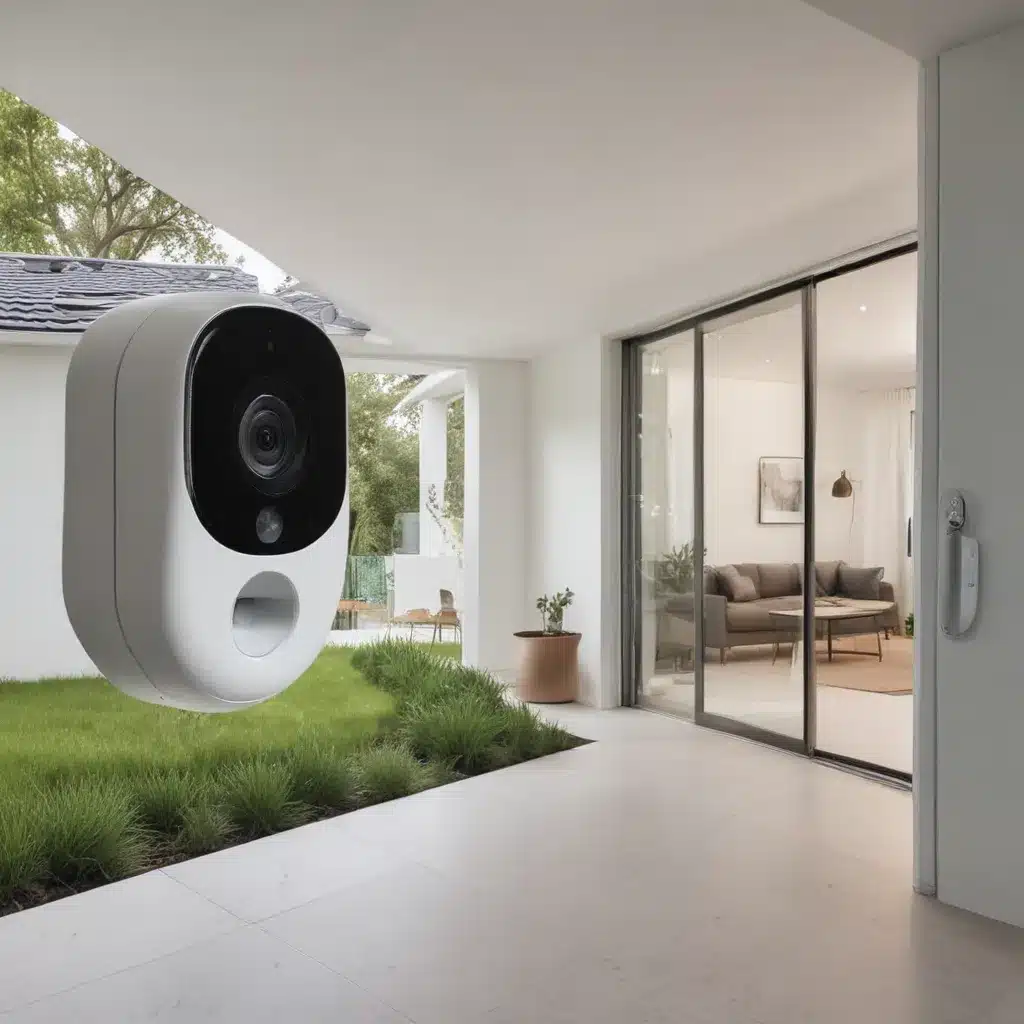
Gone are the days when a simple motion-activated alarm was considered state-of-the-art home security. Today, AI-powered cameras are leading the charge, with the ability to not just detect movement, but to actually recognize and differentiate between different people, objects, and even pets. Imagine an outdoor camera that can tell you whether the car in your driveway belongs to a family member or a stranger – or a video doorbell that knows the difference between your teenager coming home from school and a delivery person dropping off a package.
Recent surveys have revealed that a significant portion of homeowners are eager to embrace this AI-driven approach to home security. In fact, a whopping 37% of Americans surveyed said they would “definitely consider” installing an AI-powered security system, with an additional 47% expressing uncertainty but open-mindedness towards the idea.
What’s driving this growing enthusiasm? For one, the promise of increased accuracy and responsiveness. By training AI models to recognize patterns and distinguish between legitimate threats and harmless activity, these smart security systems can significantly reduce the number of false alarms – a major pain point for both homeowners and emergency responders. And in the event of a genuine emergency, the AI’s ability to quickly identify the situation and notify the appropriate authorities could mean the difference between a safe resolution and a disastrous outcome.
Balancing Security and Privacy
Of course, with any new technology, there are valid concerns about privacy and data protection. After all, the idea of having cameras and sensors constantly monitoring our homes can understandably feel like an invasion of our personal space. But the engineers behind these AI-powered security systems are well aware of these concerns and are working hard to address them.
One promising approach is the integration of edge computing, which allows for certain AI processing and decision-making to happen directly on the device, rather than relying solely on cloud-based servers. This not only reduces latency and enhances responsiveness, but it also helps to keep sensitive data securely within the confines of the home, rather than exposing it to potential breaches or misuse.
Additionally, many of these smart security systems offer customizable access and control options, allowing homeowners to determine precisely which family members, friends, or trusted service providers can view and interact with the system’s features. It’s all about striking the right balance between protection and privacy – and the industry is making great strides in that direction.
Collaboration is Key
Of course, technology alone can’t solve all of our home security challenges. As one insightful article pointed out, some of the most effective security measures have nothing to do with gadgets and everything to do with the people around us. After all, who better to keep an eye on our homes than our neighbors, friends, and family?
That’s why the latest generation of smart home security systems are designed to seamlessly integrate with our social networks, allowing us to easily share access and collaborate on monitoring our properties. Imagine being able to quickly notify your trusted circle if your home’s alarm is triggered, or to have them step in and respond if you’re unable to do so yourself. It’s a level of community-based security that could be a game-changer, especially for those of us who don’t have the resources or inclination to install a full-fledged professional security system.
And as one software engineer at SimpliSafe pointed out, this type of collaborative approach is crucial for addressing one of the biggest challenges facing the home security industry: false alarms. By empowering homeowners and their networks to distinguish between genuine threats and everyday occurrences, these systems can help ensure that emergency responders are only dispatched when it truly matters – a win-win for everyone involved.
The Future is Bright (and Secure)
As an Aberdeen-based building and renovation company, we can’t help but be excited about the direction home security is headed. With AI-powered cameras, edge computing, and community-based monitoring all converging to create a safer, more secure future, it’s clear that the days of outdated, one-size-fits-all security solutions are quickly coming to an end.
Of course, there will always be naysayers and those hesitant to embrace new technologies. But as the benefits of these cutting-edge security systems become more widely understood – from improved accuracy and responsiveness to enhanced privacy safeguards and community-driven monitoring – we have no doubt that AI-powered home security will become the norm rather than the exception.
So whether you’re in the market for a new security system or simply curious about what the future holds, keep your eyes peeled for the latest advancements in this space. The days of simple motion sensors and blaring alarms are quickly giving way to a new era of intelligent, collaborative, and truly innovative home protection. It’s an exciting time to be a homeowner, and we can’t wait to see what the next few years have in store.