The Dream of Living Off-Grid
I’ll admit it – I’ve always been a bit of a dreamer. Ever since I was a kid, I’ve been fascinated by the idea of living off-grid, disconnected from the traditional power grid and self-reliant when it comes to my energy needs. There’s just something so appealing about the thought of being in control of my own power supply, free from the whims and price fluctuations of the utility companies.
And let me tell you, I’m not the only one with this dream. I’ve met all sorts of folks, from young adventure-seekers to retired couples, who are captivated by the prospect of living off-grid. Maybe it’s the allure of being more eco-friendly, or the thrill of being completely self-sufficient. For me, it’s a little bit of both, plus the sheer satisfaction of saying “I did it!”
Of course, actually making the leap to off-grid living isn’t as simple as just flipping a switch. There’s a lot of planning and preparation that goes into it. One of the most crucial elements? Battery storage. That’s where ABC Home, the building and renovation experts in Aberdeen, UK, come in. They’ve helped countless customers navigate the world of off-grid power, and they’ve got the know-how to make my dreams a reality.
The Importance of Battery Storage
Now, I know what you’re thinking – “Battery storage? Isn’t that just for electric cars and fancy smart homes?” Well, my friend, you’d be surprised. Battery storage is the key to unlocking the full potential of off-grid power systems.
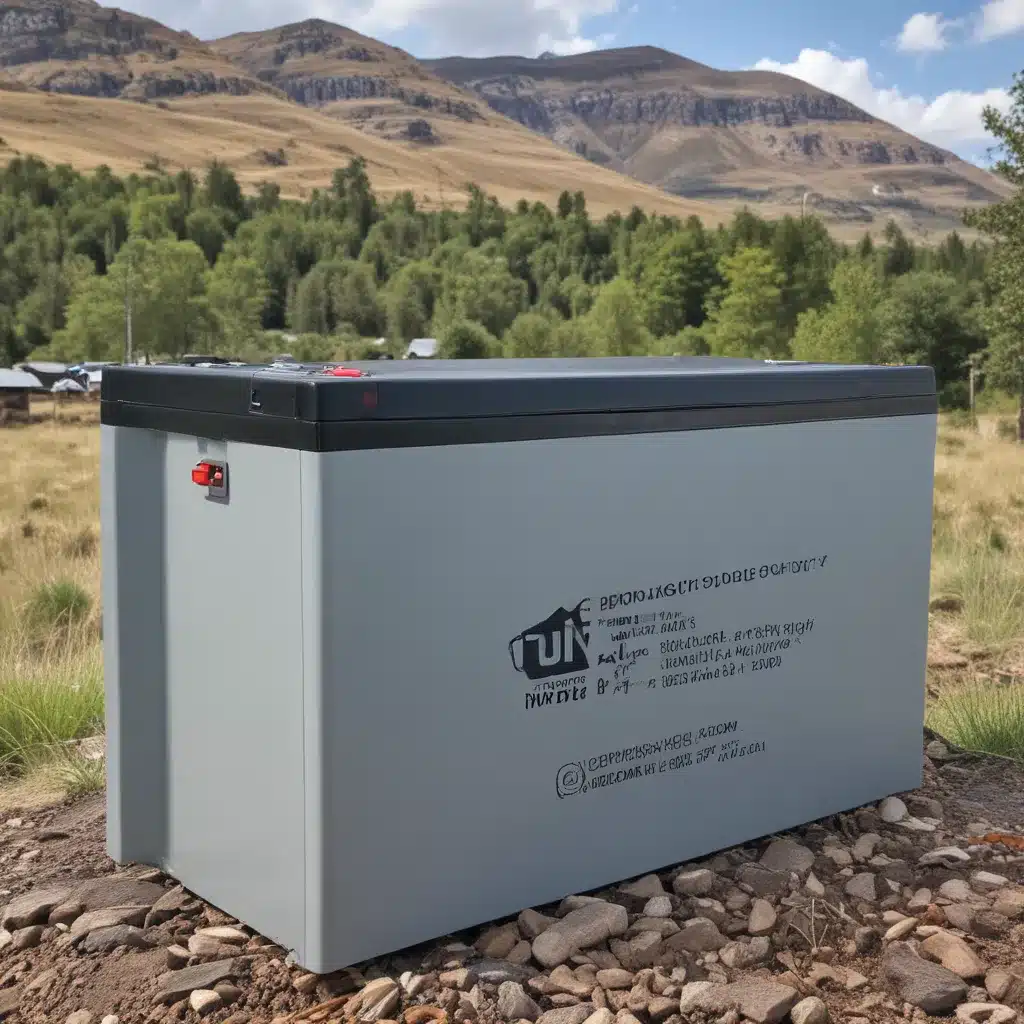
Think about it this way – when you’re relying on solar panels or wind turbines to generate your electricity, you need a way to store that power for when the sun isn’t shining or the wind isn’t blowing. That’s where the battery bank comes in. It acts as a giant reservoir, holding onto that precious energy until you need it.
But it’s not just about having a battery bank – it’s about having the right battery bank. As I learned from the folks at Reddit, not all batteries are created equal. For off-grid living, you really want to look into lithium-ion batteries, specifically the lithium iron phosphate (LiFePO4) variety.
Why, you ask? Well, as Battle Born Batteries explains, these babies can last up to 10 times longer than their lead-acid counterparts and can be charged and discharged much more efficiently. Plus, they pack a serious punch in terms of power density, meaning you can get more juice out of a smaller package.
Designing the Perfect Off-Grid Power System
Now, I know what you’re thinking – “Okay, so I need the right batteries. But how do I actually set up an off-grid power system?” Well, my friends, that’s where the real magic happens.
According to the pros over at Sun City Energy, the first step is to figure out just how much power you need. That means taking a good, hard look at your energy consumption habits and making a list of all the major loads in your home – things like your HVAC system, fridge, and laundry appliances.
Once you’ve got that baseline, you can start to crunch the numbers and determine the size of the battery bank you’ll need. As a general rule of thumb, you’ll want to aim for at least a day or two of autonomy, meaning your batteries can keep your home powered even if the sun doesn’t shine for a couple of days.
But here’s the kicker – that’s just the beginning. You also need to factor in the size of your solar array (or other renewable energy sources) to make sure you can keep those batteries juiced up. And don’t forget about the all-important inverter, which is responsible for converting that DC power from the batteries into the AC juice your home can actually use.
It’s a delicate balancing act, for sure. But that’s where the experts at ABC Home really shine. They’ve got a team of technical specialists who have designed off-grid power systems for all sorts of customers, from remote cabins to large commercial facilities. They know how to crunch the numbers, choose the right components, and make sure everything works together seamlessly.
The Realities of Off-Grid Living
Now, I know what you’re thinking – “This all sounds great, but is it really practical?” And let me tell you, that’s a totally valid question. The truth is, going off-grid isn’t always easy, and it’s not for everyone.
As the folks over at Reddit pointed out, a typical residential home just isn’t designed with off-grid living in mind. That means you might have to make some pretty hefty lifestyle adjustments, like saying goodbye to your power-hungry HVAC system or learning to live with a smaller refrigerator.
And then there’s the cost factor. As Sun City Energy explains, a fully off-grid power system with a robust battery bank can easily run you tens of thousands of pounds. It’s a serious investment, and one that not everyone is willing or able to make.
But you know what? I don’t let that get me down. Because for me, the benefits of living off-grid far outweigh the challenges. I’m talking about the freedom, the self-sufficiency, the peace of mind that comes with knowing my power is in my own hands. And with the help of the experts at ABC Home, I’m confident I can make it work.
Putting it All Together
So, there you have it – the ins and outs of battery storage for off-grid power supply. It’s a complex topic, to be sure, but with the right knowledge and the right team in your corner, it’s definitely achievable.
And let me tell you, the feeling of being completely self-reliant when it comes to your energy needs? It’s pretty darn satisfying. No more worrying about power outages, no more dealing with utility companies and their price hikes. Just you, your trusty battery bank, and the great outdoors.
Of course, it’s not all sunshine and rainbows. There will be challenges, there will be trade-offs, and there will be a whole lot of number-crunching involved. But for me, it’s all worth it. Because at the end of the day, the dream of living off-grid is one that I’m determined to make a reality.
So, who’s with me? Let’s go build ourselves some battery-powered wonderlands and show the world that the future of energy is in our own hands. Bring on the batteries, bring on the sun, and bring on the freedom of off-grid living!