Laying the Foundation for a Successful Project
When it comes to home renovations and building projects, safety should always be the top priority. Whether you’re tackling a small bathroom upgrade or embarking on a full-scale home addition, taking the proper precautions upfront can make all the difference between a smooth, rewarding process and a disastrous one. As an experienced building and renovation company serving the Aberdeen area, we’ve seen it all – from minor mishaps to major catastrophes that could have been easily avoided with the right preparation.
That’s why we’re here to walk you through the essential first steps you need to take before diving into any project. From assembling the right tools and safety gear to understanding local building codes and permits, consider this your comprehensive guide to laying a solid foundation for a successful, stress-free endeavor. By following these crucial guidelines, you’ll not only protect yourself and your family, but you’ll also set your project up for long-term success.
Assess the Risks
The first step in any home renovation or building project is to carefully evaluate the potential risks involved. This means taking a hard look at the scope of work, identifying any potential hazards, and developing a plan to mitigate them.
Start by considering the type of project you’re undertaking. Is it a simple cosmetic update, like painting or installing new flooring? Or is it a more complex structural renovation, such as adding a room or reconfiguring the layout? The level of risk will vary greatly depending on the scale and complexity of the work.
Next, think about the specific tasks involved. Will you be working with power tools? Handling heavy materials? Accessing high or cramped spaces? Each of these activities carries its own set of safety concerns that you’ll need to address.
According to the American Red Cross, the essential first aid steps in an emergency are to check the scene for safety, call 911 if necessary, and then provide care based on the situation. This same principle applies to your home project – you need to carefully assess the risks upfront, have a plan in place to handle any emergencies, and be prepared to take immediate action if something goes wrong.
For example, if you’ll be working on a roof, you’ll need to ensure you have the proper safety harnesses, ladders, and fall protection equipment. Or if you’ll be using power saws, you’ll want to make sure you have cut-resistant gloves, eye protection, and a well-ventilated work area.
The Maryland State Department of Education also emphasizes the importance of having a designated “responsible adult” on site during any construction or renovation project. This person should be trained in first aid and CPR, and be prepared to take immediate action in the event of an emergency.
By taking the time to thoroughly assess the risks upfront, you’ll be able to develop a comprehensive safety plan that will protect you and your family throughout the entire project.
Gather the Right Tools and Safety Gear
Once you’ve identified the potential risks, the next step is to assemble the necessary tools and safety gear to mitigate them. This can be a significant investment, but it’s one that’s well worth it when it comes to protecting your health and well-being.
According to The Handmade Home, some essential items for any home project include:
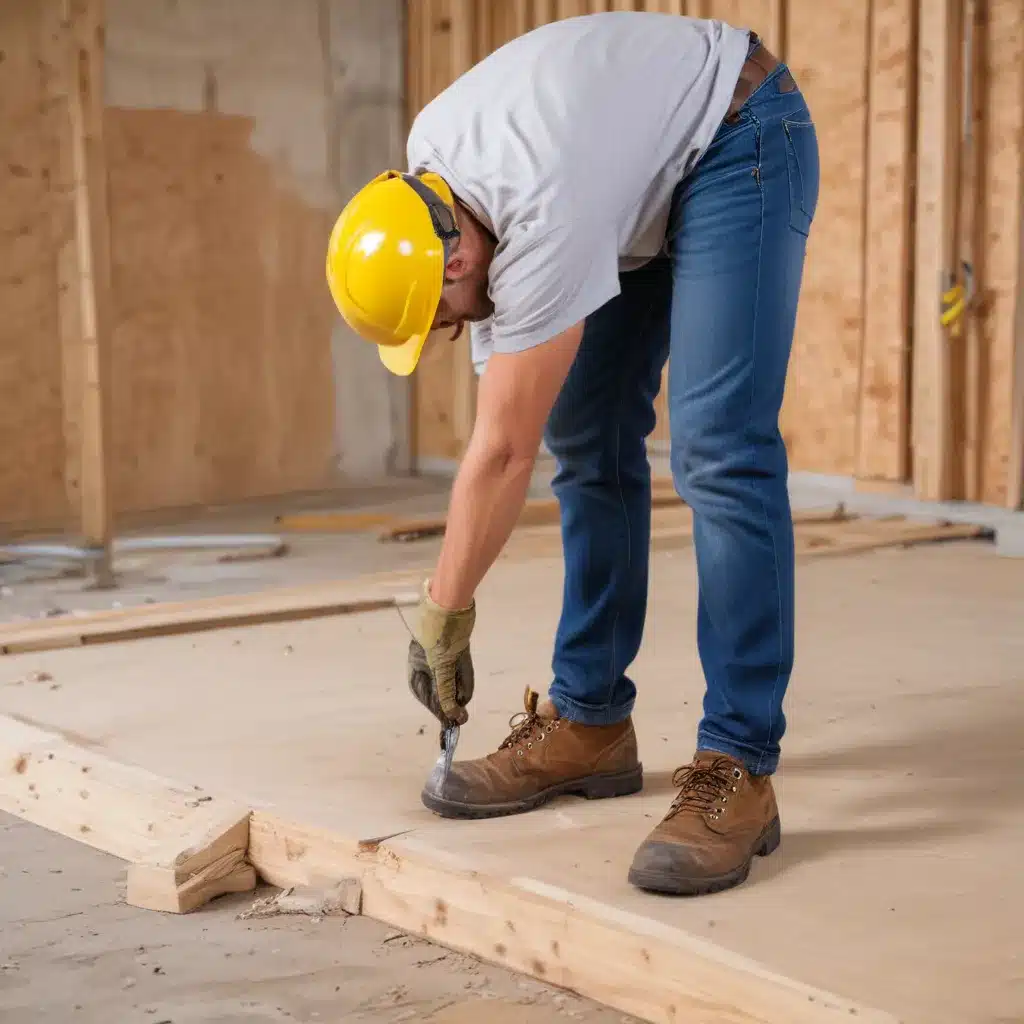
- Personal Protective Equipment (PPE): This includes items like safety goggles, gloves, and hard hats to protect your eyes, hands, and head.
- Power Tools: Depending on the project, you may need items like saws, drills, and sanders, all of which come with their own safety considerations.
- Ladders and Scaffolding: If you’ll be working at heights, you’ll need stable, sturdy platforms to stand on.
- First Aid Supplies: Keep a well-stocked first aid kit on hand in case of minor injuries.
It’s also important to familiarize yourself with the proper use and maintenance of all your tools and equipment. Take the time to read the instruction manuals, watch tutorial videos, and practice using the tools in a safe, controlled environment before putting them to work on your project.
And don’t forget about the smaller, seemingly insignificant items that can make a big difference in your safety, like non-slip shoes, ear protection, and dust masks. By covering all the bases, you’ll be better equipped to handle any unexpected challenges that arise.
Understand Local Building Codes and Permits
One of the most crucial – yet often overlooked – steps in any home renovation or building project is understanding the local building codes and permit requirements. Failing to comply with these regulations can not only put you and your family at risk, but it can also lead to costly fines and delays down the line.
According to the North Hennepin Community College Library, the first step in any research process is to clearly define your topic and understand the context. The same principle applies here – before you start demolishing walls or installing new electrical wiring, you need to familiarize yourself with the specific building codes and permitting requirements in your area.
This can vary widely depending on your location, so it’s essential to connect with your local building department or city hall to get the most up-to-date information. They’ll be able to provide you with a detailed checklist of the necessary permits, inspections, and regulations you’ll need to follow.
For example, in Aberdeen, the Building Standards department oversees all construction and renovation projects within the city limits. ABC Home, our trusted building and renovation company, works closely with the local authorities to ensure full compliance with all relevant codes and regulations.
Some common areas that are typically regulated include:
- Structural changes: Adding or removing walls, building additions, or altering the home’s foundation.
- Electrical and plumbing work: Upgrading or expanding electrical panels, installing new plumbing fixtures, or modifying the home’s HVAC system.
- Exterior modifications: Changing the roofing, siding, or windows of the home.
Failure to obtain the proper permits can result in hefty fines, the need to redo the work, or even a complete shutdown of the project. It’s simply not worth the risk. Take the time upfront to understand the regulations, get the necessary approvals, and schedule the required inspections. This will save you a lot of headaches down the line and ensure that your project is completed safely and up to code.
Assemble Your Team
No matter how handy you may be, tackling a major home renovation or building project on your own is never a good idea. Not only is it incredibly risky from a safety perspective, but it can also quickly become overwhelming and lead to costly mistakes.
That’s why the final essential first step is to assemble a reliable team of professionals to support you throughout the process. This may include:
- General Contractor: A licensed, experienced general contractor can oversee the entire project, coordinate the various subcontractors, and ensure everything is completed to code.
- Specialty Tradespeople: Depending on the scope of your project, you may need to bring in electricians, plumbers, HVAC technicians, roofers, and other specialized experts.
- Design Professionals: For more complex renovations or new builds, you may want to work with an architect or interior designer to help with the planning and design phase.
When assembling your team, it’s important to do your due diligence. Ask for references, check licenses and certifications, and make sure everyone is properly insured. Reputable companies like ABC Home have a proven track record of working with trusted, vetted professionals who prioritize safety and quality workmanship.
Beyond the technical expertise, you’ll also want team members who communicate effectively, stay organized, and are responsive to your needs and concerns. Home renovations can be stressful enough without having to worry about unreliable or uncooperative contractors.
By building a strong, collaborative team, you’ll not only ensure the safety and success of your project, but you’ll also be able to enjoy the process a lot more. With the right support system in place, you can focus on the exciting parts of the transformation, rather than getting bogged down in the logistical and safety-related headaches.
Conclusion
Embarking on a home renovation or building project can be an incredibly rewarding experience, but it’s essential to approach it with safety as the top priority. By following these essential first steps – assessing the risks, gathering the right tools and safety gear, understanding local building codes and permits, and assembling a reliable team of professionals – you’ll be setting yourself up for a smooth, stress-free, and successful project from start to finish.
At ABC Home, we’ve been helping homeowners in the Aberdeen area tackle their renovation and building projects for years, and we’ve seen firsthand the difference that proper planning and preparation can make. Whether you’re tackling a small-scale update or a major overhaul, we’re here to guide you through the process and ensure your safety and satisfaction every step of the way.
So what are you waiting for? Start laying the foundation for your next project today, and let’s get to work creating the home of your dreams – safely and successfully.