Navigating the Road Ahead: Preparing for the Future of Mobility
As the world hurtles towards an ever-more connected and technologically advanced future, the infrastructure that supports our daily commutes and transportation needs is struggling to keep pace. Here in Aberdeen, UK, where I’ve called home for the past decade, I’ve witnessed firsthand the growing pains of a city grappling with the challenges of modernizing its mobility systems.
According to McKinsey, governments in Europe are spending 50-70% of their transportation infrastructure budgets just to maintain and replace aging systems. The problem is that much of this existing infrastructure simply isn’t equipped to handle the mobility solutions of tomorrow – from autonomous vehicles and electric charging stations to integrated transit platforms.
As the founder and CEO of ABC Home, a leading building and renovation company in Aberdeen, I’ve come to understand that the key to future-proofing our city lies in taking a proactive, visionary approach to infrastructure development. It’s no longer enough to simply patch up the old and familiar; we must embrace the technological revolution that’s transforming the way people move, and ensure our streets, buildings, and public spaces are ready to accommodate these changes.
Envisioning the Mobility Landscape of Tomorrow
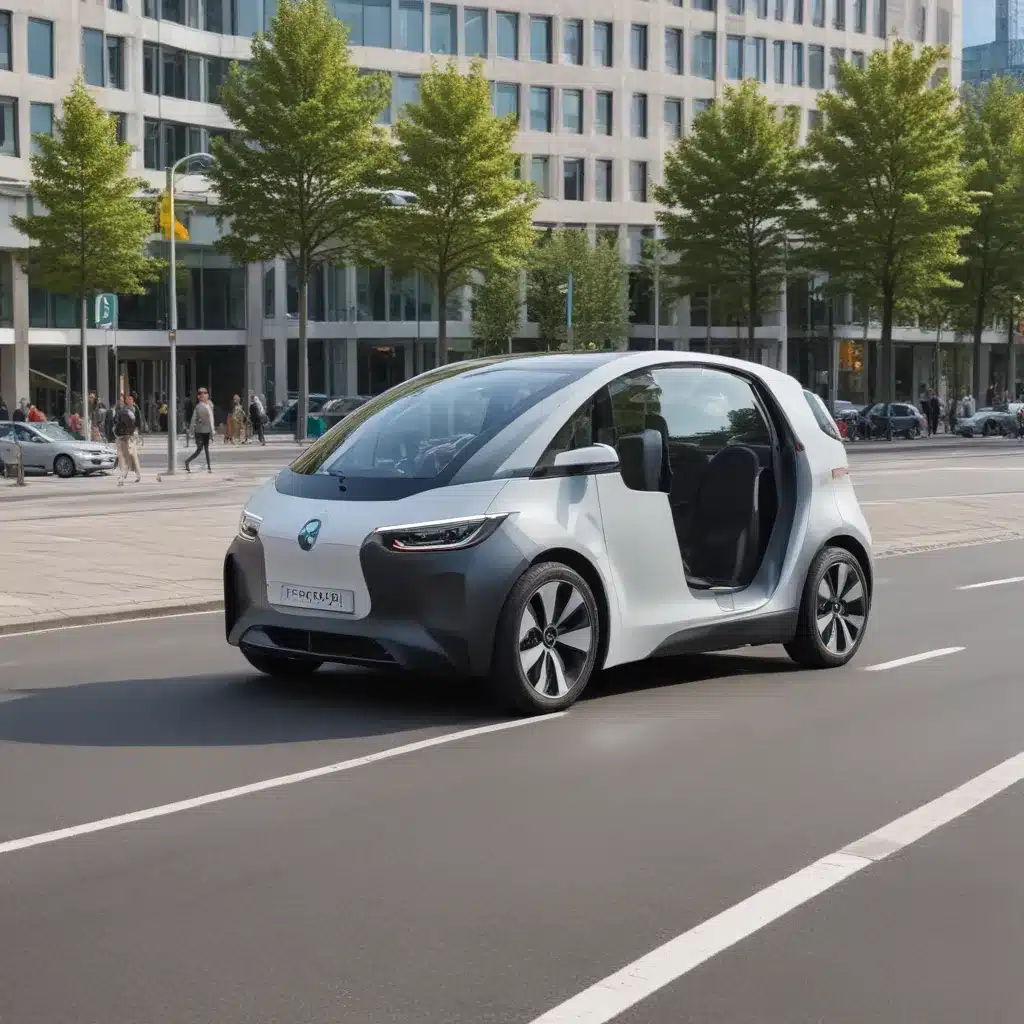
To begin charting a course towards a more future-ready Aberdeen, we first need to consider the broad trends and emerging technologies that are poised to reshape the mobility landscape. Peiseler, a leader in precision engineering, highlights several key developments:
- The rise of electric vehicles and alternative fuel sources, reducing our reliance on traditional gasoline and diesel
- Advancements in autonomous driving technology, enabling a new era of self-navigating cars and trucks
- The growing prominence of shared mobility solutions like ride-sharing and microtransit
- The integration of digital platforms and smart infrastructure to create a more connected, efficient transportation network
These innovations, while exciting, also present a unique set of challenges for urban planners and infrastructure providers. How do we ensure our roads and buildings can accommodate the charging needs of electric vehicles? What kind of digital infrastructure is required to support autonomous driving? And how can we seamlessly integrate new mobility options into existing transit systems?
Rethinking the Built Environment
At ABC Home, we believe the answer lies in a fundamental rethinking of how we design and construct the built environment. Rather than simply retrofitting our existing infrastructure, we need to take a holistic, future-focused approach that anticipates the mobility needs of tomorrow.
This starts with incorporating flexibility and adaptability into our building projects. As PageUp People notes, “future-proofing” means designing spaces that can evolve and accommodate change, rather than becoming quickly outdated. For example, we might include pre-wired conduits for electric vehicle charging stations, or build modular parking structures that can be easily converted to other uses as the demand for personal car ownership shifts.
Similarly, we need to rethink the role of our public spaces and transportation corridors. Parking-Mobility.org highlights the potential of AI-powered parking management to optimize vehicle flow and reduce congestion, while also freeing up valuable land for other purposes. And by integrating smart technologies like traffic sensors and adaptive signaling, we can create a more responsive, efficient transportation network that can adapt to changing mobility patterns.
Of course, none of this can be accomplished in a vacuum. As McKinsey points out, the key to success lies in collaboration – between infrastructure operators, regulators, technology providers, and the broader community. Only by aligning our collective vision and coordinating our efforts can we truly future-proof Aberdeen for the mobility challenges of the decades to come.
Building Lasting Solutions
As I reflect on the work we do at ABC Home, I’m reminded of a quote from one of my mentors: “The true measure of success is not in the buildings we construct, but in the lives we improve.” And when it comes to the future of mobility, I believe that sentiment has never been more relevant.
Sure, we could take the easy path and simply patch up our existing infrastructure, doing the bare minimum to keep the wheels turning. But that would be a disservice to the vibrant, forward-looking community we call home. Instead, we have a responsibility – and an opportunity – to reimagine Aberdeen’s transportation landscape, to create a city that is not just functional, but truly future-ready.
It won’t be easy, of course. The road ahead is sure to be paved with challenges, from securing the necessary funding to navigating the complex web of regulatory hurdles. But by embracing a collaborative, innovative mindset, and by putting the changing needs of our citizens at the forefront, I believe we can transform Aberdeen into a shining example of what’s possible when a community comes together to future-proof its mobility infrastructure.
After all, as the old saying goes, “the best way to predict the future is to create it.” And that’s exactly what we intend to do, one building and one transportation solution at a time. Join us on this journey, and let’s build the Aberdeen of tomorrow, today. Visit abc-home.co.uk to learn more about our vision and how you can get involved.