Unlocking the Potential of Spatial Design
Ah, the joys of home renovation – where the possibilities are endless, and the potential for creative expression knows no bounds! As the owner of ABC Home, a premier building and renovation company in the heart of Aberdeen, UK, I’ve had the privilege of witnessing firsthand the transformative power of innovative layouts. Today, I’m here to share my insights and inspire you to unleash your inner designer and get creative with your living spaces.
Embrace the Unexpected: Thinking Outside the Box
You know, when it comes to home design, the typical “box” mentality just doesn’t cut it anymore. The days of cookie-cutter floor plans are long gone, and the true visionaries are the ones who dare to challenge the status quo. I remember working on a project for a client who wanted to transform their cramped and uninviting living room into a stunning, open-concept space. They had this idea of knocking down a wall and incorporating a dramatic, angular fireplace as the centerpiece. At first, I’ll admit, I was a bit skeptical – it seemed like a bold and risky move. But, as the project unfolded, the unexpected layout began to take shape, and I was utterly captivated by the sheer elegance and uniqueness of the final result. The room felt so much more dynamic and inviting, with the angled fireplace adding a touch of architectural flair that truly set it apart.
You see, when you’re willing to think outside the box, the rewards can be truly remarkable. By embracing unconventional layouts and unexpected design choices, you can create spaces that are not only visually striking but also incredibly functional and tailored to your specific needs. So, don’t be afraid to challenge the norm and explore uncharted territory – that’s where the real magic happens!
Function Meets Form: Striking the Perfect Balance
Now, I know what you’re thinking: “Okay, but what about practicality? Shouldn’t my home be designed with functionality in mind?” Absolutely! In fact, I’d argue that the true mark of a successful renovation is the seamless integration of form and function. After all, what’s the point of having a stunning, Instagram-worthy space if it’s a nightmare to actually live in?
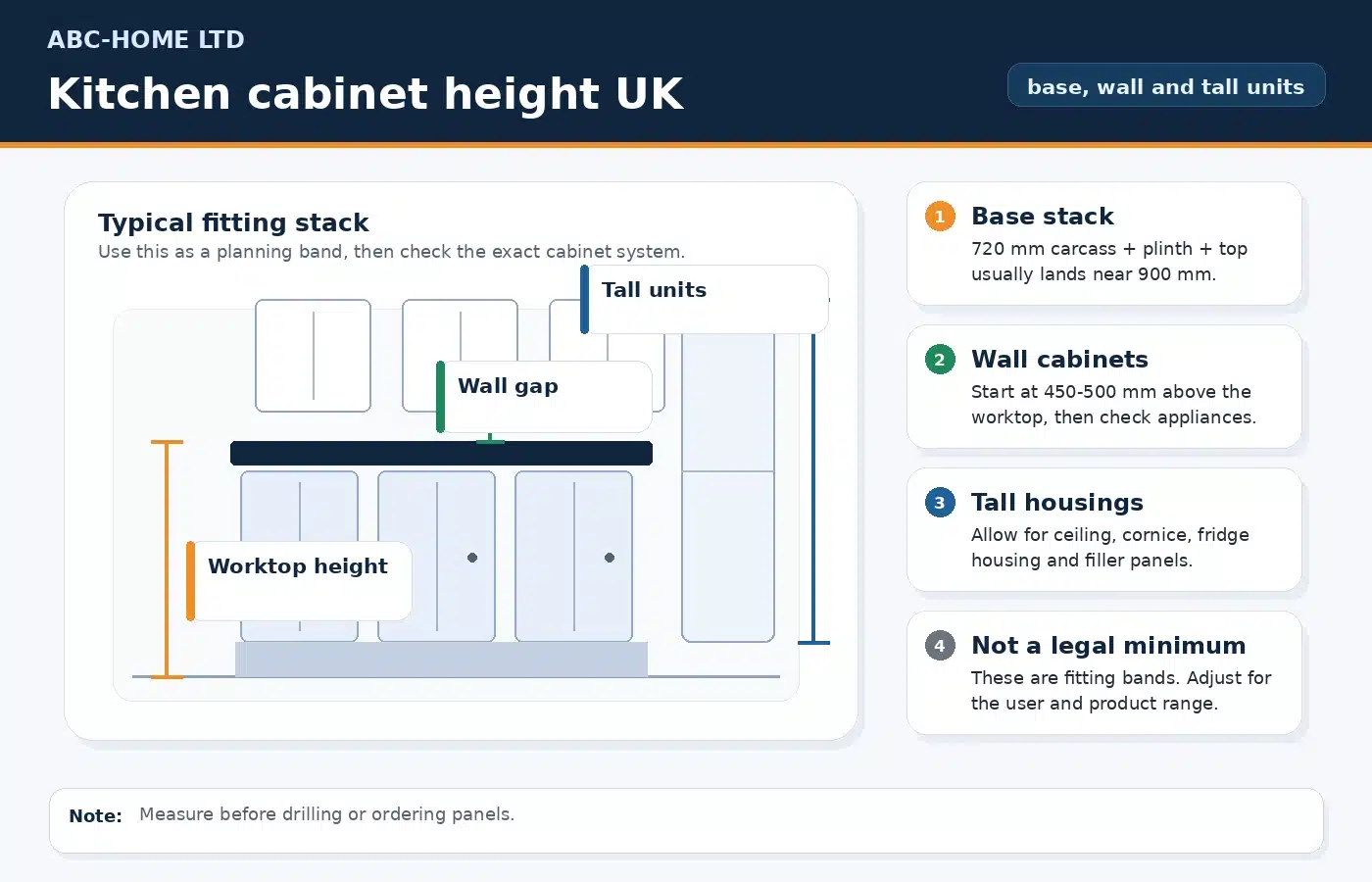
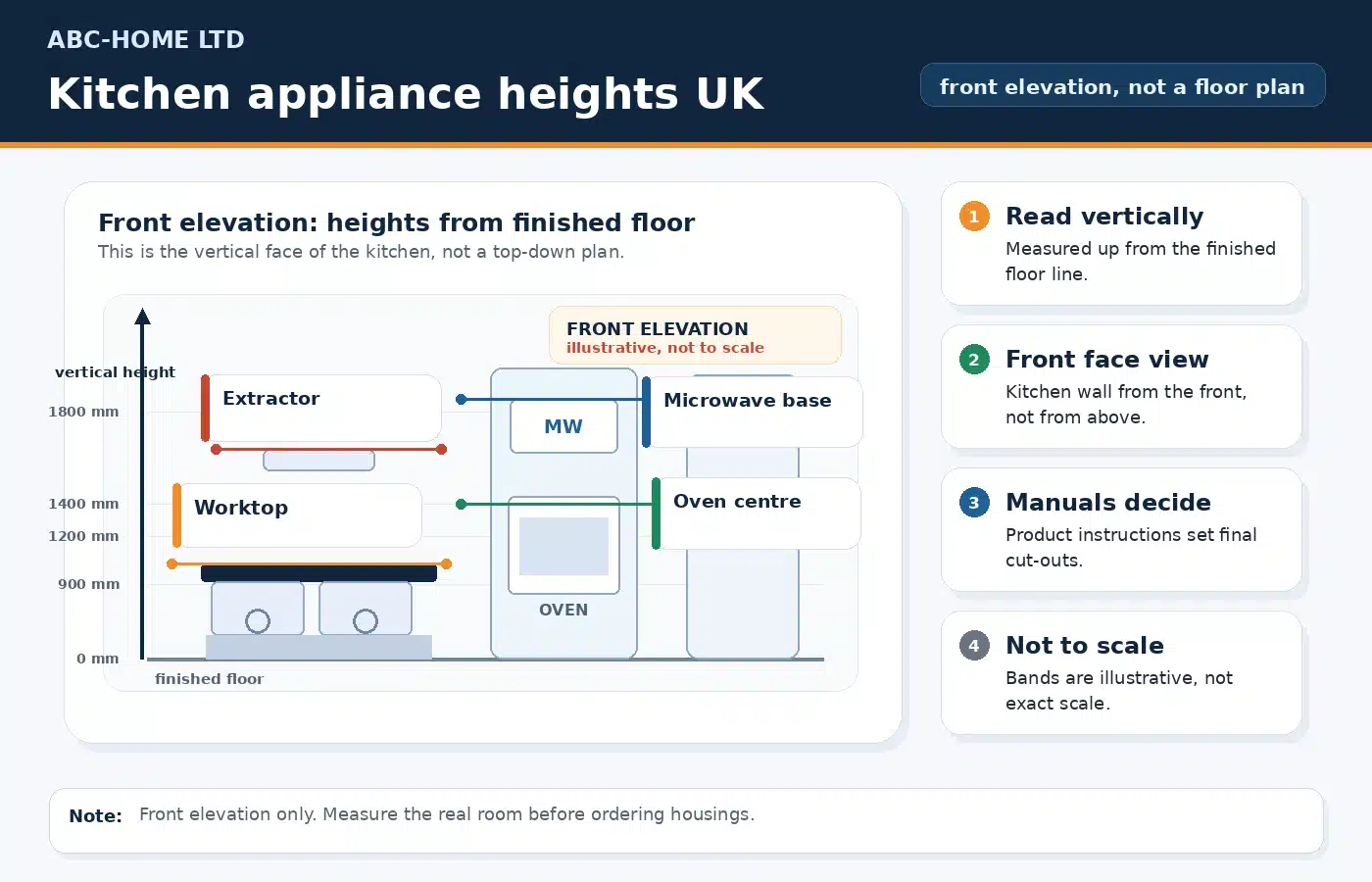
Take, for instance, the case of a client who came to us wanting to revamp their dated kitchen. They had their hearts set on a sleek, modern aesthetic, but they also needed the space to be highly efficient and user-friendly. Rather than simply imposing a trendy layout, we worked closely with them to understand their daily routines, cooking habits, and storage needs. The result? A kitchen that not only looked like it belonged in a design magazine but also catered to their every culinary whim. The carefully planned workflow, strategic placement of appliances, and ingenious storage solutions transformed what could have been a purely aesthetic exercise into a truly livable, practical space.
You see, the key is to strike the right balance between form and function. It’s about finding that sweet spot where your space not only looks incredible but also makes your daily life easier and more enjoyable. And trust me, when you get that balance just right, the sense of satisfaction is unparalleled.
Adaptability: Designing for the Ever-Changing Needs
As we continue our journey through the world of home renovation, it’s important to remember that our living spaces are not static entities. They’re dynamic, ever-evolving reflections of our lives, and our design choices need to account for that. After all, what might work perfectly for a young couple might not be quite as suitable for a growing family, and vice versa.
That’s why I always encourage my clients to think about adaptability when planning their renovations. Take, for instance, the case of a client who had a growing family and needed to reconfigure their home to accommodate their changing needs. Initially, they had a traditional layout with a separate living room and dining area, but as their family expanded, they found that they needed more flexible, open-concept spaces. By knocking down a few strategic walls and rethinking the floor plan, we were able to create a seamless, adaptable layout that could easily transition as their family’s needs evolved over time.
You see, the true mark of a successful renovation is not just how it looks in the moment, but how it can evolve and adapt to your changing lifestyle. By incorporating elements of adaptability into your design, you’re not only investing in the present but also ensuring that your home can grow and transform alongside you, meeting your needs for years to come.
Personalization: Infusing Your Unique Personality
Now, let’s talk about the cherry on top of the renovation sundae: personalization. After all, what’s the point of having a beautiful, functional space if it doesn’t truly reflect who you are? As the owner of ABC Home, I’ve seen time and time again how a touch of personal flair can transform a house into a true home.
Take, for instance, the case of a client who came to us wanting to create a cozy, welcoming living room that captured their love of all things rustic and farmhouse-inspired. Rather than just slapping on a generic farmhouse aesthetic, we worked closely with them to understand their specific tastes and preferences. We incorporated custom built-in shelving to showcase their eclectic collection of antique knickknacks, chose a warm, earthy color palette that complemented their vintage-inspired furnishings, and even added a charming window seat that perfectly captured their desire for a cozy, intimate space.
The result? A living room that felt like a true extension of their personality – a space that was as unique and inviting as the homeowners themselves. And let me tell you, the sense of pride and joy they felt when they walked into that room for the first time was truly priceless.
You see, when you infuse your personal style and preferences into your home’s design, you create a space that’s not just aesthetically pleasing, but emotionally resonant as well. It’s a sanctuary that reflects your values, your interests, and your unique way of life. And in my experience, that’s the kind of home that truly nourishes the soul.
Unleashing Your Creative Potential: Tips and Tricks
Alright, now that we’ve explored the power of innovative layouts, the importance of balancing form and function, the benefits of adaptability, and the joy of personalization, it’s time to dive into some practical tips and tricks to help you unleash your creative potential.
Embrace Versatility: Multifunctional Spaces
One of the key ways to get creative with your layouts is to embrace the concept of versatility and multifunctional spaces. I mean, think about it – in today’s world, where square footage is at a premium, we need to make the most of every inch of our homes. And that’s where the magic of multifunctional design comes into play.
Take, for instance, the case of a client who had a small, underutilized den that they wanted to transform into a more dynamic space. Rather than just creating a standard home office or study, we worked together to design a room that could serve multiple purposes. We incorporated a custom built-in desk that could easily transition from a workspace to a vanity, added a comfortable sofa that could double as a guest bed, and even included discreet storage solutions to keep the space clutter-free.
The result? A room that could seamlessly adapt to their ever-changing needs – a cozy home office when they needed to hunker down and get some work done, a relaxing lounge area for unwinding, and even a convenient guest suite for when friends and family came to visit. And the best part? It all flowed together effortlessly, thanks to the thoughtful, versatile design.
You see, when you embrace the power of multifunctional spaces, you’re not just maximizing your square footage – you’re also unleashing your creative potential. By thinking outside the box and designing areas that can serve multiple purposes, you can create a home that’s not only visually stunning but also incredibly practical and adaptable to your lifestyle.
Layering and Zoning: Defining Spaces Within Spaces
Now, let’s talk about another key technique for getting creative with your layouts: layering and zoning. I know, it might sound a bit technical, but trust me, it’s a game-changer when it comes to creating dynamic, visually interesting spaces.
Imagine a client who came to us wanting to transform their open-concept living room and dining area into a more defined, multifaceted space. By strategically incorporating elements like area rugs, pendant lighting, and even subtle changes in flooring, we were able to create distinct “zones” within the larger room – a cozy conversation area, a formal dining space, and a more casual lounge area.
The beauty of this approach is that it allows you to carve out different functional and aesthetic pockets within a single, open space. It’s like having multiple rooms within a room, each with its own unique character and purpose. And the best part? You can get as creative as you want with the layering – incorporating different textures, materials, and architectural elements to really make each zone pop.
Take, for instance, the case of a client who wanted to create a more defined home office area within their open-concept living space. By using a combination of custom built-in shelving, a bold accent wall, and a strategically placed area rug, we were able to subtly delineate the workspace without compromising the overall flow and openness of the room. The result? A beautifully integrated and harmonious space that felt both cohesive and diverse.
So, if you’re looking to add a touch of visual interest and functionality to your layouts, don’t be afraid to experiment with layering and zoning. It’s a surefire way to transform a generic, one-note space into a dynamic, multifaceted haven that caters to all your needs.
Blending Indoor and Outdoor: Seamless Transitions
Now, let’s talk about something that’s near and dear to my heart: the art of blending indoor and outdoor spaces. As someone who’s passionate about creating holistic, harmonious living environments, I’ve always been fascinated by the way we can use design to seamlessly connect our homes to the great outdoors.
Take, for instance, the case of a client who had a gorgeous, sun-drenched backyard that they wanted to integrate more seamlessly into their living space. By incorporating large sliding glass doors, strategically placed windows, and a cohesive material palette that flowed effortlessly from the inside to the outside, we were able to create a true indoor-outdoor oasis. The result? A space that felt open, airy, and infinitely more connected to the natural world around it.
But it’s not just about creating visual continuity, you know. It’s also about maximizing the functionality and livability of your home. I remember working with a client who wanted to turn their cramped, underutilized patio into an extension of their kitchen and dining area. By adding a retractable awning, built-in outdoor kitchen appliances, and cozy seating arrangements, we transformed the space into a true al fresco entertaining hub – a place where they could seamlessly transition from indoor meal prep to outdoor dining and socializing.
You see, when you blur the lines between the indoors and outdoors, you’re not just creating something visually stunning – you’re also enhancing the overall quality of your living experience. It’s about embracing the beauty of the natural world and weaving it into the fabric of your home, creating a harmonious and infinitely more livable environment.
Embracing the Power of Collaboration
Now, as much as I’d love to take all the credit for the incredible transformations we’ve achieved at ABC Home, the truth is that the real magic happens when we work together with our clients. After all, a renovation project is a collaborative dance, where the designer and the homeowner need to come together to bring a shared vision to life.
Listening and Empathizing: The Key to Unlocking Your Client’s Needs
You know, one of the things that sets us apart at ABC Home is our unwavering commitment to listening and empathizing with our clients. We don’t just swoop in with a pre-conceived design and try to force it upon them. Instead, we take the time to truly understand their needs, their pain points, and their aspirations for their living space.
Take, for instance, the case of a client who came to us wanting to transform their cramped and dated kitchen. Now, they had a very specific vision in mind – something modern, sleek, and minimalist. But as we dug deeper, we realized that their true pain point was the lack of storage and counter space. So, rather than just imposing a trendy layout, we worked closely with them to design a kitchen that not only looked stunning but also catered to their everyday needs.
By listening, asking the right questions, and really trying to empathize with their experience, we were able to uncover the root of the problem and develop a solution that truly resonated with them. And you know what? The end result was a kitchen that they absolutely adored – one that not only looked like it belonged in a design magazine but also made their lives infinitely easier and more enjoyable.
You see, when you approach a renovation project with a genuine desire to understand your client’s needs and preferences, the possibilities for creative, transformative design are truly endless. It’s not about imposing your own vision – it’s about collaborating to bring their dream space to life.
Embracing the Iterative Process: The Beauty of Collaboration
Now, I know what you’re thinking – “Okay, but what if my client and I have different ideas about how the space should look and function?” Well, let me tell you, that’s where the real magic happens. Because you see, the key to a successful renovation isn’t about one person’s vision triumphing over the other – it’s about the collaborative dance of ideas, the iterative process of refinement and exploration.
Take, for instance, the case of a client who had their heart set on a bold, contemporary kitchen design, complete with sleek, minimalist cabinets and a dramatic waterfall countertop. Now, I’ll admit, when they first presented their vision, I was a bit skeptical. It just didn’t seem to fit the overall aesthetic of their traditional, Tudor-style home. But rather than dismissing their ideas outright, we sat down and really dived into the “why” behind their preferences.
As we talked, we realized that what they truly wanted was a space that felt modern, open, and inviting – a sharp contrast to their somewhat dated and compartmentalized existing kitchen. So, instead of forcing them to compromise their vision, we worked together to find a solution that blended the contemporary elements they craved with the warm, timeless charm of their home’s architectural style. The result? A kitchen that was both strikingly modern and beautifully cohesive with the rest of their living space.
You see, the true beauty of collaboration lies in the iterative process – the back-and-forth of ideas, the willingness to explore new possibilities, and the openness to compromise. It’s not about one person’s vision winning out, but rather the synergistic creation of something that’s greater than the sum of its parts. And trust me, when you embrace that collaborative spirit, the results can be truly extraordinary.
Celebrating the Unique: Honoring Your Client’s Individuality
Now, as much as I love the process of collaboration, I also believe that it’s crucial to always honor and celebrate the unique individuality of our clients. After all, a renovation project isn’t just about creating a beautiful space – it’s about crafting a sanctuary that truly reflects the personality and lifestyle of the people who will be living in it.
Take, for instance, the case of a client who came to us with a very specific vision for their dream home. They were avid art collectors, and they wanted their living spaces to serve as a stunning backdrop for their eclectic, one-of-a-kind pieces. Rather than just imposing a generic design, we worked closely with them to understand their artistic sensibilities, their personal style, and the unique way they wanted to showcase their prized possessions.
The result? A home that was an absolute feast for the senses – a space that seamlessly blended modern, gallery-inspired elements with warm, inviting touches that captured the essence of the homeowners. From the custom-built art display niches to the carefully curated color palette that complemented their collection, every inch of the space felt like a true extension of their individuality.
You see, at the end of the day, a successful renovation isn’t just about creating a beautiful space – it’s about crafting a sanctuary that truly honors the unique personality and lifestyle of the people who will be living in it. And that’s why we at ABC Home are so passionate about collaborating with our clients to bring their visions to life, rather than simply imposing our own.
Conclusion: Unlocking the Transformative Power of Creative Layouts
Well, there you have it, folks – a deep dive into the world of creative layouts and the transformative power of innovative design. From embracing the unexpected and striking the perfect balance between form and function to incorporating elements of adaptability and infusing your personal style, we’ve covered a lot of ground.
But you know, the most important takeaway here is that when it comes to home renovation, the possibilities are truly endless. By challenging the status quo, collaborating with your designer, and tapping into your own unique creative potential, you can transform your living spaces into sanctuaries that not only look incredible but also enhance your overall quality of life.
So, what are you waiting for? It’s time to get out there and start unleashing your inner designer! Whether you’re looking to create a cozy, multifunctional den, a seamless indoor-outdoor oasis, or a kitchen that’s a true work of art, the team at ABC Home is here to help you every step of the way.
So, let’s get creative, my friends. The key to your dream home is just waiting to be unlocked.