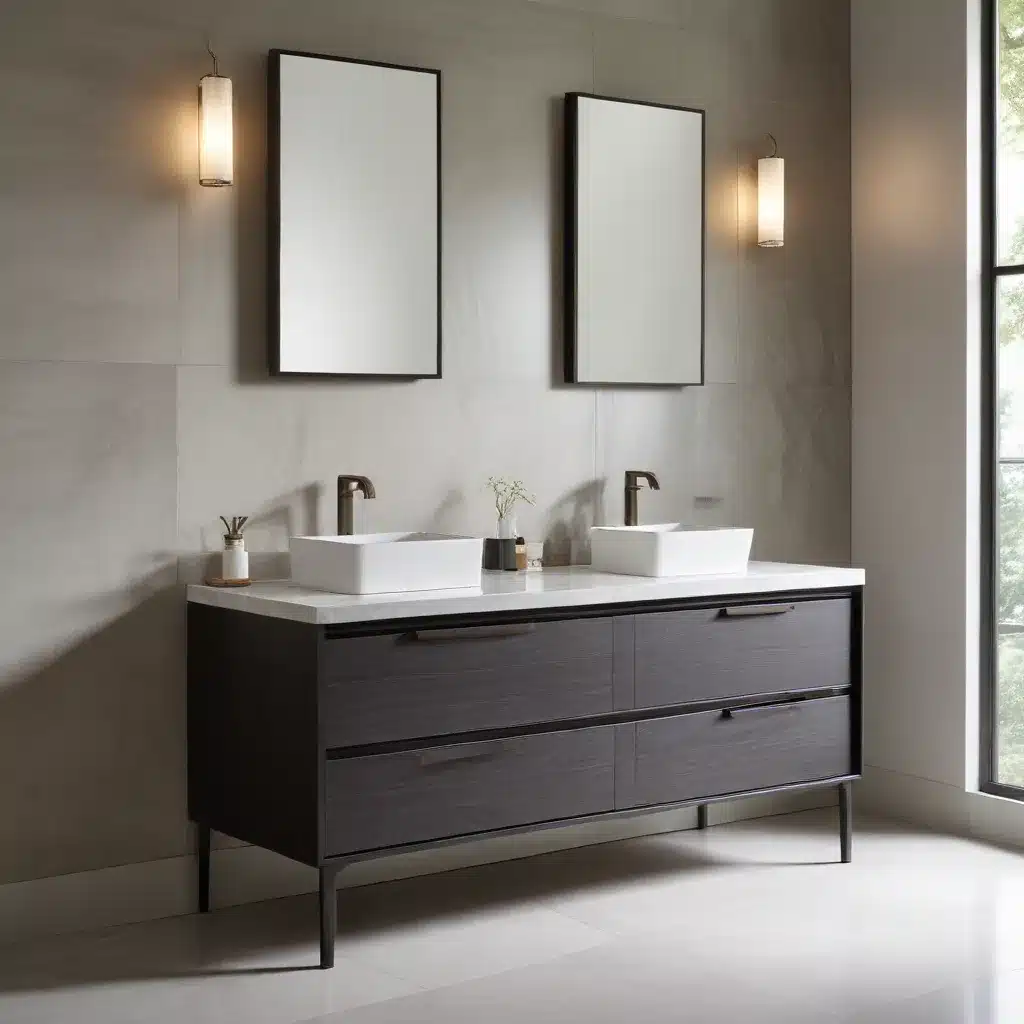
The Rise of Contemporary Bathroom Design in the UK
The bathroom has evolved from a purely functional space to a sanctuary of relaxation and style in modern British homes. As we approach September 2024, the trend towards sleek, contemporary bathroom design continues to gain momentum across the United Kingdom. Homeowners and designers alike are embracing minimalist aesthetics, clean lines, and innovative materials to create high-end looks that maximise both form and function.
At the heart of this design revolution are modern vanities, which serve as the centrepiece of many bathroom renovations. These fixtures not only provide essential storage and support for sinks but also set the tone for the entire space. The shift towards streamlined, high-end vanities reflects a broader desire for sophistication and efficiency in home design.
In recent years, UK building regulations have also adapted to encourage more sustainable and accessible bathroom designs. This has led to a surge in innovative vanity solutions that not only look impressive but also meet stringent standards for water efficiency and adaptability. As a result, the market for modern vanities has expanded, offering a wide range of options for discerning homeowners and builders.
Key Features of Modern Vanities
Minimalist Design Principles
Modern vanities embody the “less is more” philosophy, focusing on simplicity and clean aesthetics. This approach aligns with contemporary architectural trends and appeals to those seeking a clutter-free bathroom environment. Key aspects of minimalist vanity design include:
- Flat, handle-free drawer fronts and doors
- Neutral colour palettes, often featuring whites, greys, and earth tones
- Simple geometric shapes without ornate detailing
- Integration of hidden storage solutions to maintain a sleek appearance
These design elements contribute to a sense of spaciousness and calm, transforming the bathroom into a tranquil retreat. The understated elegance of minimalist vanities also allows for greater flexibility in overall bathroom design, as they can complement a wide range of styles and colour schemes.
High-Quality Materials
The selection of materials plays a crucial role in achieving a high-end look for modern vanities. Contemporary designs often incorporate:
- Engineered stone surfaces, such as quartz or composite materials
- High-grade timber veneers with smooth finishes
- Toughened glass elements for shelving or countertops
- Premium metals like brushed nickel or matte black for fixtures and accents
These materials are chosen not only for their aesthetic appeal but also for their durability and ease of maintenance. In the UK market, there is a growing emphasis on locally sourced and sustainable materials, reflecting increased environmental awareness among consumers and compliance with green building standards.
Innovative Storage Solutions
Modern vanities prioritise functionality without compromising on style. Innovative storage solutions are a hallmark of contemporary designs, offering practical benefits such as:
- Pull-out organisers for toiletries and small items
- Adjustable shelving to accommodate various product sizes
- Built-in electrical outlets for grooming appliances
- Soft-close drawers and doors for quiet operation
These features enhance the user experience and help maintain the clean, uncluttered look that defines modern bathroom aesthetics. By maximising storage efficiency, these vanities cater to the needs of busy UK households while preserving a sense of luxury and order.
Choosing the Right Vanity for Your Space
Assessing Your Bathroom Layout
Before selecting a modern vanity, it’s essential to carefully evaluate your bathroom’s layout and dimensions. Consider the following factors:
- Available floor space and any potential obstructions
- Location of plumbing connections and electrical outlets
- Traffic flow and accessibility requirements
- Natural and artificial lighting sources
Taking accurate measurements and creating a detailed floor plan can help you visualise how different vanity styles might fit into your space. It’s also important to consider the Building Regulations Approved Document M, which outlines accessibility standards for bathrooms in the UK.
Selecting the Appropriate Size
Choosing the right size vanity is crucial for both aesthetics and functionality. Here’s a general guide to vanity sizes and their suitability for different bathroom dimensions:
| Vanity Width | Suitable Bathroom Size | Recommended Usage |
|---|---|---|
| 600-800 mm | Small to medium | Single occupancy |
| 900-1200 mm | Medium to large | Shared bathrooms |
| 1500+ mm | Large | Master ensuites |
Remember that these are general guidelines, and the ideal size will depend on your specific layout and needs. It’s often beneficial to consult with a professional designer or builder to ensure your chosen vanity complies with UK building regulations and fits seamlessly into your space.
Considering Storage Needs
Assess your storage requirements carefully when selecting a modern vanity. Think about:
- The number of people using the bathroom regularly
- Types of items that need to be stored (e.g., toiletries, towels, cleaning supplies)
- Preference for open shelving versus concealed storage
Many contemporary vanities offer a combination of drawers and cabinets, providing versatile storage options. Some designs also incorporate open shelving for displaying decorative items or frequently used products. Balance your storage needs with the desire for a sleek, uncluttered appearance to achieve the optimal modern look.
Installation Considerations for Modern Vanities
Plumbing and Electrical Requirements
Installing a modern vanity often involves careful planning to ensure compliance with UK building regulations and to achieve a seamless integration with existing systems. Key considerations include:
- Positioning of water supply and waste pipes
- Electrical requirements for integrated lighting or outlets
- Ventilation needs to prevent moisture buildup
It’s crucial to engage a qualified plumber and electrician to assess your bathroom’s infrastructure and make any necessary modifications. This not only ensures compliance with regulations but also helps prevent future issues that could compromise the functionality and appearance of your vanity.
Wall Mounting vs. Floor Standing Options
Modern vanities typically come in two mounting styles: wall-mounted and floor-standing. Each option has its advantages:
Wall-mounted vanities:
– Create an illusion of more floor space
– Easier to clean underneath
– Offer a sleek, floating appearance
Floor-standing vanities:
– Provide more stability and weight-bearing capacity
– Often offer more storage space
– Easier to install in bathrooms with existing plumbing configurations
The choice between these options will depend on your bathroom’s structural characteristics, personal preferences, and practical considerations. Wall-mounted vanities may require additional structural support, which should be factored into the installation process and overall cost.
Ensuring Proper Support and Leveling
Regardless of the mounting style chosen, ensuring proper support and leveling is crucial for the longevity and functionality of your modern vanity. This involves:
- Assessing the wall or floor structure to determine if reinforcement is needed
- Using appropriate fixings and brackets rated for the vanity’s weight
- Carefully leveling the vanity during installation to prevent water pooling and ensure proper drawer operation
For wall-mounted vanities, it’s particularly important to locate and utilise wall studs or install additional support beams to bear the weight safely. Floor-standing units should be securely anchored to prevent tipping and ensure stability.
Enhancing Your Vanity with Complementary Elements
Choosing the Right Mirror
The mirror you select to accompany your modern vanity can significantly impact the overall look and functionality of your bathroom. Consider these options:
- Frameless mirrors for a sleek, minimalist appearance
- LED-backlit mirrors for enhanced lighting and ambiance
- Smart mirrors with built-in features like demisting and Bluetooth connectivity
When selecting a mirror, ensure its size and shape complement the vanity’s proportions. A general rule of thumb is to choose a mirror that’s slightly narrower than the vanity width for a balanced look.
Lighting Solutions for Modern Vanities
Proper lighting is essential for both functionality and aesthetics in a modern bathroom. Consider incorporating:
- Integrated LED lighting within the vanity or mirror
- Wall-mounted sconces on either side of the mirror for even illumination
- Recessed ceiling lights to provide overall ambient lighting
When planning your lighting scheme, aim for a colour temperature between 2700K and 3000K for a warm, flattering light that’s suitable for grooming tasks. Ensure all lighting fixtures are rated for bathroom use and comply with UK electrical safety standards.
Faucet and Hardware Selection
The choice of faucets and hardware can significantly impact the overall look of your modern vanity. Popular options include:
- Wall-mounted faucets for a clean, minimalist appearance
- Single-lever mixer taps for ease of use and sleek design
- Matte black or brushed nickel finishes for a contemporary look
When selecting hardware, ensure consistency in finish and style across all elements, including drawer pulls, towel bars, and other accessories. This attention to detail will contribute to a cohesive and high-end appearance.
Maintenance and Care for Modern Vanities
Daily Cleaning Routines
To maintain the sleek appearance of your modern vanity, establish a regular cleaning routine:
- Wipe down surfaces daily with a soft, damp cloth
- Use mild, non-abrasive cleaners suitable for your vanity’s material
- Dry surfaces thoroughly to prevent water spots and mineral buildup
Avoid using harsh chemicals or abrasive materials that could damage the vanity’s finish. For stubborn stains, consult the manufacturer’s care instructions or seek professional advice.
Long-term Preservation Strategies
To ensure your modern vanity retains its high-end look for years to come:
- Apply appropriate sealants or protective treatments as recommended by the manufacturer
- Address any chips, scratches, or damage promptly to prevent further deterioration
- Regularly check and tighten hardware to maintain proper alignment and function
Consider scheduling annual professional maintenance to address any issues and keep your vanity in optimal condition. This proactive approach can extend the life of your investment and maintain its aesthetic appeal.
Addressing Common Issues
Even with proper care, you may encounter some common issues with modern vanities:
- Water damage: Ensure proper sealing around sinks and countertops to prevent water infiltration
- Drawer misalignment: Adjust drawer slides or hinges as needed to maintain smooth operation
- Surface etching: Use coasters and trays to protect surfaces from cosmetic products and toiletries
By addressing these issues promptly and following manufacturer guidelines, you can preserve the functionality and appearance of your modern vanity for years to come.
Cost Considerations for High-End Vanities
Budgeting for Quality Materials
Investing in a high-end, modern vanity often involves higher upfront costs due to the quality of materials used. As of September 2024, you can expect to budget:
- £500 – £1,500 for a basic modern vanity with standard materials
- £1,500 – £3,500 for mid-range options with premium finishes
- £3,500+ for luxury, custom-made vanities with high-end materials
These price ranges are indicative and can vary based on factors such as size, materials, and additional features. When budgeting, consider the long-term value and durability of higher-quality materials, which may offer better longevity and resistance to wear.
Installation Costs
Professional installation is crucial for ensuring your modern vanity functions correctly and complies with UK building regulations. Installation costs can vary widely depending on the complexity of the project and your location within the UK. On average, you might expect to pay:
- £200 – £500 for basic installation of a floor-standing vanity
- £500 – £1,000 for wall-mounted vanity installation, including any necessary structural reinforcements
- £1,000+ for complex installations involving significant plumbing or electrical work
It’s advisable to obtain quotes from several reputable contractors and ensure they are familiar with current UK building standards and regulations.
Long-term Value and Return on Investment
While modern, high-end vanities represent a significant investment, they can add considerable value to your home. Factors contributing to their long-term value include:
- Improved bathroom functionality and storage
- Enhanced aesthetic appeal, which can be a selling point for potential buyers
- Durability and longevity, reducing the need for frequent replacements
When considering the cost, weigh the immediate expense against the potential increase in property value and the long-term benefits of having a well-designed, functional bathroom space.
Trends in Modern Vanity Design for 2024
Sustainable Materials and Manufacturing
As environmental awareness continues to grow, the trend towards sustainable bathroom design is becoming increasingly prominent in the UK. Modern vanities are incorporating:
- Recycled and upcycled materials in construction
- Water-resistant bamboo and other rapidly renewable resources
- Low-VOC finishes and adhesives for improved indoor air quality
Manufacturers are also focusing on energy-efficient production methods and local sourcing to reduce carbon footprints. When selecting a modern vanity, look for certifications such as FSC (Forest Stewardship Council) for wood products or BREEAM compliance for overall sustainability.
Smart Technology Integration
The integration of smart technology into bathroom vanities is gaining traction in the UK market. Features to look out for include:
- Motion-activated drawers and lighting
- Built-in charging stations for devices
- Smart mirrors with internet connectivity and touchscreen interfaces
While these high-tech additions can enhance functionality and user experience, it’s important to consider their long-term reliability and the potential need for specialised maintenance.
Customisation and Modular Designs
The trend towards personalisation is reflected in the growing availability of customisable and modular vanity options. This approach allows homeowners to:
- Mix and match components to create a unique look
- Easily update or modify the vanity as needs change over time
- Optimise storage configurations for individual preferences
When exploring customisable options, ensure that any modifications comply with UK building regulations, particularly regarding water resistance and electrical safety in bathroom environments.
Regulatory Compliance and Building Standards
Water Efficiency Requirements
In line with the UK’s commitment to water conservation, modern vanities must comply with water efficiency standards. Key considerations include:
- Installation of water-saving taps and aerators
- Integration with greywater systems where applicable
- Compliance with the Water Supply (Water Fittings) Regulations 1999
When selecting a vanity, look for products that carry the Water Label, which indicates compliance with UK water efficiency standards. This not only ensures regulatory compliance but can also lead to reduced water bills over time.
Accessibility Standards
The Equality Act 2010 and Building Regulations Approved Document M set out accessibility requirements for bathrooms in the UK. When installing a modern vanity, consider:
- Adequate clear floor space for wheelchair access
- Appropriate height and reach ranges for controls and storage
- Provision of support rails or adaptable features for future needs
Designing with accessibility in mind not only ensures compliance but also creates a more inclusive and adaptable bathroom space that can accommodate changing needs over time.
Electrical Safety in Bathrooms
The installation of modern vanities with integrated lighting or electrical components must adhere to strict safety standards. Key regulations to be aware of include:
- Compliance with BS 7671 (IET Wiring Regulations)
- Proper zoning of electrical fittings based on proximity to water sources
- Use of RCD (Residual Current Device) protection for all circuits
Ensure that any electrical work associated with your vanity installation is carried out by a qualified electrician who is familiar with the specific requirements for bathroom environments.
Conclusion: Achieving a High-End Look with Modern Vanities
Incorporating a sleek, modern vanity into your bathroom design can dramatically enhance both the aesthetics and functionality of the space. By carefully considering factors such as materials, size, storage needs, and regulatory compliance, you can create a high-end look that stands the test of time.
Remember to balance your design aspirations with practical considerations such as maintenance requirements and long-term value. With thoughtful planning and attention to detail, your modern vanity can serve as the cornerstone of a truly luxurious and efficient bathroom space.
For more information on creating beautiful and compliant bathroom spaces, visit ABC Home, where you’ll find a wealth of resources and inspiration for your next home improvement project.