Navigating UK Regulations for Underfloor Heating Installations
When it comes to building and renovating homes in the UK, underfloor heating has become an increasingly popular choice for homeowners seeking efficient and versatile heating solutions. However, navigating the regulatory landscape and cost considerations can be a complex undertaking. In this comprehensive guide, we will delve into the intricacies of underfloor heating installations, ensuring compliance with UK building regulations and exploring strategies to manage costs effectively.
Regulatory Compliance: Prioritizing Safety and Efficiency
In the UK, underfloor heating systems are subject to a range of regulations and standards that aim to safeguard the well-being of homeowners and ensure the long-term performance of these heating solutions. The primary legislation governing underfloor heating installations is the Building Regulations 2010, which outlines specific requirements for electrical safety, insulation, and energy efficiency.
Electrical Safety: One of the key regulatory considerations is the electrical safety of underfloor heating systems. The regulations stipulate that all electrical work must be carried out by a qualified professional, such as a registered electrician, to ensure the system’s proper installation and compliance with the relevant British Standards (BS 7671 and BS EN 60335-2-96). This includes the proper wiring of the heating elements, temperature controls, and any additional components.
Insulation Requirements: Adequate insulation is essential for the efficient operation of underfloor heating systems. The Building Regulations mandate minimum levels of insulation beneath the heating elements, typically a minimum of 70 mm of high-performance insulation, to prevent heat loss and maximize the system’s energy efficiency. Homeowners must ensure that any existing insulation in the floor is upgraded to meet these standards before installing the new underfloor heating system.
Energy Efficiency: The UK’s commitment to reducing carbon emissions and promoting sustainable building practices is reflected in the energy efficiency requirements for underfloor heating systems. The regulations require that the system’s design and installation prioritize energy efficiency, often through the use of programmable thermostats, zoning controls, and the selection of high-performance heating components.
Complying with these regulations is not only a legal requirement but also a crucial step in ensuring the safety, efficiency, and long-term performance of your underfloor heating system. Seeking the guidance of qualified professionals, such as registered installers or building control authorities, can help homeowners navigate the complexities of the regulatory framework and ensure their underfloor heating system meets the necessary standards.
Cost Considerations: Balancing Initial Investment and Long-Term Savings
The installation of an underfloor heating system represents a significant upfront investment for homeowners, but the potential for long-term energy savings and enhanced comfort can make it a worthwhile consideration. Understanding the various cost factors and exploring strategies to manage them can help homeowners make informed decisions and maximize the return on their investment.
Initial Installation Costs
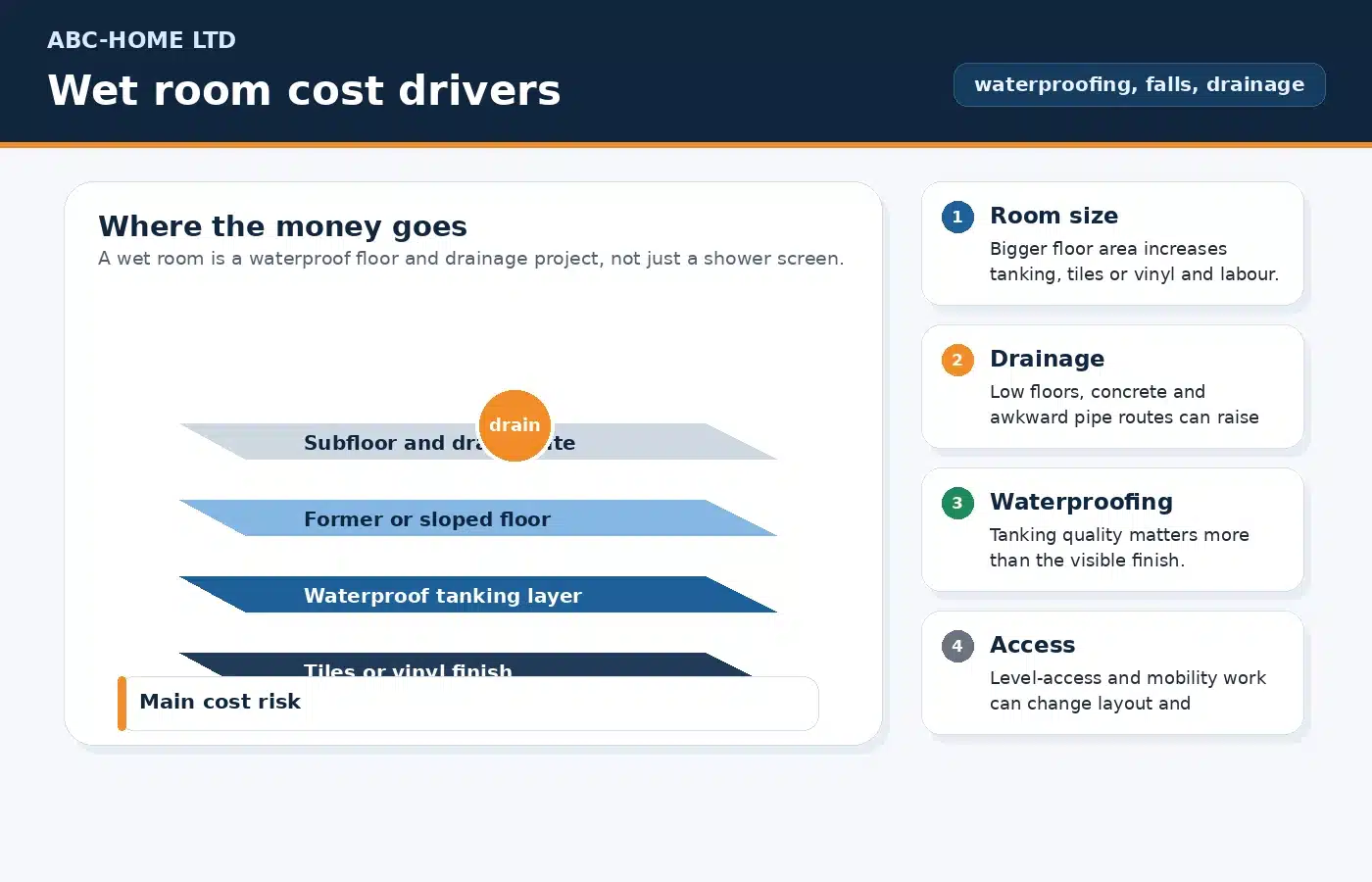
The initial cost of an underfloor heating system can vary depending on several factors, including the size of the property, the type of heating system (water-based or electric), the complexity of the installation, and the choice of materials and components.
Water-Based Systems: Water-based underfloor heating systems, which use a boiler or heat pump to circulate hot water through a network of pipes, typically have a higher upfront cost compared to electric systems. The installation often requires the integration of the heating system with the home’s plumbing and may necessitate the replacement or upgrade of the existing boiler or the installation of a new heat pump. Homeowners can expect to pay between £50 to £150 per square metre for a water-based underfloor heating system, depending on the complexity of the installation.
Electric Systems: Electric underfloor heating systems, which use heating cables or mats embedded in the floor, generally have a lower initial cost compared to water-based systems. The installation process is typically less invasive, as it does not require integrating with the home’s plumbing. Homeowners can expect to pay between £30 to £80 per square metre for an electric underfloor heating system, depending on the quality of the materials and the size of the installation.
Ongoing Operational Costs
The ongoing operational costs of an underfloor heating system can be influenced by several factors, including energy efficiency, maintenance requirements, and heating costs.
Energy Efficiency: Underfloor heating systems are generally considered more energy-efficient than traditional radiator-based heating systems, as they can operate at lower water temperatures and distribute heat more evenly throughout the room. This can lead to significant energy savings over time, particularly when coupled with energy-efficient boilers or heat pumps.
Maintenance: Underfloor heating systems typically require minimal maintenance, with the primary focus being on the regular servicing of the boiler or heat pump. This can help to keep ongoing maintenance costs relatively low compared to other heating systems.
Heating Costs: The cost of heating a home with an underfloor heating system can vary depending on the energy source (electricity, gas, or renewable energy) and the prevailing energy prices in the local market. Homeowners can further optimize their heating costs by taking advantage of energy-efficient tariffs, such as off-peak electricity rates or government incentives for renewable energy sources.
Cost-Saving Strategies
To manage the costs associated with underfloor heating installations, homeowners can explore several strategies:
-
Prioritize Energy Efficiency: Investing in high-efficiency heating components, such as boilers or heat pumps, can significantly reduce ongoing energy costs and provide long-term savings.
-
Take Advantage of Grants and Incentives: The UK government offers various incentive schemes, such as the Boiler Upgrade Scheme, that can help offset the initial installation costs of underfloor heating systems. Homeowners should research and apply for any applicable grants or subsidies.
-
Consider Phased Installations: For larger properties, homeowners may opt to install the underfloor heating system in phases, focusing on high-priority areas first and gradually expanding the system over time as budget allows.
-
Explore Financing Options: Some underfloor heating providers or contractors may offer financing solutions, such as payment plans or low-interest loans, to help homeowners manage the upfront costs of the installation.
By understanding the regulatory requirements and cost considerations associated with underfloor heating systems, homeowners in the UK can make informed decisions and prioritize the installation of safe, energy-efficient, and cost-effective heating solutions for their homes.
Sustainable Practices: Maximizing Energy Efficiency and Environmental Impact
As the UK continues to prioritize sustainable building practices and the reduction of carbon emissions, the integration of energy-efficient heating solutions, such as underfloor heating, has become increasingly important. By embracing sustainable design principles and leveraging the latest advancements in heating technology, homeowners can not only reduce their environmental impact but also enjoy long-term cost savings and enhanced comfort.
Insulation and Thermal Efficiency
Effective insulation is a crucial component of a sustainable underfloor heating system. The Building Regulations in the UK mandate a minimum level of insulation beneath the heating elements, typically a minimum of 70 mm of high-performance insulation. This insulation helps to prevent heat loss, ensuring that the system operates efficiently and minimizes the energy required to maintain the desired indoor temperature.
Beyond the regulatory requirements, homeowners may consider incorporating additional insulation measures, such as:
- Underfloor Insulation: Upgrading the insulation beneath the floor can further enhance the system’s thermal efficiency, reducing heat loss and improving overall energy performance.
- Wall and Attic Insulation: Ensuring adequate insulation in the walls and attic of the home can help to create a well-insulated building envelope, complementing the underfloor heating system and reducing the overall energy demands.
Energy-Efficient Heating Components
The selection of high-efficiency heating components, such as boilers or heat pumps, can have a significant impact on the environmental performance and running costs of an underfloor heating system. Homeowners should prioritize:
- Condensing Boilers: Condensing boilers are designed to capture and reuse the waste heat from the combustion process, resulting in higher energy efficiency and lower carbon emissions compared to traditional boilers.
- Heat Pumps: Air-source or ground-source heat pumps are increasingly popular alternatives to traditional boilers, as they utilize renewable energy sources to provide efficient heating and cooling, thereby reducing the reliance on fossil fuels.
Zoning and Intelligent Controls
Incorporating advanced zoning and control systems can further enhance the energy efficiency of an underfloor heating installation. By allowing for individual temperature control in different areas of the home, homeowners can optimize energy usage and minimize unnecessary heating in unoccupied or low-priority spaces.
- Programmable Thermostats: Programmable thermostats enable homeowners to schedule heating patterns, automatically adjusting the temperature based on occupancy and usage patterns, leading to reduced energy consumption.
- Zoning Controls: Dividing the home into distinct heating zones, each with its own thermostat and controls, allows for targeted heating based on specific needs and usage patterns, improving overall efficiency.
Renewable Energy Integration
To further enhance the sustainability of an underfloor heating system, homeowners can explore the integration of renewable energy sources, such as solar photovoltaic (PV) panels or ground-source heat pumps. This can help to reduce the reliance on grid-supplied electricity or fossil fuels, lowering the system’s carbon footprint and providing long-term cost savings.
By prioritizing energy efficiency, selecting high-performance heating components, and incorporating sustainable design elements, homeowners in the UK can establish underfloor heating systems that not only meet regulatory requirements but also contribute to a more environmentally responsible and cost-effective heating solution for their homes.
Conclusion: Embracing Underfloor Heating for a Comfortable and Sustainable Future
Underfloor heating has emerged as a compelling choice for homeowners in the UK, offering a versatile and efficient heating solution that aligns with the country’s evolving regulatory landscape and sustainability goals. By navigating the complexities of compliance, managing the associated costs, and embracing sustainable practices, homeowners can unlock the benefits of underfloor heating and enjoy a comfortable, energy-efficient, and environmentally responsible home environment.
As the UK continues to prioritize energy efficiency and carbon reduction, the adoption of underfloor heating systems will play a crucial role in shaping the future of residential heating. By staying informed, collaborating with qualified professionals, and leveraging the latest advancements in heating technology, homeowners can make informed decisions that not only enhance their living experience but also contribute to a more sustainable built environment.
For more information on underfloor heating solutions and other home improvement options, visit https://abc-home.co.uk/, where you can explore a wide range of resources and connect with experienced professionals to help bring your home improvement projects to life.