Unlocking the Power of Thermal Mass: A Deep Dive into Concrete and Brick
As a building and renovation professional here in Aberdeen, UK, I’ve always been fascinated by the role that thermal mass plays in creating comfortable, energy-efficient spaces. It’s a topic that I could go on about for hours, but I’ll try to keep things concise (ish) and engaging for you today.
You see, I firmly believe that understanding thermal mass is the key to designing homes and buildings that not only look great, but also function like a well-oiled machine. It’s the secret sauce that can take a structure from “meh” to “ooh la la” in terms of comfort and efficiency.
So, what exactly is thermal mass, you ask? In simple terms, it’s the ability of a material to absorb, store, and release heat energy. And when it comes to building materials, two of the heavyweights (pun intended) in the thermal mass game are concrete and brick.
Let’s start with good ol’ concrete, shall we? This ubiquitous building material is a veritable powerhouse when it comes to thermal mass. Its dense, solid structure means it can soak up heat like a sponge during the day and then slowly release that warmth back into the space at night. Imagine your home as a thermal battery, charging up during the day and powering you through the chilly Aberdeen evenings. Genius, right?
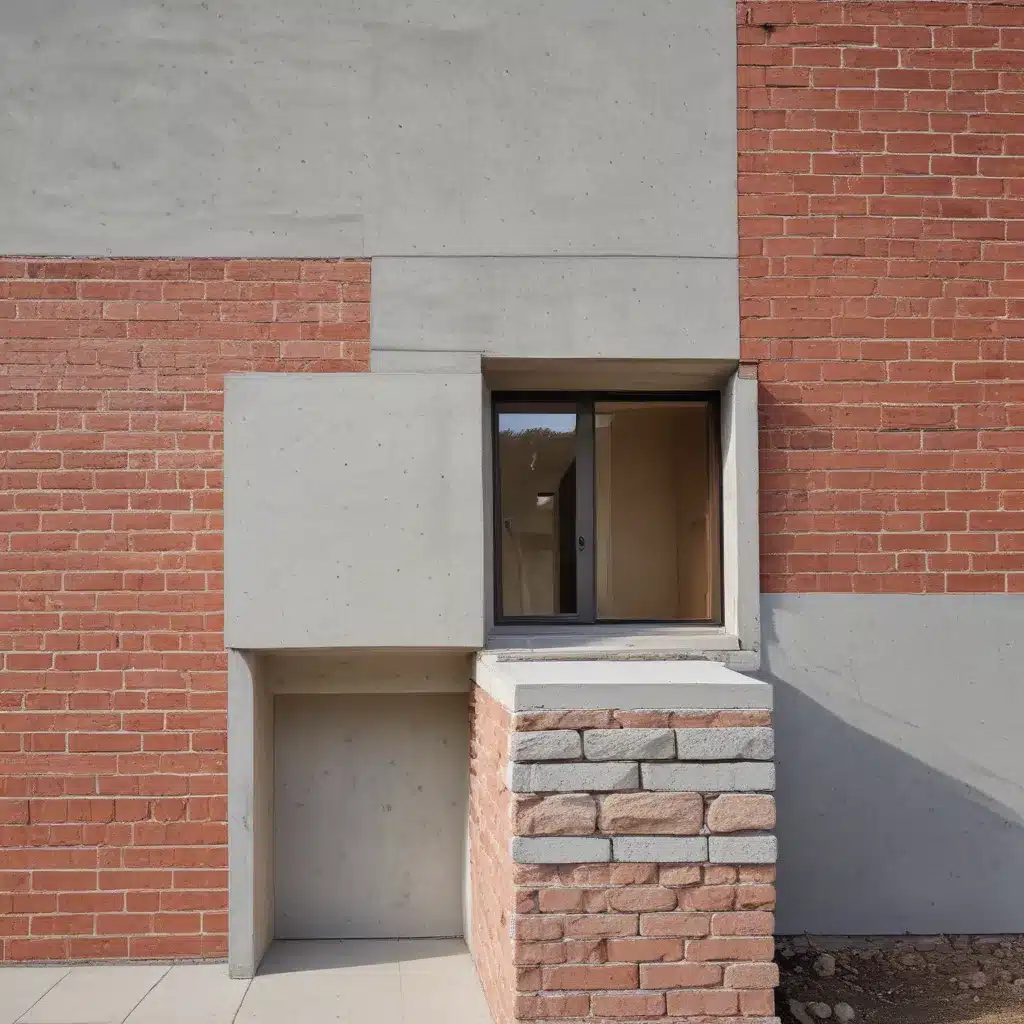
But concrete isn’t the only player in the thermal mass arena. Brick, with its inherent density and thermal storage capabilities, is also a force to be reckoned with. In fact, I’d argue that brick and concrete make an unbeatable team when it comes to creating cozy, energy-efficient spaces. Picture a beautiful, exposed brick wall in your living room – not only is it a stunning design feature, but it’s also acting as a thermal powerhouse, regulating the temperature and keeping you comfortable all year round.
Now, I know what you’re thinking – “But wait, isn’t thermal mass just for keeping things warm? What about cooling?” Ah, you raise an excellent point, my friend. The beauty of thermal mass is that it works both ways. During the summer months, those dense materials can absorb excess heat during the day and then slowly release it at night, helping to keep your space cool and comfortable without relying solely on energy-guzzling air conditioning.
It’s like Mother Nature’s own built-in HVAC system, and we get to harness that power through the strategic use of materials like concrete and brick. And let me tell you, when you get the balance right, it’s a game-changer. Your energy bills will thank you, and your family will thank you for creating a home that’s as cozy as a hibernating bear in the winter and as refreshing as a cool breeze in the summer.
But the benefits of thermal mass don’t stop there. Oh no, we’re just getting started. You see, by using materials with high thermal mass, you’re not only improving the comfort and efficiency of your space, but you’re also contributing to a more sustainable future. Think about it – the less energy we need to heat and cool our buildings, the fewer fossil fuels we burn and the smaller our carbon footprint becomes. It’s a win-win-win situation if I ever saw one.
And let’s not forget the aesthetic appeal of these thermal powerhouses. Concrete and brick can lend a stunning, industrial-chic vibe to any space, creating a warm and inviting atmosphere that’s sure to impress your guests. Imagine a sleek, minimalist kitchen with exposed concrete walls and floors – it’s the perfect blend of form and function, and it’s all thanks to the magic of thermal mass.
Now, I know what you might be thinking – “But wait, isn’t concrete and brick construction more expensive than, say, drywall and insulation?” Well, here’s the thing: while the initial investment might be a bit higher, the long-term benefits of thermal mass can more than make up for it. Think about the energy savings, the improved comfort, and the reduced environmental impact. It’s a classic case of “you gotta spend money to save money,” and in this case, I’d say it’s a pretty darn good investment.
So, if you’re in the market for a building or renovation project here in Aberdeen, and you want to create a space that’s not only beautiful, but also incredibly comfortable and efficient, I highly encourage you to consider the power of thermal mass. Concrete and brick might just be the secret weapons you need to unlock the true potential of your project.
And who knows, maybe you’ll even impress your friends and neighbors with your newfound thermal mass knowledge. Imagine the look on their faces when you start waxing poetic about the heat-absorbing properties of brick. They’ll be begging you to design their next home renovation, trust me.
Alright, enough of my rambling – I could go on all day about this stuff. If you’re ready to harness the power of thermal mass in your next project, head on over to https://abc-home.co.uk/ and let’s get started. I promise, it’ll be the coolest (or warmest) thing you’ll ever do.
Exploring the Science Behind Thermal Mass: How Concrete and Brick Work Their Magic
Now that I’ve extolled the virtues of thermal mass and its dynamic duo of concrete and brick, let’s dive a little deeper into the science behind it all. After all, understanding the nitty-gritty details can help you make more informed decisions when it comes to your building or renovation project.
Let’s start with the basics: what exactly is thermal mass, and how does it work? As I mentioned before, thermal mass is the ability of a material to absorb, store, and release heat energy. This is due to the material’s specific heat capacity, which is a measure of how much energy it takes to raise the temperature of a given mass by one degree.
Concrete and brick, being dense and solid materials, have relatively high specific heat capacities. This means they can absorb and store a significant amount of heat energy without their own temperature rising too quickly. Imagine a sponge soaking up water – that’s kind of how concrete and brick work when it comes to heat.
During the day, as the sun beats down on your building or the internal heat from your appliances and occupants starts to accumulate, the concrete and brick surfaces absorb all of that excess energy. Instead of the heat immediately radiating back into the space and making it uncomfortably warm, the thermal mass keeps it contained, slowly releasing it over time.
This delayed heat release is where the magic really happens. As the sun sets and the temperatures outside start to drop, the stored heat in the concrete and brick is gradually released back into the interior, helping to maintain a comfortable and stable temperature throughout the day and night. It’s like having your own personal climate control system, and the best part is that it doesn’t require a single kilowatt of electricity to operate.
But the benefits of thermal mass don’t stop there. When it comes to cooling, the same principles apply – the dense materials can absorb excess heat during the day and then release it at night, reducing the need for energy-intensive air conditioning. Imagine a scenario where you can keep your home cool and comfortable all summer long without even turning on the AC. Sounds pretty great, right?
Now, I know what you might be thinking – “Okay, I get the science behind it, but how does this translate to real-world applications?” Well, let me give you a concrete example (pun fully intended).
Imagine you’re designing a new home in Aberdeen, and you want to maximize the use of thermal mass. You might opt for a concrete foundation and slab, with exposed concrete walls and ceilings throughout the main living areas. This creates a vast thermal storage system that can absorb and release heat as needed, keeping the interior temperature stable and comfortable.
But you don’t have to stop there – you can also incorporate brick elements, like an eye-catching fireplace or feature wall, to further enhance the thermal mass properties of your design. The combination of concrete and brick, strategically placed, can create a harmonious balance of heat absorption, storage, and release, making your home a true oasis of comfort and efficiency.
And let’s not forget about the aesthetic appeal of these thermal mass materials. Concrete and brick offer a timeless, industrial-chic look that’s both modern and inviting. Imagine the warm, cozy ambiance of an exposed brick wall in your living room, or the sleek, minimalist vibe of a concrete kitchen countertop. It’s a win-win-win scenario – comfort, efficiency, and style.
Now, I know what you might be saying – “But what about the cost? Isn’t concrete and brick construction more expensive than traditional drywall and insulation?” Well, it’s true that the initial investment might be a bit higher, but trust me when I say that the long-term benefits more than make up for it.
Think about the energy savings you’ll see over the years, not to mention the improved comfort and reduced environmental impact. It’s a classic case of “you gotta spend money to save money,” and in this case, it’s a pretty darn good investment if you ask me.
So, if you’re planning a building or renovation project here in Aberdeen, and you want to create a space that’s not only beautiful but also incredibly comfortable and efficient, I highly encourage you to consider the power of thermal mass. Concrete and brick might just be the secret weapons you need to unlock the true potential of your project.
And who knows, maybe you’ll even become the envy of your friends and neighbors with your newfound thermal mass expertise. Imagine the impressed looks on their faces when you start explaining the heat-absorbing properties of brick. They’ll be begging you to design their next home renovation, I guarantee it.
Mastering the Art of Thermal Mass: Design Strategies and Real-World Examples
Now that we’ve delved into the science behind thermal mass and the incredible capabilities of materials like concrete and brick, let’s talk about how to put all of this knowledge into practice. Because as fascinating as the theory might be, what really matters is how you can harness this power to create stunning, comfortable, and energy-efficient spaces.
As a building and renovation professional here in Aberdeen, I’ve had the privilege of working on a wide range of projects that have put thermal mass front and center. And let me tell you, the results have been nothing short of remarkable.
One of my favorite examples is a renovation we completed for a client in the heart of the city. The homeowners were adamant about creating a cozy, inviting space that would be comfortable year-round, without relying on excessive heating or cooling. So, we set out to maximize the use of thermal mass throughout the design.
We started with a concrete foundation and slab, which not only provided a solid, durable base but also served as a massive thermal storage system. From there, we incorporated exposed concrete walls and ceilings in the main living areas, creating a seamless, industrial-chic aesthetic that was both visually stunning and functionally brilliant.
But we didn’t stop there – we also added in strategic brick elements, like a stunning feature wall in the living room and a beautiful fireplace surround. The combination of concrete and brick, with their differing thermal properties, created a harmonious balance of heat absorption, storage, and release, keeping the interior temperature stable and comfortable no matter the weather outside.
The results were truly impressive. Throughout the long, chilly Aberdeen winters, the home maintained a cozy, inviting warmth, with the thermal mass materials slowly releasing their stored heat as the temperatures dropped. And in the summer, the same principles worked in reverse, with the concrete and brick absorbing excess heat during the day and then gradually releasing it at night, reducing the need for air conditioning.
But the benefits of this thermal mass-centric design went beyond just comfort and efficiency. The homeowners also saw a significant reduction in their energy bills, as they no longer needed to rely on energy-guzzling heating and cooling systems to keep their home comfortable. It was a win-win-win scenario – comfort, efficiency, and cost savings, all wrapped up in a stunning, modern package.
And the best part? This isn’t just a one-off success story. I’ve had the pleasure of working on countless other projects that have leveraged the power of thermal mass, and the results have been consistently impressive.
Take, for example, a new-build apartment complex we recently completed just outside of Aberdeen. From the ground up, we designed each unit with thermal mass in mind, incorporating concrete floors, walls, and ceilings, as well as strategically placed brick accents. The result? A collection of cozy, comfortable, and energy-efficient homes that have been in high demand ever since they hit the market.
But it’s not just large-scale projects that can benefit from the magic of thermal mass. I’ve also worked on smaller-scale renovations and additions that have used concrete and brick to transform the comfort and efficiency of a space. Imagine a simple home extension with an exposed concrete wall that seamlessly connects the new and old parts of the house, creating a cohesive and comfortable living environment.
Or, picture a cozy backyard studio, with a brick exterior that not only looks stunning but also helps to regulate the temperature inside, keeping it cool in the summer and warm in the winter. It’s amazing how just a few strategic placements of these thermal mass materials can have such a dramatic impact on the overall comfort and energy performance of a building.
Now, I know what you might be thinking – “Okay, this all sounds great, but how do I actually incorporate thermal mass into my own building or renovation project?” Well, let me share a few key design strategies that I’ve found to be particularly effective:
-
Prioritize Concrete and Brick: When selecting materials for your project, always consider concrete and brick as your first choices. These high-thermal mass materials should be the foundation (pun intended) of your design.
-
Expose Those Surfaces: Don’t hide your thermal mass behind drywall or other coverings. Leave those concrete and brick surfaces exposed to maximize their heat absorption and release capabilities.
-
Strategic Placement: Think carefully about where you place your thermal mass elements. Concentrate them in the main living areas, where you want to maintain a consistent, comfortable temperature.
-
Combine Materials: Mix and match concrete and brick to create a harmonious blend of thermal properties. This can help you fine-tune the heat absorption and release dynamics of your design.
-
Insulate, Insulate, Insulate: While thermal mass is the star of the show, don’t forget the importance of proper insulation. Combine your high-mass materials with well-insulated walls, floors, and ceilings to create a truly energy-efficient envelope.
By following these strategies and drawing inspiration from the real-world examples I’ve shared, you can unlock the true potential of thermal mass in your own building or renovation project. And trust me, the results will be nothing short of remarkable.
So, if you’re ready to create a space that’s not only beautiful but also incredibly comfortable and efficient, head on over to https://abc-home.co.uk/ and let’s get started. Together, we can harness the power of thermal mass and take your project to new heights.