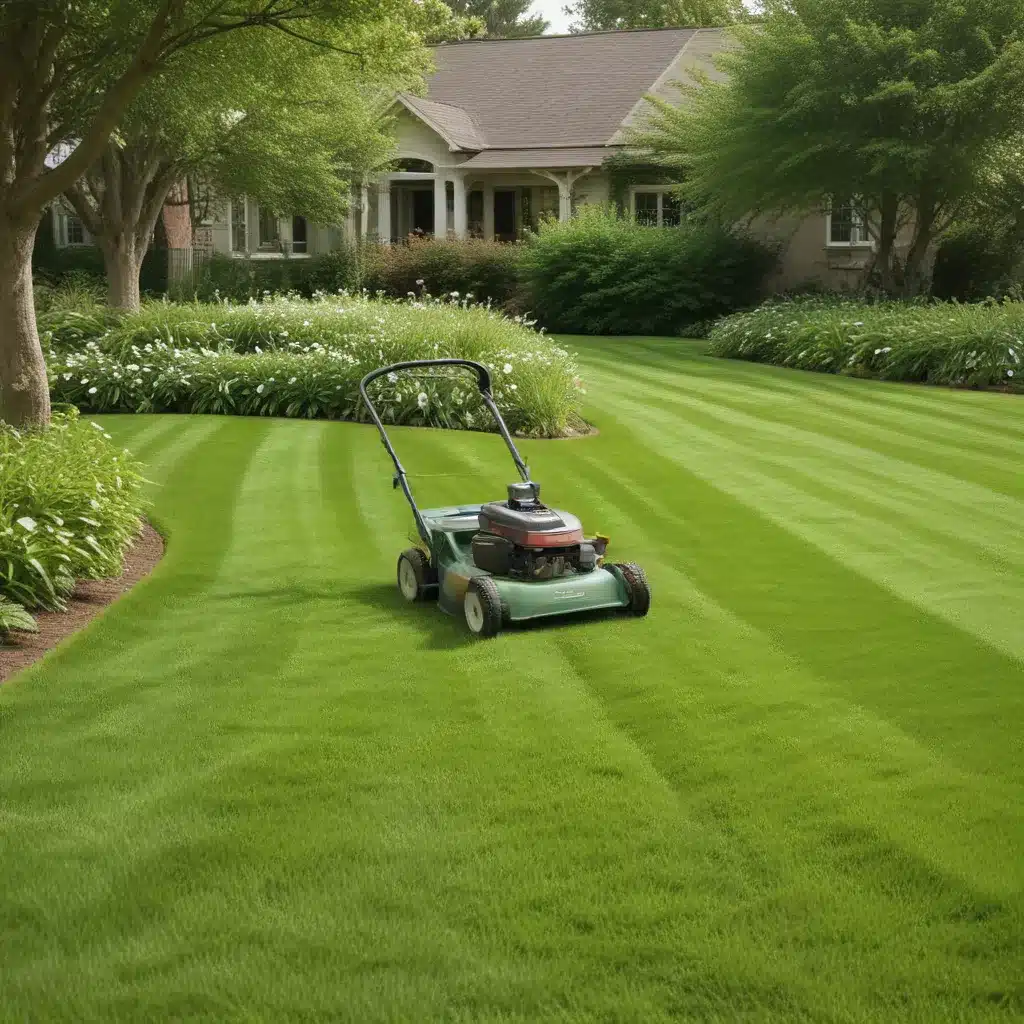
The Lush, Verdant Lawn of My Dreams
I’ve always been a bit of a lawn care enthusiast. There’s just something about a perfectly manicured, vibrantly green expanse of grass that fills me with a sense of pride and accomplishment. But as I’ve grown older and become more environmentally conscious, I’ve grown increasingly wary of the harsh chemical fertilizers and pesticides that are commonly used to achieve that ideal lawn.
That’s why, a few years ago, I decided to take the plunge and transition my lawn to a more natural, organic approach. Let me tell you, it’s been a journey – but one that has been incredibly rewarding. Not only is my lawn looking better than ever, but I also have the peace of mind of knowing that I’m not harming the environment (or my family and pets) with a deluge of synthetic chemicals.
If you’re a fellow lawn care enthusiast who’s looking to go the organic route, allow me to share my hard-earned wisdom. In this extensive guide, I’ll cover everything you need to know about creating and maintaining a lush, healthy lawn using natural, sustainable methods. From building healthy soil to selecting the right grass species, watering and mowing techniques, and dealing with pesky weeds and pests – I’ve got you covered.
So, grab a cup of tea (or a cold beer, no judgment here), get cozy, and let’s dive into the wonderful world of organic lawn care. Your dream lawn awaits!
The Foundations of a Healthy, Natural Lawn
Before we can even think about grass, we need to address the foundation of any great lawn – the soil. You see, healthy, nutrient-rich soil is the key to a lush, resilient lawn that can thrive without the need for harsh chemical inputs.
So, where do we start? Well, the first step is to get your soil tested. This will give you a clear picture of the current state of your soil – the pH levels, nutrient content, and any potential imbalances or deficiencies. Armed with this information, you can then develop a targeted plan to amend and improve your soil to create the optimal growing conditions for your grass.
Now, I know what you’re thinking – soil testing, amending, blah blah blah. Sounds like a lot of work, right? Well, hear me out. Taking the time to get your soil in tip-top shape is an investment that will pay dividends for years to come. Think of it like building a sturdy foundation for your dream home – without it, the whole structure is bound to crumble.
Once you’ve got your soil dialed in, the next step is to choose the right grass species for your climate and growing conditions. This is crucial, as different grasses have different needs and preferences. For example, in my neck of the woods (Aberdeen, UK), cool-season grasses like fescue and ryegrass tend to thrive, whereas warm-season varieties like Bermuda and zoysia might struggle.
But fear not, my friends – I’m here to guide you through the grass selection process. I’ll share my top recommendations for natural, low-maintenance grass species, as well as tips on how to establish a healthy, lush lawn from scratch.
Nurturing Your Lawn, Naturally
Alright, now that we’ve got the foundation in place, it’s time to start caring for your lawn using organic, sustainable methods. And let me tell you, there’s a whole lot more to it than just mowing and watering.
Let’s start with mowing. Now, I know a lot of people take pride in their pristine, closely-cropped lawns, but did you know that letting your grass grow a little longer can actually be better for its health? By leaving your grass at a height of 3-4 inches, you’re encouraging deeper root growth, which in turn makes your lawn more drought-tolerant and resilient.
But it’s not just about the mowing height – the frequency of mowing is also crucial. Aim to cut your grass no more than once a week, and be sure to leave those clippings on the lawn. They’ll break down and return valuable nutrients to the soil, reducing your need for fertilizer.
Speaking of fertilizer, let’s talk about that. Now, I know the temptation to reach for the quick-fix synthetic stuff can be strong, but trust me, taking the organic route is so much better in the long run. Instead of those harsh chemicals, I recommend using natural, slow-release fertilizers like compost, manure, or bone meal. These not only nourish your lawn, but they also feed the beneficial microorganisms in the soil, creating a thriving ecosystem that supports your grass.
And let’s not forget about watering. It’s a delicate balance, to be sure – too much water can lead to fungal issues and weed growth, while too little can leave your lawn parched and struggling. The key is to water deeply and infrequently, encouraging those deep roots to grow. And if you’re not sure when to water, pay attention to the signs – if your grass is starting to look a little wilted or dull, it’s time to break out the sprinklers.
Outsmarting Weeds and Pests, Naturally
Ah, the bane of every lawn enthusiast’s existence – weeds and pests. But fear not, my friends, for I have some tricks up my sleeve to help you vanquish these foes without resorting to harsh chemicals.
Let’s start with weeds. Now, I know it can be tempting to reach for the nearest bottle of weed killer, but trust me, there are much more effective (and eco-friendly) ways to keep those pesky interlopers at bay. The key is to starve them out by maintaining a thick, healthy lawn. You see, weeds thrive in bare, compacted soil – so by keeping your grass lush and vibrant, you’re creating an environment that’s inhospitable to their growth.
Another trick is to mulch your lawn with a layer of compost or wood chips. This not only enriches the soil, but it also blocks sunlight and prevents weed seeds from germinating. And if you do spot the occasional weed poking through, a simple pull or spot-treatment with an organic herbicide (like vinegar or corn gluten meal) can do the trick.
As for pests, the same principle applies – the healthier your lawn, the less appealing it will be to those unwanted critters. But if you do find yourself dealing with an infestation, don’t reach for the toxic pesticides. Instead, try utilizing natural predators like ladybugs or beneficial nematodes to keep the population in check. And if all else fails, you can always spot-treat with an organic insecticide like neem oil or diatomaceous earth.
The key, my friends, is to think holistically about lawn care. By focusing on building a thriving, resilient ecosystem, you can effectively outsmart those pesky weeds and pests without harming the environment. It’s a win-win all around!
The Joys of an Organic Lawn
Now, I know what you’re thinking – all this talk of soil testing, grass selection, and natural pest control must be a lot of work, right? Well, let me assure you, the effort is well worth it. Because when you’ve got a lush, vibrant lawn that’s the envy of the neighborhood, and you know it’s been achieved through sustainable, eco-friendly methods? That, my friends, is a feeling that simply can’t be topped.
I’ll never forget the first time I looked out over my newly-established organic lawn and felt that sense of pride and accomplishment. It was like a weight had been lifted off my shoulders, knowing that I was no longer contributing to the harmful environmental impact of traditional lawn care. And as the seasons passed, and I watched my lawn thrive and flourish without the need for harsh chemicals, that feeling only grew stronger.
But it’s not just about the environmental benefits – an organic lawn brings with it a whole host of other advantages as well. For one, it’s safer for my family and pets, who can frolic and play without the worry of toxic residues. And let’s not forget about the cost savings – by reducing my reliance on expensive fertilizers and pesticides, I’m actually saving money in the long run.
And the best part? My lawn has never looked better. The lush, verdant carpet of grass is the envy of the entire neighborhood, and I take great pride in knowing that I achieved it using sustainable, natural methods. It’s like a little slice of heaven right in my own backyard.
So, if you’re on the fence about making the switch to organic lawn care, let me assure you – it’s one of the best decisions I’ve ever made. Sure, it might take a bit more effort upfront, but the long-term rewards are simply unbeatable. Your dream lawn is out there, just waiting to be cultivated, and I’m here to help you every step of the way.
Conclusion: Embracing the Beauty of Organic Lawn Care
As I sit here, admiring the lush, vibrant carpet of grass in my backyard, I can’t help but feel a sense of profound satisfaction. This lawn, this verdant oasis, is the result of countless hours of hard work, research, and dedication to sustainable, organic lawn care practices. And let me tell you, it’s been one heck of a journey.
But you know what? It’s been worth every single minute. Because when I step outside and feel the soft, spongy turf beneath my feet, when I see the bees and butterflies fluttering among the clover, and when I know that I’m not contributing to the harmful environmental impact of traditional lawn care – well, that’s a feeling that simply can’t be replicated.
So, if you’re a fellow lawn care enthusiast who’s been yearning for a more sustainable, eco-friendly approach, I urge you to take the plunge. Trust me, the rewards are endless. Your dream lawn is out there, just waiting to be cultivated, and I’m here to guide you every step of the way.
Whether it’s building healthy soil, selecting the right grass species, or outsmarting those pesky weeds and pests, I’ve got you covered. And who knows – maybe one day, you’ll be the one looking out over your own lush, organic oasis, filled with a sense of pride and accomplishment.
So, what are you waiting for? Let’s get to work and create the lawn of your dreams – naturally.