The Thirsty Tomatoes and the Quest for Hydration
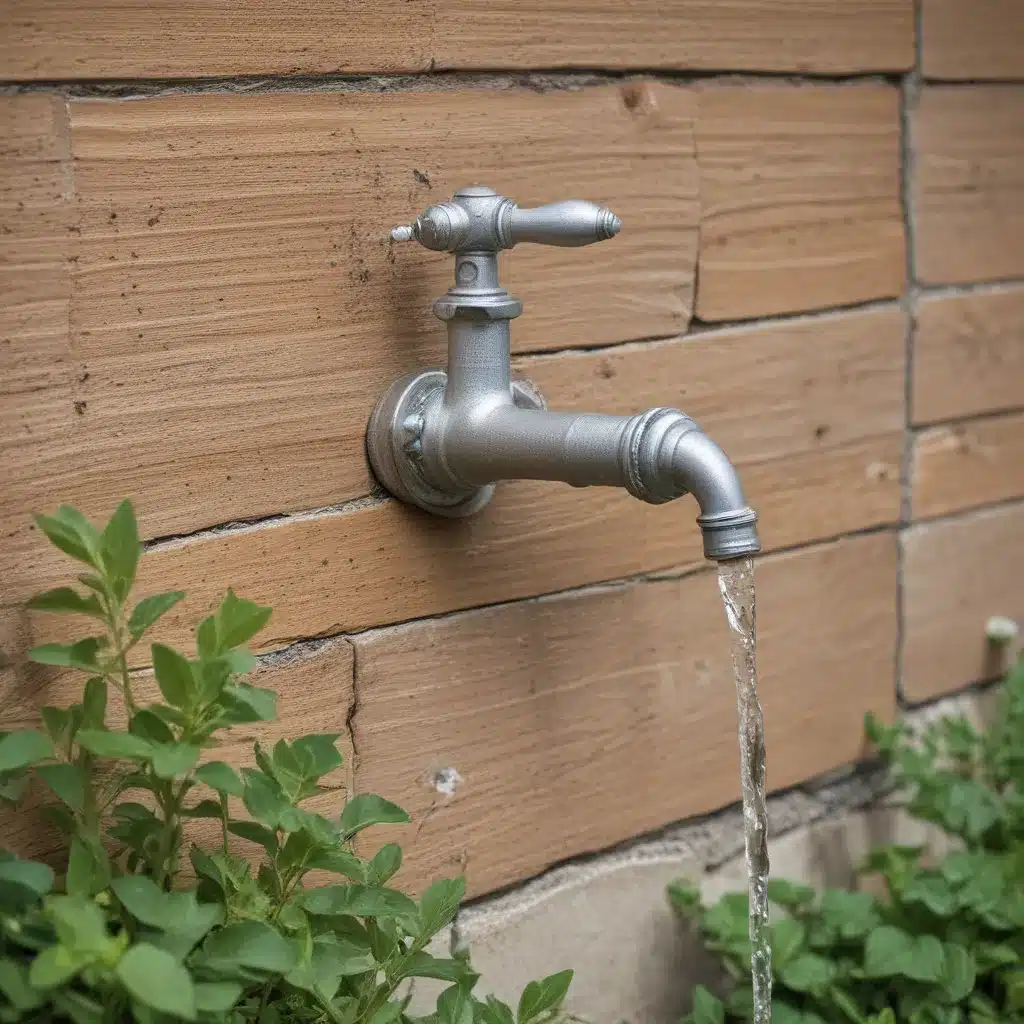
Ah, the joys of gardening – the fragrance of freshly turned soil, the vibrant colors of blooming flowers, the satisfying crunch of homegrown veggies. But alas, sometimes our lush, green oasis can feel more like a desert, with thirsty plants begging for a sip of water. That’s where the humble outside tap comes in, my friends – your garden’s knight in shining chrome, ready to quench its every thirst.
I’ll never forget the summer I decided to tackle this project at my own home in Aberdeen. It was a scorching July, and my poor tomato plants were wilting under the relentless sun. I’d been lugging heavy watering cans from the kitchen sink all the way to the far end of the garden, and my biceps were starting to resemble overcooked spaghetti. Enough was enough – it was time to take action.
The Benefits of Adding an Outside Tap
As I set out to research the process of installing an outside tap, I quickly realized the myriad benefits it could bring to my gardening endeavors. For starters, think of the convenience factor. No more trudging back and forth, sloshing water everywhere, and risking a twisted ankle on uneven terrain. With a tap conveniently located right where I needed it, I could water my plants with ease, saving time and energy for more important tasks – like perfecting my homemade compost tea recipe.
But the advantages don’t stop there. An outside tap can also be a game-changer when it comes to maintaining your garden’s overall health. Consistent, reliable access to water means you can keep your precious plants hydrated, even during those long, dry spells. And let’s not forget about the increased flexibility it provides – want to give your car a quick wash? No problem. Need to fill up the kids’ paddling pool on a scorching summer day? Easy peasy.
The Installation Process: Uncovering the Secrets
Now, I know what you’re thinking – “Sounds great, but how do I actually go about adding an outside tap to my property?” Fear not, my green-fingered friends, for I’ve done the legwork for you. The installation process, while not exactly rocket science, does require a bit of know-how to ensure it’s done safely and effectively.
First and foremost, you’ll need to determine the best location for your new tap. Ideally, you want it to be easily accessible, yet positioned in a way that doesn’t interfere with any existing structures or landscaping. It’s also important to consider the proximity to your home’s internal plumbing system, as this will dictate the complexity of the installation.
Once you’ve selected the perfect spot, the next step is to shut off the main water supply to your property. This is a crucial safety measure, as you don’t want to be dealing with a geyser of water while you’re trying to work. With the water turned off, you can then proceed to cut into the existing pipework and install the new tap, taking care to use the appropriate fittings and sealants to prevent any pesky leaks.
Navigating the Regulatory Landscape
Of course, no discussion of home improvement projects would be complete without a nod to the all-important world of regulations and building codes. And when it comes to adding an outside tap, there are a few key considerations to keep in mind.
For starters, you’ll need to ensure that your plumbing work complies with the relevant local bylaws and guidelines. In Aberdeen, for example, the Water Byelaws 2014 set out specific requirements for the installation of outside taps, including the need for backflow prevention devices to safeguard the drinking water supply.
Additionally, if your property is located within a conservation area or has any listed building status, you may need to obtain the necessary planning permissions before proceeding with your project. It’s always best to do your research and consult with the relevant authorities to ensure you’re ticking all the right boxes.
Keeping Your Outside Tap Shipshape
Now that you’ve successfully installed your new outside tap, it’s time to ensure it stays in tip-top shape for years to come. Regular maintenance is key, and that starts with protecting your investment from the elements.
One of the biggest enemies of outdoor plumbing? Good old Jack Frost. During the colder months, you’ll want to make sure your tap is properly insulated and drained to prevent freezing, which can lead to costly and inconvenient burst pipes. A simple insulation jacket or even a dedicated tap cover should do the trick.
And let’s not forget about those pesky critters that might be eyeing your shiny new tap as a potential watering hole. Invest in a sturdy, tamper-proof box or casing to keep curious paws and beaks at bay, and you can rest assured your garden’s lifeline will remain safe and secure.
Tapping into the Future: Smart Home Integration
As the world of home automation continues to evolve, it’s no surprise that even the humble outside tap is getting a high-tech makeover. Imagine being able to control your garden’s water supply with the tap of a finger on your smartphone, or setting up automated watering schedules to ensure your plants never miss a drink.
Through the magic of smart home technology, this dream can become a reality. By integrating your outside tap with a connected irrigation system or even a dedicated smart tap controller, you can take your gardening game to the next level. No more rushing home to turn off a forgotten tap – just a few taps on your phone, and you’re good to go.
Of course, this level of technological wizardry does come with a slightly higher price tag, but for the serious green thumb, the investment can be well worth it. Imagine the satisfaction of watching your thriving garden flourish, all while you sip your morning coffee and monitor the water flow from the comfort of your living room. Talk about the ultimate in convenience and control!
Tapping into the Community: Sharing Expertise and Inspiration
As with any home improvement project, the journey of adding an outside tap to your garden doesn’t have to be a solitary one. In fact, tapping into the wealth of knowledge and experience within your local community can be an invaluable resource.
Take, for example, my friend Sarah, who runs a thriving nursery just down the road. When I was in the planning stages of my outside tap installation, I couldn’t wait to pick her brain. Not only did she have some fantastic tips on the best placement and water-saving features to consider, but she also connected me with a trusted plumber who had tackled similar projects in the past.
And the sharing of expertise doesn’t have to stop there. Why not reach out to your neighbors, fellow gardening enthusiasts, or even local hardware stores? You never know what hidden gems of wisdom they might have to offer – from creative planting ideas that complement your new tap setup to insider tricks for keeping those pesky weeds at bay.
Tapping into the Future: Sustainable Water Management
As we look to the future, it’s clear that the way we manage and conserve our precious water resources will only become more crucial. And adding an outside tap to your garden can be an important step in that direction.
By having a dedicated water access point right where you need it, you can be more mindful and strategic about how you use this vital resource. No more letting the tap run while you’re busy rinsing off tools or filling up watering cans. Instead, you can employ water-saving techniques like collecting rainfall in a connected rain barrel or leveraging smart technology to monitor and control your usage.
And let’s not forget about the environmental benefits of having an outside tap. With easy access to water, you can maintain a lush, thriving garden without the need for energy-intensive, emissions-producing watering methods like sprinklers or hoses. Plus, you’ll be doing your part to reduce the strain on municipal water systems, ensuring a more sustainable future for your community.
Conclusion: Tapping into the Joy of Gardening
So, there you have it – the ins and outs of adding an outside tap to your garden. From the initial convenience factor to the long-term sustainability benefits, this humble plumbing upgrade can truly be a game-changer for the green-fingered among us.
As I reflect on my own journey with this project, I can’t help but feel a deep sense of satisfaction. Not only does my garden now have a reliable, easy-to-access water source, but I’ve also gained a newfound appreciation for the power of community and the role we all play in shaping a more sustainable future.
So, what are you waiting for? Grab your toolbox, do a little research, and get ready to tap into the joy of gardening. Your thirsty plants (and your tired arms) will thank you.