The Joys of Chemical-Free Gardening
Ah, the sweet smell of freshly turned soil and the vibrant burst of colors from your garden – is there anything more satisfying than the fruits (or veggies) of your own labor? As the owner of a building and renovation company in Aberdeen, UK, I can attest that getting your hands dirty in the garden is one of life’s simple pleasures. But what if I told you that you could take that joy to the next level by embracing a chemical-free, organic approach to gardening?
You see, I used to be just like many others – reaching for the latest pesticides and fertilizers to ensure a picture-perfect lawn and bountiful harvest. It wasn’t until I learned about the harmful impact those products can have on the environment, our health, and the delicate balance of our ecosystems that I had a change of heart. Now, I’m a firm believer in the power of organic gardening, and I’m here to share my journey with you.
The Problem with Conventional Gardening
Let’s start by addressing the elephant in the room – the use of synthetic chemicals in traditional gardening practices. These substances, while promising lush, weed-free gardens and pest-free crops, come with a hidden cost that we often overlook.
For starters, the runoff from these chemicals can contaminate our soil, water sources, and even the air we breathe. The widespread use of pesticides, in particular, has been linked to the decline of vital pollinators like bees and butterflies, which are essential for the health of our ecosystems. And let’s not forget the potential impact on our own health – studies have shown that exposure to these chemicals can increase the risk of various health issues, from hormone disruption to cancer.
But the problems don’t stop there. Conventional gardening methods often deplete the natural fertility of the soil, leaving it devoid of the essential nutrients that plants need to thrive. This, in turn, forces gardeners to rely even more heavily on synthetic fertilizers, creating a vicious cycle of dependency and environmental degradation.
The Beauty of Organic Gardening
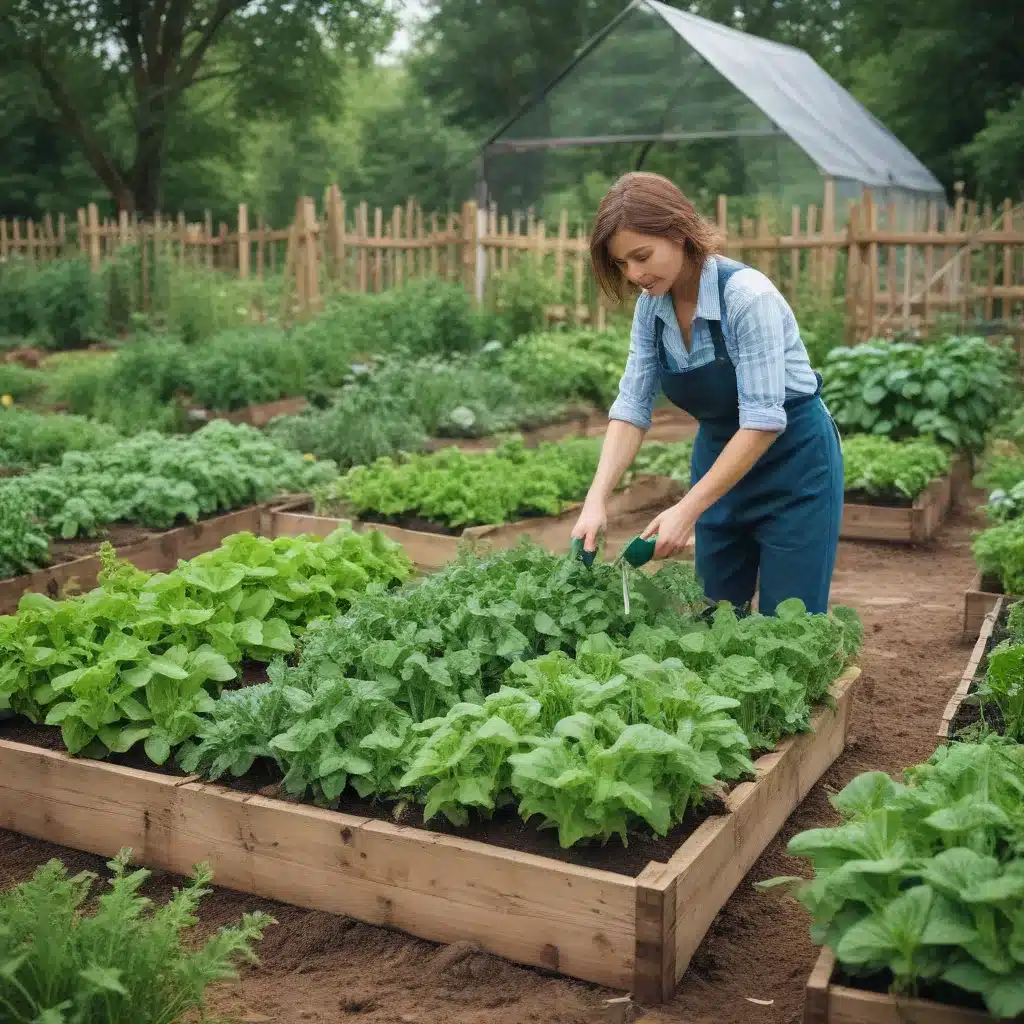
Now, let’s shift our focus to the alternative – the world of organic gardening. This approach is all about working in harmony with nature, rather than against it. Instead of reaching for harsh chemicals, organic gardeners rely on a variety of natural, sustainable methods to nurture their plants and keep pests at bay.
One of the cornerstone principles of organic gardening is building healthy, nutrient-rich soil. This is achieved through the use of compost, cover crops, and other organic matter, which not only feed the plants but also support the diverse community of microorganisms that are essential for a thriving ecosystem. By focusing on soil health, organic gardeners can create a self-sustaining system that requires minimal external inputs.
But the benefits of organic gardening go beyond just the soil. Have you ever noticed the vibrant colors and rich flavors of organically grown produce? That’s because these plants are able to access a full spectrum of nutrients, allowing them to develop their natural defenses and produce the compounds that give them their unique characteristics. And let’s not forget the joy of seeing butterflies, bees, and other pollinators fluttering around your garden, happily going about their business.
Overcoming Common Challenges
I know what you’re thinking – “Organic gardening sounds great, but isn’t it more difficult and time-consuming?” Well, I’m here to tell you that with a little bit of knowledge and some trial and error, you can absolutely make the switch to a chemical-free approach.
One of the biggest challenges that gardeners face is dealing with pests. Without the use of harsh pesticides, it can seem like an uphill battle to keep your plants safe. However, organic gardening offers a wide range of natural pest control methods, from companion planting and introducing beneficial insects to using non-toxic sprays made from plant-based ingredients.
Another common concern is the perceived lack of weed control in organic gardens. But the truth is, a well-designed and maintained organic garden can actually be surprisingly weed-free. By focusing on building healthy soil, mulching, and using cover crops, you can outcompete weeds and create an environment that’s inhospitable to them.
And let’s not forget the challenge of maintaining soil fertility without the use of synthetic fertilizers. This is where the magic of compost, green manures, and other organic soil amendments comes into play. By constantly replenishing the soil with these natural sources of nutrients, you can keep your plants thriving without relying on harmful chemicals.
Real-Life Examples and Testimonials
Still not convinced? Let me share a few real-life examples of the power of organic gardening.
Take the case of my neighbor, Sarah. She’s been an avid organic gardener for over a decade, and her backyard is a true oasis of biodiversity. From the buzzing beehive to the vibrant vegetable patches, her garden is a testament to the incredible results you can achieve with a chemical-free approach. “I used to spend so much time and money on pesticides and fertilizers,” Sarah told me. “But once I made the switch to organic, my garden just came alive. The veggies taste amazing, and I don’t have to worry about exposing my family to harmful chemicals.”
Another success story is that of our local community garden, which has been embracing organic practices for the past few years. The transformation has been nothing short of remarkable. “When we first started, the soil was compacted and lifeless,” said the garden’s coordinator, Sam. “But by incorporating compost, rotating crops, and using natural pest control methods, we’ve been able to create a thriving, sustainable oasis in the heart of the city. The produce we grow is not only delicious, but it’s also a source of pride for our entire community.”
The Path Forward
As the owner of a building and renovation company in Aberdeen, UK, I understand the importance of creating spaces that are not only beautiful, but also environmentally friendly. That’s why I’m a strong advocate for organic gardening, and I encourage all of my clients to consider incorporating it into their landscaping plans.
Whether you’re starting from scratch or looking to revamp an existing garden, the transition to organic gardening can be an incredibly rewarding journey. It may take a bit of time and effort to get the hang of it, but trust me, the payoff is more than worth it. Imagine the joy of harvesting your own fresh, pesticide-free produce, or the satisfaction of seeing a thriving, biodiverse ecosystem in your own backyard.
So, what are you waiting for? Take the first step towards a greener, healthier future by embracing the power of organic gardening. Visit abc-home.co.uk to learn more about how our building and renovation services can help you create the perfect garden oasis, one free of harmful chemicals and bursting with life.