The Allure of the Wild: Reclaiming Your Outdoor Oasis
Ah, the great outdoors – that verdant expanse just beyond our doorsteps, teeming with the vibrant hues and gentle rustlings of Mother Nature. For us city dwellers, it’s a siren’s call, beckoning us to shed the shackles of our concrete jungles and reconnect with the primal rhythms of the natural world. And what better place to heed that call than our very own gardens?
You see, I’ve always been a bit of a closet naturalist. There’s just something about the unbridled beauty and untamed energy of the wild that sets my heart racing. The way a butterfly dances on the breeze, the rich earthy scent of freshly turned soil, the symphony of birdsong that greets the dawn – these are the things that truly nourish my soul.
So, when I first laid eyes on my garden, a veritable blank canvas ripe for transformation, I knew exactly what I had to do. I was going to re-wild it, to coax it back to its natural glory and create a haven for all manner of critters, great and small. It was going to be a labor of love, to be sure, but the rewards would be bountiful.
Embracing the Untamed: The Benefits of a Nature-Friendly Garden
As I set out on my mission to re-wild my garden, I quickly discovered that the benefits of such an endeavor extend far beyond the simple pleasures of communing with nature. You see, by creating a space that is hospitable to the local flora and fauna, we’re not just nurturing our own sense of wonder and connection – we’re also playing a vital role in the greater ecosystem.
Think about it – our gardens, no matter how small, are part of a vast tapestry of habitats that sustain all manner of life. By eschewing the manicured perfection of traditional landscaping in favor of a more wild and untamed approach, we’re opening the door for pollinators, birds, and other creatures to thrive. We’re providing them with the food, shelter, and resources they need to survive and flourish.
And the beauty of it is, it’s not just the critters that reap the rewards. As I’ve discovered, a nature-friendly garden is a balm for the human spirit as well. There’s an undeniable sense of peace and tranquility that comes from surrounded by the ebb and flow of the natural world, a grounding influence that can be particularly soothing in our increasingly hectic and disconnected lives.
Laying the Groundwork: Preparing Your Garden for Re-Wilding
Now, I know what you might be thinking – “But wait, won’t a wild garden just look like a jumbled mess?” And to be fair, that’s a valid concern. After all, we’ve been conditioned to equate neatness and order with beauty when it comes to our outdoor spaces. But I’m here to tell you that there’s a method to the madness, a way to harness the untamed energy of nature while still maintaining a sense of cohesion and intentionality.
The first step, of course, is to assess the lay of the land. Take a good, hard look at your garden and take note of the existing conditions – the soil, the sunlight exposure, the moisture levels, and so on. These factors will play a crucial role in determining what plants and features you’ll want to incorporate.
From there, it’s all about planning and preparation. You’ll want to start by clearing out any existing plants or features that don’t align with your vision for a nature-friendly space. This might involve removing non-native species, tearing up that pristine lawn, or even rethinking the layout of your garden beds.
But don’t worry, this isn’t about creating a barren, lifeless landscape. On the contrary, it’s about laying the groundwork for a vibrant, thriving ecosystem. Once you’ve cleared the way, you can start to introduce native plants that will not only enhance the visual appeal of your garden but also provide food and shelter for all manner of critters.
Cultivating a Diverse Oasis: Planting for Pollinators and Beyond
Now, I know what you’re thinking – “Native plants? Doesn’t that mean I have to say goodbye to my beloved roses and tulips?” Not necessarily! The key is to strike a balance, to create a tapestry of native and non-native species that work in harmony to support the local ecosystem.
Take pollinators, for example. These unsung heroes of the natural world are responsible for the flourishing of countless plant species, yet they’re facing ever-increasing threats from habitat loss and pesticide use. By incorporating nectar-rich native flowers into your garden, you’re not only providing sustenance for bees, butterflies, and hummingbirds, but you’re also playing a vital role in their conservation.
And the beauty of it is, you don’t have to limit yourself to just flowers. There’s a whole world of native trees, shrubs, and even grasses that can add depth and diversity to your garden. Imagine the delight of watching a family of songbirds flit among the branches of a native dogwood, or the soothing rustling of little bluestem swaying in the breeze.
Of course, it’s not just about the plants – you’ll also want to incorporate features that cater to the needs of other wildlife. Bird baths, insect hotels, and even small ponds can all serve as havens for a wide array of critters. And don’t forget to leave some areas of your garden a little bit wild and unkempt, providing valuable shelter and foraging opportunities.
The Joys of Rewilding: Watching Your Garden Come Alive
As I’ve discovered on my own re-wilding journey, the true rewards of creating a nature-friendly garden go far beyond the simple pleasure of a beautifully landscaped outdoor space. It’s about fostering a deep and abiding connection with the natural world, of becoming an active steward and protector of the delicate ecosystems that sustain us all.
I’ll never forget the first time I witnessed a monarch butterfly alighting on one of my native milkweed plants, its vibrant orange wings fluttering in the breeze. Or the day when I spotted a family of wrens darting in and out of a newly installed birdhouse, their cheerful trills filling the air. These are the moments that make the effort and the occasional mess worth it, reminders of the vital role we can play in nurturing the health and resilience of our local environments.
And the best part? This is just the beginning. As your garden continues to evolve and mature, you’ll be amazed at the sheer diversity of life that takes up residence. From the chirping crickets to the rustling voles, each new discovery will fill you with a sense of wonder and delight.
So, what are you waiting for? It’s time to re-wild your garden and create a nature-friendly oasis that will nourish both your soul and the local ecosystem. Who knows, you might even discover a newfound passion for the wonders of the natural world in the process. Trust me, it’s a journey well worth taking.
Putting it All Together: Designing Your Dream Nature-Friendly Garden
Of course, transforming your garden into a verdant, wildlife-friendly haven isn’t as simple as just tossing a few native plants into the ground and calling it a day. Like any good design project, it requires a thoughtful, strategic approach to ensure that all the elements work in harmony to create a cohesive and functional space.
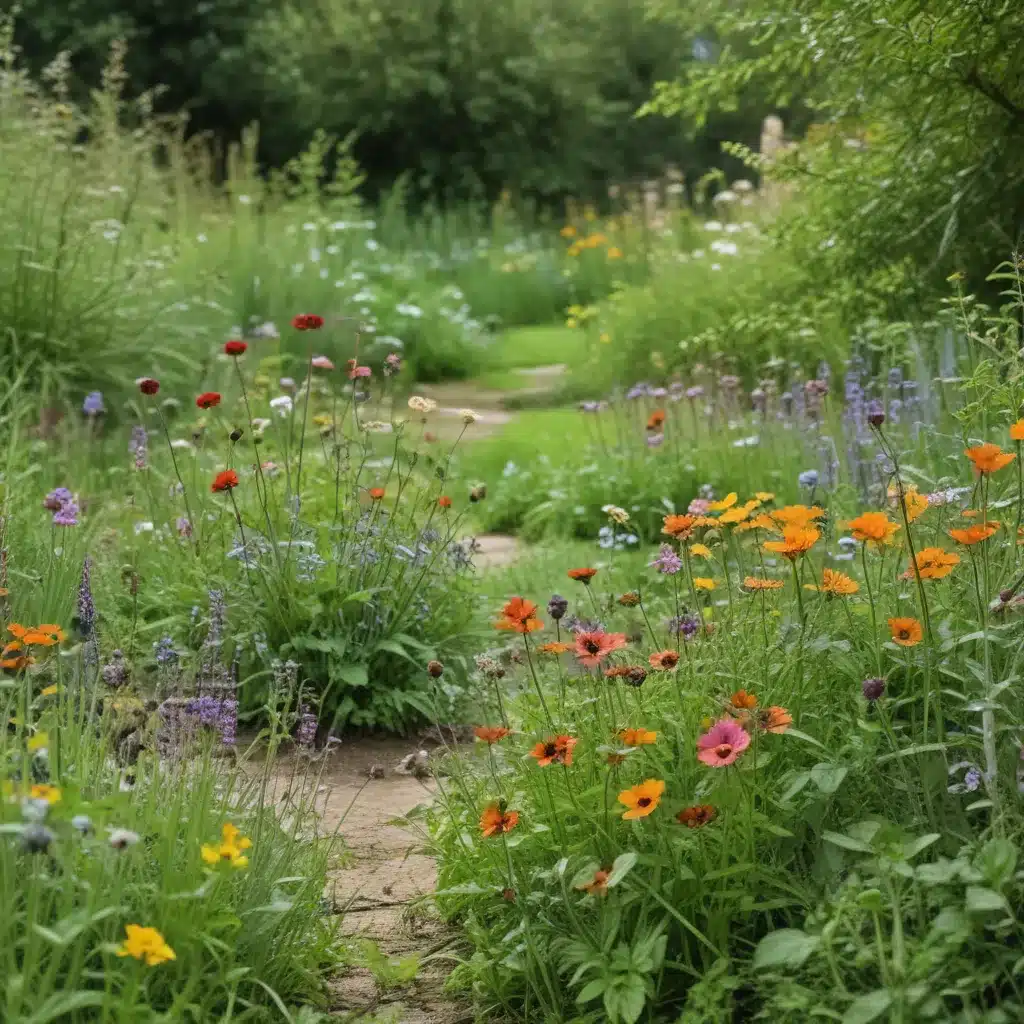
One of the key things to consider is the overall layout and flow of your garden. You’ll want to think about things like pathways, seating areas, and focal points, and how they can be integrated seamlessly with the various plantings and features you plan to incorporate. Maybe you envision a winding gravel path that meanders through a vibrant wildflower meadow, or a cozy nook tucked away under the canopy of a native oak tree.
And speaking of plantings, it’s important to really dive deep into the specific needs and characteristics of the species you’re considering. Not only will this help ensure that they thrive in your particular garden conditions, but it will also allow you to create a visually stunning and ecologically balanced design.
For example, you might choose to group together plants that share similar water, light, and soil requirements, creating harmonious pockets of color and texture throughout your garden. Or you could strategically position certain species to attract specific wildlife, like placing a row of nectar-rich perennials to draw in a bounty of pollinators.
Of course, the beauty of a nature-friendly garden is that it’s never truly “finished.” As the seasons change and the years pass, your outdoor oasis will continue to evolve and transform, constantly revealing new surprises and delights. And that’s the real joy of it – the opportunity to be an active participant in the ever-unfolding story of your little slice of the natural world.
Embracing the Unexpected: Adapting to the Rhythms of Nature
Now, I’ll admit that the path to creating a nature-friendly garden isn’t always smooth sailing. There will be challenges, setbacks, and the occasional surprise along the way. But you know what they say – the best things in life are worth working for, and that certainly holds true when it comes to rewilding your outdoor space.
Take, for instance, the time I discovered a nest of baby rabbits tucked away in one of my garden beds. At first, I’ll admit, I was a bit dismayed – those little fluffballs could certainly wreak havoc on my carefully curated plantings. But then I took a step back and realized that this was exactly the kind of thing I had been hoping for – a tangible sign that my garden was becoming a thriving, living ecosystem.
So, instead of shooing the bunnies away, I simply adjusted my plans, incorporating more native groundcovers and shrubs that could withstand a little gentle nibbling. And you know what? That little rabbit family ended up becoming one of the highlights of my gardening season, as I delighted in watching the kits grow and explore their new home.
Of course, not every unexpected visitor will be quite so charming. There will inevitably be the occasional pest or disease that threatens to disrupt the delicate balance of your nature-friendly oasis. But rather than reaching for the chemical pesticides or fungicides, I’ve learned to embrace a more holistic, eco-friendly approach.
ABC Home can help you with professional garden design and maintenance services to ensure your re-wilding project is a success. Their team of experts can help you create a customized plan that caters to the unique needs of your outdoor space and the local wildlife.
By working in harmony with the rhythms of nature, rather than trying to impose our own rigid control, we can cultivate a garden that is not only beautiful and thriving, but also resilient and adaptable. It’s a dance, to be sure, but one that is endlessly rewarding and full of surprises.
Becoming Stewards of the Land: The Joys and Responsibilities of Nature-Friendly Gardening
As I’ve delved deeper into the world of re-wilding and nature-friendly gardening, I’ve come to the realization that it’s not just about creating a pretty outdoor space. It’s about something much bigger – a fundamental shift in the way we view our relationship with the natural world.
You see, for too long, we’ve treated our gardens as mere extensions of our homes, manicured and controlled spaces that serve as a sort of buffer between the “civilized” world and the “wild.” But the truth is, our gardens are not separate from the natural world – they are an integral part of it, a tapestry of interconnected ecosystems that sustain life in all its glorious complexity.
By embracing a more nature-friendly approach to our outdoor spaces, we’re not just beautifying our own little corners of the world – we’re actively participating in the restoration and preservation of vital habitats. We’re providing food and shelter for pollinators, creating safe havens for threatened species, and contributing to the overall health and resilience of our local environments.
And the best part? It’s not just about the big, lofty goals – it’s about the little, everyday joys that come with being a steward of the land. Like the thrill of spotting a new bird species you’ve never seen before, or the sense of pride you feel when you see a butterfly fluttering among the native blooms you’ve so carefully cultivated.
Make no mistake, being a nature-friendly gardener comes with its fair share of responsibilities. There’s the constant vigilance required to monitor for pests and diseases, the patience needed to let certain areas of your garden grow wild and untamed, and the willingness to embrace the ebb and flow of natural cycles.
But trust me, the rewards far outweigh the challenges. Because when you step back and witness the incredible tapestry of life that your garden has become – the buzzing bees, the scurrying squirrels, the serenading songbirds – you’ll realize that you’ve not only created a beautiful outdoor oasis, but you’ve also played a vital role in sustaining the delicate balance of our natural world.
And that, my friends, is a legacy worth leaving.