Battling Bugs the Eco-Friendly Way
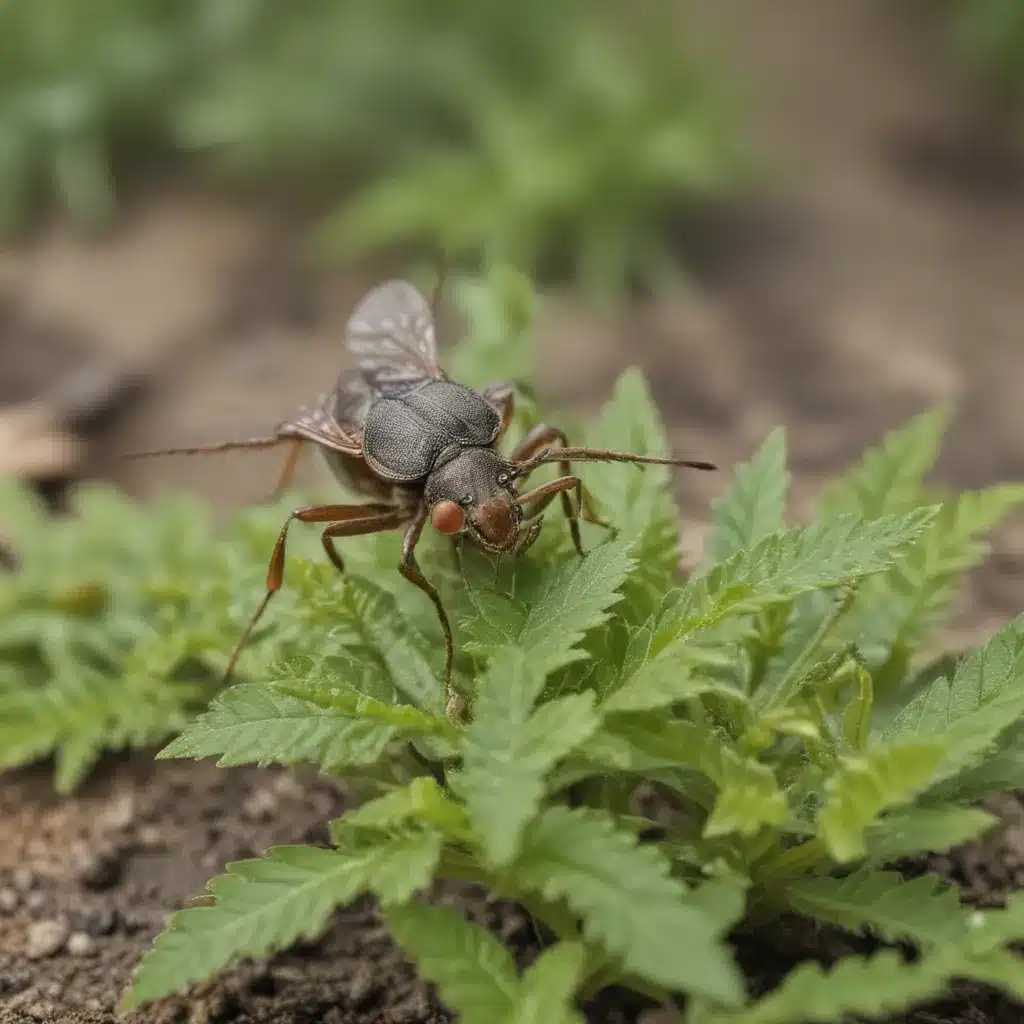
As a homeowner, I know the frustration of dealing with pesky critters that seem hell-bent on making my property their personal playground. Whether it’s ants marching through the kitchen, mice scurrying in the walls, or moths feasting on my favorite sweaters, these uninvited guests can really put a damper on the joy of home ownership.
But here’s the thing – I refuse to unleash a chemical arsenal on my humble abode. Toxic pesticides may promise a quick fix, but at what cost? The health risks to my family and pets, the damage to the environment…it just doesn’t sit right with me. That’s why I’ve made it my mission to seek out natural pest control solutions that are just as effective, without all the harmful side effects.
And let me tell you, I’ve learned a thing or two along the way. From strategic landscaping to clever DIY traps, the possibilities for eco-friendly pest management are practically endless. In fact, I’d argue that these natural approaches are often more reliable and long-lasting than their chemical counterparts.
So if you’re tired of waging war against unwanted critters, buckle up. We’re about to embark on a journey through the wonderful world of natural pest controls. Get ready to say goodbye to toxic sprays and hello to a healthier, happier home.
Understanding the Pest Problem
Before we dive into the nitty-gritty of natural pest control, it’s important to understand the root of the problem. What’s attracting these unwanted guests to your property in the first place?
The first step is to conduct a thorough inspection of your home and surrounding areas. Where are you seeing the most activity? What kind of damage are the pests causing? Identifying the specific culprits is crucial, as different bugs and rodents require different management strategies.
For example, let’s say you’ve noticed a sudden influx of ants making themselves at home in your kitchen. A closer look reveals that they’re drawn to the crumbs and spills left behind after meals. In this case, the solution might involve a combination of sealing entry points, keeping surfaces clean, and using natural repellents like cinnamon or chalk.
On the other hand, if you’re dealing with a mice infestation, the problem may stem from gaps in your home’s exterior or an abundance of nesting materials like insulation or cardboard. In this scenario, you’d want to focus on exclusion tactics, such as plugging holes and removing potential hiding spots.
You see, understanding the specific pest and its behaviors is key to developing an effective, eco-friendly management strategy. It’s all about gathering intel and tailoring your approach accordingly. Trust me, this detective work is well worth the effort – it’ll save you a ton of time and frustration in the long run.
Natural Pest Control Strategies
Alright, now that we’ve established the importance of identifying the pest problem, let’s dive into some of the natural control methods I’ve had success with. Get ready to bid farewell to those toxic sprays and say hello to a healthier, greener approach.
Landscaping for Pest Deterrence
One of the first lines of defense against unwanted critters? Your very own landscaping! That’s right, the way you design and maintain your outdoor spaces can actually play a significant role in pest management.
For instance, let’s talk about mosquitoes. These pesky bloodsuckers are drawn to standing water, where they lay their eggs. By eliminating potential breeding grounds – think gutters, birdbaths, and even plant saucers – you can drastically reduce their population around your home.
Another example? Aphids and other garden pests. These little guys love to feast on tender, nutrient-rich plants. But did you know that certain aromatic herbs and flowers can actually act as natural repellents? Planting things like lavender, marigolds, or chrysanthemums around your garden can create a barrier that keeps those unwanted guests at bay.
And let’s not forget about our furry friends – rodents like mice and rats. These critters thrive in cluttered, overgrown environments, where they can easily find shelter and food sources. By maintaining well-trimmed landscaping, removing debris, and sealing any potential entry points, you can make your property a lot less appealing to these pests.
The beauty of these landscaping strategies is that they not only deter pests, but also beautify your outdoor spaces. It’s a win-win situation! So the next time you’re planning a gardening project, keep those natural pest control benefits in mind. Your home (and the environment) will thank you.
DIY Traps and Deterrents
While strategic landscaping is a great foundation for natural pest control, sometimes you need a little something extra to get the job done. That’s where DIY traps and deterrents come into play.
One of my personal favorites? The good old-fashioned vinegar trap. It’s simple, effective, and 100% eco-friendly. All you need is a shallow dish, some apple cider vinegar, and a few drops of dish soap. The vinegar attracts the pests, while the soap traps them in the liquid. It works wonders for ants, fruit flies, and even some types of beetles.
But wait, there’s more! How about a homemade repellent spray? Just mix essential oils like peppermint, lemongrass, or tea tree with water in a spray bottle, and voila – you’ve got a powerful natural deterrent that’s safe for your family and pets. I like to use this around entry points, windowsills, and other high-traffic areas.
And let’s not forget about good old-fashioned traps. These days, there are tons of humane, reusable options on the market, from live-catch rodent traps to pheromone-based insect lures. The key is to choose traps that allow you to relocate the pests safely, rather than resorting to lethal methods.
The beauty of these DIY solutions is that they’re endlessly customizable. You can experiment with different ingredients, tweak the formulas, and find what works best for your specific pest problems. It’s all about getting a little creative and having fun with it.
Biological Controls
Now, if you really want to get serious about natural pest management, it’s time to bring in the big guns – or should I say, the little critters. That’s right, we’re talking about biological controls.
The basic idea here is simple: use one living organism to control another. It’s the ultimate in sustainable, eco-friendly pest management. And the best part? Mother Nature has already provided us with a whole arsenal of these beneficial creatures.
Take ladybugs, for example. These cheerful little beetles are absolute powerhouses when it comes to tackling aphids and other soft-bodied garden pests. By introducing them to your outdoor spaces, you can create a natural, self-sustaining pest control system.
Or how about parasitic wasps? These tiny, non-stinging insects lay their eggs inside the bodies of caterpillars, moth larvae, and other garden invaders. As the wasp eggs hatch and the larvae feed, they effectively eliminate the pest population from the inside out. Talk about a well-oiled machine!
And let’s not forget about our feathered friends. Attracting insect-eating birds like purple martins, swallows, and chickadees to your property can be a game-changer. These avian pest controllers will happily gobble up your unwanted bugs, all while adding a delightful touch of natural beauty to your outdoor spaces.
The key with biological controls is to create an environment that’s inviting and supportive for these beneficial organisms. That might mean planting specific nectar-rich flowers, providing nesting sites, or even setting up specialized habitats. It’s all about cultivating a little ecosystem that works in perfect harmony.
Conclusion: A Healthier, Happier Home
So there you have it, folks – a comprehensive guide to natural pest control that will have you bidding farewell to those toxic chemicals for good. From strategic landscaping to innovative DIY solutions and the wonders of biological controls, the options are truly endless when it comes to eco-friendly pest management.
And let me tell you, the benefits of taking this holistic approach extend far beyond just pest control. By embracing these natural methods, you’re not only protecting your family’s health and the environment, but also creating a vibrant, thriving ecosystem right in your own backyard. It’s a win-win-win situation, if you ask me.
So what are you waiting for? It’s time to roll up your sleeves, get a little dirt under your nails, and start building the pest-free, pesticide-free oasis of your dreams. Trust me, your home (and the planet) will thank you.
Oh, and one more thing – if you’re in the Aberdeen area and need a little help with your home renovation or construction projects, be sure to check out ABC Home. These folks know a thing or two about creating beautiful, sustainable living spaces. Just a friendly recommendation from one eco-conscious homeowner to another!