Unlocking the Magic of Multisensory Design
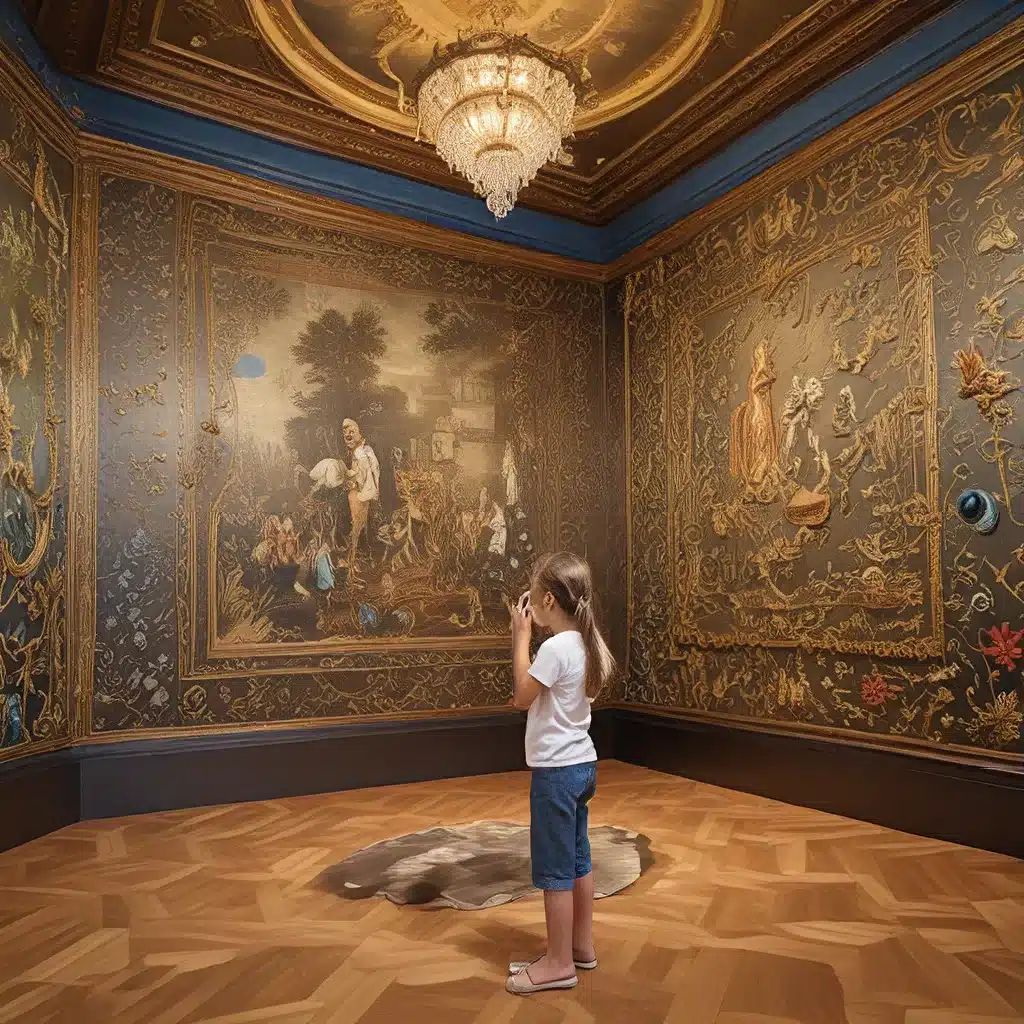
Imagine stepping into a room that captivates your senses – one where the vibrant colors dance across the walls, the soothing melody of chimes fills the air, and the aroma of freshly brewed coffee wafts through the space. Welcome to the world of multisensory design, where the boundaries between art and everyday living blur, creating immersive experiences that can truly transform the way we interact with our surroundings.
As someone who has always been fascinated by the intricacies of home design, I’ve found myself on a bit of a journey lately, exploring the fascinating realm of multisensory rooms. It all started when I stumbled upon an article about an incredible immersive exhibition called Van Gogh Alive – a captivating experience that brought the Dutch master’s iconic paintings to life through a multisensory spectacle. The idea of being able to not just see, but feel the essence of Van Gogh’s work was nothing short of mesmerizing.
Intrigued, I began delving deeper into the world of multisensory design, and what I discovered was a realm of possibilities that seemed to transcend the traditional boundaries of interior design. From sensory gardens that engage the senses of touch, smell, and sound, to immersive dining experiences that blur the line between food and art, the possibilities seemed endless.
Engaging the Senses: A Multifaceted Approach
At the heart of multisensory design lies the idea of engaging multiple senses simultaneously, creating a truly holistic and immersive experience. As The White Frame explains, “A multisensory experience engages multiple senses simultaneously to create a richer, more immersive encounter. This type of experience can involve any combination of the five traditional senses – sight, hearing, taste, smell, and touch – as well as other senses such as proprioception (awareness of body position) and thermoception (sense of temperature).”
By stimulating these various senses, multisensory design can enhance our perception, improve memory retention, and even evoke stronger emotional responses. Imagine, for instance, walking into a cozy living room where the soft glow of candles casts a warm, inviting ambiance, the scent of cinnamon and cloves fills the air, and the gentle hum of a water feature creates a soothing soundtrack. The combination of these sensory elements can transport us to a state of pure relaxation and contentment.
The Rise of Multisensory Experiences in Kent
As I delved deeper into the world of multisensory design, I was intrigued to discover that the picturesque county of Kent, in the United Kingdom, has become a hub for these captivating experiences. From immersive art installations to sensory gardens and unique dining experiences, Kent offers a plethora of activities that cater to all the senses.
One standout example is the Van Gogh Alive exhibition that was recently hosted in Canterbury. This world-renowned event brought the vibrant and emotive works of the Dutch artist to life through large-scale projections, an evocative classical score, and even thematic scents that enveloped the audience in a truly multisensory experience.
But the multisensory offerings in Kent don’t stop there. As Emotions Market highlights, the region is also home to a diverse array of other engaging experiences, from the Sensory Trust Gardens that feature tactile plants and sound installations, to the Samphire Hoe nature reserve, where visitors can immerse themselves in the sights, sounds, and smells of the Kent coastline.
Unleashing the Senses: Multisensory Experiences in Kent
One of the most captivating multisensory experiences I encountered in Kent was the Sensory Trust Gardens. These inclusive outdoor spaces have been designed to engage all the senses, with a focus on creating an immersive and accessible experience for visitors of all ages and abilities.
As I strolled through the gardens, the soft breeze carried the intoxicating fragrance of blooming flowers, while the gentle rustling of leaves and the chirping of birds created a soothing, natural soundtrack. Tactile elements, such as textured bark and soft, velvety leaves, invited me to reach out and connect with the natural world in a more intimate way.
But the Sensory Trust Gardens weren’t the only multisensory experience that captivated me during my time in Kent. I also had the opportunity to visit the Wildwood Trust, a wildlife park that offers unique sensory experiences, including touch tours and interactive feeding sessions with the animals. As I stood face-to-face with a majestic owl, I could feel the gentle flutter of its wings and the soft, downy texture of its feathers – a sensory encounter that left a lasting impression.
Dining with the Senses: Multisensory Culinary Experiences in Kent
While the multisensory offerings in Kent extend far beyond the realm of food, I can’t help but marvel at the incredible culinary experiences that have taken root in the region. One such example is the Kent Cookery School, where visitors can engage all of their senses in the creation and appreciation of gourmet dishes.
During my visit, I had the opportunity to participate in a sensory cooking class, where the focus was not just on the flavors of the food, but on the entire multisensory experience. As we chopped, sautéed, and garnished our dishes, the aromas of freshly ground spices and simmering sauces filled the air, heightening our anticipation and engagement with the culinary process.
But the sensory exploration didn’t stop there. As we sat down to savor our creations, we were encouraged to truly focus on the textures, temperatures, and even the sounds of our meal – an approach that not only enhanced our appreciation of the flavors but also left us feeling deeply connected to the food we had prepared.
Unlocking the Power of Multisensory Design
As I reflect on my experiences exploring the multisensory offerings in Kent, I can’t help but feel a growing sense of wonder and excitement. These captivating experiences have not only broadened my understanding of interior design but have also inspired me to rethink the way I approach my own living spaces.
Imagine, for instance, transforming a simple home office into a multisensory haven – a space where the soft glow of a salt lamp casts a soothing ambiance, the gentle patter of a desktop water feature provides a calming soundtrack, and the aroma of essential oils like lavender or eucalyptus helps to promote focus and relaxation. Or picture a cozy living room where the warm tones of a Persian rug, the gentle crackle of a fireplace, and the comforting scent of freshly baked cookies create an inviting, multisensory oasis.
The possibilities are truly endless, and the benefits of incorporating multisensory elements into our homes are equally vast. Not only can these experiences enhance our overall well-being and emotional connection to our spaces, but they can also serve as a powerful tool for home renovation and improvement, transforming ordinary rooms into extraordinary, immersive environments.
So why not embark on your own multisensory journey? Whether it’s through the creation of a sensory garden, the installation of a soothing water feature, or the strategic placement of aromatic candles, the power to unlock the magic of multisensory design lies right at your fingertips. Who knows what captivating masterpieces you might create?