Sustainable Home Extensions: Integrating Sustainable Construction Logistics
As an experienced home extension consultant, I’ve seen firsthand the impact that construction projects can have on the environment. The good news is that by embracing sustainable construction principles and logistics, homeowners can significantly reduce the environmental footprint of their home extensions. In this comprehensive article, I’ll guide you through the key strategies and considerations for integrating sustainable practices into your next home extension project.
Sustainable Construction Principles
At the heart of sustainable home extensions are three core principles: renewable materials, energy efficiency, and waste reduction. Let’s explore each of these in more detail.
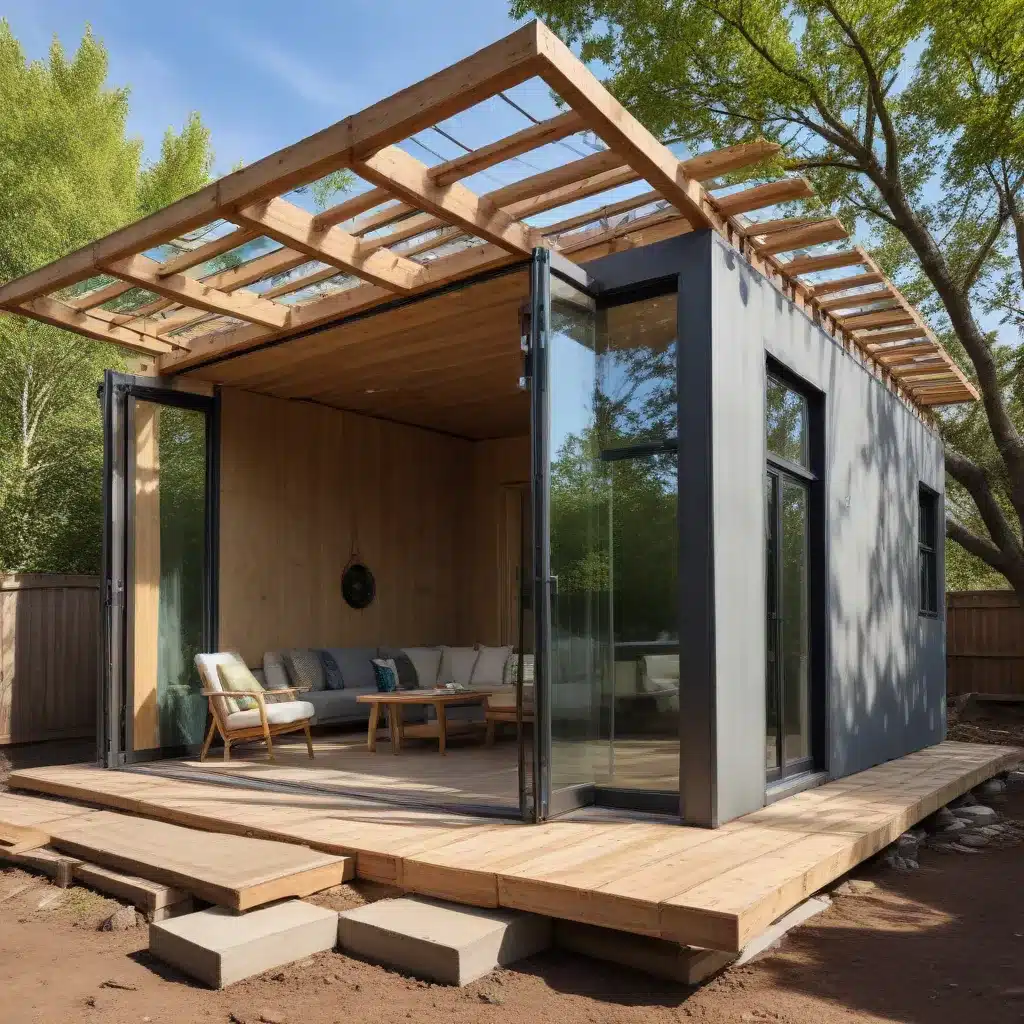
Renewable Materials: When selecting materials for your home extension, opt for those that come from renewable sources. This includes timber, bamboo, and other natural resources that can be replenished over time. These materials not only have a lower environmental impact but also often possess unique aesthetic qualities that can enhance the character of your home.
Energy Efficiency: Ensuring your home extension is energy-efficient is crucial for minimizing its carbon footprint. This can be achieved through strategies like passive solar design, incorporating renewable energy sources (such as solar panels), and using high-performance insulation and windows. By prioritizing energy efficiency, you’ll enjoy long-term cost savings on utility bills and contribute to a more sustainable future.
Waste Reduction: Construction projects can generate a significant amount of waste, from excess building materials to demolition debris. Sustainable home extensions focus on reducing waste through careful planning, efficient use of resources, and implementing on-site waste management systems. This may involve recycling, repurposing, or responsibly disposing of any waste generated during the construction process.
Sustainable Construction Logistics
Integrating sustainable practices into the construction logistics of your home extension is essential for minimizing the project’s environmental impact. Here are some key considerations:
Site Planning: The way you approach the site can have a significant impact on sustainability. Consider factors like the orientation of the extension, the preservation of existing vegetation, and the minimization of land disturbance. By carefully planning the site, you can optimize the use of natural resources and reduce the overall environmental footprint.
Supply Chain Management: Ensuring the materials and equipment used in your home extension are sourced sustainably is crucial. Work with suppliers who prioritize sustainability, offer eco-friendly products, and have transparent supply chain practices. This may involve selecting local or regional suppliers to reduce transportation emissions and supporting businesses with strong environmental credentials.
Waste Disposal: Effective waste management is a critical component of sustainable construction logistics. Implement strategies to divert as much waste as possible from landfills, such as recycling, repurposing, or donating unused materials. Consider partnering with specialized waste management companies that can help you properly dispose of or recycle construction waste.
Integrating Sustainable Practices
Incorporating sustainable practices into the design and construction of your home extension can have a significant impact on its environmental performance. Let’s explore some key strategies:
Architectural Design: Passive solar design principles can play a crucial role in enhancing the energy efficiency of your home extension. This involves optimizing the placement and orientation of windows, as well as incorporating features like thermal mass and shading to regulate indoor temperatures. Additionally, explore the integration of renewable energy sources, such as solar panels, to generate clean power on-site.
Construction Techniques: Prefabrication is an increasingly popular sustainable construction technique that can significantly reduce waste and improve efficiency. By manufacturing building components off-site, you can minimize material usage, optimize waste management, and streamline the on-site construction process. On-site waste management systems, such as sorting and recycling stations, can also help divert waste from landfills.
Sustainable Material Selection
When it comes to selecting materials for your home extension, prioritizing renewable, recycled, and reclaimed options can greatly enhance the project’s sustainability.
Renewable Resources: Timber and bamboo are excellent choices for renewable materials. These natural resources can be sustainably harvested and often have a lower carbon footprint compared to traditional building materials. Additionally, they offer unique aesthetic qualities that can contribute to the character of your home extension.
Recycled and Reclaimed Materials: Incorporating recycled and reclaimed materials into your home extension is a great way to reduce waste and minimize the use of new resources. This can include repurposed insulation, flooring made from recycled content, or even salvaged building materials from other construction sites.
Environmental Impact Considerations
Evaluating the environmental impact of your home extension is crucial for ensuring its long-term sustainability. Here are some key factors to consider:
Greenhouse Gas Emissions: Assess the carbon footprint of your project by considering the embodied energy and emissions associated with the production, transportation, and installation of materials. Aim to minimize the overall carbon impact through the use of low-emission materials and efficient construction practices.
Water Conservation: Incorporate water-saving features, such as low-flow plumbing fixtures and drought-tolerant landscaping, to reduce the water consumption of your home extension. This not only helps conserve this precious resource but also contributes to a more sustainable living environment.
Biodiversity Protection: When planning your home extension, consider the impact on the local ecosystem and aim to protect and enhance biodiversity. This may involve preserving existing vegetation, creating green spaces, and incorporating native plants that support local wildlife.
By integrating these sustainable construction principles, logistics, and practices into your home extension project, you can create a space that not only meets your needs but also minimizes its environmental impact. Remember, sustainable home extensions are not just about reducing energy and resource use; they are about building a better future for generations to come.
If you’re ready to embark on a sustainable home extension project, I encourage you to explore our home extensions service and let us guide you through the process. Our team of experienced professionals is dedicated to helping homeowners like you achieve their goals while prioritizing environmental responsibility. Together, we can turn your home extension dreams into a reality that benefits both your family and the planet.