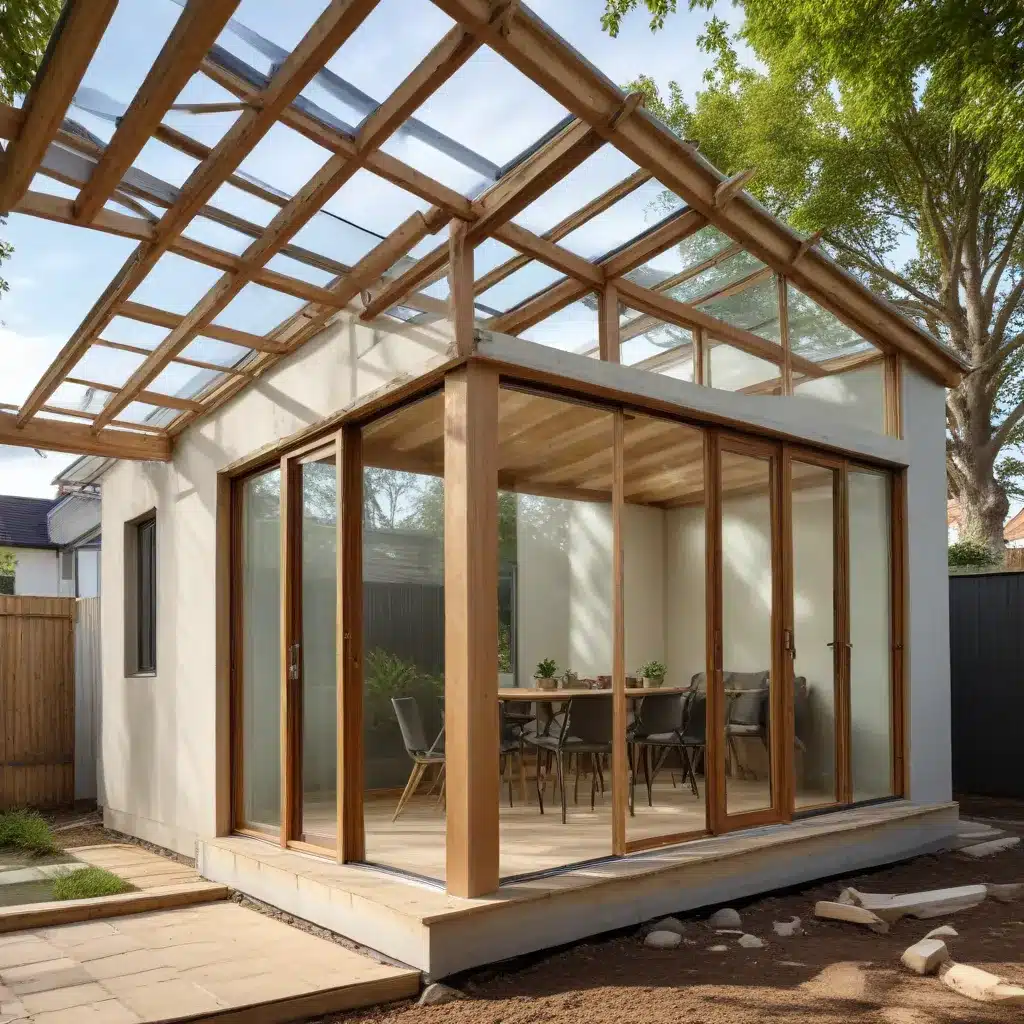
In the ever-evolving landscape of home improvement, sustainable home extensions have emerged as a transformative approach that not only enhances the functionality and aesthetics of your living space but also minimizes your environmental impact. As an experienced home extension consultant, I’m excited to share with you the key principles and strategies for creating a sustainable home extension that seamlessly integrates with your lifestyle and the surrounding environment.
Sustainable Building Practices
Embracing sustainable building practices is the foundation for a truly eco-friendly home extension. This encompasses two crucial elements: the use of environmentally-friendly materials and the implementation of energy-efficient design.
Environmentally-friendly Materials
When it comes to sustainable home extensions, the materials you choose play a vital role in reducing your carbon footprint. Look for building materials that are renewable, recycled, or repurposed, such as:
- Bamboo: A rapidly renewable resource that is incredibly durable and versatile.
- Reclaimed wood: Salvaged from old structures, reclaimed wood adds character and reduces waste.
- Sheep’s wool insulation: A natural, biodegradable insulation option that regulates temperature effectively.
- Recycled steel or aluminum: These materials can be endlessly reused without losing their structural integrity.
By prioritizing these environmentally-friendly materials, you can create a home extension that is not only visually appealing but also minimizes the depletion of natural resources.
Energy-efficient Design
Sustainable home extensions also focus on energy-efficient design principles to reduce your energy consumption and carbon footprint. This includes:
- Passive solar design: Strategically placing windows and using thermal mass materials to harness the sun’s natural heat.
- High-performance insulation: Ensuring your home extension is well-insulated to maintain optimal indoor temperatures.
- LED lighting: Upgrading to energy-efficient LED bulbs throughout the extension.
- Energy-efficient appliances: Incorporating ENERGY STAR-certified appliances to minimize energy usage.
By incorporating these energy-saving elements, you can create a home extension that not only looks beautiful but also operates efficiently, reducing your long-term utility costs and environmental impact.
Sustainable Relocation Strategies
Sustainable home extensions often involve the relocation or repurposing of existing structures, which presents unique opportunities for sustainable practices. This includes the processes of site assessment and deconstruction and reassembly.
Site Assessment
Before embarking on your home extension project, it’s crucial to conduct a thorough site assessment. This involves evaluating the existing structure, its condition, and the surrounding environment. By understanding the site’s unique characteristics, you can make informed decisions about the most sustainable approach to your home extension.
As part of the site assessment, consider factors such as:
- Orientation and sun exposure: Understand how the site’s positioning can be leveraged for passive solar design.
- Existing landscaping and vegetation: Identify opportunities to preserve or incorporate existing natural elements.
- Accessibility and infrastructure: Assess the ease of access and the availability of utilities to support the extension.
By conducting a comprehensive site assessment, you can make informed decisions that align with sustainable principles and ensure the long-term viability of your home extension.
Deconstruction and Reassembly
When relocating or repurposing an existing structure, the process of deconstruction and reassembly is crucial for sustainability. Instead of demolishing the structure, consider carefully deconstructing it, salvaging as many materials as possible.
This approach not only reduces waste but also allows you to reuse valuable building materials in your new home extension. Carefully dismantle the structure, label and catalog the components, and plan for their seamless reassembly in the new location.
Engaging with experienced contractors who specialize in sustainable deconstruction and relocation can greatly enhance the success of this process. They can provide guidance on the most effective methods, ensure the structural integrity of the reassembled structure, and help you navigate any regulatory requirements.
Enhancing Sustainable Living
Sustainable home extensions go beyond just the construction process; they also aim to optimize the living experience and integrate renewable energy solutions to further enhance the sustainability of your home.
Space Optimization
Effective space optimization is a key aspect of sustainable home extensions. By incorporating modular design and multifunctional spaces, you can create a home extension that maximizes functionality while minimizing the overall footprint.
Modular Design: Embrace a modular approach to your home extension, where individual components can be easily adapted or reconfigured as your needs change over time. This flexibility allows you to adapt the space to your evolving lifestyle, reducing the need for future renovations and minimizing resource consumption.
Multifunctional Spaces: Designing spaces that serve multiple purposes is a hallmark of sustainable home extensions. For example, a home office that can also double as a guest room, or a living room that seamlessly transitions into an outdoor entertainment area. By maximizing the utility of each square foot, you can create a more efficient and sustainable living environment.
Renewable Energy Integration
Integrating renewable energy solutions into your home extension is a crucial step towards achieving true sustainability. This can include the installation of solar power systems and the incorporation of geothermal heating and cooling technologies.
Solar Power: Harness the power of the sun by installing photovoltaic solar panels on your home extension. These panels convert sunlight into clean, renewable electricity, reducing your reliance on fossil fuels and lowering your energy bills.
Geothermal Systems: Geothermal heating and cooling systems leverage the constant temperature of the earth to provide efficient, eco-friendly climate control. By tapping into this renewable energy source, you can significantly reduce your home’s energy consumption and carbon footprint.
By incorporating these sustainable living enhancements, you can transform your home extension into a truly eco-friendly sanctuary that aligns with your values and enhances your overall quality of life.
Sustainable Home Extension Benefits
The benefits of sustainable home extensions extend far beyond the immediate improvements to your living space. By embracing sustainable building practices and strategies, you can unlock a wealth of long-term advantages that positively impact both the environment and your personal well-being.
Environmental Impact
Sustainable home extensions offer tangible benefits in terms of reducing your environmental impact.
Reduced Carbon Footprint: By using environmentally-friendly materials, optimizing energy efficiency, and integrating renewable energy solutions, your home extension can significantly lower your carbon emissions and contribute to a greener future.
Waste Minimization: The focus on sustainable deconstruction, material reuse, and modular design minimizes the amount of waste generated during the construction and renovation process, diverting valuable resources from landfills.
Occupant Well-being
Sustainable home extensions also have a positive impact on the health and well-being of the occupants.
Indoor Air Quality: The use of eco-friendly building materials and the incorporation of energy-efficient ventilation systems can improve indoor air quality, creating a healthier living environment.
Thermal Comfort: Sustainable design principles, such as passive solar design and high-performance insulation, help maintain optimal indoor temperatures, enhancing the overall comfort and livability of your home extension.
Sustainable Building Regulations and Policies
When embarking on a sustainable home extension project, it’s crucial to be aware of the various regulations and policies that govern sustainable building practices. This includes understanding local guidelines, as well as exploring sustainability certifications that can further enhance the eco-friendly credentials of your home extension.
Local Guidelines
Every municipality has its own set of zoning requirements and permitting processes that must be adhered to when undertaking a home extension project. It’s important to familiarize yourself with the local guidelines in your area to ensure your sustainable home extension aligns with the necessary regulations.
For example, some jurisdictions may have specific requirements for the use of energy-efficient materials or the integration of renewable energy systems. By understanding and complying with these local guidelines, you can navigate the process more effectively and ensure the successful completion of your sustainable home extension.
Sustainability Certifications
In addition to meeting local regulations, you may also consider pursuing sustainability certifications for your home extension. These certifications, such as LEED (Leadership in Energy and Environmental Design) and Passive House, provide independent verification of your project’s adherence to rigorous environmental and energy-efficiency standards.
Achieving these certifications not only demonstrates your commitment to sustainability but also provides valuable guidance and recognition throughout the design, construction, and operation of your home extension. The process of obtaining these certifications can be complex, but the long-term benefits, such as increased property value and a reduced environmental impact, can make the effort worthwhile.
By navigating the regulatory landscape and exploring sustainability certifications, you can ensure that your sustainable home extension not only meets but exceeds the expectations for eco-friendly building practices.
As an experienced home extension consultant, I’m excited to see the continued growth and evolution of sustainable building practices. By embracing the principles and strategies outlined in this article, you can create a home extension that not only enhances your living experience but also leaves a lasting positive impact on the environment. If you’re ready to embark on your sustainable home extension journey, contact our team at ABC Home to discuss your unique needs and explore the possibilities.