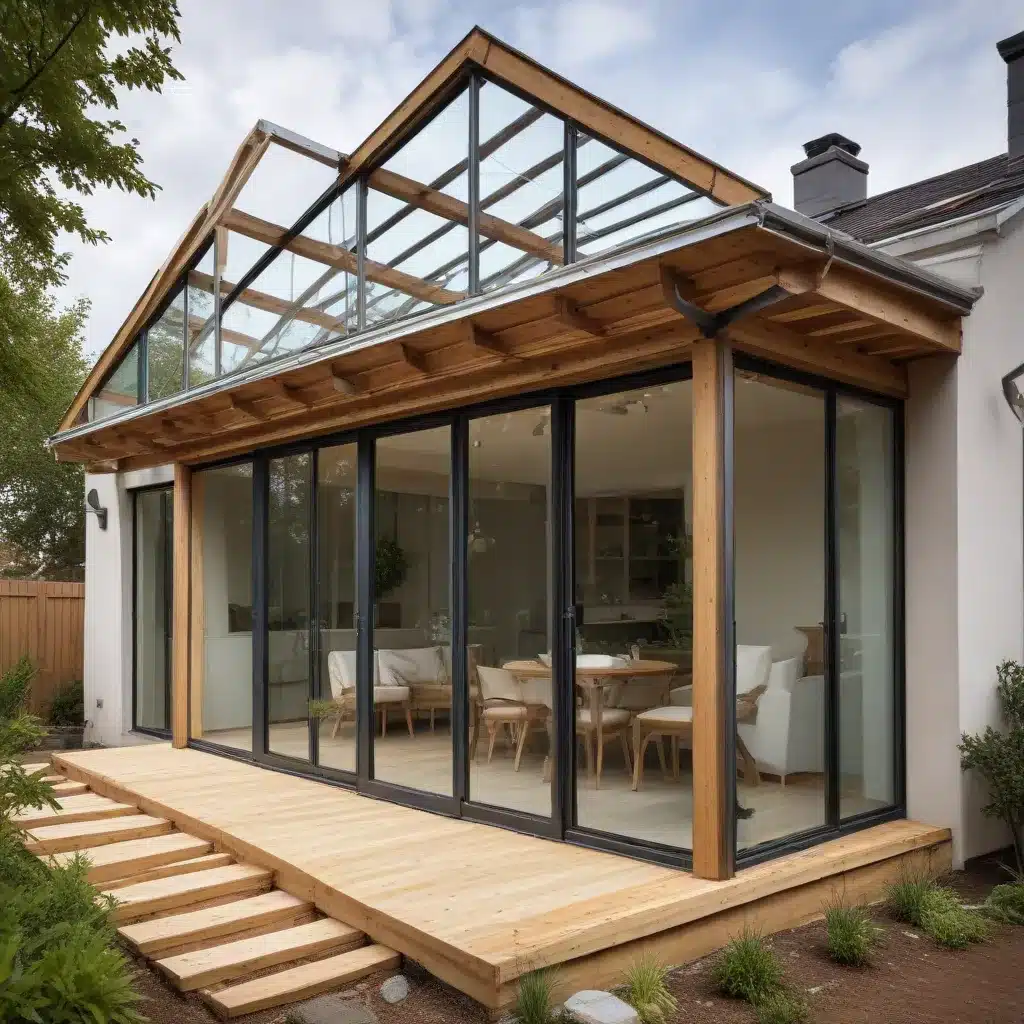
Sustainable Home Extensions: Integrating Sustainable Building Collaboration and Partnerships
As an experienced home extension consultant, I’ve witnessed the growing demand for sustainable home improvement solutions. Homeowners are increasingly seeking ways to enhance their living spaces while minimizing environmental impact and promoting long-term resilience. In this comprehensive guide, we’ll explore the key principles of sustainable home extensions, highlighting the importance of collaborative partnerships and innovative building practices.
Sustainable Building Practices
At the heart of sustainable home extensions lies a focus on energy-efficient design, renewable energy integration, and water conservation strategies. By prioritizing these elements, homeowners can create living spaces that not only reduce their carbon footprint but also provide long-term cost savings and improved occupant comfort.
Energy-Efficient Design: Incorporating passive solar design principles, optimal insulation, and strategic window placement can significantly enhance a home’s thermal performance. This, in turn, reduces the energy demands for heating and cooling, leading to lower utility bills and a smaller environmental footprint.
Renewable Energy Integration: The integration of renewable energy technologies, such as solar photovoltaic systems, solar thermal collectors, and geothermal heat pumps, can transform a home into a self-sustaining oasis. These clean energy solutions not only contribute to a greener future but also offer homeowners the opportunity to generate their own power, reducing reliance on the grid.
Water Conservation Strategies: Implementing water-efficient fixtures, greywater recycling systems, and drought-tolerant landscaping can dramatically reduce a home’s water consumption. These strategies not only conserve precious natural resources but also help homeowners save on utility costs while promoting sustainable living.
Sustainable Building Materials
The selection of eco-friendly building materials is a crucial aspect of sustainable home extensions. By prioritizing materials that are environmentally responsible, homeowners can minimize the carbon footprint of their projects while contributing to a more circular economy.
Eco-Friendly Materials: Sustainable building materials, such as bamboo, cork, recycled plastic, and natural stone, offer durable and aesthetically pleasing alternatives to traditional construction materials. These materials often have a lower environmental impact, requiring less energy and resources to produce and transport.
Recycled and Reclaimed Materials: Incorporating recycled and reclaimed materials into home extensions can significantly reduce waste and conserve natural resources. From repurposed wood and metal to upcycled furniture and fixtures, these materials not only add character to a space but also tell a unique story of sustainability.
Locally-Sourced Materials: Sourcing building materials from local suppliers and manufacturers can minimize the environmental impact associated with transportation, support the local economy, and ensure the materials are well-suited to the regional climate and building practices.
Sustainable Construction Techniques
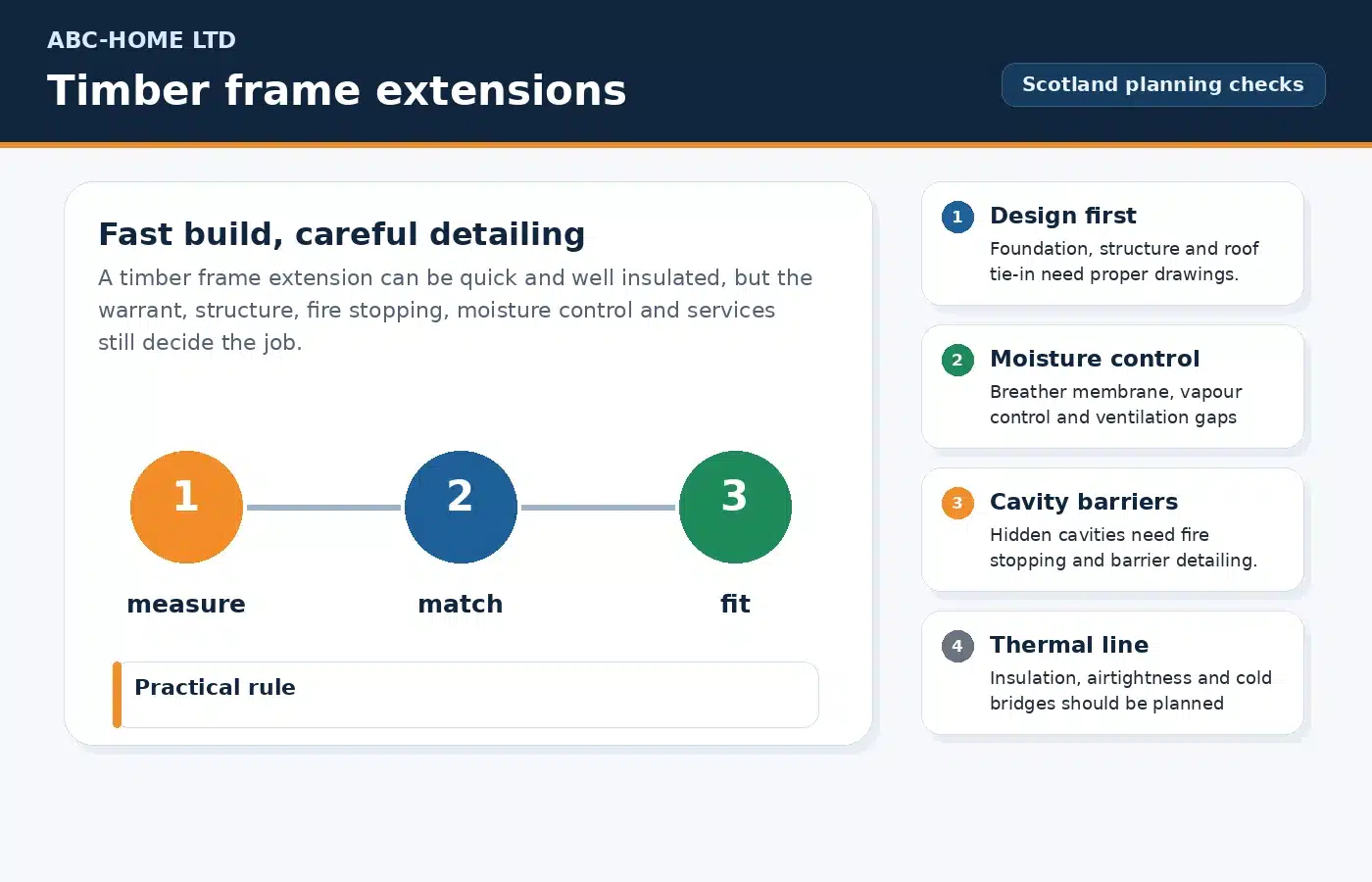
Sustainable home extensions also rely on construction techniques that prioritize efficiency, modularity, and prefabrication, all while maintaining high-quality standards.
Passive Solar Design: Optimizing a home’s orientation, window placement, and shading can harness the power of the sun to reduce energy demands for heating and cooling. This passive solar design approach enhances the overall energy efficiency of the home extension.
Modular Construction: Prefabricated and modular building components can be assembled off-site, reducing construction waste, minimizing disruption to the homeowner, and ensuring a more efficient and controlled building process.
Prefabricated Components: The use of prefabricated building elements, such as wall panels, roof trusses, and bathroom pods, can streamline the construction process, improve quality control, and reduce the environmental impact associated with on-site construction.
Sustainable Building Collaboration
Achieving truly sustainable home extensions requires a collaborative approach that brings together various stakeholders, each contributing their unique expertise and perspectives.
Interdisciplinary Partnerships: Fostering partnerships between architects, builders, sustainability consultants, and local authorities can ensure that sustainable design principles are seamlessly integrated into the home extension project. This collaborative approach leverages the collective knowledge and resources of the team to optimize the project’s environmental performance.
Community Engagement: Engaging with the local community, including neighbors and community organizations, can help identify shared sustainability goals and ensure the home extension project aligns with the broader vision for sustainable development in the area. This collaborative approach can also uncover opportunities for resource sharing and collective action.
Stakeholder Involvement: Actively involving homeowners, end-users, and other key stakeholders throughout the design and construction process can help align the project with their specific needs and preferences. This level of engagement fosters a sense of ownership and investment in the sustainable outcomes of the home extension.
Sustainable Building Regulations and Policies
To support the widespread adoption of sustainable home extensions, it is essential to have a robust regulatory framework and incentive programs in place.
Building Codes and Standards: Stringent building codes and sustainability standards, such as LEED, Passivhaus, and the Living Building Challenge, provide clear guidelines and performance targets for home extension projects. Adhering to these frameworks ensures that sustainable design principles are consistently applied and verified.
Sustainability Certification Programs: Voluntary sustainability certification programs, such as BREEAM and the WELL Building Standard, offer third-party verification of a home extension’s environmental, health, and wellness performance. These certifications can help homeowners and prospective buyers recognize the long-term value of sustainable home improvements.
Government Incentives: Governments can play a crucial role in encouraging sustainable home extensions through various incentive programs, such as tax credits, rebates, and low-interest financing options. These incentives can help offset the initial cost of sustainable home improvement projects, making them more accessible to a wider range of homeowners.
Sustainable Home Extension Case Studies
To illustrate the principles of sustainable home extensions, let’s explore a few real-world examples that showcase the integration of collaborative partnerships and innovative building practices.
Residential Retrofits: In a historic neighborhood in Edinburgh, a homeowner collaborated with a team of architects, engineers, and sustainability experts to transform their Victorian-era home into a modern, energy-efficient haven. By incorporating passive solar design, high-performance insulation, and rooftop solar panels, the project reduced the home’s energy consumption by over 60%, while maintaining the building’s original character.
Additions and Expansions: A family in Glasgow sought to expand their home to accommodate their growing needs. Instead of opting for a traditional addition, they worked with a local design-build firm to create a modular, prefabricated extension that seamlessly integrated with the existing structure. The project featured sustainably sourced materials, water-efficient fixtures, and a compact footprint, resulting in a 30% reduction in the home’s overall environmental impact.
Net-Zero Energy Homes: In the heart of the Scottish Highlands, a homeowner partnered with a team of renewable energy specialists to transform their rural property into a net-zero energy home. Through the integration of solar photovoltaic panels, a ground-source heat pump, and advanced building envelope strategies, the home now generates all of its own electricity and heating, becoming a shining example of sustainable living in a remote setting.
Sustainable Home Extension Benefits
Embracing sustainable practices in home extensions not only benefits the environment but also enhances the overall value, comfort, and well-being of the homeowners.
Reduced Environmental Impact: By prioritizing energy efficiency, renewable energy, and resource conservation, sustainable home extensions significantly reduce a property’s carbon footprint, water usage, and waste generation, contributing to a healthier planet for current and future generations.
Enhanced Occupant Wellbeing: Sustainable design principles, such as optimal indoor air quality, natural daylighting, and biophilic elements, can have a profound impact on the physical and mental health of the home’s occupants, promoting a sense of comfort, productivity, and overall wellness.
Increased Property Value: Homes with sustainable features and certifications are increasingly sought after by discerning buyers, as they recognize the long-term cost savings, environmental benefits, and enhanced livability that these improvements provide. This can translate into higher property values and a greater return on investment for homeowners.
In conclusion, sustainable home extensions offer a holistic approach to residential improvement, blending innovative building practices, collaborative partnerships, and supportive policies to create living spaces that are environmentally responsible, economically viable, and socially beneficial. By embracing this sustainable approach, homeowners can future-proof their properties, contribute to a more sustainable future, and enjoy the myriad benefits of eco-friendly living. To learn more about our sustainable home extension services, please visit https://abc-home.co.uk/home-extension/.